
2101. Is New Jersey the next swing state?
An argument that New Jersey's recent electoral shifts indicate potential for becoming a swing state, driven by demographic changes and Republican gains among diverse voters.
your daily dose of economic commentary
An argument that New Jersey's recent electoral shifts indicate potential for becoming a swing state, driven by demographic changes and Republican gains among diverse voters.

The discussion explores the shift of Silicon Valley billionaires towards right-wing politics, examining their motivations and historical ties to state power and surveillance.

The post outlines key economic reports and indicators scheduled for the week of November 2, 2025, including employment, manufacturing, and trade data.
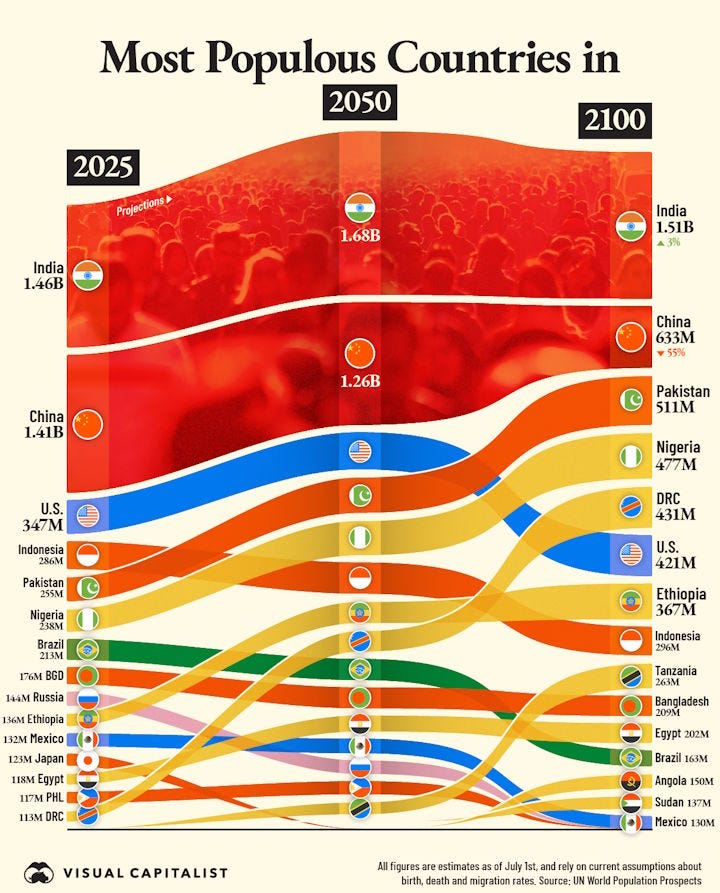
Noah Smith discusses the challenges facing developing countries, particularly those with high population growth and low GDP, amidst declining support from developed nations.
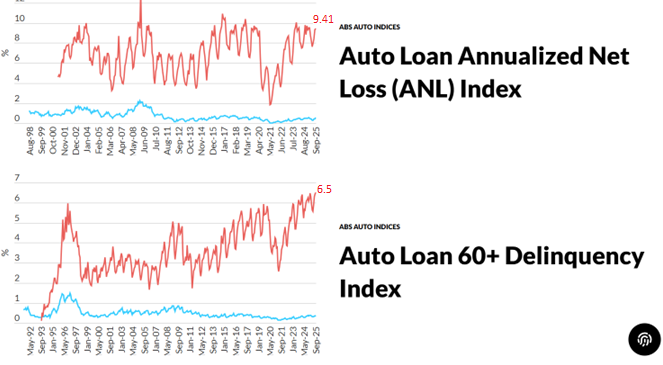
Menzie Chinn analyzes auto loan delinquency rates as potential recession indicators, highlighting their historical context and cautioning against simplistic predictions based on current data.
Timothy Taylor discusses the Silicon Valley no-poach conspiracy, its historical context, and its implications for labor antitrust and wage suppression in the tech industry.
Alex Tabarrok argues for privatizing U.S. air traffic control by adopting Canada's model to improve efficiency and accountability in the system.

David Hebert argues that while government economic planning is often flawed, government statistics can be trusted as they involve technical problem-solving rather than economic trade-offs.
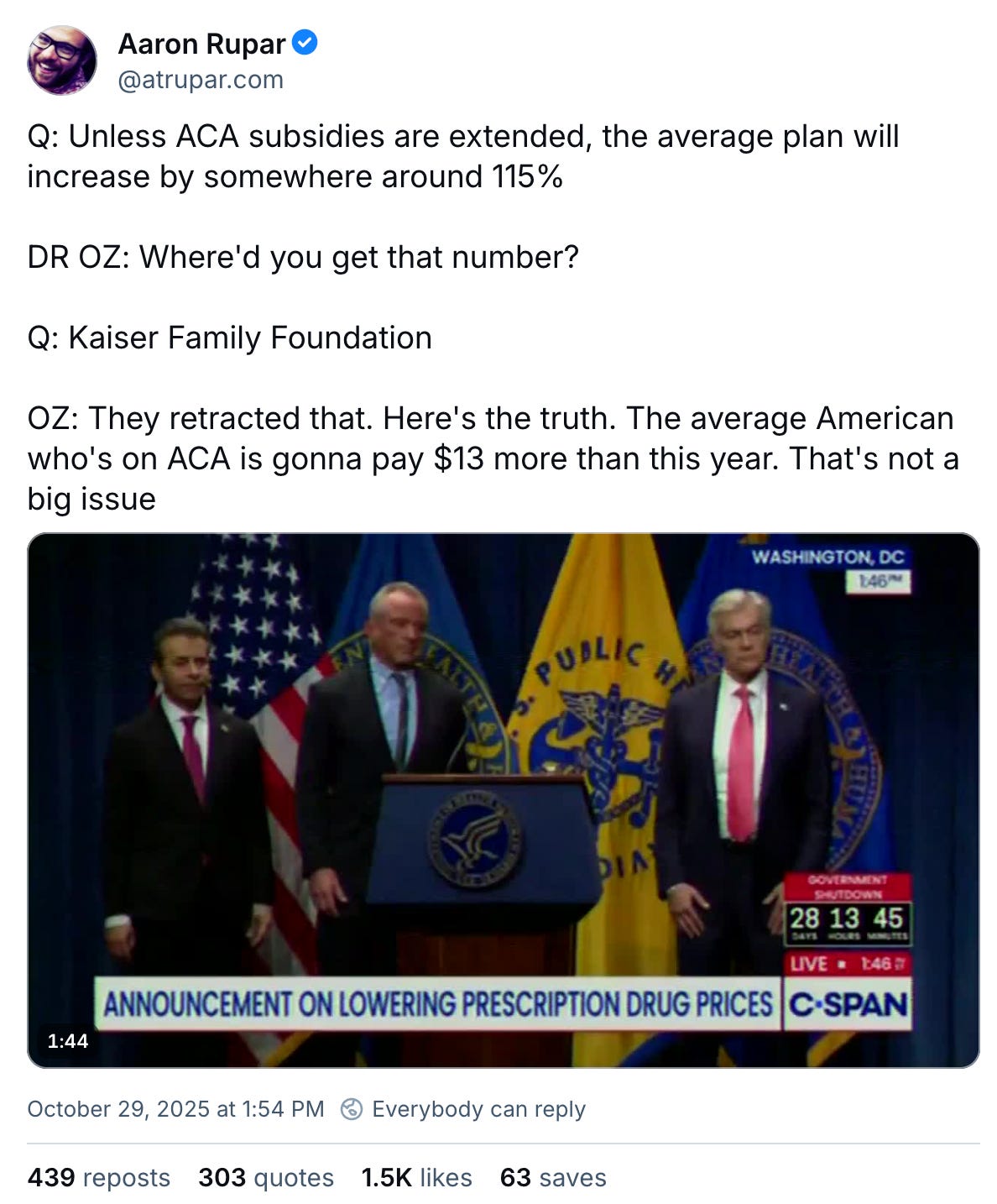
An argument that imminent cuts to SNAP and health insurance will severely harm millions, revealing Republican intentions and miscalculations in their policy implementation.

The post discusses the Freddie Mac House Price Index showing a year-over-year increase of 1.0% in September, along with notable month-over-month declines and regional performance variations.

The Associated Press reports that President Donald Trump urges the Senate to eliminate the filibuster to allow Republicans to reopen the government without Democratic support.
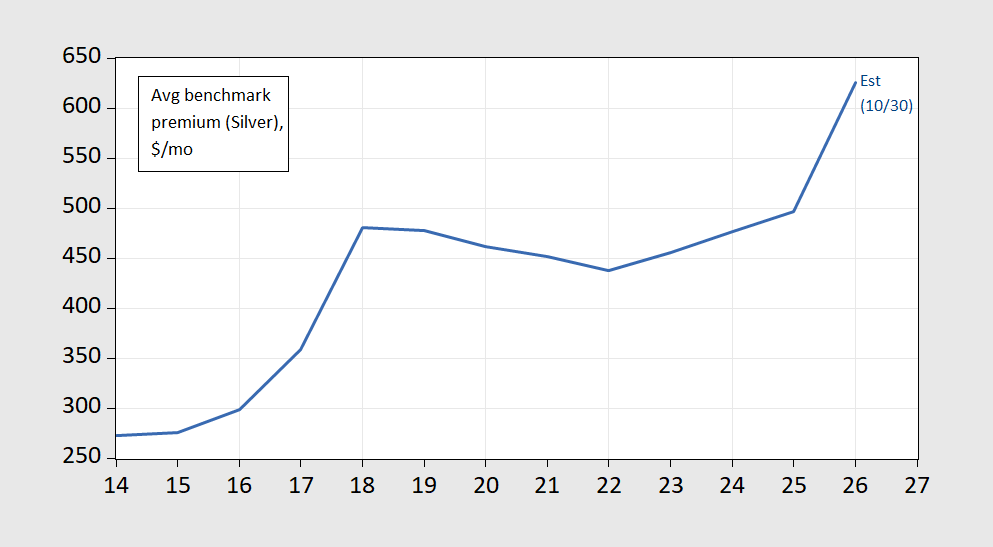
An argument that the potential extension of expanded premium tax credits could significantly affect ACA coverage and costs, highlighting disparities across states and demographics.
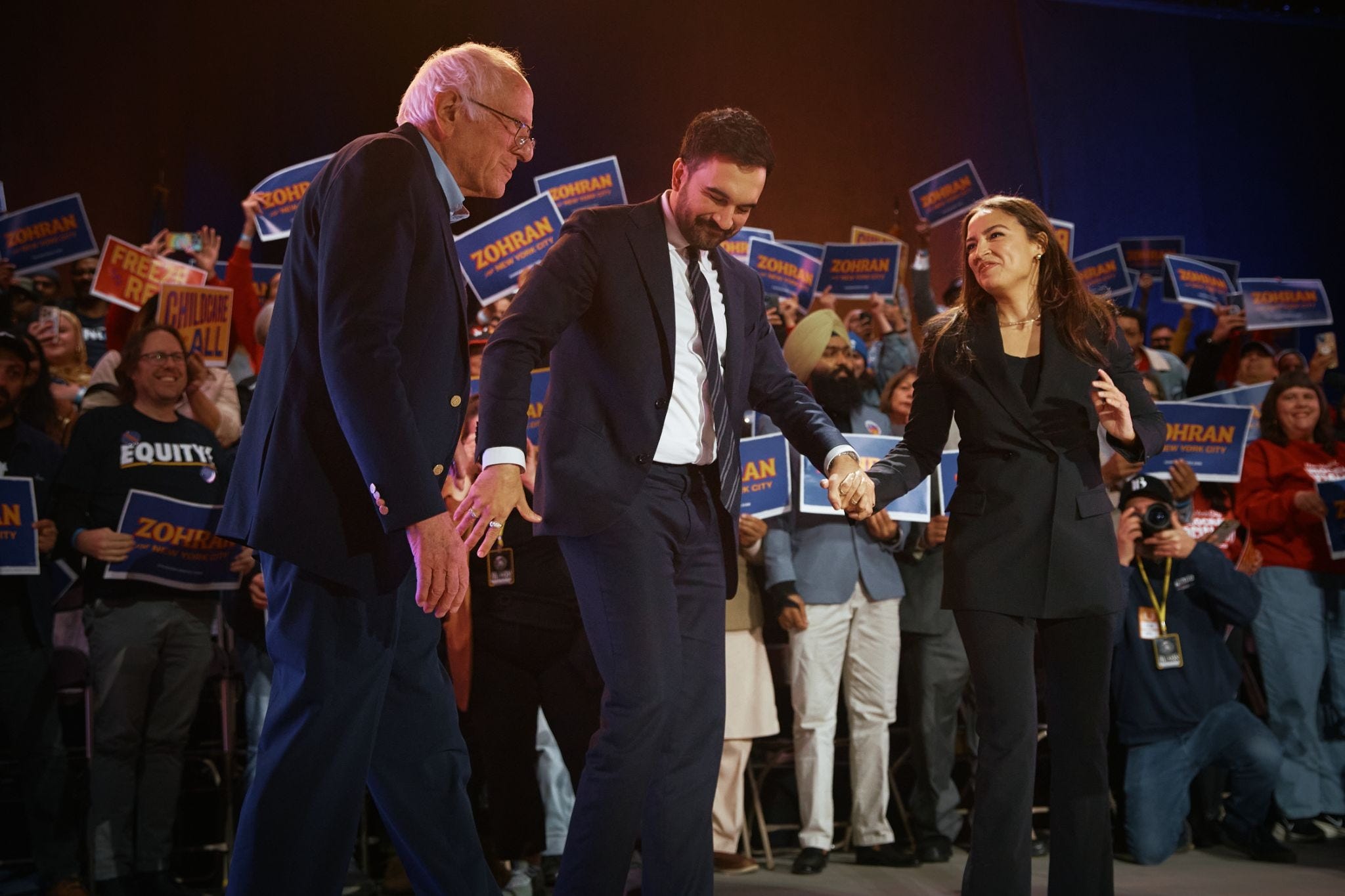
Nate Silver discusses the shifting dynamics of the NYC mayoral race, highlighting recent polling trends and candidate chances as Election Day approaches.
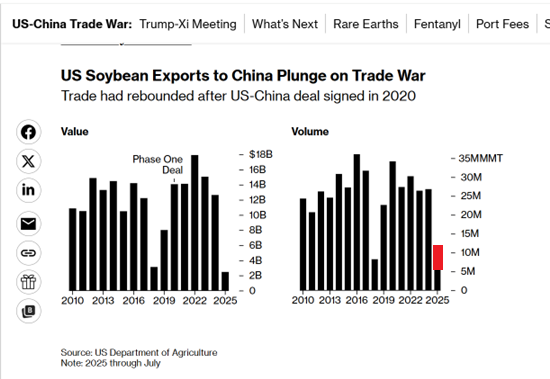
Menzie Chinn discusses China's soybean purchase commitments and their implications for U.S. farm income and compliance based on past trade agreements.

An argument that CPB terminated a significant contract with NPR due to pressure from the White House, raising concerns about political influence on public broadcasting.

The post discusses a decline in hotel occupancy rates due to reduced international tourism and compares current data with previous years, highlighting significant market variations.

Visitor traffic in Las Vegas decreased significantly in September, influenced by lower midweek volumes and the absence of major conventions compared to previous years.

An argument that superhero narratives overlook economic principles, particularly regarding market failures and the necessity of compensation for maximizing value in crime-fighting scenarios.
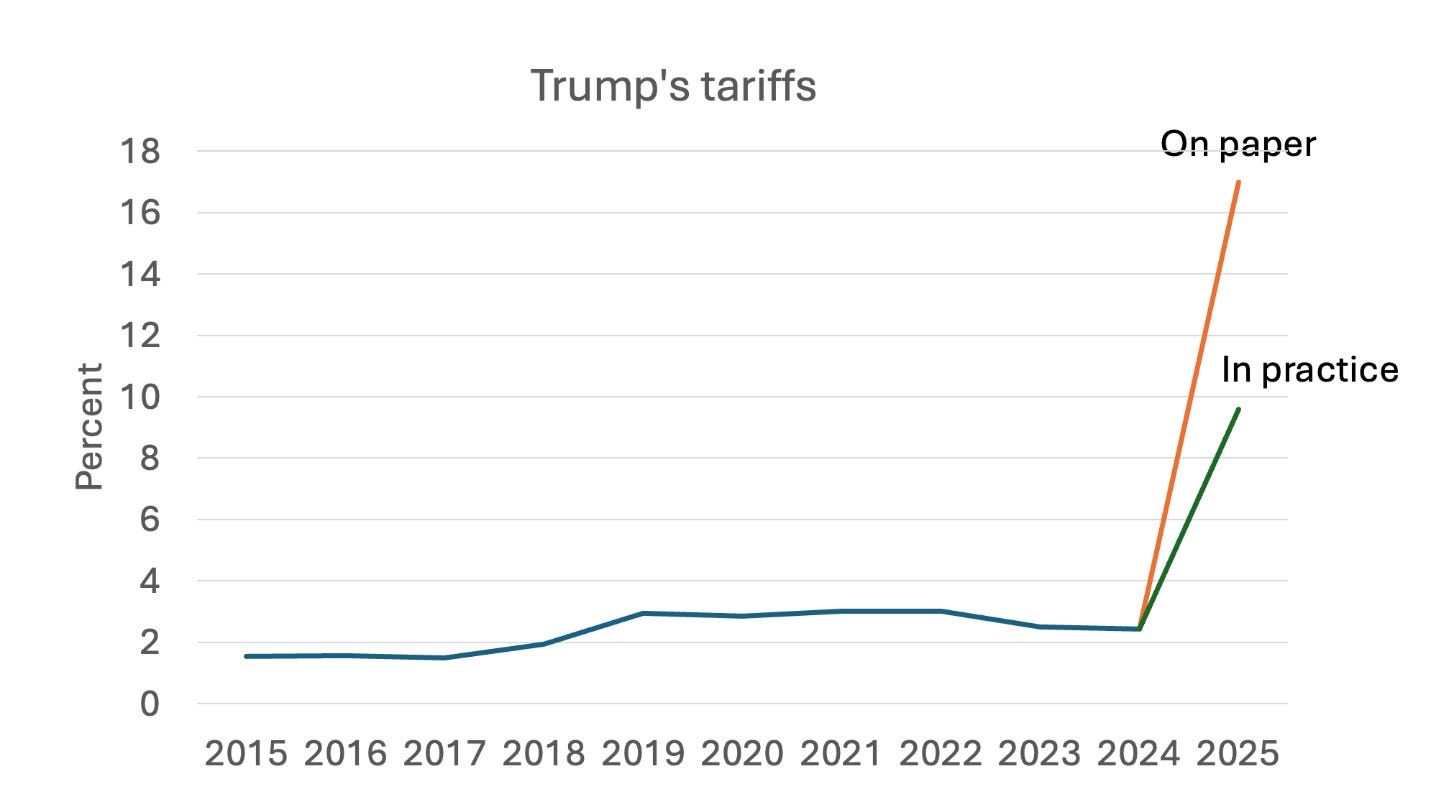
Paul Krugman discusses the economic damage caused by Trump's tariff policies, highlighting their impact on prices, uncertainty, and the credibility of the U.S. economy.

Bill McBride discusses the current state of inflation-adjusted house prices and the price-to-rent index, noting their decline from 2022 peaks.