
2141. Adam Smith Would Not Approve: The Evidence
Jon Murphy argues that Adam Smith would disapprove of recent U.S. tariffs due to their non-compliance with his principles on trade and mercantilism.
your daily dose of economic commentary
Jon Murphy argues that Adam Smith would disapprove of recent U.S. tariffs due to their non-compliance with his principles on trade and mercantilism.
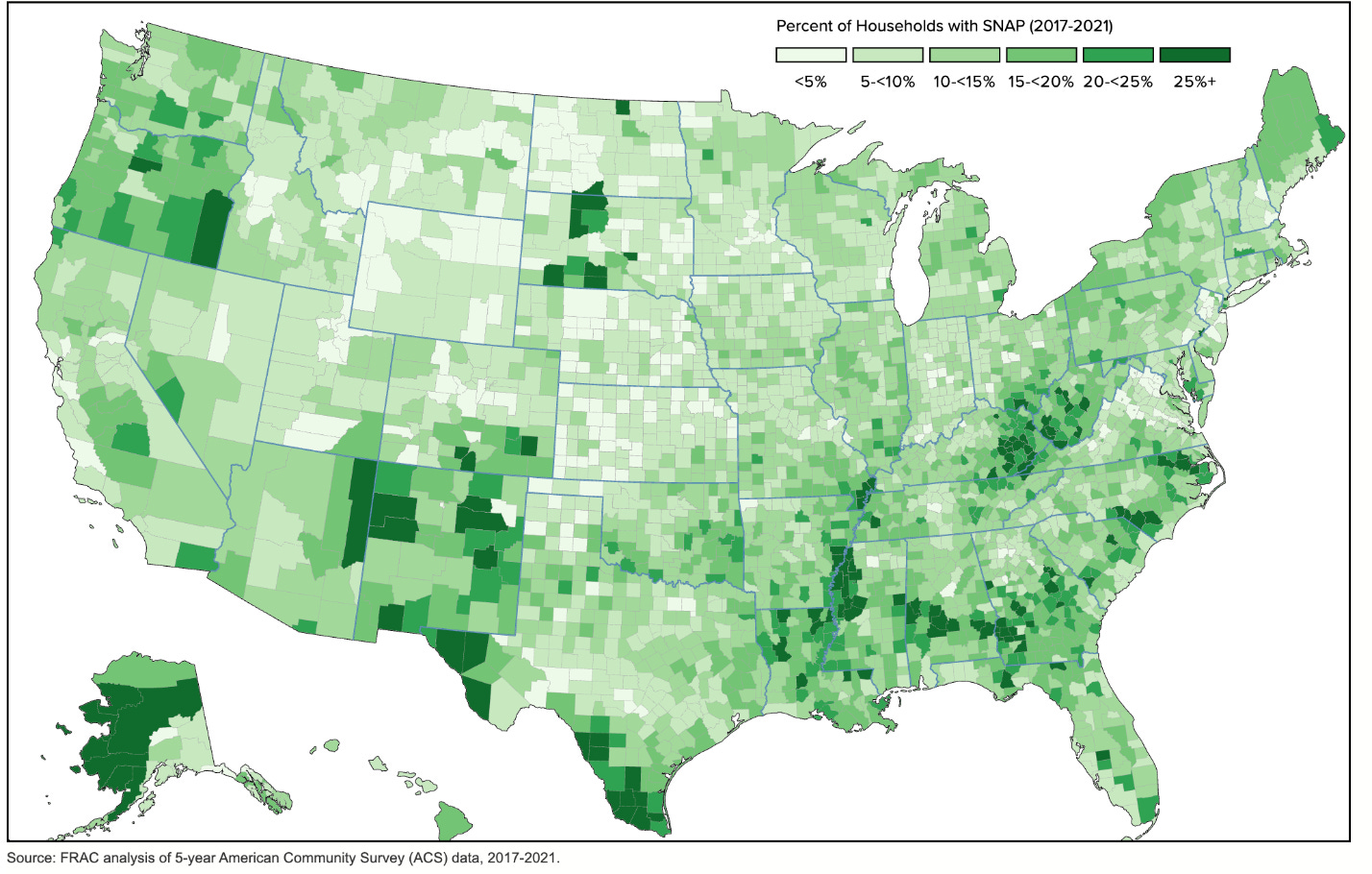
Paul Krugman discusses the implications of a potential government shutdown on SNAP funding and the political motivations behind it.

Noah Smith discusses the challenges facing the Trump administration and the Democratic Party's struggle to gain public support amidst rising Republican popularity.

Bill McBride discusses the August home price indices, noting a 1.5% annual gain and the impact of inflation on housing wealth.

Greg Rosalsky discusses how America's immigration policies are affecting the global remittance market and the financial implications for various countries.
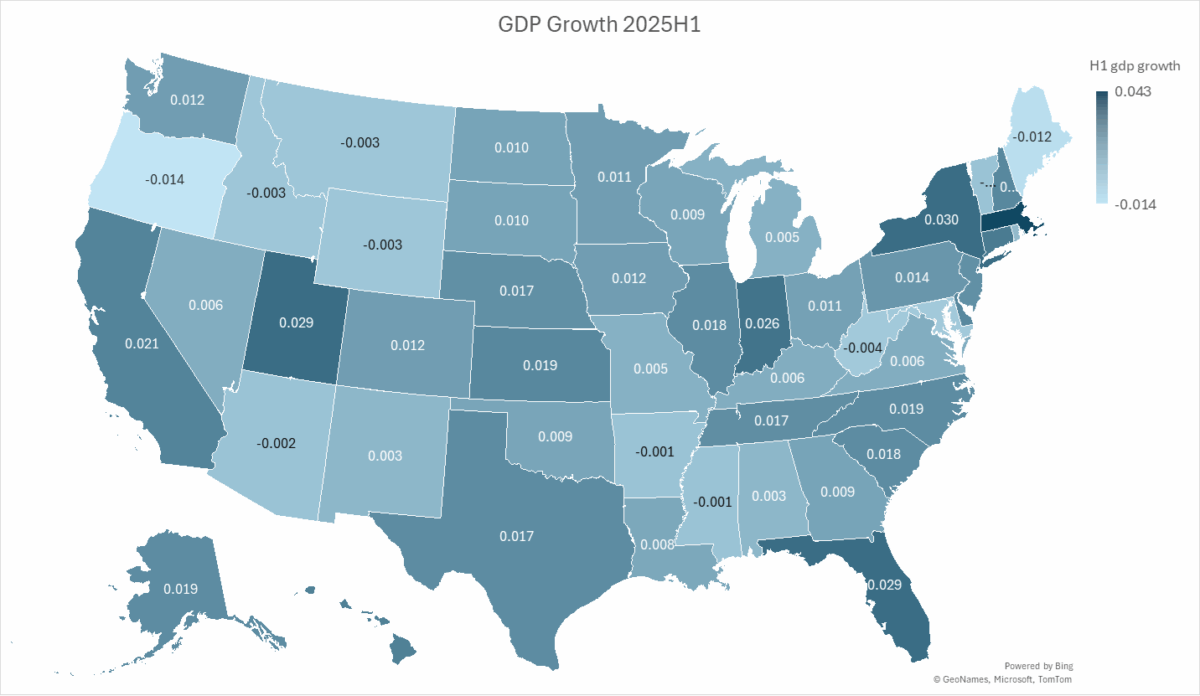
The post analyzes states with negative GDP and employment growth in the first half of 2025, highlighting discrepancies between GDP and employment trends.

An argument that the 'Washington Post' editorials neglected to disclose Jeff Bezos' financial interests in relevant topics.

A federal judge is set to decide on a potential halt to federal employee layoffs initiated by the Trump administration amid an ongoing government shutdown.

Bill McBride discusses mortgage rates and upcoming housing market reports, highlighting the impact of the government shutdown on economic data releases.
Tyler Cowen discusses Javier Milei's electoral victory and its implications for Argentina's economy and political landscape, highlighting support for structural reforms and capitalism.

Scott Cunningham reflects on his father's life, career, and their shared interests, particularly in literature and film, following his father's passing from Parkinson's disease.

Bill McBride discusses a significant decline in vehicle sales, primarily driven by a drop in electric vehicle sales following the expiration of federal EV credits.

The post analyzes September housing market trends, highlighting sales declines, inventory increases, and potential future price changes.
An argument that private incentives through whistleblowing effectively reduce fraud and provide significant economic returns compared to government enforcement mechanisms.

The post explores students' contrasting reactions to a learning management system outage, highlighting the economic implications of education as both an investment and a signaling mechanism.

An argument that Reagan supported free trade and used tariffs sparingly, contrasting his approach with Trump's chaotic tariff policies and emphasizing respect for international agreements.
The post examines early socialist debates, focusing on figures like William Thompson and their influence on later socialist thought, particularly regarding labor and wealth distribution.

Bill McBride discusses the recent increase in single-family housing inventory and its implications for the housing market in 2025.

An argument that NPR is suing the Corporation for Public Broadcasting for allegedly breaking a contract to satisfy the White House's demands.
Menzie Chinn discusses differing opinions among economists regarding the IEEPA tariffs, highlighting both support and opposition to these economic measures.