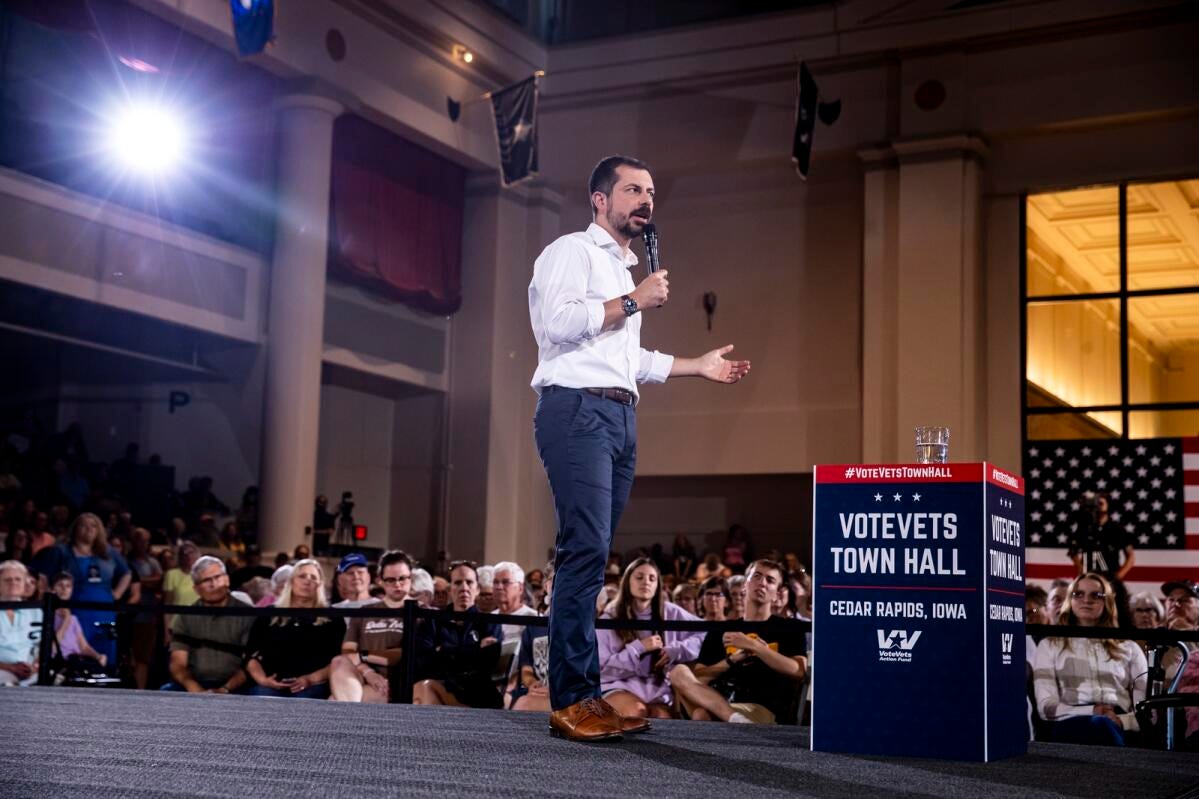
2401. Is America ready for a gay president?
An argument that explores the complexities of identity politics in the context of a potential gay presidential nominee and the challenges faced by Democratic candidates.
your daily dose of economic commentary
An argument that explores the complexities of identity politics in the context of a potential gay presidential nominee and the challenges faced by Democratic candidates.
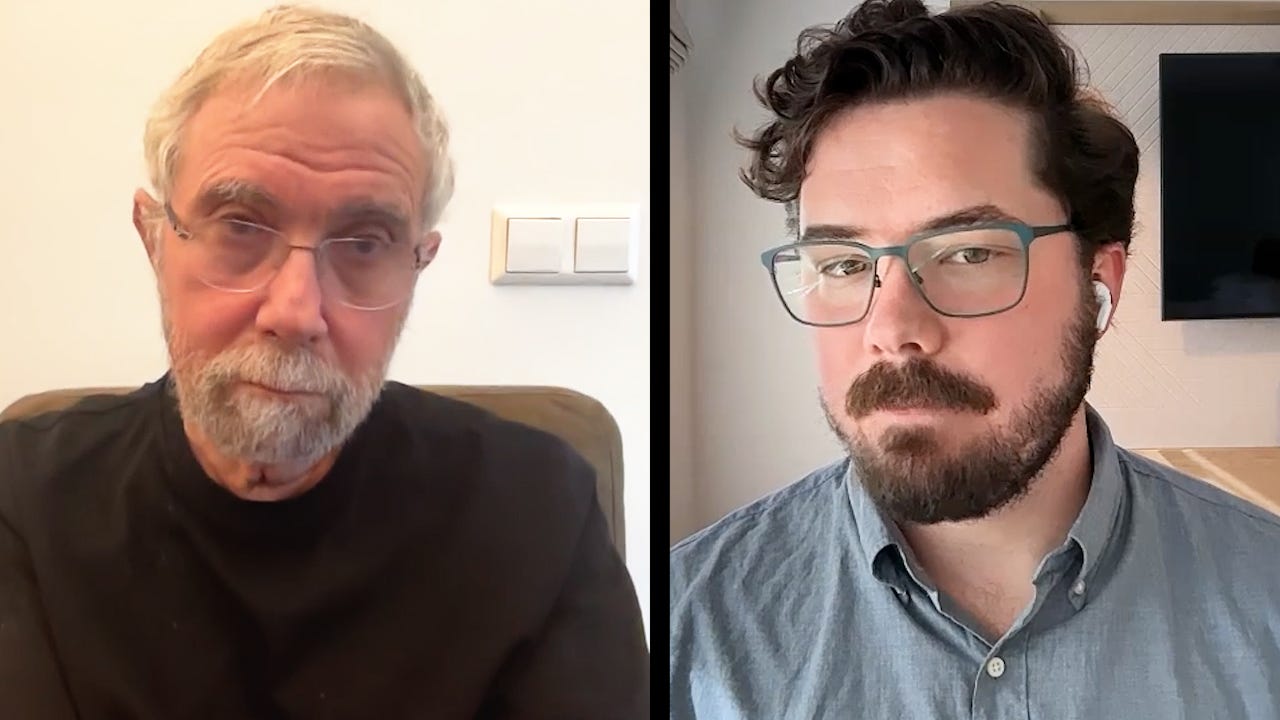
Paul Krugman discusses government shutdown probabilities and public opinion with G. Elliott Morris, focusing on the political implications of healthcare funding issues.

The post outlines the key economic reports and indicators scheduled for the week, including employment, housing prices, and manufacturing activity.

Noah Smith argues that reducing local control over housing can help overcome NIMBY opposition and facilitate the development of diverse urban landscapes.

David Folkenflik discusses NPR's legal action against CPB regarding a significant grant for public media operations.
David Folkenflik discusses NPR's legal challenge against the Corporation for Public Broadcasting regarding a significant federal grant amidst declining funding.
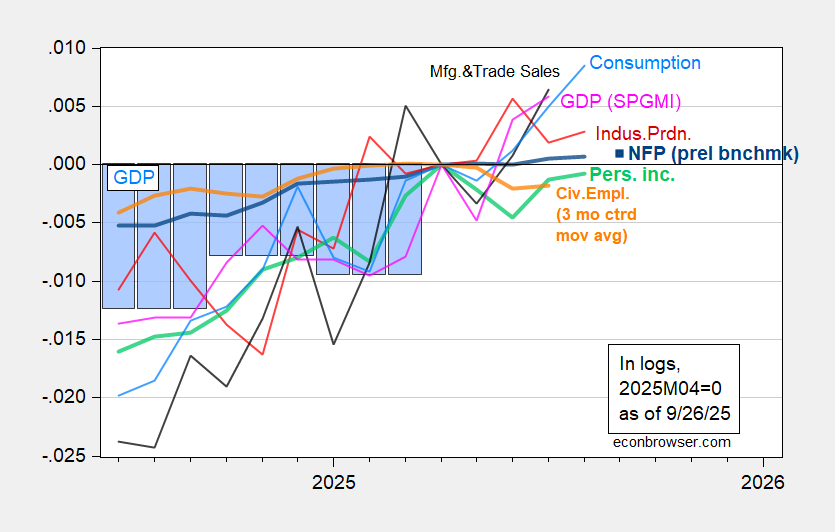
Menzie Chinn analyzes key economic indicators, highlighting stagnant employment and personal income trends, while suggesting a potential economic slowdown ahead.

Timothy Taylor discusses the challenges and effectiveness of fiscal rules aimed at limiting government debt and the compliance issues faced by various countries.
Claudia Sahm discusses the challenges facing the Federal Reserve regarding inflation, employment, and the risk of political interference in its operations.

Joshua Gans discusses the unexpected resilience of radiologists despite predictions of AI replacing them, highlighting the complexities of AI in medical diagnostics.

Jon Murphy discusses how economics training for judges influences their rulings, leading to more severe sentences and a shift in judicial language and reasoning.

An argument that GDP tracking estimates for Q3 have increased due to stronger consumer spending and revised data from various economic sources.

The post shares experiences from a workshop, a Patriots-Steelers game, and a memorable fight witnessed at the stadium, reflecting on personal happiness and pedagogy.
An argument that import tariffs negatively impact exporters, necessitating subsidies for farmers, illustrating the concept of Lerner Symmetry in trade policy.

Paul Krugman reflects on his busy schedule and hints at future posts about Europe’s economy and personal experiences.

Bill McBride discusses the increase in personal income and spending in August, along with inflation data and implications for economic growth.
The discussion explores common knowledge, coordination, and rational agreement, touching on psychology, social norms, and the interplay of beliefs in human interactions.

The Associated Press reports that President Trump plans to impose significant import taxes on various goods, including drugs and home furnishings, starting October 1.
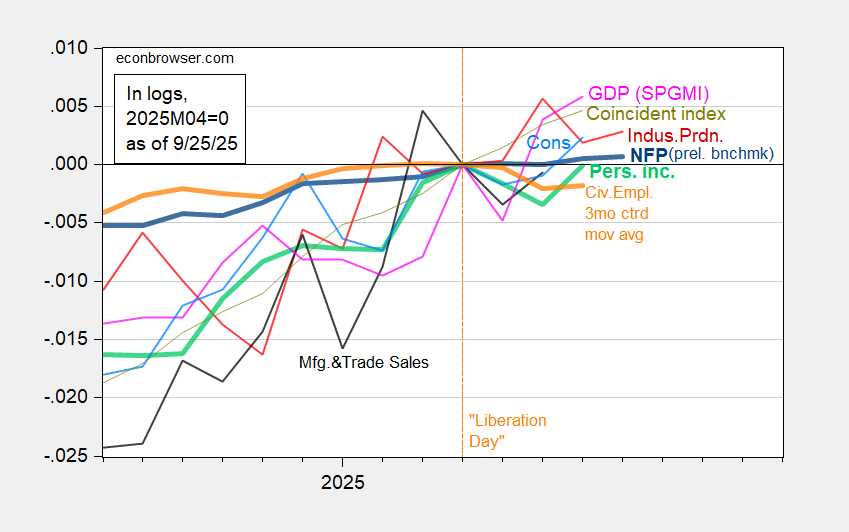
Menzie Chinn discusses employment trends, personal income stability, and economic indicators suggesting a slowdown in consumption and growth as of September 2025.
John Ruwitch discusses a new executive order facilitating a deal for U.S. investors to acquire a majority stake in TikTok, ensuring its continued operation in the U.S.