
2501. Jimmy Kimmel show is pulled by ABC after comments about the Charlie Kirk killing
The post discusses ABC's decision to pull the Jimmy Kimmel show after controversial comments related to a killing mentioned by Charlie Kirk.
your daily dose of economic commentary
The post discusses ABC's decision to pull the Jimmy Kimmel show after controversial comments related to a killing mentioned by Charlie Kirk.

Peter Jacobsen argues against government-run grocery stores, highlighting inefficiencies and lack of profit incentives compared to private businesses.
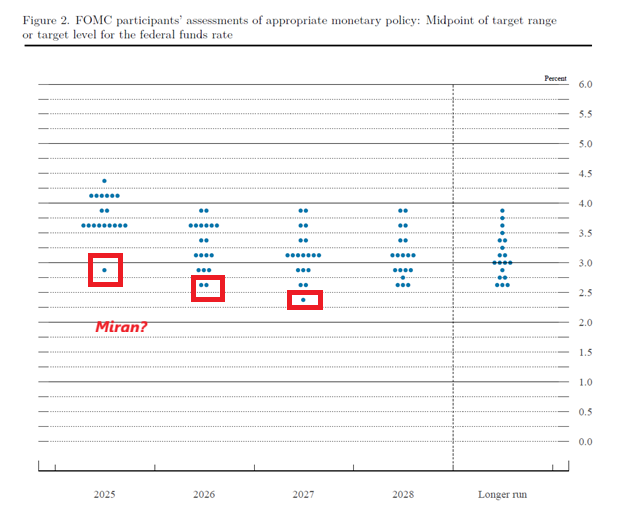
The post discusses the Federal Open Market Committee's decision to lower the Fed funds rate, highlighting dissenting opinions and contrasting growth forecasts.

Joe Hernandez discusses Jerry Greenfield's resignation from Ben & Jerry's due to conflicts with owner Unilever regarding corporate governance and decision-making.

Timothy Taylor discusses trends in global debt, highlighting shifts between public and private debt and the implications for economies like the US and China.

Kevin Corcoran explores preference falsification, its relationship with cancel culture, and how societal pressures affect free speech and public expression of beliefs.
Scott Cunningham discusses the identification conditions for causal effects using difference-in-differences, focusing on the distinction between unweighted and population weighted data.

Housing starts and building permits decreased in August, reflecting a decline in both single-family and multi-family construction compared to previous months and the previous year.

Bill McBride discusses a significant increase in mortgage applications, driven by lower rates and a weakening job market, according to the MBA's latest survey.
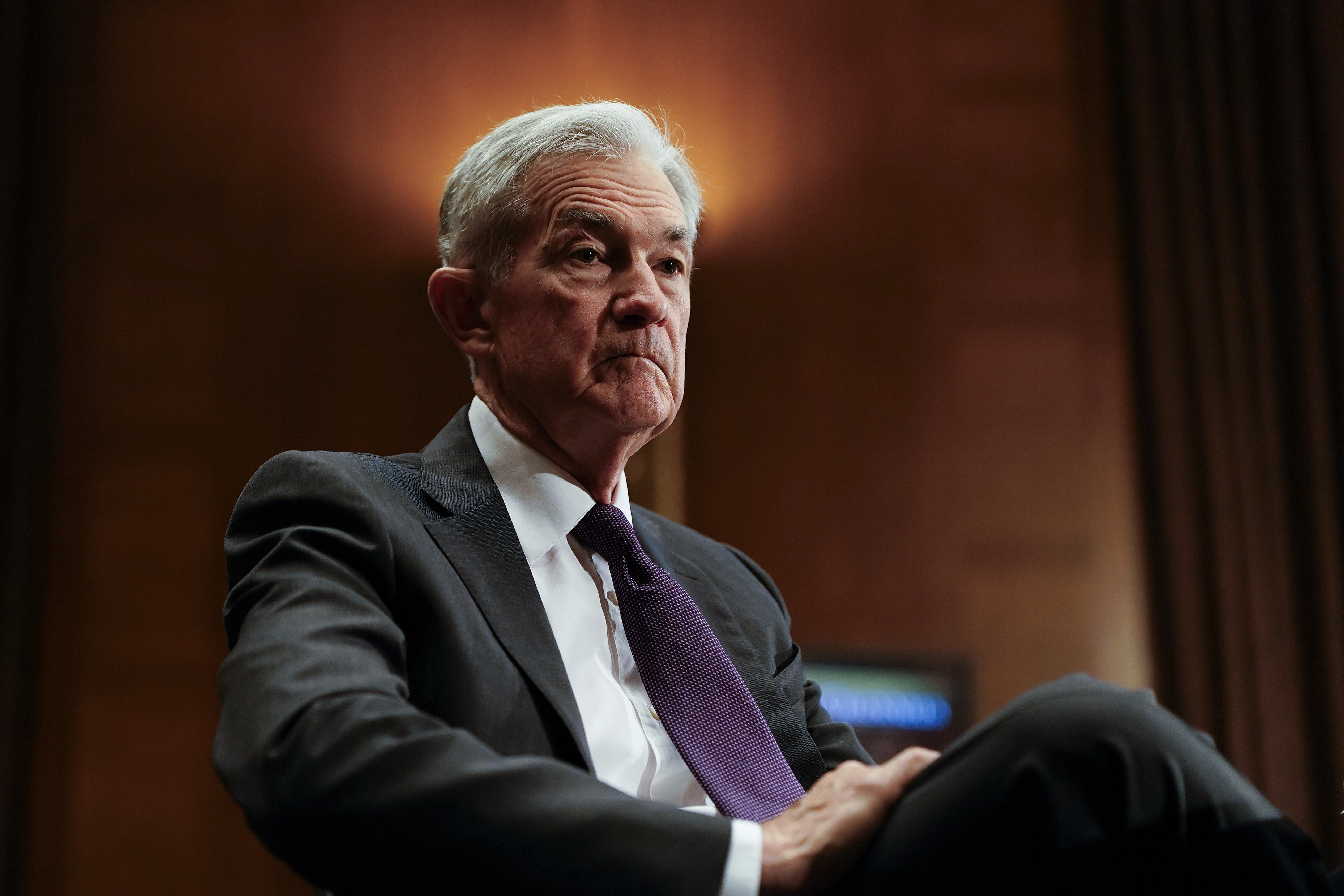
Scott Horsley discusses the Federal Reserve's likely interest rate cut due to pressure from Trump and concerns about the job market.

Noah Smith discusses the implications of public disorder on urban development and transit in America, highlighting the challenges posed by crime and mental health issues.
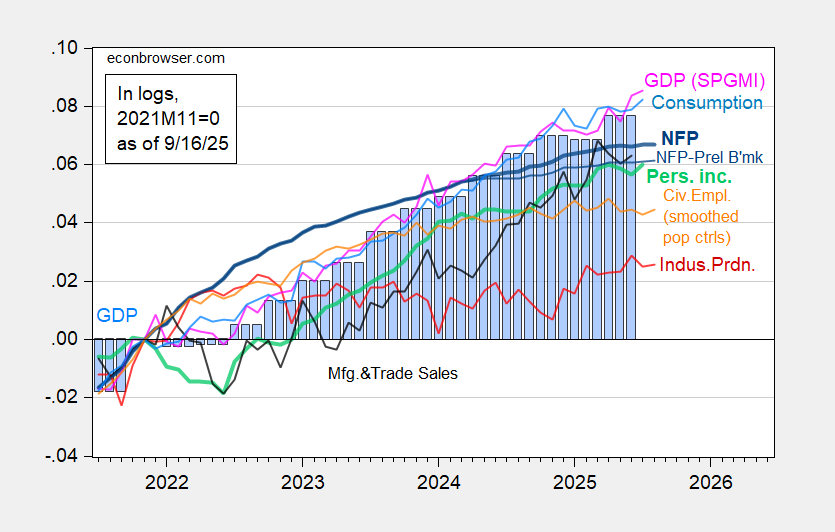
Menzie Chinn discusses various economic indicators, including industrial production and retail sales, highlighting trends and comparisons to consensus forecasts.
David Folkenflik discusses NPR's plan to cut $5 million from its budget as local public radio stations face financial difficulties.
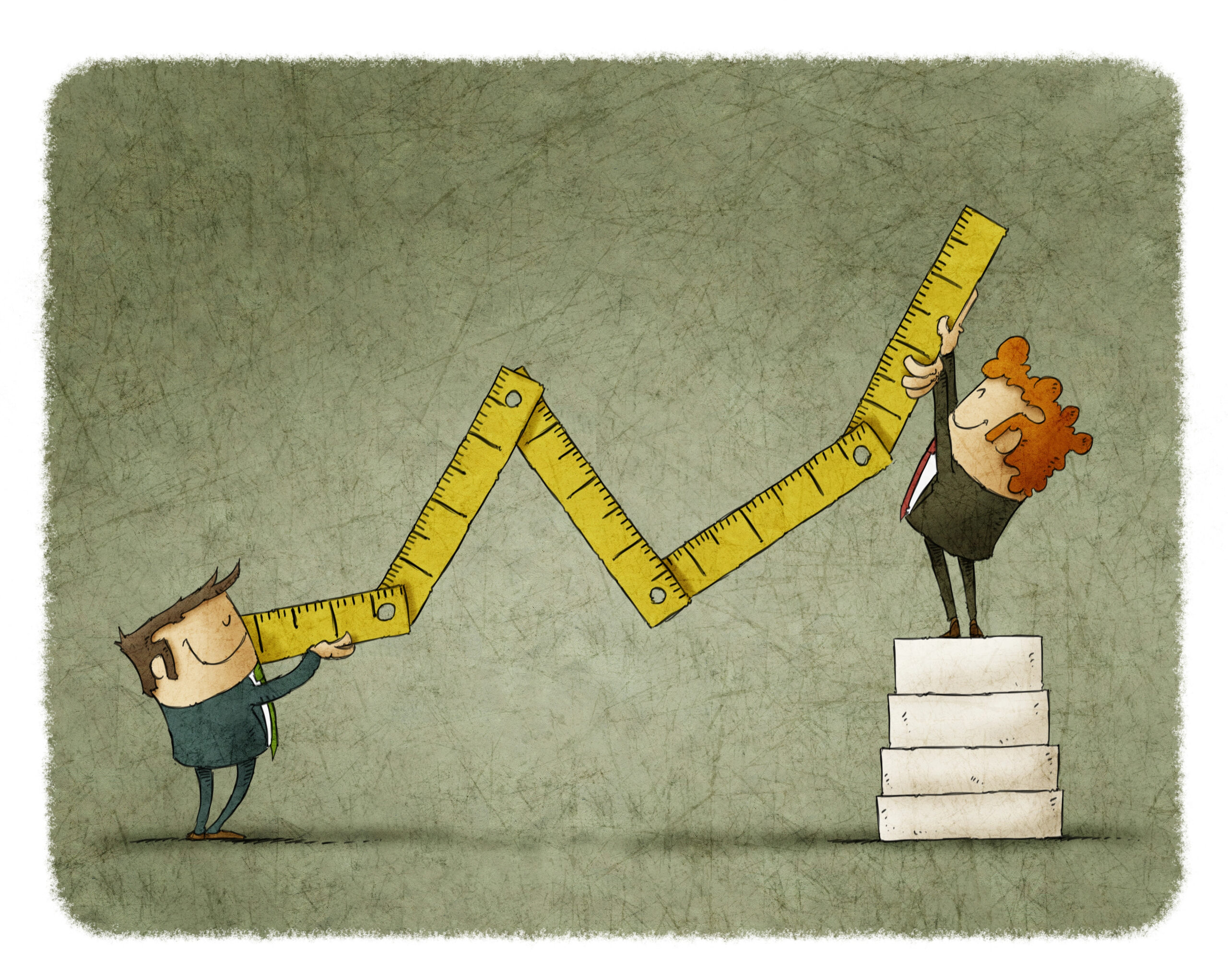
An argument that measurement tools like CPI and GDP can misrepresent economic realities, leading to misconceptions about inflation and growth, particularly in central planning contexts.
An argument that trade sanctions have increased significantly, affecting global trade, and exploring their economic impacts and political implications on foreign policy.

Bill McBride discusses the decline in imports and exports at LA ports, highlighting trends in container traffic and seasonal patterns affecting trade volumes.

The post highlights various stories illustrating economic principles and their implications, including public sentiment on capitalism and housing market dynamics in NYC.

A landmark $1.5 billion settlement raises crucial questions about copyright, compensation for authors, and the future of AI development amid evolving intellectual property laws.

Paul Krugman discusses Charlie Kirk's political actions and views on gender roles, linking them to broader societal changes and the implications for women in the workforce.

Builder confidence remains steady, but future sales expectations rise due to lower mortgage rates, despite ongoing challenges in the housing market and price reductions by builders.