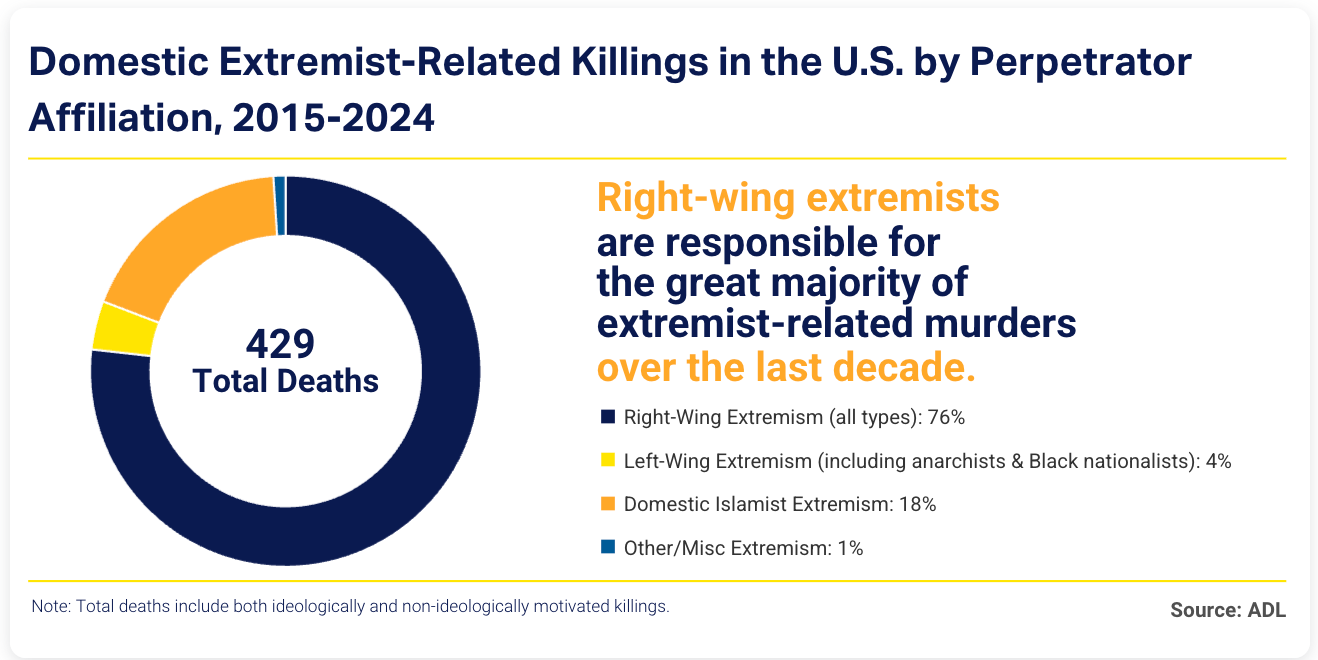
2561. Waving the Bloody Shirt
Paul Krugman discusses the implications of Charlie Kirk's assassination and critiques Trump's response, emphasizing the political context and the dangers of inciting violence.
your daily dose of economic commentary
Paul Krugman discusses the implications of Charlie Kirk's assassination and critiques Trump's response, emphasizing the political context and the dangers of inciting violence.

The post discusses projected cost-of-living adjustments and changes to the contribution base based on recent Consumer Price Index data and wage trends.

David Folkenflik discusses CBS's new owner, David Ellison, making changes to appease critics, especially those aligned with President Trump.

Rising health care costs are attributed to insurers, drug companies, and employers, impacting millions of Americans reliant on employer-sponsored plans.

Nate Silver discusses the QBERT NFL quarterback rating system, highlighting its methodology and early season performance of various quarterbacks.

Leonidas Zelmanovitz discusses the fiscal implications of the dollar's reserve status, arguing that U.S. fiscal deficits, not the dollar's role, create economic challenges.
An argument that the Nordic model achieves lower income inequality primarily through predistribution mechanisms rather than post-tax redistribution policies.

Accessible hotel rooms for wheelchair users are discussed, inviting experiences of those who faced issues with such accommodations.

The post discusses the mixed reactions online following the assassination of a conservative figure, highlighting both grief and political blame directed at the left.

An argument that state discrimination undermines the rule of law and individual liberty, emphasizing the importance of non-discrimination principles in governance and society.

Bill McBride discusses the Federal Reserve's Q2 2025 report, highlighting a $7.1 trillion increase in household net worth and changes in debt and asset values.

Laurel Wamsley discusses the surge in home mortgage demand following a significant drop in interest rates.

Alex Tabarrok discusses Britain's costly efforts to abolish slavery, including compensation to slaveowners and the Royal Navy's anti-slavery patrols, highlighting the moral and economic implications.
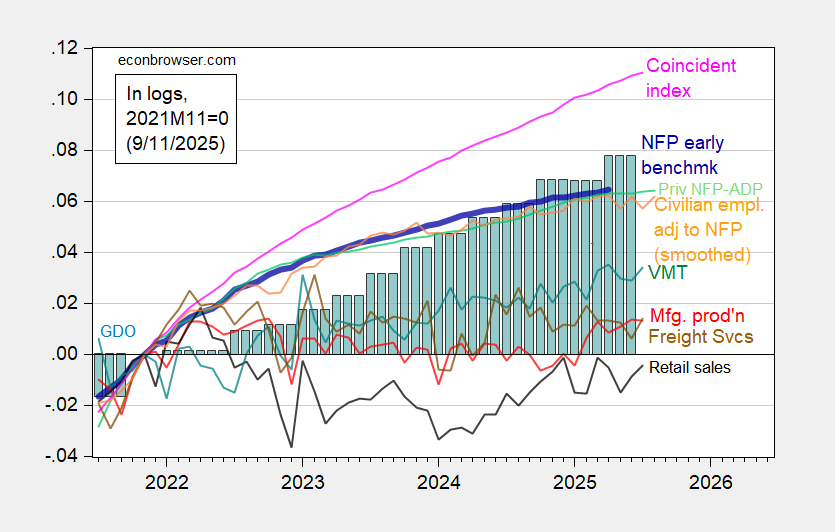
Menzie Chinn analyzes various alternative indicators of business cycles, focusing on transportation services, employment, and heavy truck sales trends.
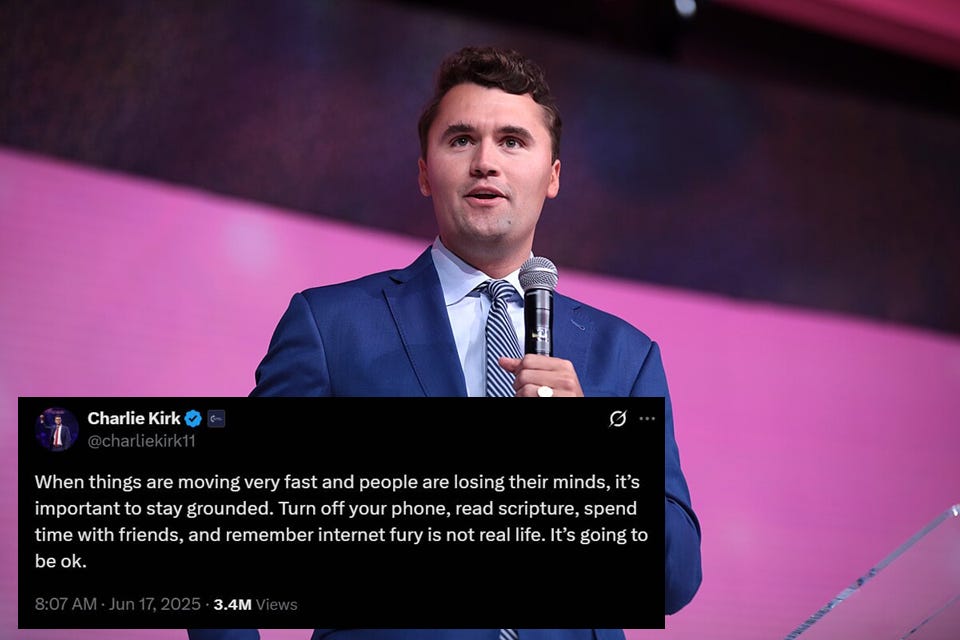
An argument that the political climate encourages violence, cautioning against assumptions about motives and the dangers of inflammatory rhetoric from both sides of the political spectrum.

Inflation increased in August, driven by higher prices for gasoline and groceries, with consumer prices rising 2.9% over the past year.

The post presents various year-over-year inflation measures for services, goods, and shelter, highlighting trends and changes in prices through August 2025.

David Folkenflik discusses NPR's appointment of Thomas Evans as news chief amid changes due to the end of federal funding for public media.

Robert Vienneau discusses the challenges of achieving societal harmony in the face of intolerance and inequality, emphasizing the need for a tolerant society to defend itself.

More than 300 South Korean workers detained for illegal employment in the U.S. are being repatriated on a chartered flight from Atlanta.