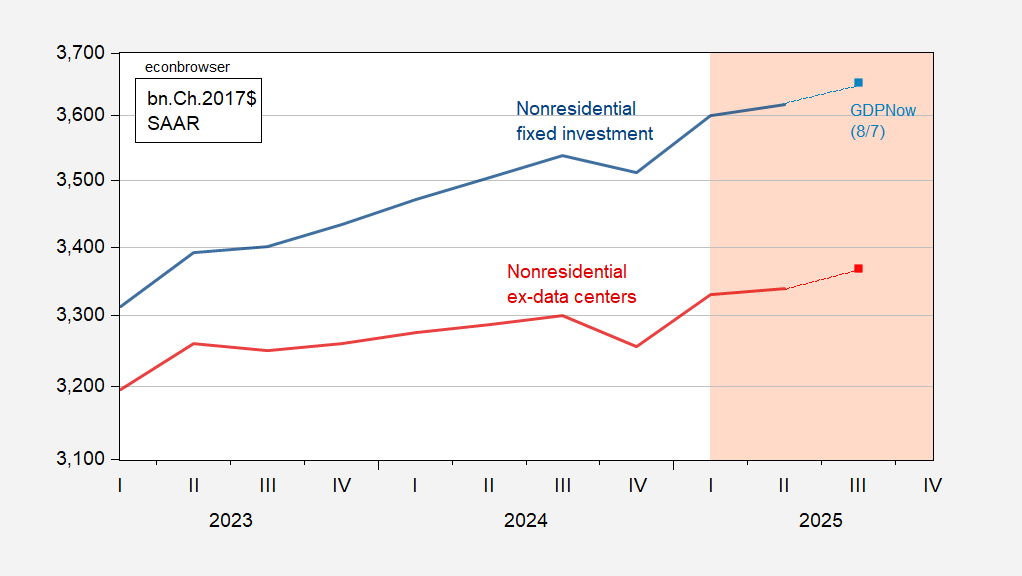
2961. Banking on Data Center Investment
Menzie Chinn discusses the importance of sustained capital expenditure investment in data centers and its implications for economic growth.
your daily dose of economic commentary
Menzie Chinn discusses the importance of sustained capital expenditure investment in data centers and its implications for economic growth.

The post discusses mortgage rates, the significance of upcoming inflation reports, and their potential impact on interest rates and market expectations.
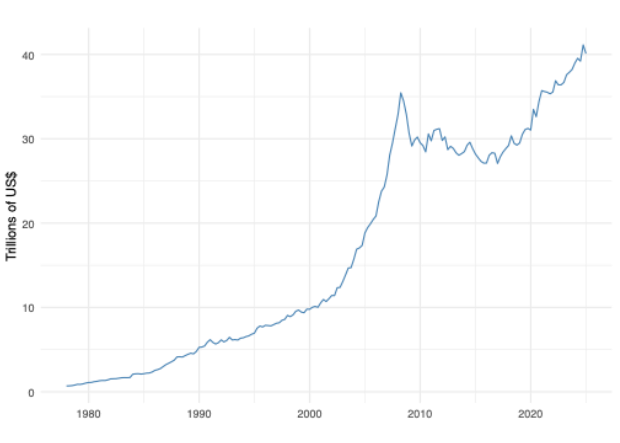
An argument that explores the viability of cryptocurrencies, their economic functions, and their political implications within the context of global finance and state sovereignty.

Camila Domonoske discusses Ford's plans to produce a more affordable electric pickup truck to compete with Chinese manufacturers.
Timothy Taylor discusses Nathaniel Hawthorne's critique of iron stoves, arguing they diminish social interactions and the warmth of domestic life compared to traditional fireplaces.
Bill McBride discusses the potential for a future financial crisis driven by poorly regulated areas of finance, particularly cryptocurrency, and warns against its integration into the financial system.

An argument that Nvidia will provide a portion of its chip sales to China in exchange for reduced export restrictions from the U.S. government.

Bill McBride discusses the cooling trend in home prices, highlighting the impact of mortgage rates and inventory on the real estate market.

The post examines how the Gen Z stare may negatively impact job prospects due to misinterpretations of emotional neutrality in professional settings.
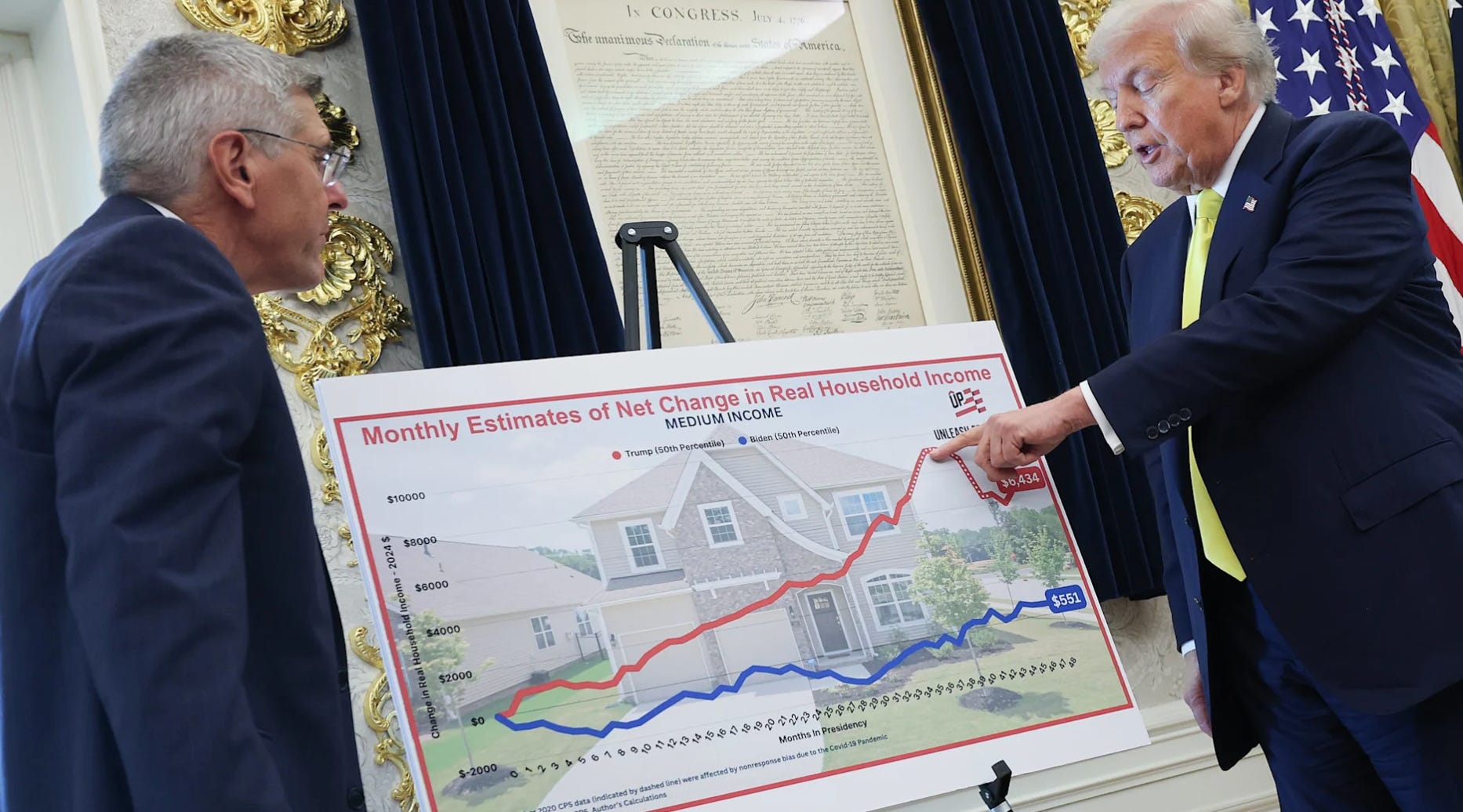
An argument that incompetence in economic reporting reflects a political strategy that values loyalty over accuracy within certain political movements.

Active single-family housing inventory decreased slightly week-over-week but remains significantly higher than seasonal lows, with comparisons to previous years indicating trends in the market.

Andrea Hsu discusses the impact of immigration policy changes on factories and the remaining immigrant workers who feel overwhelmed by increased demands.

An argument that the revenue from tariffs under Trump has increased significantly, yet remains a small part of total government income and does not cover new spending.
Tyler Cowen discusses Samuel Scheffler's critique of time neutrality, exploring its implications for personal and social decision-making in philosophy.

The post recommends three books suitable for beach reading, incorporating elements of economic learning and social media's impact on language.
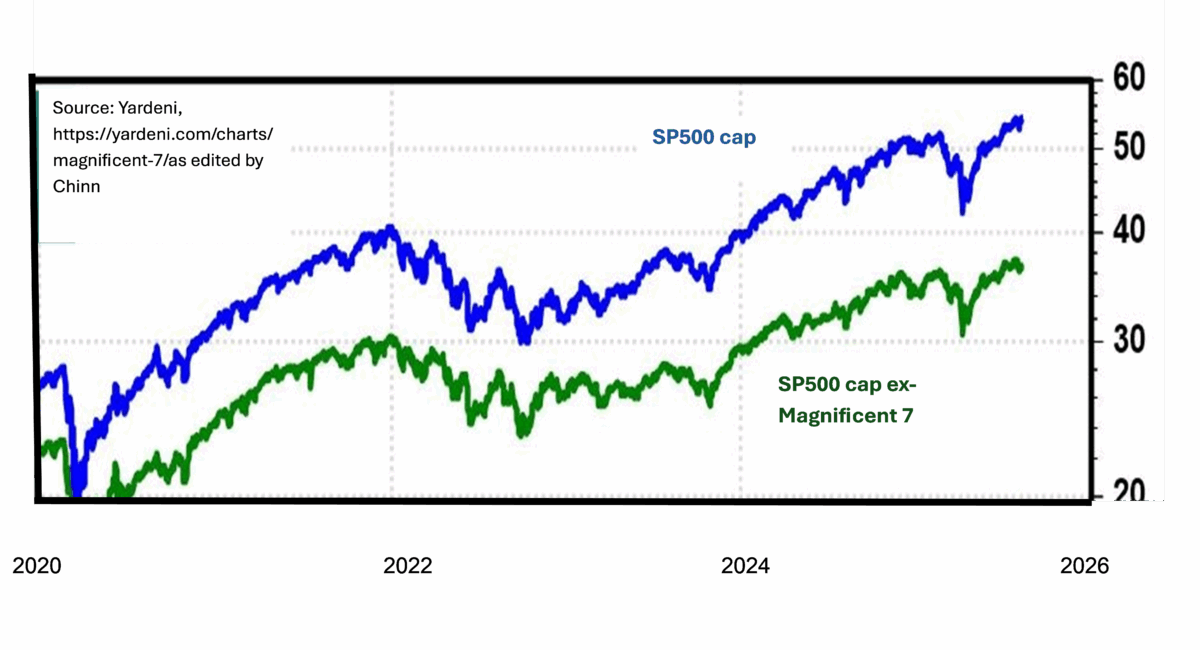
The post analyzes SP500 market capitalization excluding top tech stocks, assessing economic performance and durability amid inflation and interest rate changes.

Scott Cunningham explores the potential mental health impacts of LLMs like ChatGPT and Claude, comparing their functionalities and implications for coding and self-medication.

The post reviews various articles discussing child supervision laws, the effects of guaranteed income, economic myths, and the implications of tariffs on trade.

Paul Krugman discusses the economic implications of Trump's tariffs, framing them as class warfare that disproportionately affects lower-income Americans.

The discussion centers on who will benefit financially from the AI boom, examining potential profits for various companies and the implications for economic inequality.