
3081. Construction Spending Decreased 0.4% in June
Bill McBride discusses a decrease in overall construction spending in June 2025, highlighting trends in private and public construction expenditures.
your daily dose of economic commentary
Bill McBride discusses a decrease in overall construction spending in June 2025, highlighting trends in private and public construction expenditures.

The discussion focuses on the various ways AI is utilized in the workplace, highlighting its positive and negative aspects.
Alex Tabarrok discusses the economic and social implications of India's government job preparation culture, highlighting its inefficiencies and the disillusionment of educated youth.

An argument that Trump's tariffs on Brazil reflect his misunderstanding of trade power and legality, revealing delusions about the effectiveness of his trade policies.
The post discusses a decrease in the ISM manufacturing index, indicating ongoing contraction in the manufacturing sector and highlighting various related economic indicators.
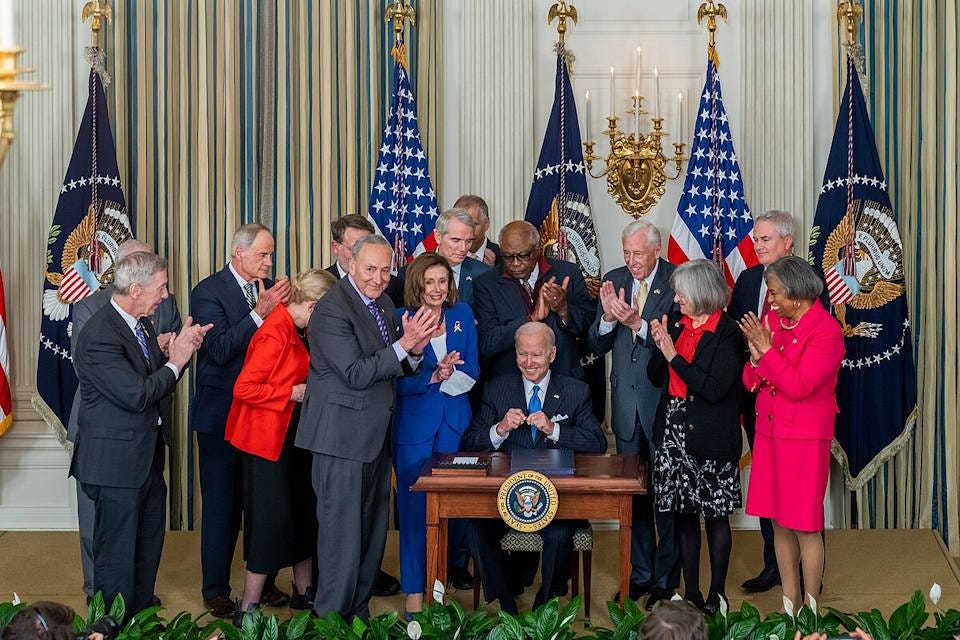
An argument that explores the declining favorability of Democrats compared to Republicans, attributing it to dissatisfaction among leftists and broader public trust in GOP on key issues.

Rafael Nam discusses the stock market decline following Trump's announcement of new tariffs and the implications of a disappointing jobs report on the economy.

The July employment report revealed disappointing job numbers, declining participation rates, and rising unemployment, indicating a weak labor market overall.
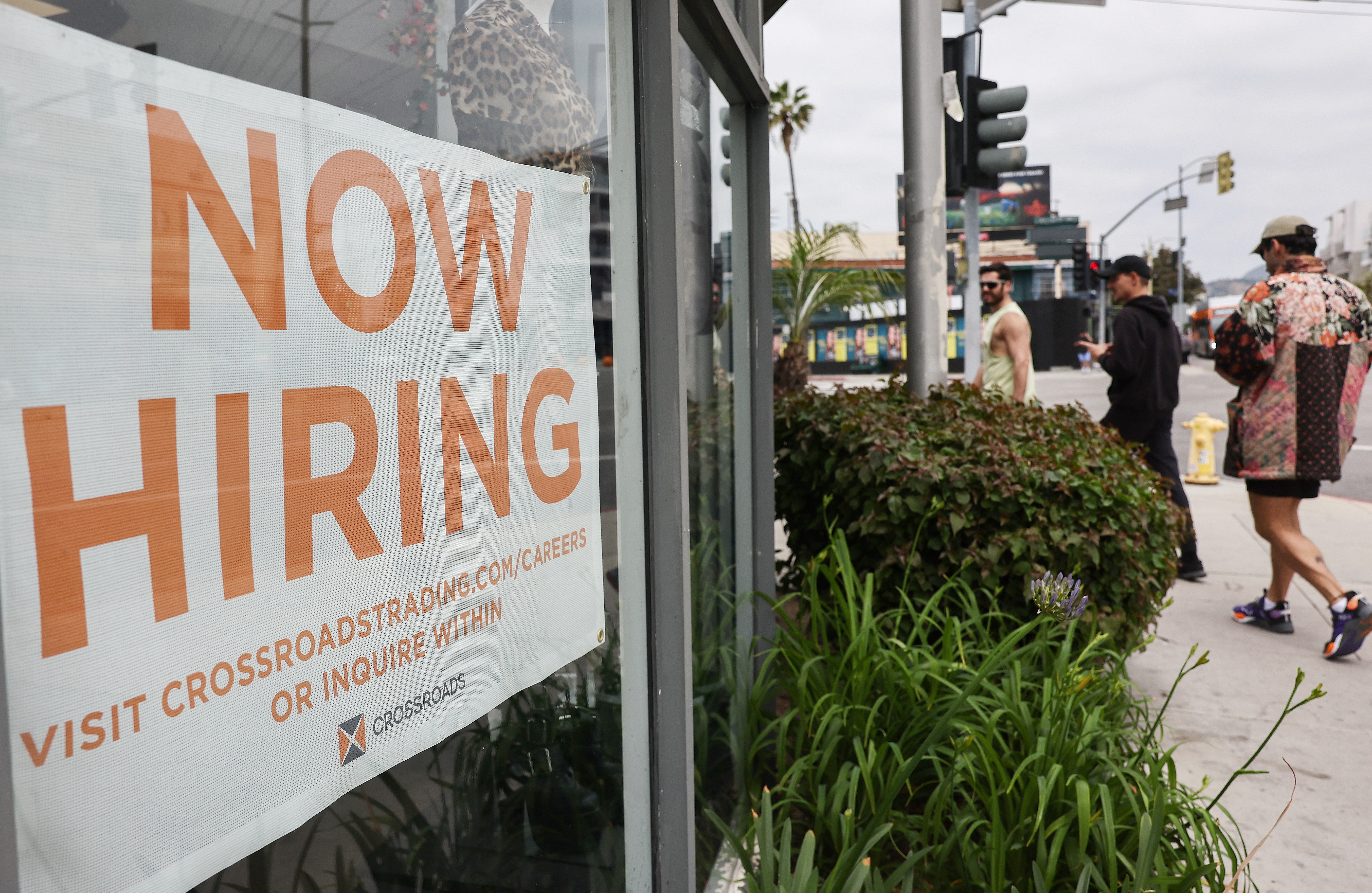
Scott Horsley discusses the weakening job market and rising unemployment as a consequence of Trump's tariffs.

Bill McBride discusses the July employment report, highlighting job changes, unemployment rates, and revisions to previous months' data.
New tariff rates affecting over 65 countries are introduced, while a significant number of rabbis condemn the humanitarian crisis in Gaza.
Menzie Chinn discusses Donald Trump's criticisms of the Federal Reserve and the implications for central bank independence and monetary policy.

The discussion focuses on the importance of clear and effective regulations in a market economy, particularly regarding plastics pollution and its implications for value creation.

Emily Kwong discusses the impact of climate change on cocoa production and its implications for chocolate prices and availability.
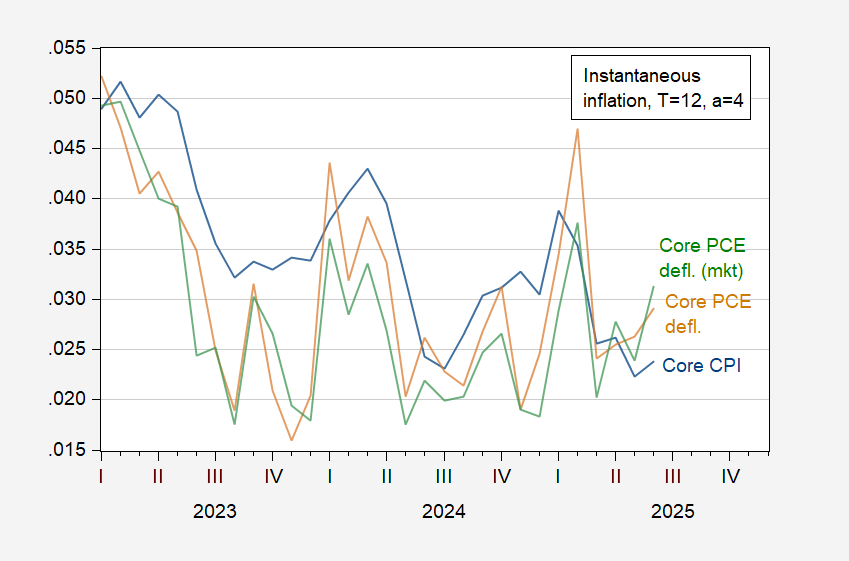
An argument that core inflation rates are increasing, highlighting differences in inflation experiences across income levels and comparing various inflation measures.

Kevin Corcoran analyzes Musa al-Gharbi's concept of "analytic egalitarianism" and critiques the asymmetrical treatment of social behaviors based on identity groups.

New tariff rates have been announced for various countries, with a delay in implementation and specific rates for goods from Canada starting August 1.
David Henderson discusses Joshua Rauh's testimony on the relationship between federal spending, tax revenue, economic growth, and deficits, emphasizing the need for spending restraint.

Glenn Kessler discusses his departure from The Washington Post and reflects on the importance of fact-checking in a climate of misinformation.
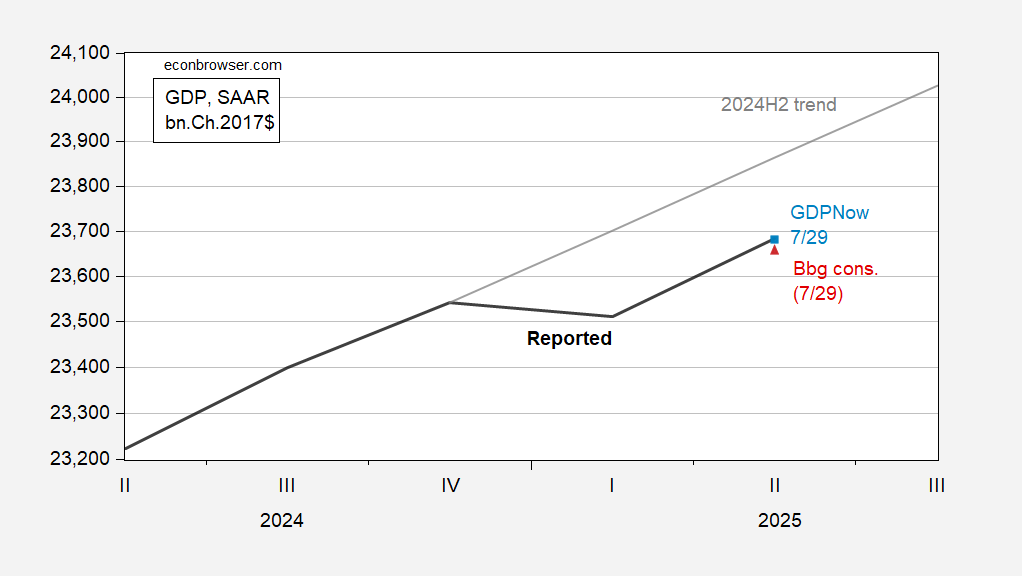
Menzie Chinn analyzes GDP growth and key economic indicators, emphasizing the importance of private domestic purchases and discussing trends in economic activity as of July 2023.