3281. Naveen Nvn’s ideological migration (from my email)
The author reflects on their ideological shift from liberalism to conservatism, influenced by experiences with campus culture and academic freedom debates.
your daily dose of economic commentary
The author reflects on their ideological shift from liberalism to conservatism, influenced by experiences with campus culture and academic freedom debates.

The discussion centers on banking regulation, financial crises, and the evolution of policies like Glass-Steagall and Dodd-Frank, featuring insights from an experienced economist.

Mandalit del Barco discusses CBS's confirmation of the cancellation of "The Late Show with Stephen Colbert" due to financial reasons.

Scott Sumner analyzes the disparity between GDP per capita and perceived living standards in the US and Canada, focusing on healthcare, military spending, and crime rates.

The Associated Press reports on a settlement reached in a lawsuit involving Meta CEO Mark Zuckerberg and other company leaders regarding investor claims.

The post discusses the passage of significant crypto legislation in the U.S., highlighting its implications for the crypto industry and political figures involved.

Scott Cunningham explores the reliability of LLMs in assessing literary quality through experimental feedback from AI models on his poetry.

Bill McBride discusses the decline in container traffic at LA ports, highlighting its implications for trade and seasonal patterns in imports and exports.
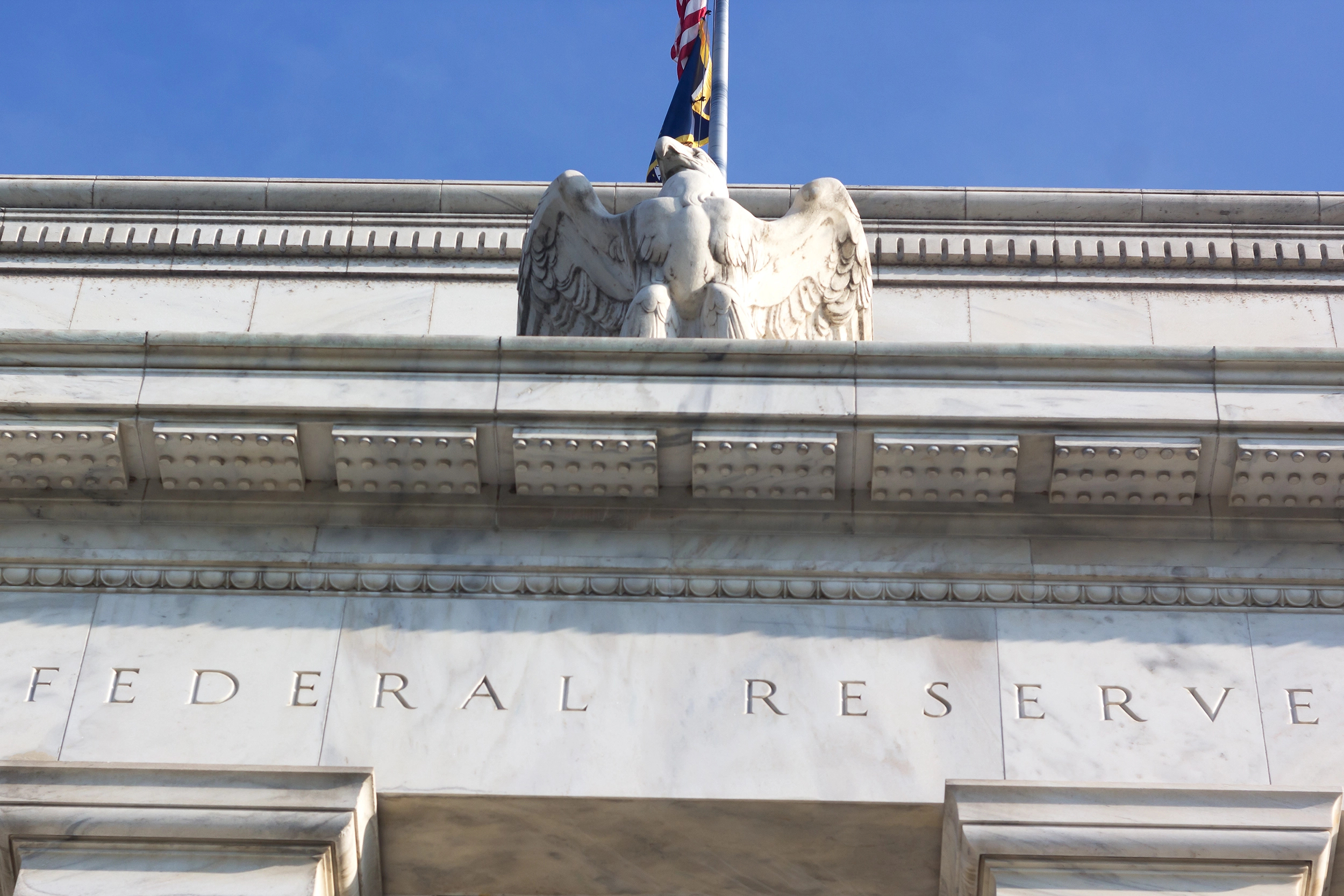
An argument that political pressure on the Federal Reserve could undermine its independence, affecting economic performance, but presidential influence over monetary policy is limited.

Terry Gross discusses Michael Grynbaum's exploration of Condé Nast's rise and decline as a cultural force through its influential publications.
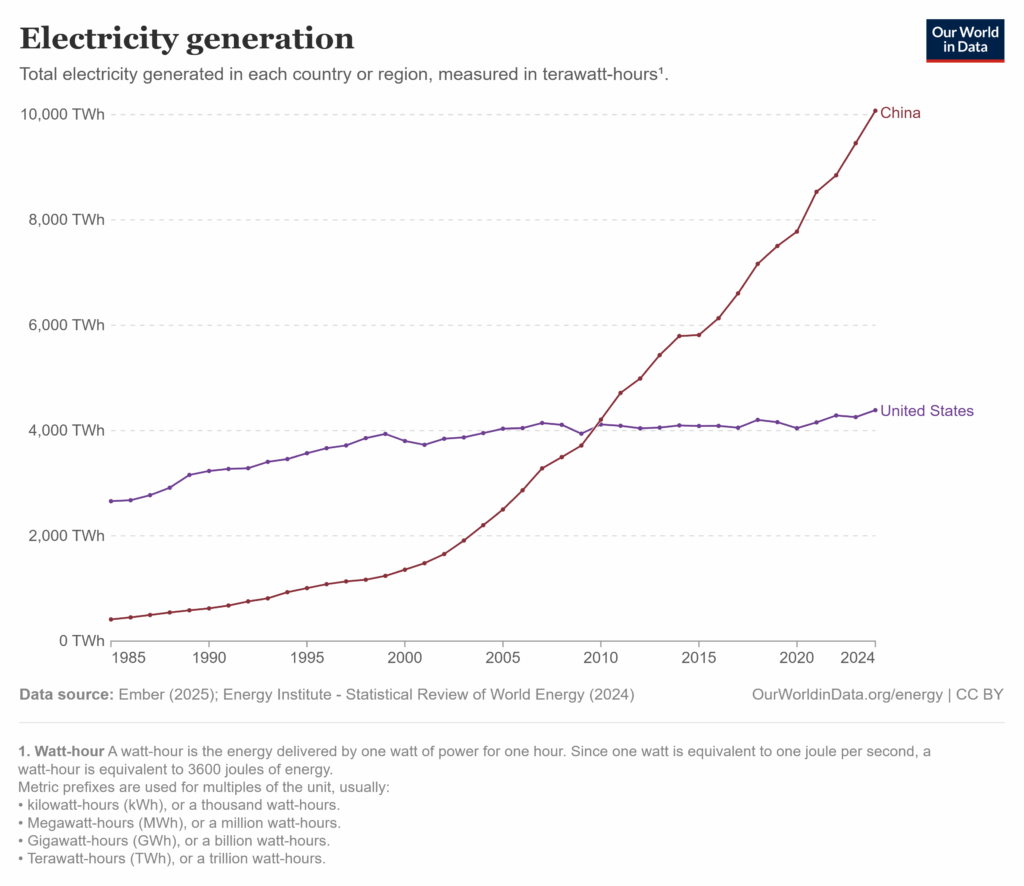
Alex Tabarrok discusses the contrasting U.S. responses to the Sputnik and DeepSeek moments, attributing differences to the rise of zero-sum thinking and changing political dynamics.

An argument that AI is perceived as a left-leaning technology by conservatives, while discussing the political implications of this view and its relation to economic issues.

Bill McBride discusses the slight increase in builder confidence for July, despite ongoing economic challenges and negative sentiment in the housing market for over a year.

Bill McBride discusses the increase in retail sales for June, highlighting monthly and year-over-year changes based on Census Bureau data.
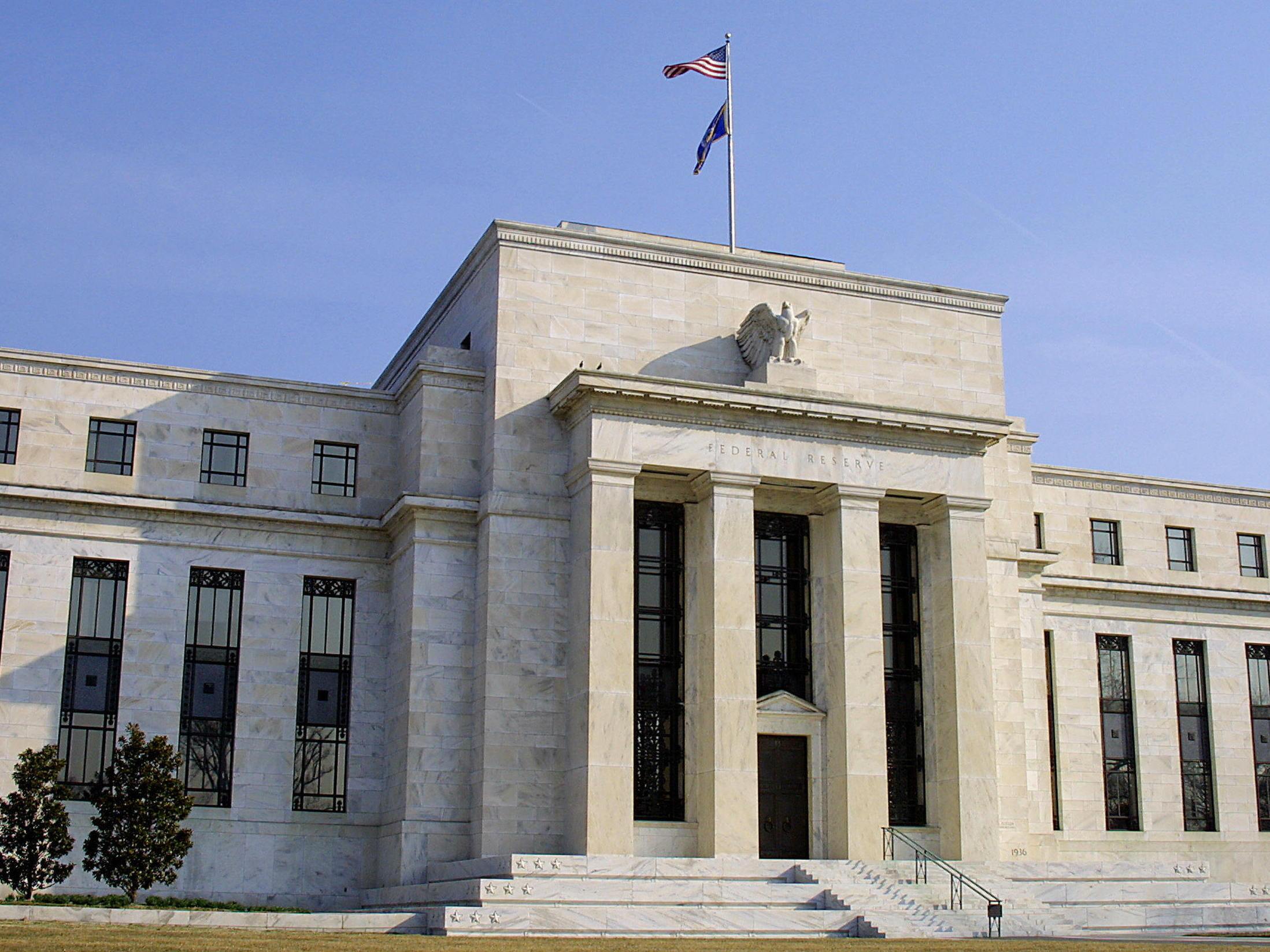
Steve Inskeep discusses Loretta Mester's views on the necessity of an independent Federal Reserve free from fiscal political interference.

Residents in Virginia express growing opposition to the proliferation of data centers in their communities, raising concerns about environmental and social impacts.

Wailin Wong explores the legal complexities of cosplay and intellectual property, highlighting the balance between creative expression and corporate rights.

Nate Silver analyzes NBA teams' future championship potential, considering roster changes and decision-making processes affecting their long-term success.

An argument that resource savings diminish with increased usage, illustrated through Dixie cups and CAFE standards, emphasizing the importance of marginal thinking in economics.

The discussion centers on the impact of tariffs on American consumers, highlighting how these taxes affect prices and the economy.