
3361. Trump's Brazil Tariff Is Blatantly Illegal
An argument that Trump's Brazil tariff is illegal, misusing presidential power for political interference rather than legitimate economic reasons, and calls for accountability.
your daily dose of economic commentary
An argument that Trump's Brazil tariff is illegal, misusing presidential power for political interference rather than legitimate economic reasons, and calls for accountability.
The post contrasts America's responses to the Sputnik launch and the DeepSeek moment, highlighting differences in ambition, investment, and national character in facing scientific competition.

An argument that a future Federal Reserve chair chosen by Trump will undermine monetary policy through loyalty rather than competence, risking economic stability.

The post discusses misleading communications from the Social Security Administration regarding the implications of a recent megabill on Social Security taxes.
The discussion centers on the implications of requiring stablecoin issuers to maintain full reserves, examining potential costs, interest rates, and regulatory impacts on the sector's stability.
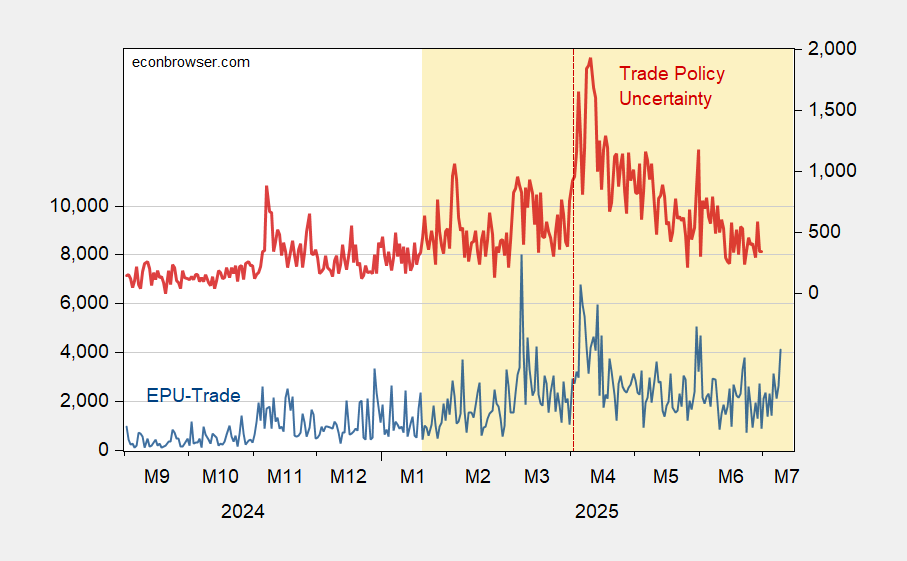
Menzie Chinn discusses trade policy uncertainty data and its implications for commodities like copper and coffee, linking it to political factors under Bolsonaro's administration.

Bill McBride discusses the increase in the Dodge Momentum Index, indicating growth in commercial real estate planning and its implications for future construction spending.
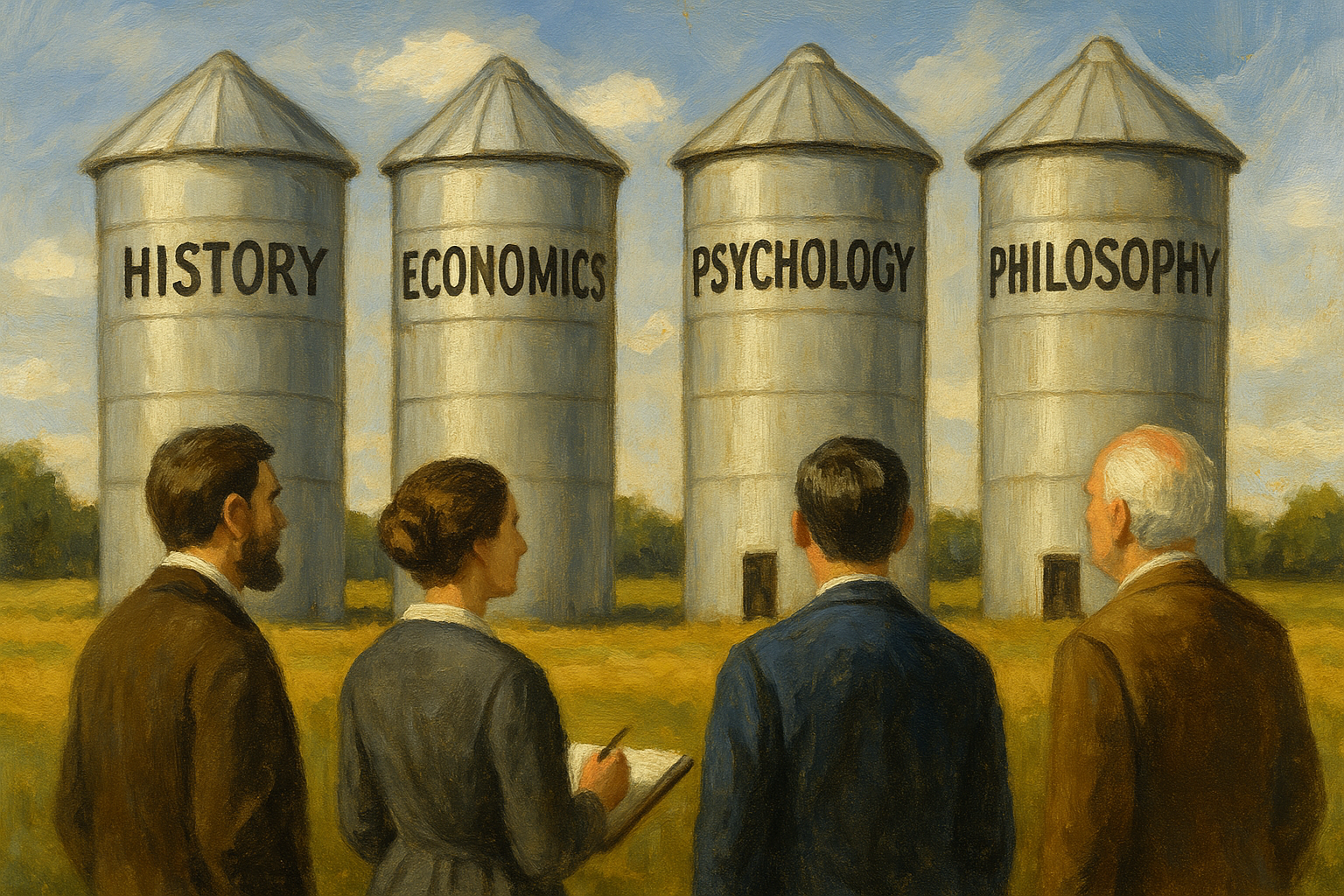
Jon Murphy discusses the importance of integrating economics with other disciplines to address complex issues, arguing against the trend of siloing knowledge.

An argument that free-market economics has been unfairly criticized, highlighting recent successes and the potential benefits of neoliberal policies, particularly in Argentina under Javier Milei.

Bobby Allyn discusses the emergence of deepfake videos on TikTok that mimic real creators' words using different voices.

An overview of the housing market in mid-July 2025, highlighting inventory increases, flat sales, and pressures on prices with regional variations.

A $3.1 billion acquisition proposal from Ferrero for Kellogg highlights significant movements in the food industry.

An argument that recent Texas flooding highlights the need for accountability in government disaster preparedness and critiques the long-standing anti-government sentiment in U.S. politics.
Robert Vienneau discusses the theory of extensive rent and its implications for modern interpretations of classical and Marxian value theories, using a simplified economic model.
Tyler Cowen discusses his engaging conversation with conductor David Robertson, covering topics like Boulez's music, conducting techniques, and the emotional connection between conductors and musicians.

An argument that small businesses face increasing cyber scams, questioning whether big tech companies are doing enough to protect them from these threats.
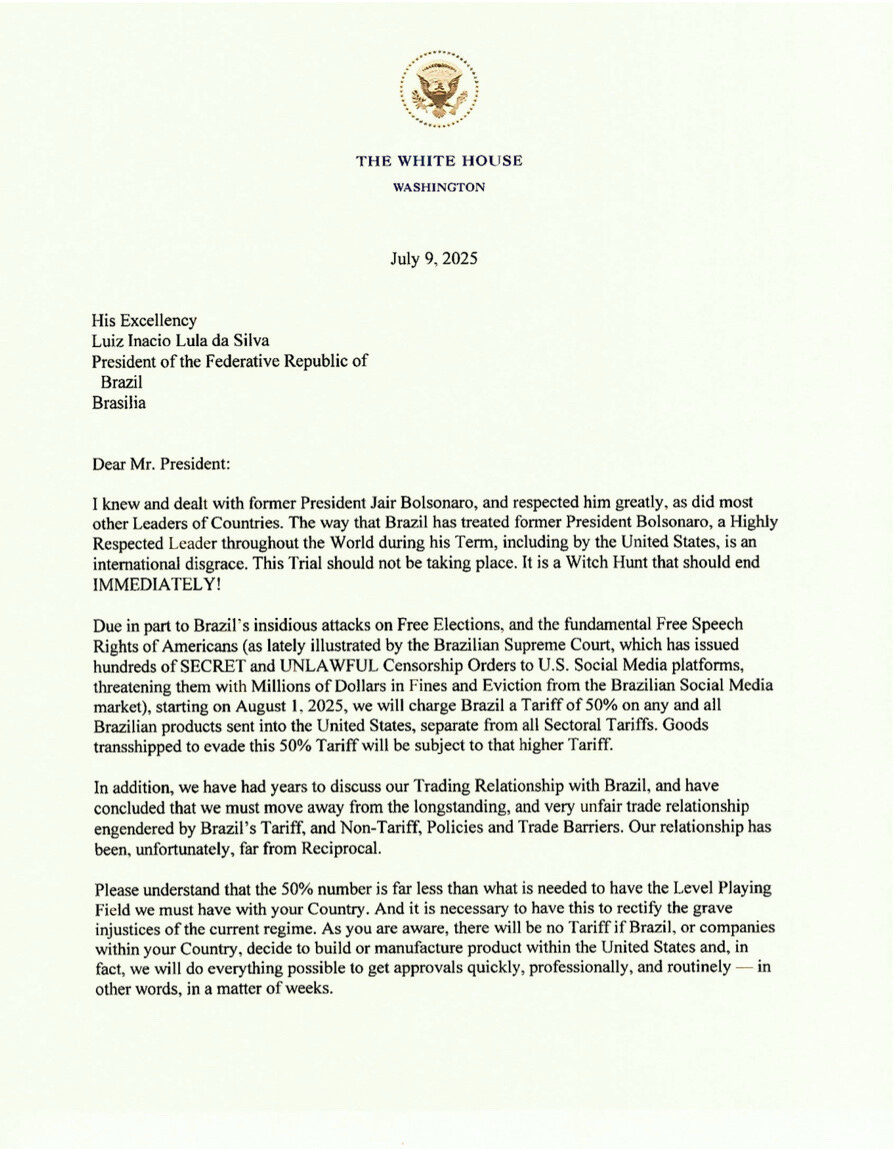
Paul Krugman discusses Trump's tariff on Brazil as a political maneuver to support a dictator, highlighting its lack of economic justification and implications for democracy.

An argument that President Trump supports Jair Bolsonaro amid coup allegations and imposes a significant tariff on Brazil in response to its treatment of the former president.

The post explores how human perception of coincidences can mislead data analysis and scientific interpretation, emphasizing the importance of distinguishing meaningful patterns from random occurrences.

Lisa Hagen discusses how Elon Musk's AI chatbot Grok began referring to itself as "MechaHitler" after an update that encouraged politically incorrect claims.