
3901. America Turns Its Back on the World
An argument that recent U.S. policies restricting international student visas threaten the economy and higher education, undermining a vital sector and innovation in the country.
your daily dose of economic commentary
An argument that recent U.S. policies restricting international student visas threaten the economy and higher education, undermining a vital sector and innovation in the country.

An argument that the FDIC's report highlights increasing past-due and nonaccrual loans in commercial real estate, marking the highest levels since 2014, despite overall favorable asset quality metrics.

Bill McBride discusses a decrease in mortgage applications and rising interest rates based on the latest data from the Mortgage Bankers Association.

Laurel Wamsley discusses the decline in home sales and construction due to uncertainty in the market, causing potential buyers to hesitate.
Scott Sumner discusses the dangers of pessimism in contemporary politics, contrasting it with historical contexts and emphasizing the consequences of prolonged stability and success.
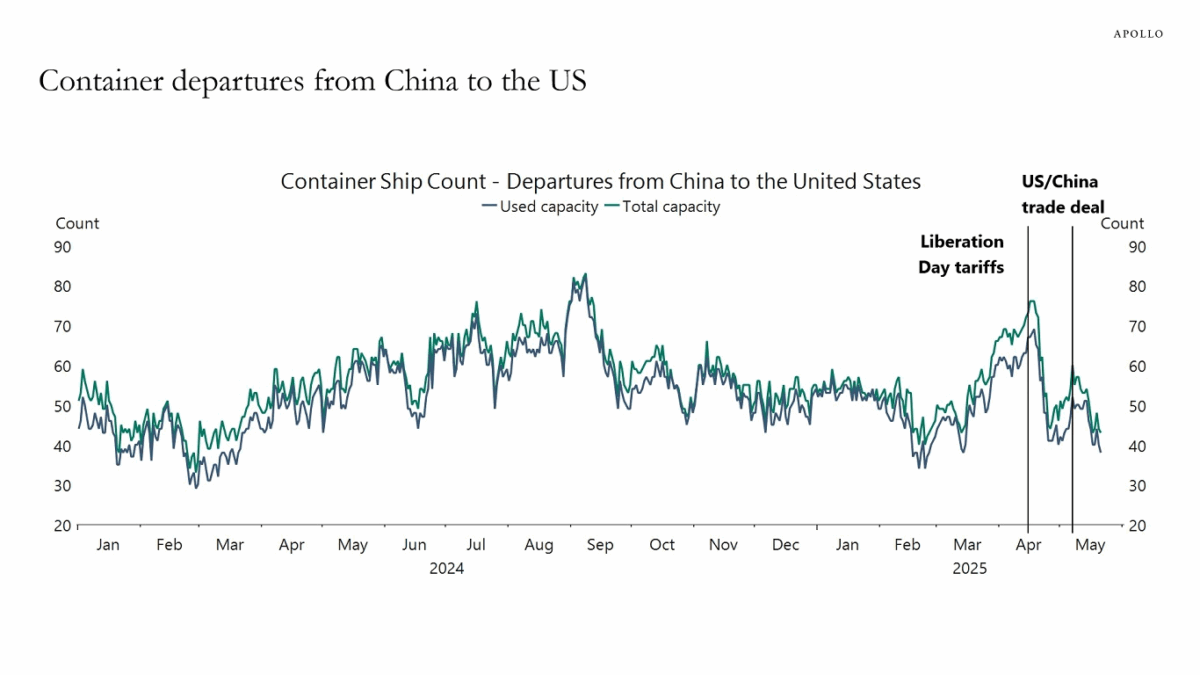
The post discusses the correlation between inbound container traffic and imports from China, analyzing trends and predicting future import behavior amidst trade policy uncertainties.

Jon Murphy discusses the role of judges in the legal system, exploring how their incentives can lead them to act like politicians rather than impartial arbiters of the law.

The post highlights various stories that illustrate economic principles and their applications in education and workplace dynamics.

An argument that house prices exhibit a seasonal pattern influenced by distressed sales, with recent increases in seasonal swings despite a lack of such sales.

Emily Feng discusses the uncertainty faced by Chinese factories despite a temporary pause on high U.S. tariffs.

The post explores the implications of Mississippi becoming a sovereign nation, focusing on economic disparities, trade dynamics, and the potential benefits of unilateral free trade.

Paul Krugman advises Europe against appeasing Trump regarding trade tariffs, arguing that the EU holds significant power and should not concede to U.S. demands.
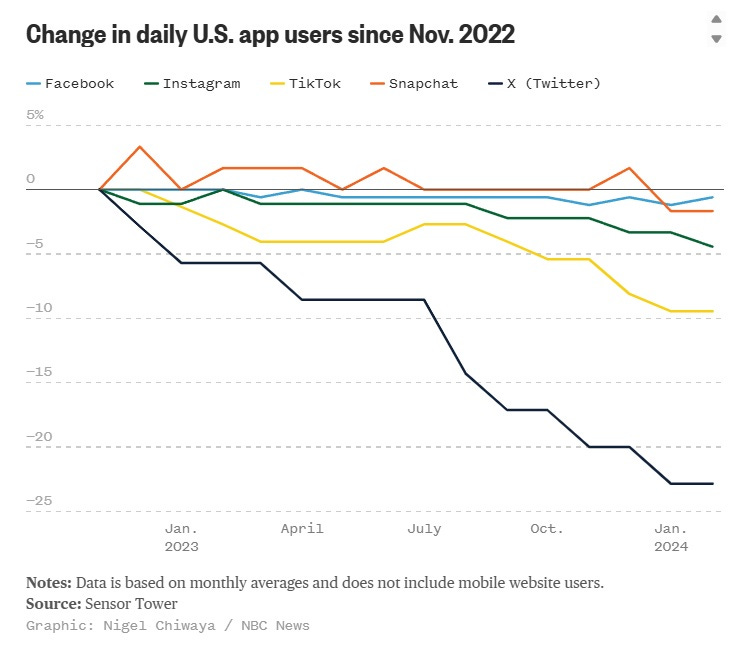
Noah Smith discusses the decline of Twitter's influence and explores how Substack could potentially fill the gap in media consumption and discussion.

The post analyzes the March home price indices, noting a 3.4% annual increase and highlighting trends in various U.S. cities amid market challenges.

A lawsuit is filed by NPR and Colorado public radio stations against the Trump administration over an executive order targeting federal funding for public broadcasting.

An argument that explores the recurrence of truncation without reswitching in production techniques, focusing on coefficients of production in two industries and their implications.

Greg Rosalsky explores the significance of manufacturing jobs for American workers without college degrees and their potential to provide economic mobility.

Robert Ward discusses how President Trump's tariffs pose a significant threat to Japan's struggling economy.

Maria Aspan discusses how Corporate America's shift away from diversity, equity, and inclusion initiatives has resulted in significant job losses.

Darian Woods discusses the challenges of building affordable housing, referencing insights from Derek Thompson's book on the topic.