
3981. A Liz Truss Moment for America?
The post discusses the potential economic consequences of proposed tax cuts and social program cuts in the U.S., drawing parallels to the UK's recent fiscal turmoil under Liz Truss.
your daily dose of economic commentary
The post discusses the potential economic consequences of proposed tax cuts and social program cuts in the U.S., drawing parallels to the UK's recent fiscal turmoil under Liz Truss.

Retailers are struggling to manage rising costs from tariffs while also navigating political pressures from the administration.

Bill McBride discusses a 5.1% decrease in mortgage applications, highlighting rising rates and inflation concerns affecting the market.

Laurel Wamsley discusses the rise of flat-fee brokers as a cost-effective alternative to traditional real estate agent commissions.

A competition between China and the U.S. is shaping the development of next-generation battery technologies for electric vehicles.
The author reviews various books, discussing their themes and relevance, ranging from thrillers to political writings, without a strong personal stance on the issues.

David Henderson discusses libertarian views on self-ownership limits, particularly regarding age and mental capacity in decision-making for surgeries and substance use.

Menzie Chinn discusses the Federal Reserve's strategy review and evaluates monetary policy rules, focusing on employment shortfalls and inflation targeting methods.

An argument that the current U.S. economy presents challenges such as rising costs, student loan repayments, and inflation, complicating financial management for many Americans.

Elizabeth Blair discusses how major newspapers published a summer reading list featuring AI-generated books attributed to famous authors.

An argument that extreme cases complicate principles in economics and ethics, highlighting the challenges of interpersonal utility comparisons and the implications for public goods in anarchy.
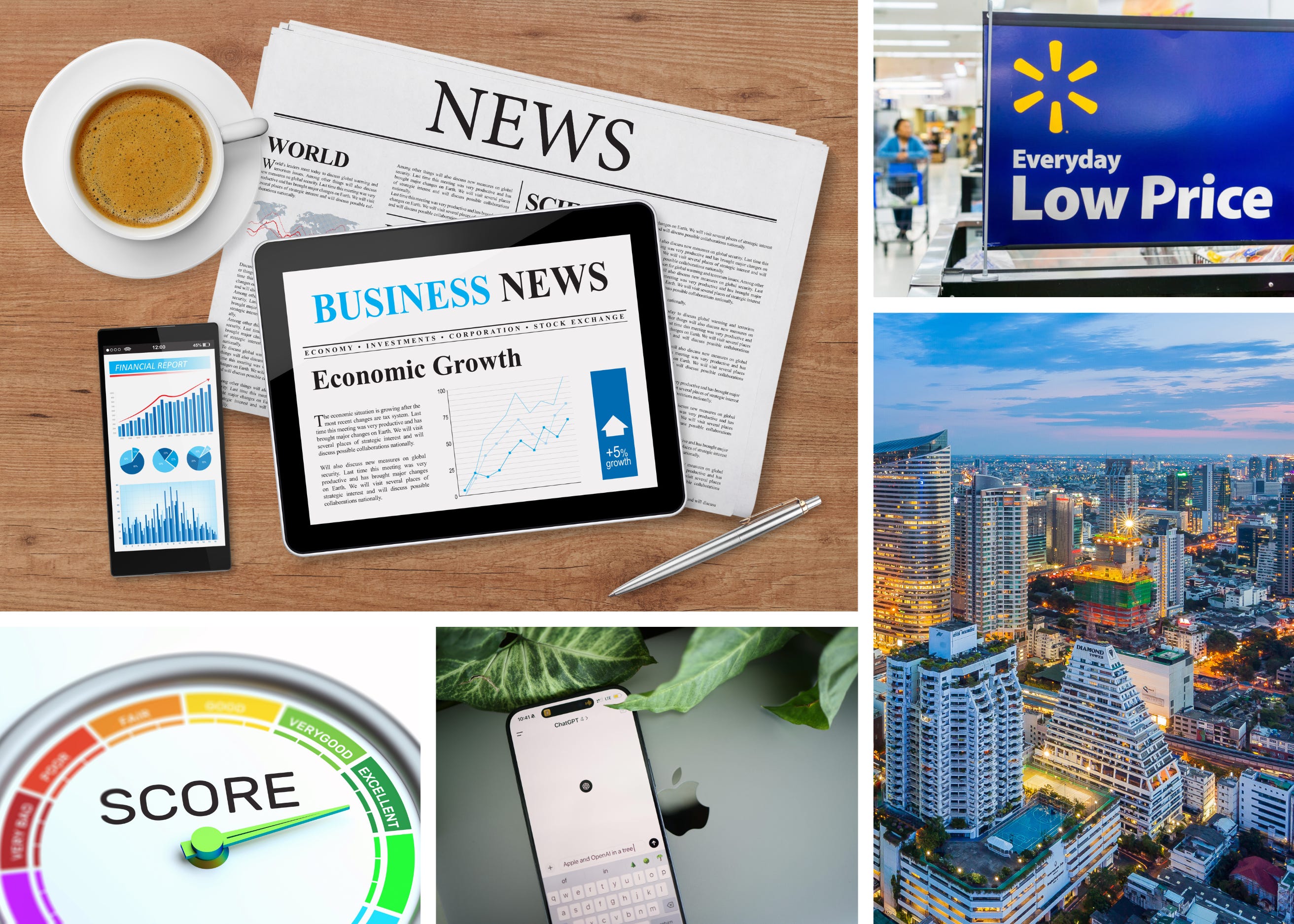
The post highlights various stories related to economic principles, including news consumption, price increases, credit rating downgrades, educational technology, and urban population growth.

Scott Cunningham interviews Vítor Possebom about his research on econometrics, causal inference, and policy evaluation in Brazil.

An argument that expanding discretion in bureaucratic systems enhances moral decision-making and benefits society by allowing for exceptions to rigid rules.

A discussion on Home Depot's decision to avoid price increases despite tariffs, contrasting with other retailers facing potential price hikes.
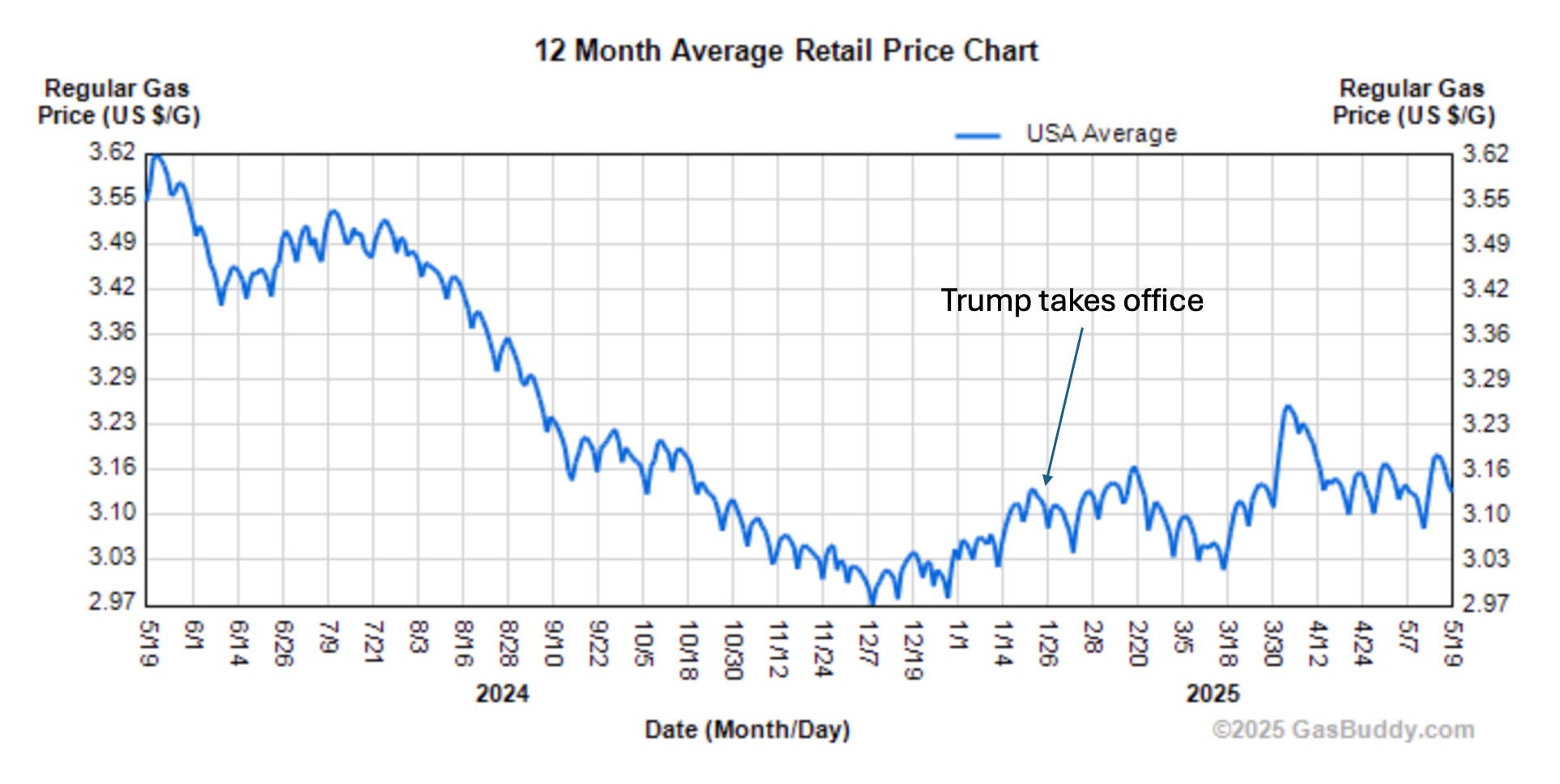
Paul Krugman discusses how Trump's tariffs create economic shocks and the negative consequences of misguided government policies on inflation and consumer prices.

Emily Feng discusses the challenges of collecting tariffs imposed by Trump due to overwhelmed agencies and savvy exporters evading taxes.

A Texas showerhead salesman investigates consumer willingness to pay for American-made products, challenging the effectiveness of policies promoting domestic manufacturing.

The discussion centers on the value of airport lounges for credit card companies and explores related economic questions about carbon taxes and gasoline prices.
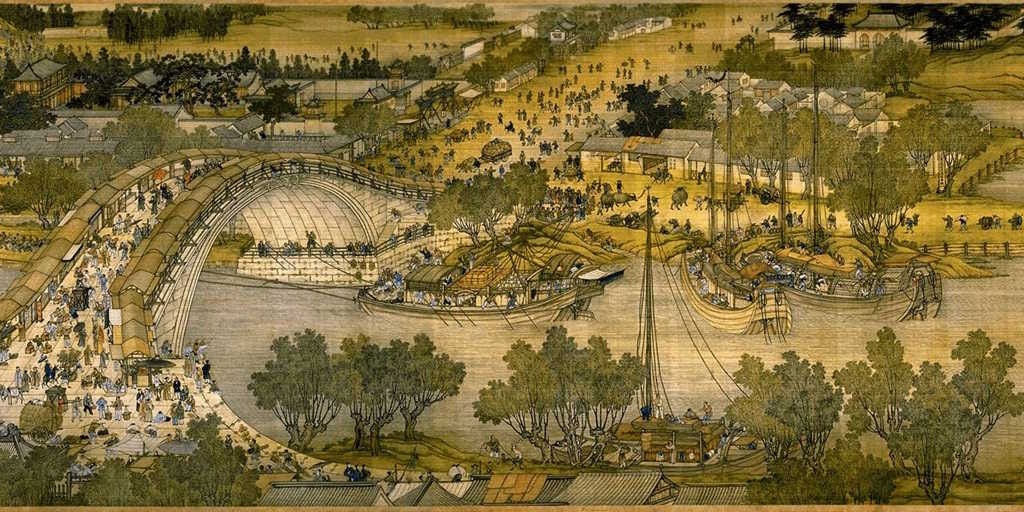
Noah Smith discusses America's potential complacency and stagnation, drawing parallels to historical China, and emphasizes the need for progress and innovation.