
4181. Fewer Rules, Better People: Lam on Law Enforcement
Kevin Corcoran discusses Barry Lam's exploration of discretion in law enforcement, emphasizing its importance through real-world examples and the impact on communities.
your daily dose of economic commentary
Kevin Corcoran discusses Barry Lam's exploration of discretion in law enforcement, emphasizing its importance through real-world examples and the impact on communities.
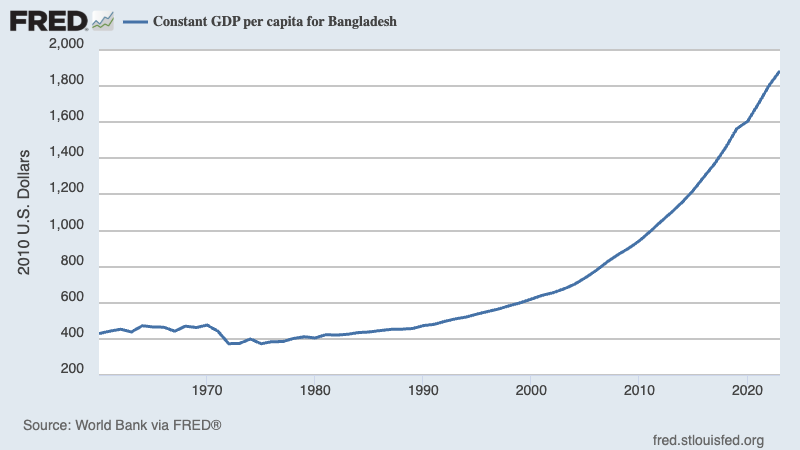
An argument that tariffs harm both the U.S. and poorer countries, particularly Bangladesh, which relies on exports for economic progress and faces potential setbacks due to trade policies.

Bill McBride analyzes early April data from over 40 local housing markets in the US, noting trends in sales and mortgage rates.
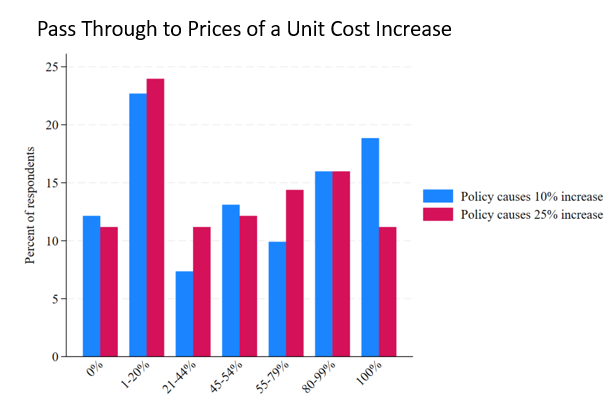
The discussion emphasizes the importance of soft data for the Fed to effectively navigate inflation and employment amidst tariff-induced economic changes.

An argument that explores the recurrence of truncation in economic models, focusing on techniques for machine usage in production across two industries.

Bill McBride discusses an increase in mortgage applications, highlighting data from the MBA and insights from Chief Economist Mike Fratantoni regarding economic conditions and interest rates.

David Folkenflik discusses Kari Lake's assertion that Voice of America will depend on far-right coverage from OAN, which supports President Trump.

Scott Horsley discusses the Federal Reserve's likely decision to maintain interest rates amid economic uncertainty caused by President Trump's tariffs.

Michel Martin discusses how tariffs could significantly increase toy prices, impacting sales during the Christmas season, according to Jay Foreman, CEO of Basic Fun!.

Sherisse Pham discusses the upcoming meeting between U.S. and Chinese officials in Geneva, indicating a possible easing of tensions in their trade relations.

Stephan Bisaha discusses why shrimpers support tariffs and explores economists' views on their impact on the American economy.

Brittany Luse explores the cultural and economic implications of Trump's tariffs and the desire to revive American manufacturing jobs.

The Associated Press reports that WeightWatchers is filing for Chapter 11 bankruptcy to eliminate $1.15 billion in debt and shift towards telehealth services.

Timothy Taylor discusses the reasons behind the faster post-pandemic economic growth in the US compared to the UK, focusing on productivity and investment differences.

Jaclyn Diaz discusses recent flight delays and cancellations at Newark Airport and the implications for air traffic control improvements.

Nate Silver discusses new features in tracking Trump's approval ratings, focusing on economic issues and their impact on his popularity during his presidency.
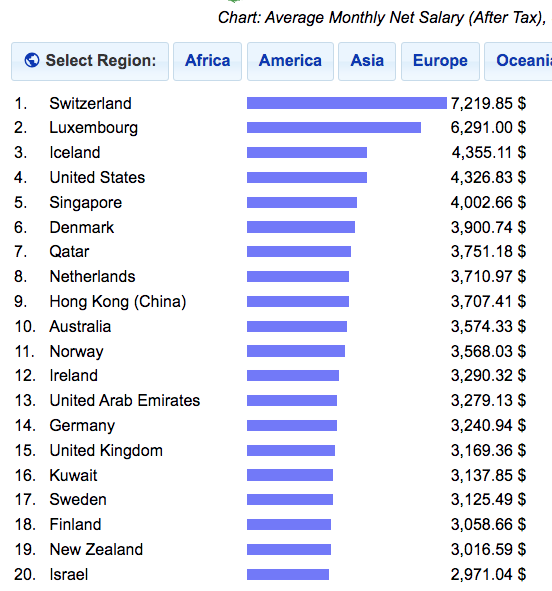
Scott Sumner discusses the relationship between wages and trade surpluses, arguing that high wages are linked to productivity and economic advancement, not trade deficits.

Falling oil prices benefit consumers while negatively impacting oil companies, influenced by global tariffs and increased OPEC production.
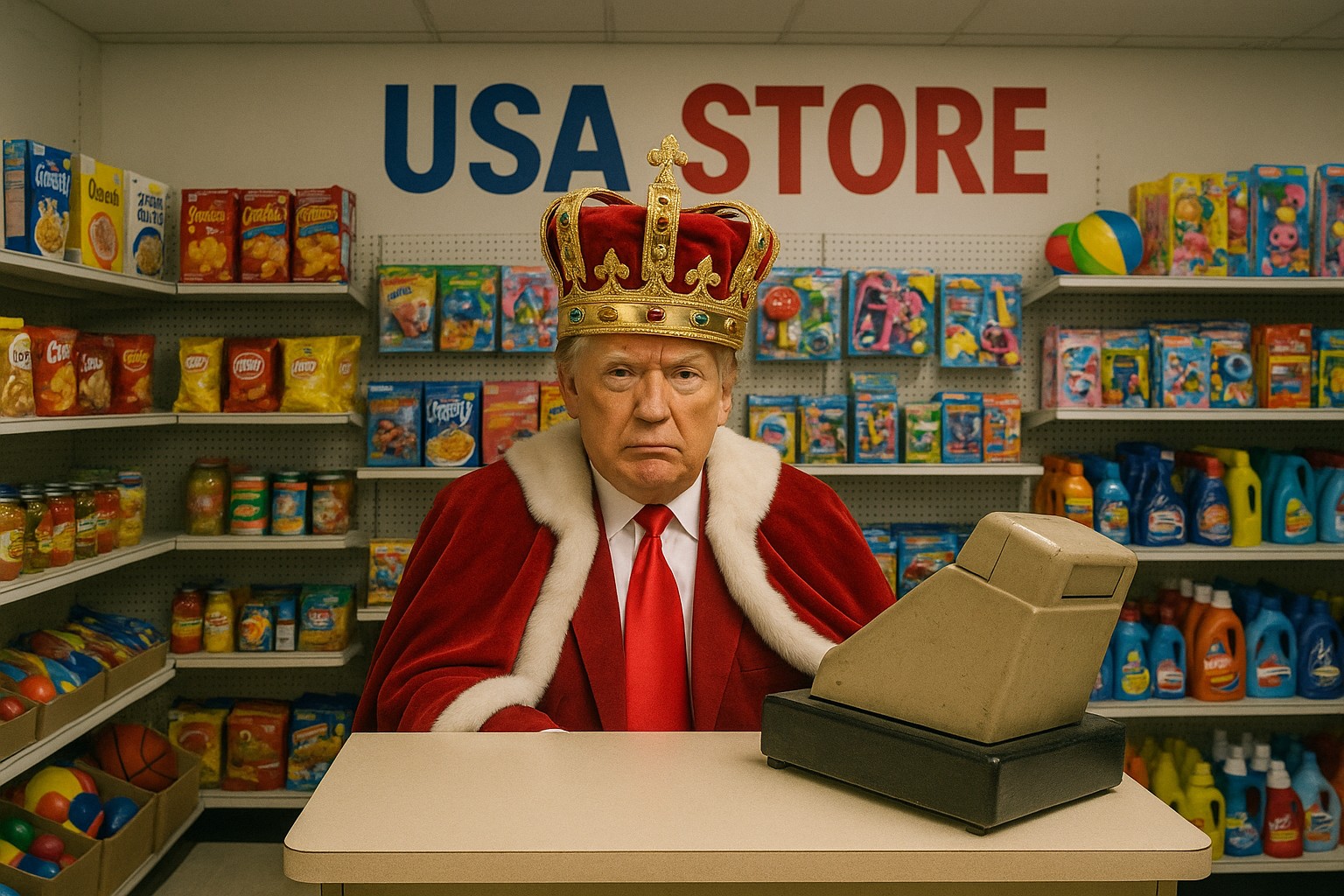
Pierre Lemieux critiques Donald Trump's statement about owning the American market, linking it to Marxist ideas of collective ownership and the implications for individual property rights.

Unknown discusses various stories that illustrate economic principles and their implications for education and policy.