
4301. BLS: Job Openings Decreased to 7.2 million in March
Job openings decreased to 7.2 million in March, with stable hires and separations, indicating labor market turnover trends and year-over-year declines in job availability.
your daily dose of economic commentary
Job openings decreased to 7.2 million in March, with stable hires and separations, indicating labor market turnover trends and year-over-year declines in job availability.
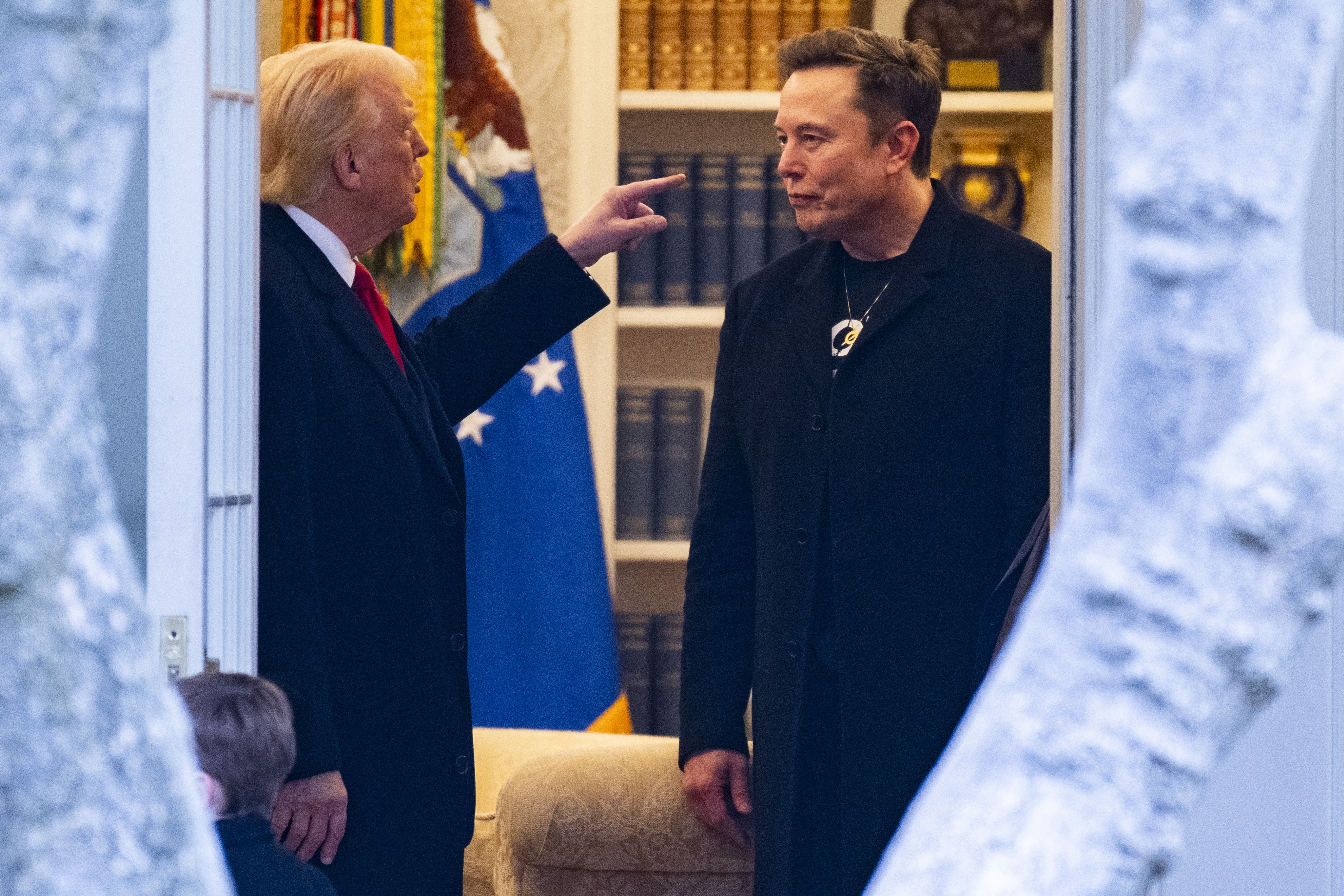
Andrea Hsu discusses a lawsuit against President Trump and others aimed at preventing mass layoffs in the federal government.

Bill McBride discusses the February 2025 Case-Shiller Home Price Indices, highlighting a 3.9% annual increase in national house prices and trends across various cities.

Robert Vienneau discusses Salvatore Baldone's example of fixed capital, focusing on the analysis of production techniques and the economic life of machines using Sraffian methods.

Greg Rosalsky discusses how partisan politics has historically affected American trust in the Federal Reserve and how this dynamic may have shifted during Trump's second term.
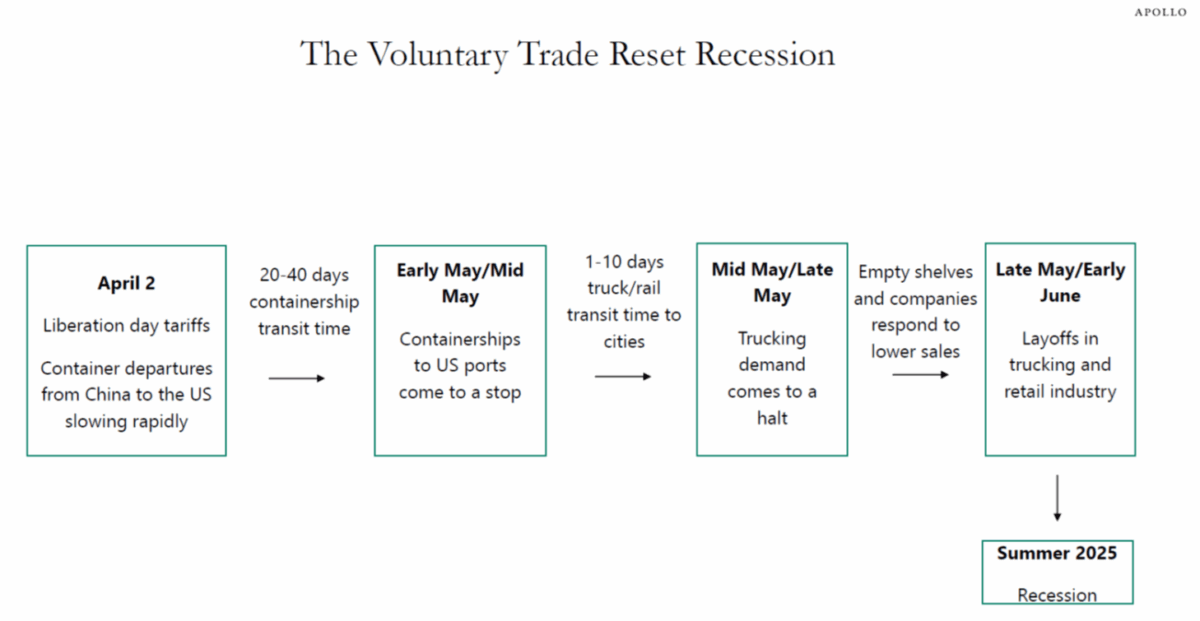
An argument that recession probabilities are influenced by various forecasts and market expectations, highlighting potential economic impacts of policy changes and trade conditions.

A significant portion of Americans rate President Trump's performance negatively as he reaches his first 100 days in office, reflecting low approval ratings.

The Associated Press discusses Amazon's launch of internet satellites to compete with SpaceX's Starlink, highlighting concerns from stargazers about satellite constellations.

The post discusses the impending economic consequences of tariffs imposed by the Trump administration, predicting increased public anger and economic pain in the near future.

The post discusses the president's decision to ease tariffs on automakers, highlighting its implications and timing related to a rally in Michigan.
Timothy Taylor discusses the economic implications of tariffs, including their effects on trade balances, currency values, price levels, and potential retaliatory measures.

An argument that the federal government's financial strategies during the Civil War, including taxation and borrowing, were more effective than those of the Confederacy.
David Henderson critiques Joseph Epstein's misconceptions about the origins of the term "dismal science" and the nature of economics as a discipline.

Eli McKown-Dawson discusses the shifting political landscape in Canada, focusing on the impact of Donald Trump's presidency on Canadian public sentiment and electoral dynamics.

Bill McBride analyzes March's local housing market data, noting a decline in existing home sales and predicting trends for April based on supply metrics.
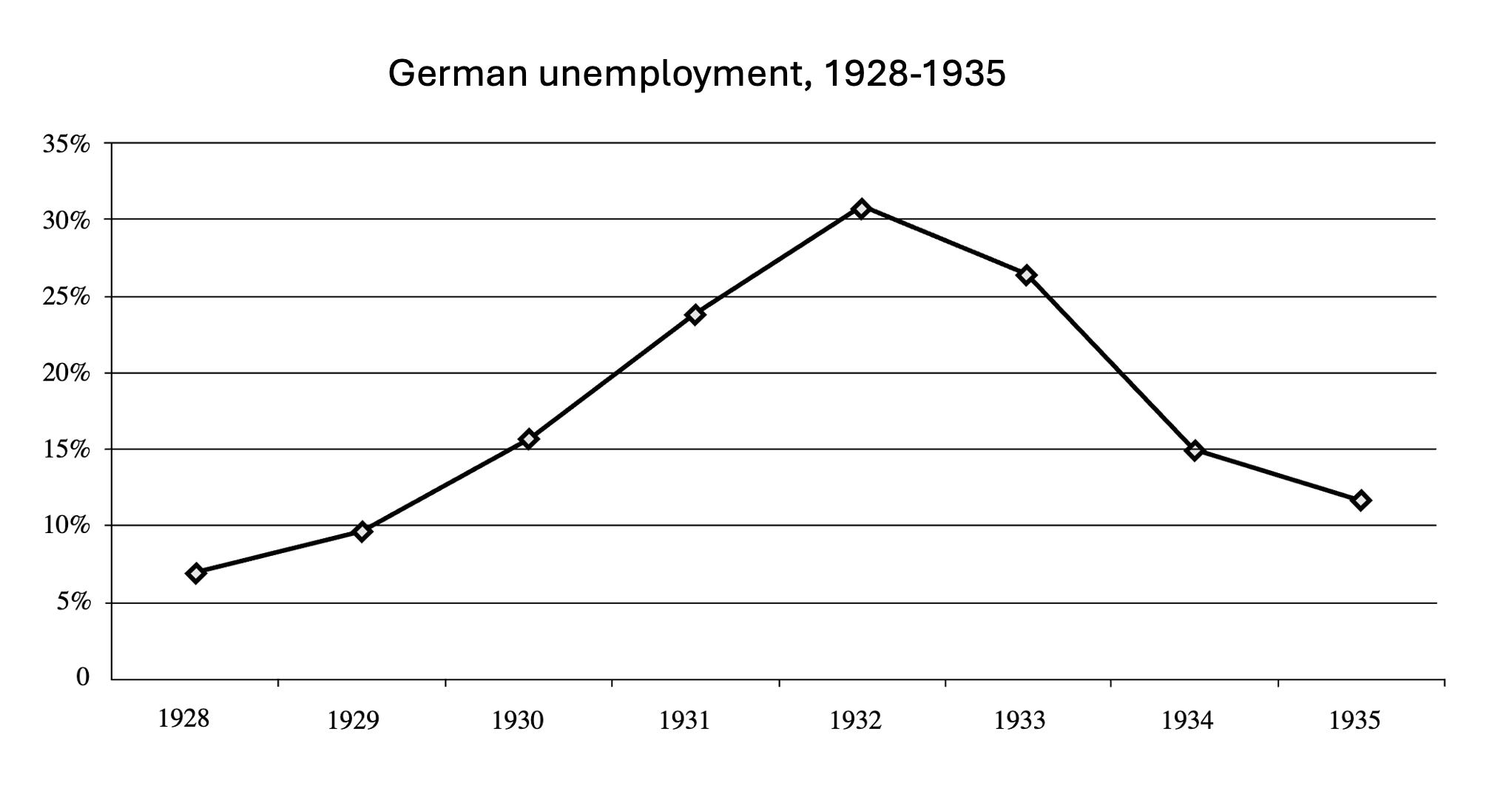
An argument that the current economic situation may undermine Trump's political power and democracy, drawing parallels to historical autocratic leaders and their economic contexts.

Jadrian Wooten discusses the economic implications of a secondary market for Trader Joe's tote bags, highlighting pricing strategies and market efficiency.

Joe Hernandez discusses DHL's decision to resume shipping packages valued over $800 to U.S. consumers after initially halting shipments due to new customs rules.

Bill McBride discusses the Q1 2025 homeownership and vacancy rates, highlighting concerns about the accuracy of the Census Bureau's survey data and its implications.

Active single-family housing inventory has increased both week-over-week and year-over-year, indicating a significant rise compared to previous years and seasonal trends.