
4521. Repost: The Fraudulence of “Waste, Fraud and Abuse”
An argument that the concept of eliminating "waste, fraud, and abuse" in government spending is misguided and often leads to ineffective budget proposals.
your daily dose of economic commentary
An argument that the concept of eliminating "waste, fraud, and abuse" in government spending is misguided and often leads to ineffective budget proposals.

Wailin Wong discusses the evolution of weather forecasting, its economic value, and the impact of the Trump administration on government forecasting efforts.

An argument that trade is often unfairly blamed for job losses in the Rustbelt, while automation is identified as the primary cause of employment decline in manufacturing.
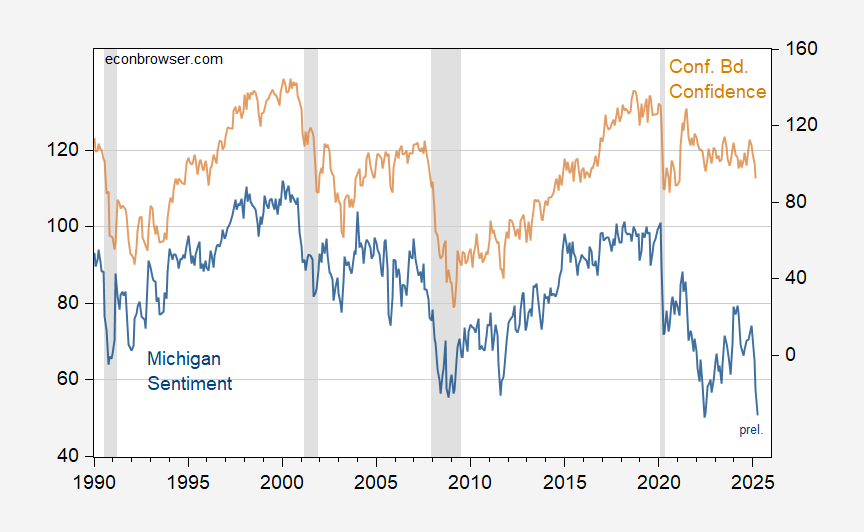
Menzie Chinn analyzes the Michigan Economic Sentiment Index, indicating it suggests recession levels based on historical data and regression analysis.

An argument that DOGE's approach to government spending reforms is flawed and may hinder meaningful fiscal changes, despite the need for reduced government expenditure.

Luke Garrett discusses Trump's consideration of semiconductor tariffs following the removal of reciprocal tariffs on electronics, focusing on national security concerns.

David Henderson discusses the implications of historical tariffs, particularly the Hawley-Smoot Tariff, and critiques contemporary protectionist policies in his weekly reading roundup.

Omar Hernandez discusses the implications of minimum wage policies across different countries, highlighting economic impacts and contrasting approaches to labor market regulation.
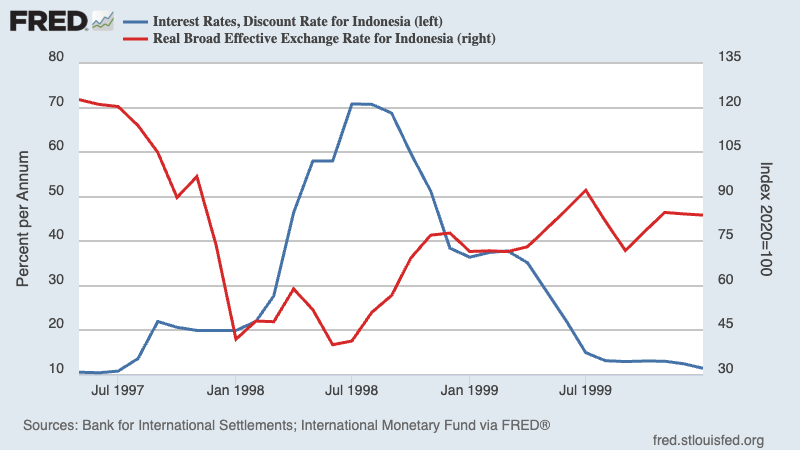
Paul Krugman discusses recent unsettling trends in U.S. financial markets, highlighting potential early signs of a financial crisis and introducing a primer on the topic.

A significant trial involving Meta's leadership begins, with key figures expected to testify over the next two months in a federal courtroom.
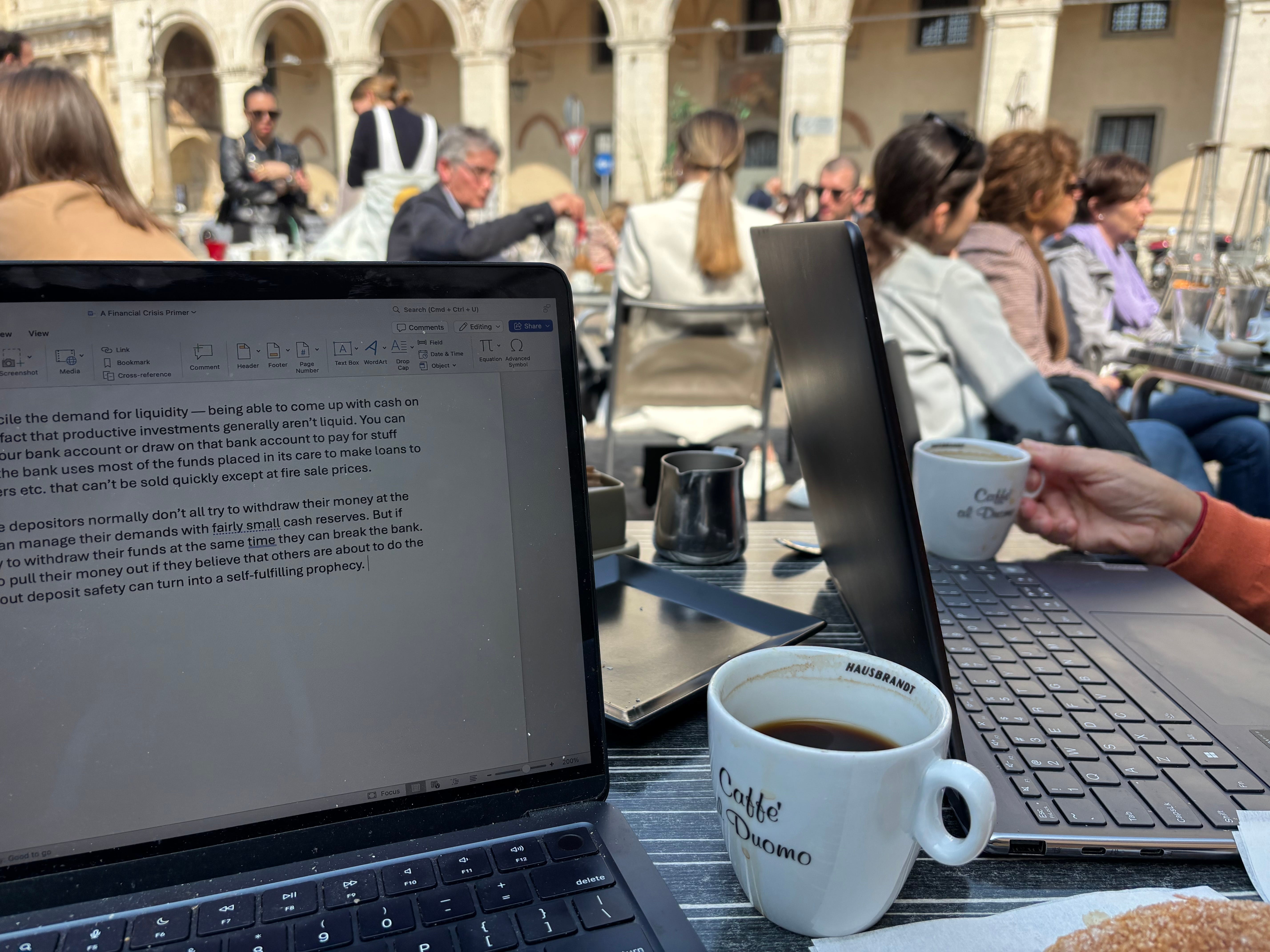
Paul Krugman discusses the negative impact of Trump's tariffs on manufacturing and highlights the corruption and uncertainty surrounding trade policies.

A retrial of Sarah Palin's defamation case against The New York Times is set to begin, following her previous losses in early 2022.
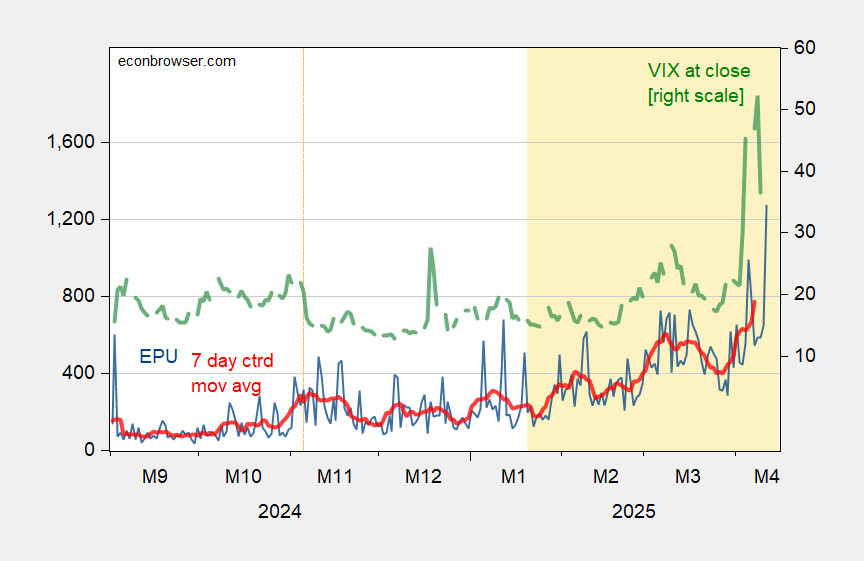
Economic policy uncertainty is at an all-time high, impacting market indicators like the VIX and high yield credit spreads.
Menzie Chinn discusses President Trump's temporary exemption of electronics from tariffs, highlighting its impact on global technology manufacturers and the uncertainty surrounding trade policies.

A discussion on the importance of data in understanding public opinion and its role in political forecasting and analysis.

An argument that recent tariff exemptions for smartphones and computers alleviate concerns for American tech companies dependent on Chinese supply chains.

Scott Cunningham shares personal health updates, family matters, and his upcoming teaching position at Harvard, reflecting on care for elderly parents and financial implications.
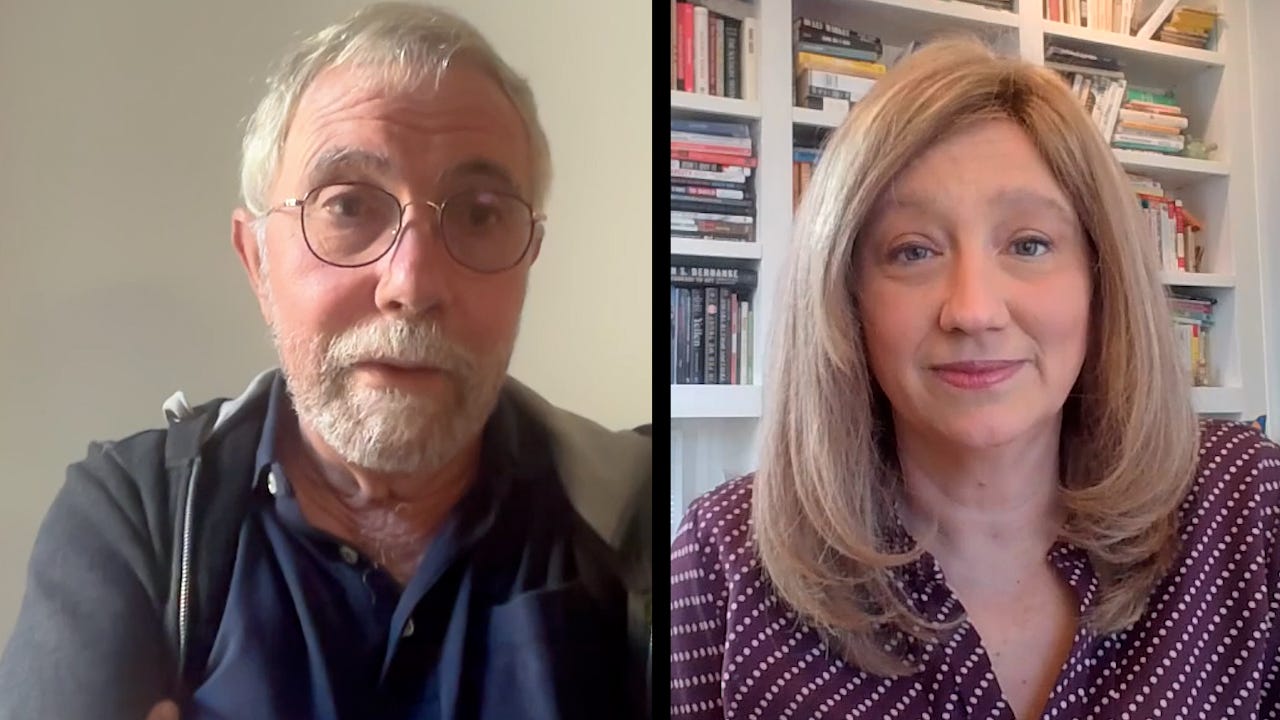
Paul Krugman interviews Claudia Sahm about her recession indicator and her experiences in economic policy, emphasizing its importance for public welfare during downturns.

Key economic reports for the week include retail sales, housing starts, and manufacturing surveys, alongside a speech by the Fed Chair on economic outlook.
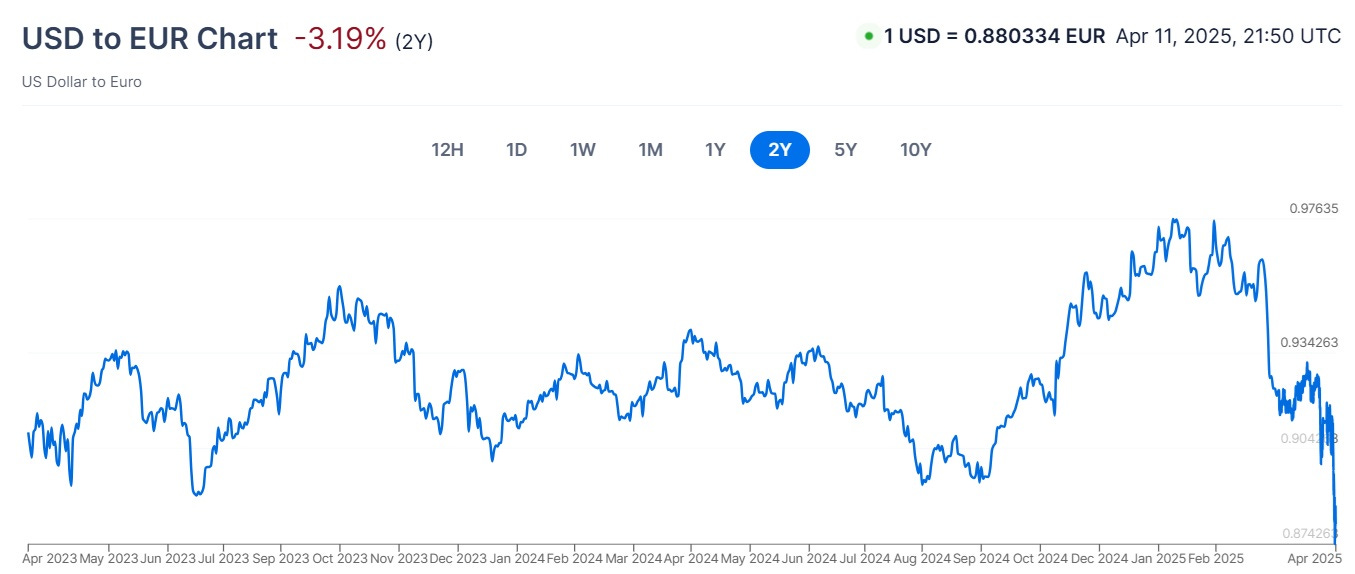
Noah Smith discusses the alarming trend of capital flight from the U.S., its impact on the dollar, and the potential economic consequences for America.