
4681. How states are scooping up federal workers
The post discusses the impact of federal layoffs on the job market and how local governments are hiring federal workers.
your daily dose of economic commentary
The post discusses the impact of federal layoffs on the job market and how local governments are hiring federal workers.
Miles Kimball explores Alan Watts's philosophy, emphasizing the interconnectedness of consciousness and the universe, and the importance of recognizing our unity with all existence.

Rachel Treisman discusses the recall of over 200,000 pounds of liquid egg products due to potential bleach contamination and advises consumers to avoid them.

Higher prices for various grocery items are anticipated due to upcoming tariffs, impacting consumer costs significantly.

Maria Aspan discusses the widespread fear among investors and consumers regarding the economic impact of President Trump's tariffs.
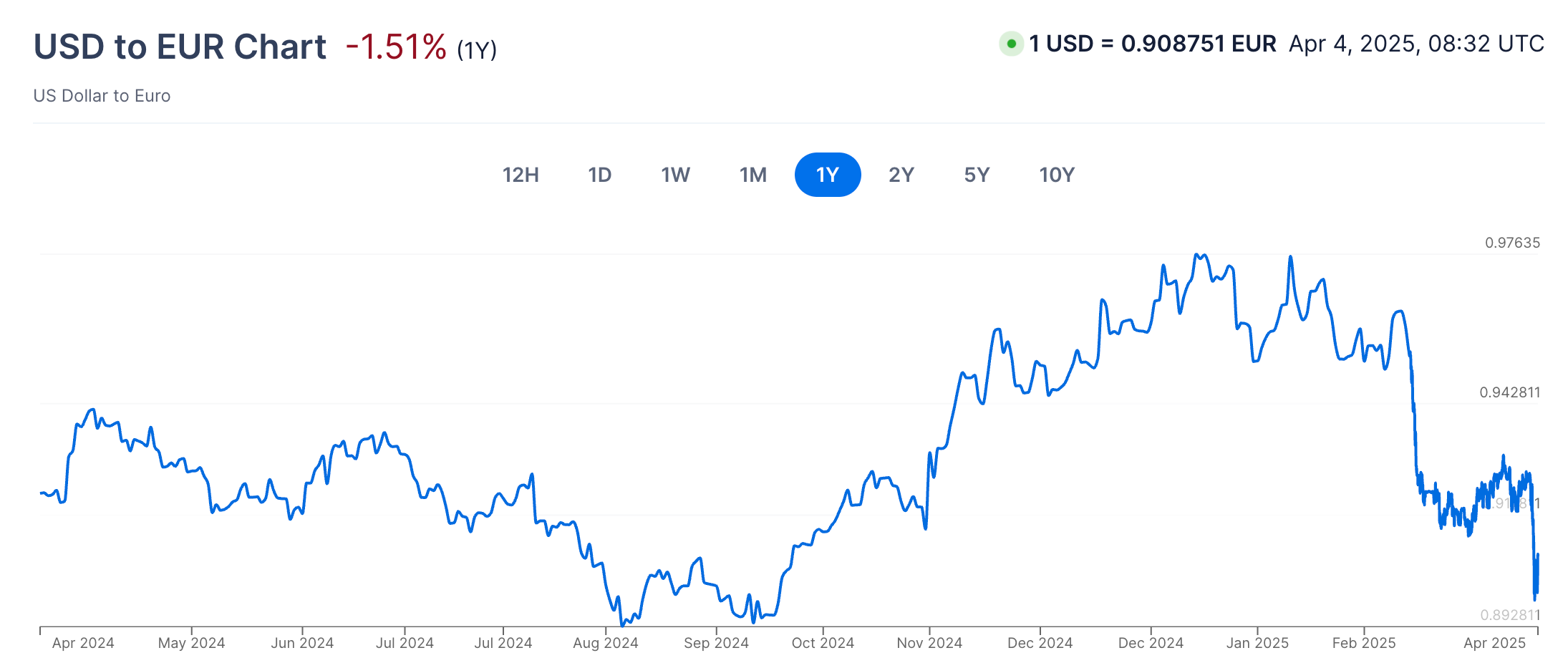
Paul Krugman discusses how Trump's chaotic policies are undermining economic confidence and harming the dollar's value, impacting long-term business investments.

The March employment report indicates strong job growth despite downward revisions in previous months, with changes in participation rates and wage growth trends noted.

Scott Horsley discusses the strong job market while highlighting potential challenges from tariffs and consumer spending affecting future job growth.
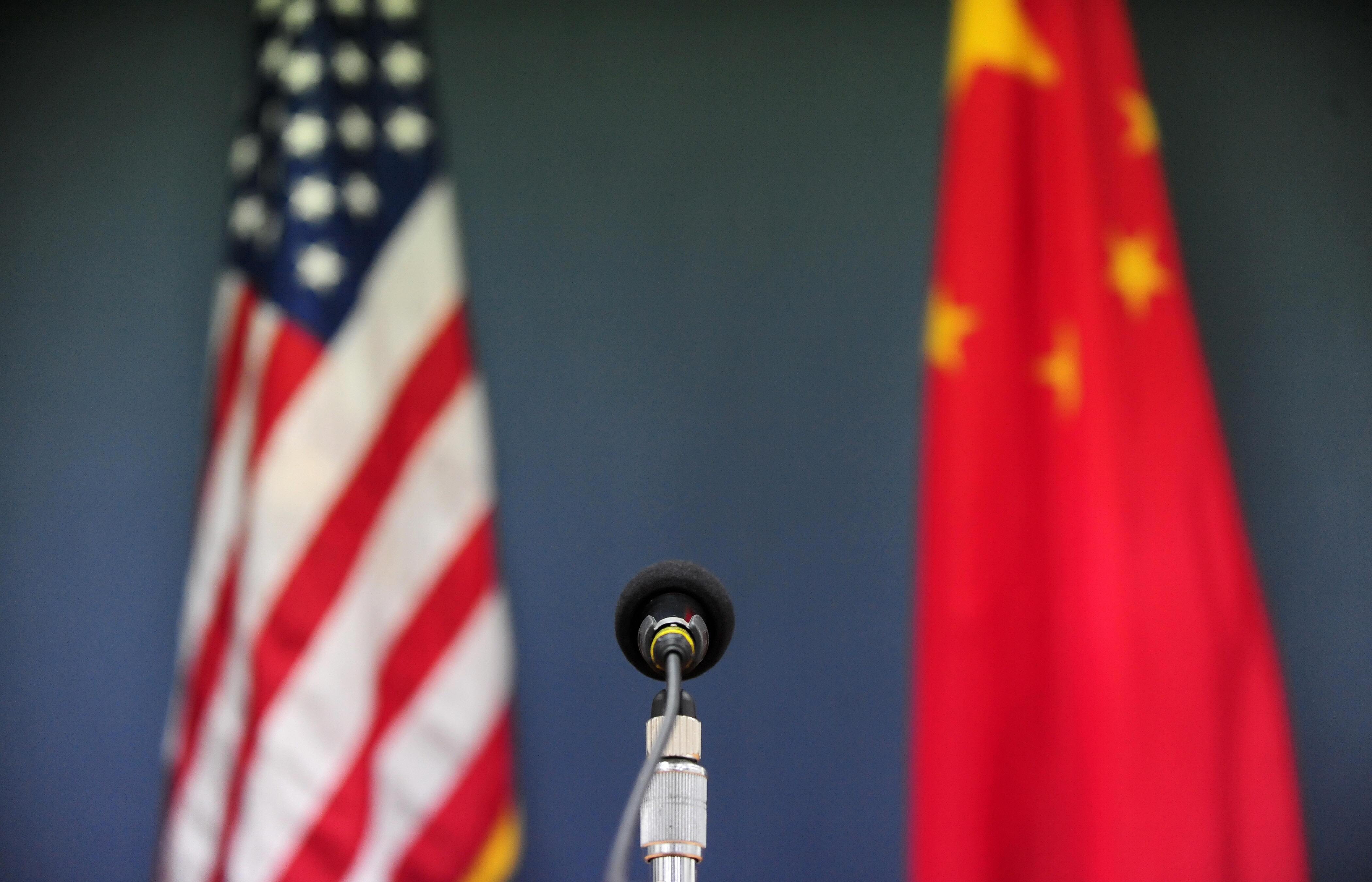
Escalating trade tensions between the U.S. and China make a near-term resolution to the trade war highly unlikely, according to analysts.

The post reports on March's employment figures, including job gains, unemployment rates, and revisions to previous months' data, highlighting trends in various sectors.

An argument that trade deficits do not inherently harm a country's economy, challenging misconceptions about their impact on GDP and domestic production.
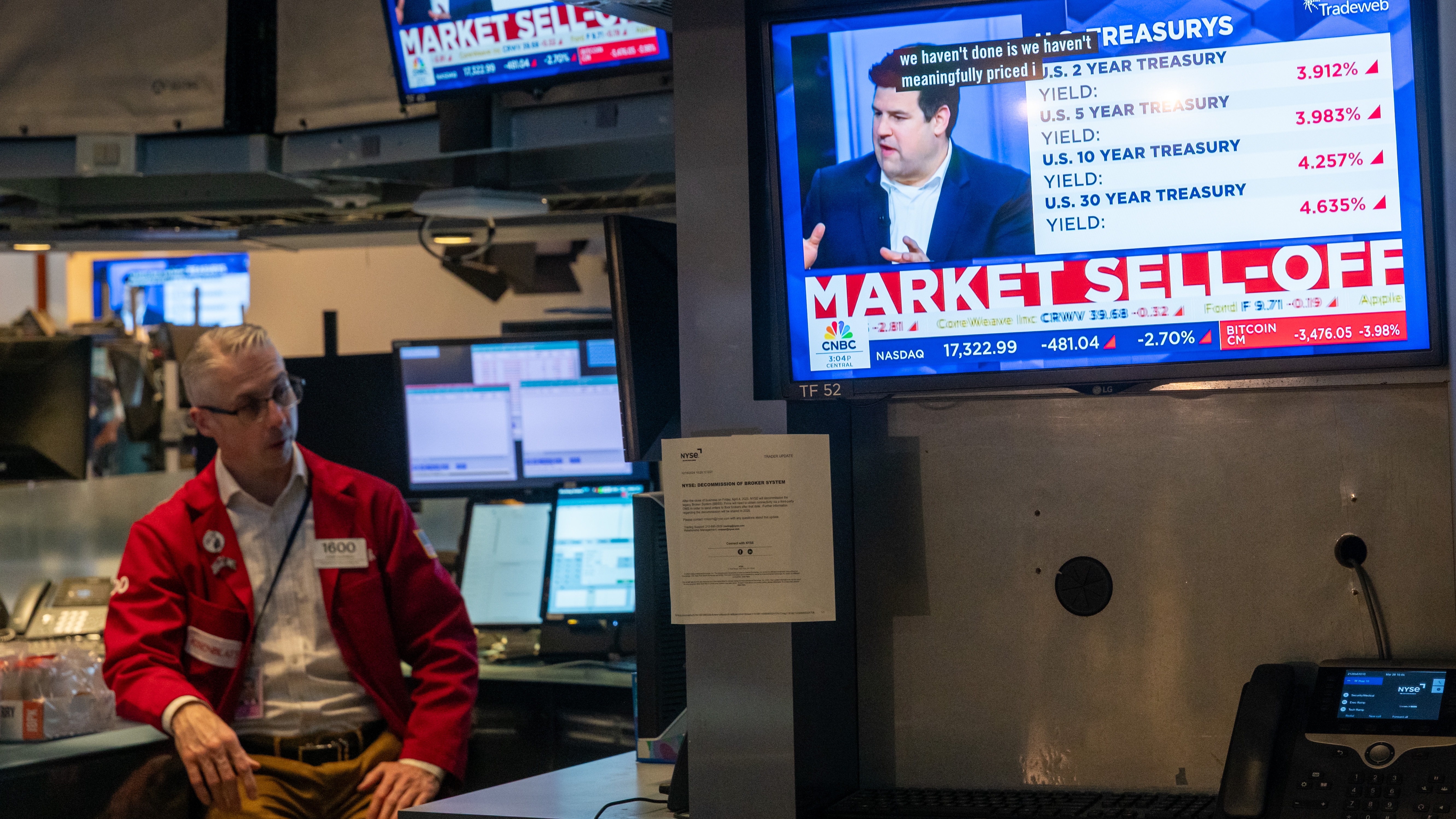
Brittney Melton discusses the anticipated effects of President Trump's new tariffs on small retailers and mentions his denial of Laura Loomer's influence in recent firings.

A major initiative eliminates $30 billion in medical debt for millions, but supporters express concerns that it still falls short of addressing the broader crisis.

An argument that the president's unilateral actions undermine Congress's constitutional authority over trade policy, highlighting the economic consequences of recent decisions and historical context.
An argument that capitalizing AIs could mitigate risks by incentivizing conservative behavior, similar to capital requirements for banks, while acknowledging potential pitfalls.

Monica Nickelsburg reflects on Microsoft's 50-year history, highlighting its impact on the software industry and notable products like Windows, Xbox, and Zune.

Michel Martin discusses Sen. Elissa Slotkin's insights on how Trump's tariffs are impacting Michigan's automotive industry and its economy.
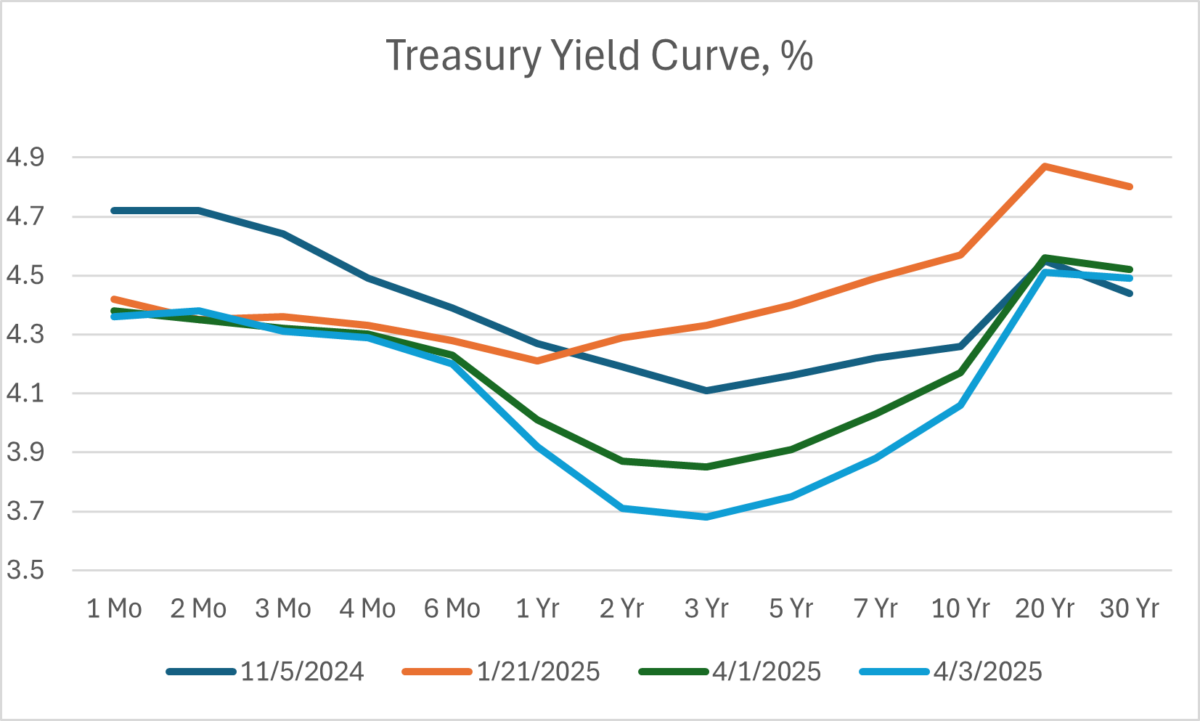
An argument that the yield curve's inversion and term spreads indicate significant economic shifts and potential implications for future financial conditions.

An argument that President Trump's tariffs aim to address trade deficits, which he believes are detrimental, despite market backlash and political opposition.

Timothy Taylor discusses the implications of Trump's announced tariffs, their historical context, political responsibility, constitutional authority, and the uncertain economic effects.