
4781. Overly Friendly Emails and other marketing pet peeves
Darian Woods discusses advertising pet peeves, including overly friendly brands, generational labels, and gendered double standards, with insights from advertising experts.
your daily dose of economic commentary
Darian Woods discusses advertising pet peeves, including overly friendly brands, generational labels, and gendered double standards, with insights from advertising experts.

The Associated Press reports that Asian shares fell sharply due to concerns over rising inflation and a slowing U.S. economy affecting consumer spending.

Scott Sumner critiques the disparity in legal consequences faced by the wealthy compared to the general public, highlighting issues of national security and justice.
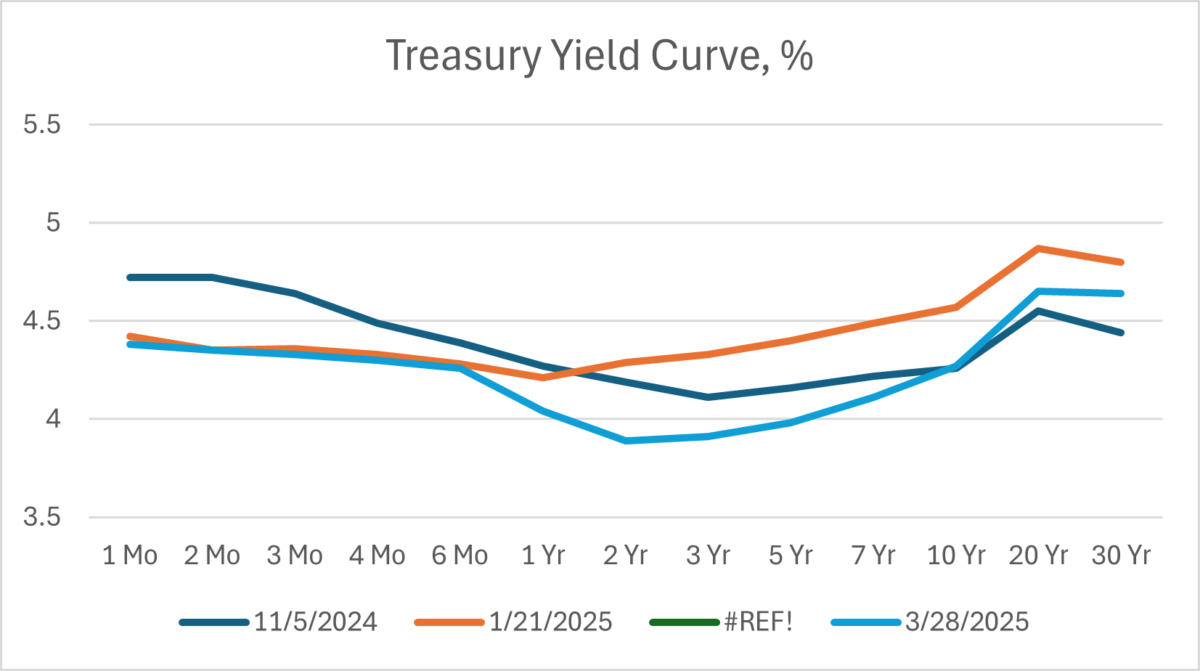
Menzie Chinn discusses a significant decline in the one to two-year term spreads, indicating potential economic deceleration ahead.
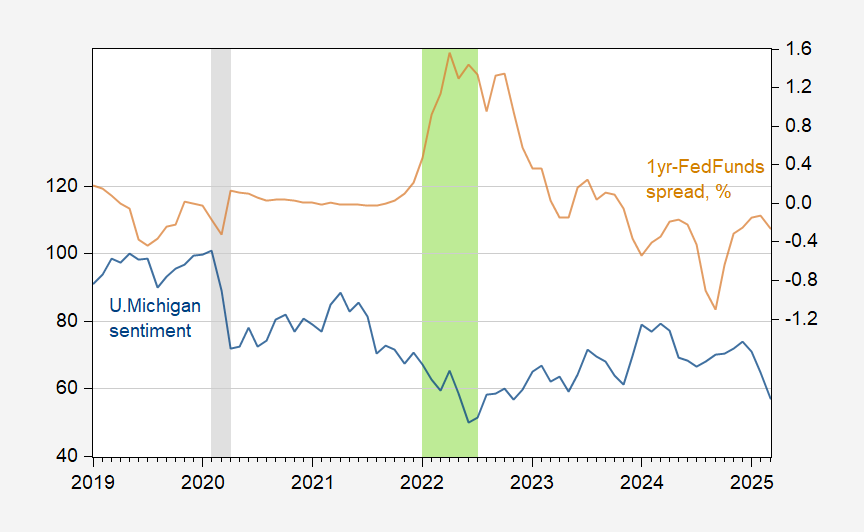
An argument that compares recession indicators and economic sentiment between 2022 and 2025, suggesting differing economic conditions and implications for recession forecasting.

The post discusses inefficiencies in federal spending, political risks from current administrations, and shifts in immigrant voting patterns in relation to recent elections.

The post discusses instructional videos on difference-in-differences methodology, focusing on the "no anticipation" aspect and providing practical simulations for learning causal inference.
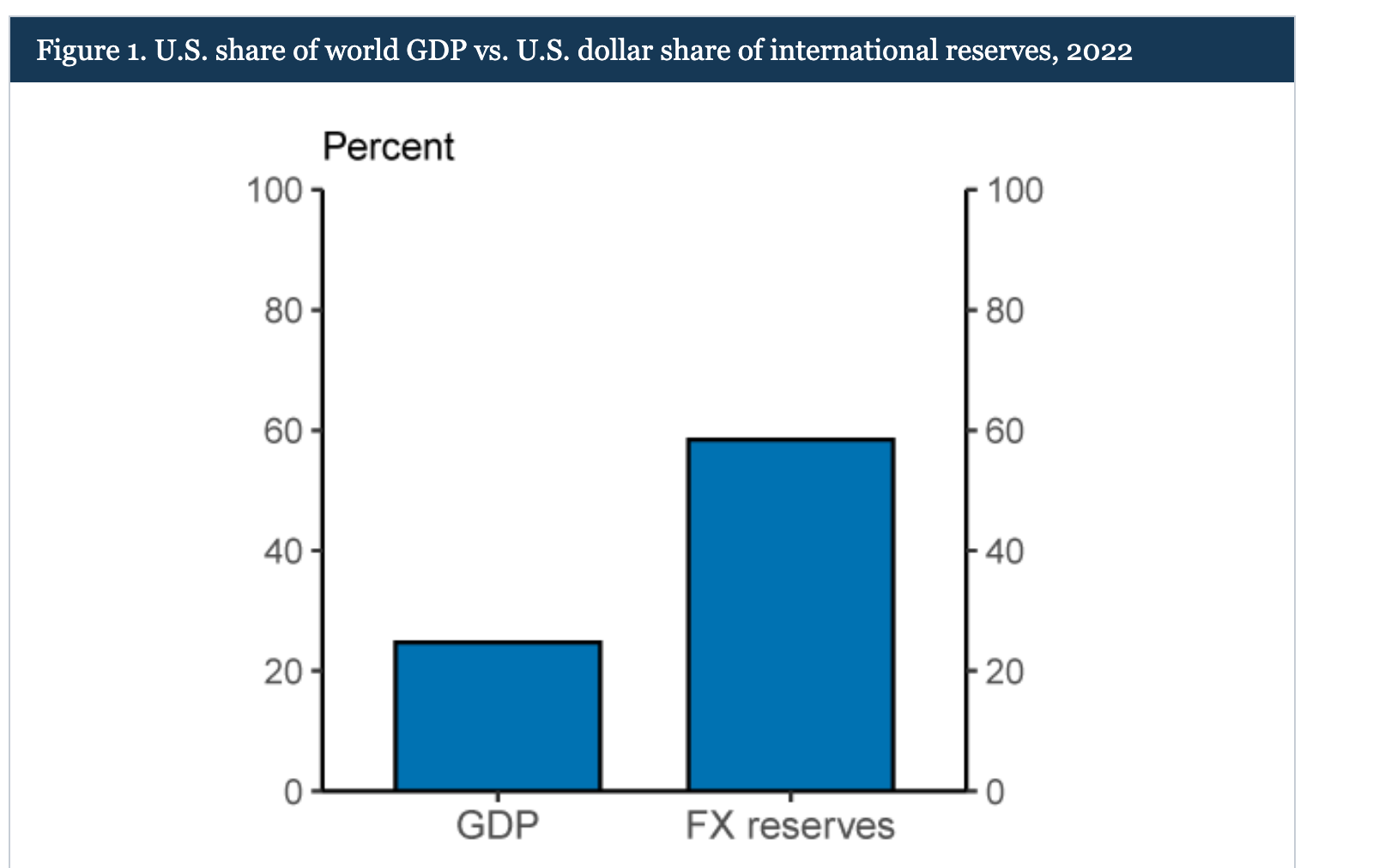
Paul Krugman discusses the international role of the dollar, its impact on the U.S. balance of payments, and critiques misconceptions held by some Trump officials about trade.

Bill McBride discusses the seasonal patterns of house prices and how distressed sales affected these patterns during and after the housing bust.

Noah Smith discusses Donald Trump's tariffs on the auto industry and their negative economic impacts, highlighting the disconnect between Trump's policies and their consequences for American businesses.

The author discusses the rise of memecoins, exploring their origins, market dynamics, and the implications for investors and the economy, with insights from NPR's Planet Money.
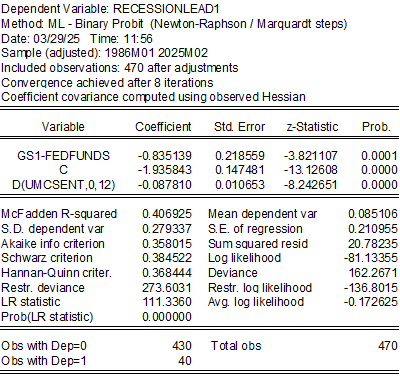
An argument that utilizes a probit regression to estimate recession probabilities based on consumer sentiment and interest rates, highlighting significant economic indicators and their implications.

Juliana Kim reports on FCC chair Brendan Carr's investigation into Disney's DEI practices to assess potential violations of FCC regulations.

The post reflects on personal experiences, future plans, and thoughts on living in the present, while also mentioning academic endeavors and cultural interests.
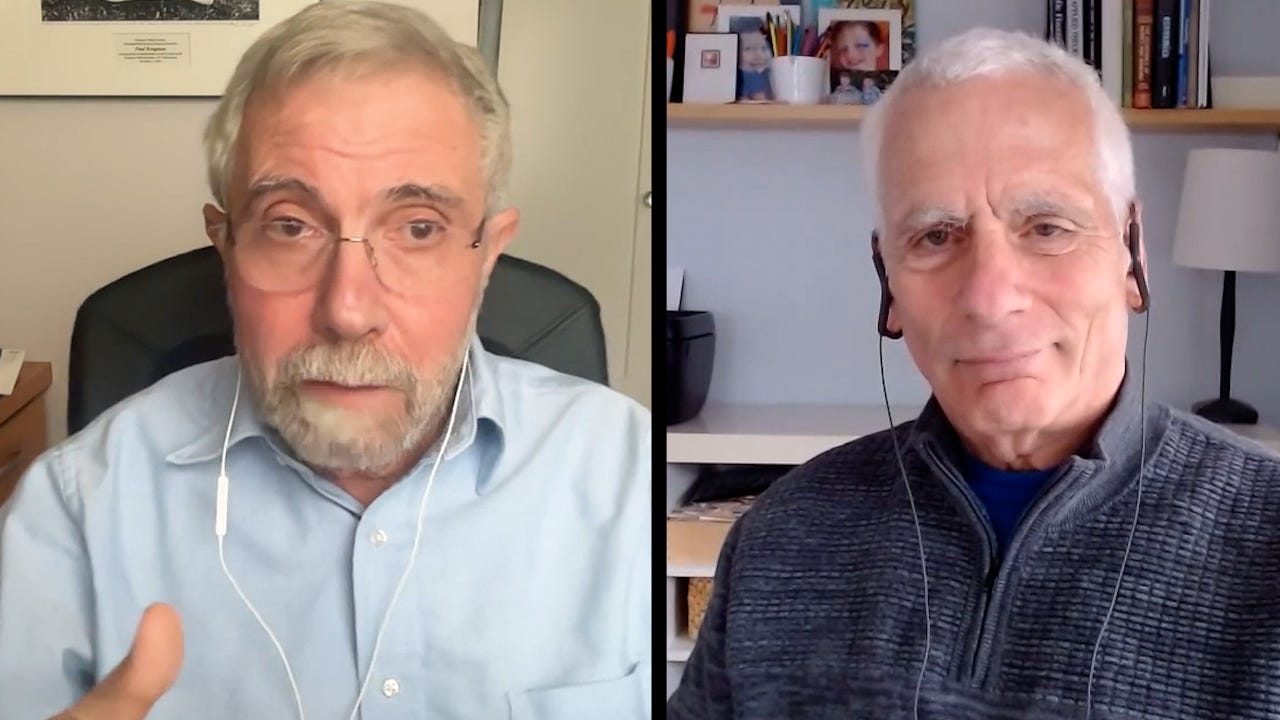
The discussion focuses on the U.S. economy's performance under Biden, inflation concerns, and the contrasting economic perspectives as the political landscape shifts.

The Associated Press reports on Charlie Javice's conviction for defrauding JPMorgan by falsely inflating her startup's success.

The post outlines key economic reports and events scheduled for the week, including employment data, trade deficits, and manufacturing surveys.

Protests against Elon Musk's involvement in the Trump administration are planned at Tesla locations globally this weekend.

A judicial decision prevents Kari Lake from pursuing efforts to close the Voice of America and Radio Free Europe/Radio Liberty.
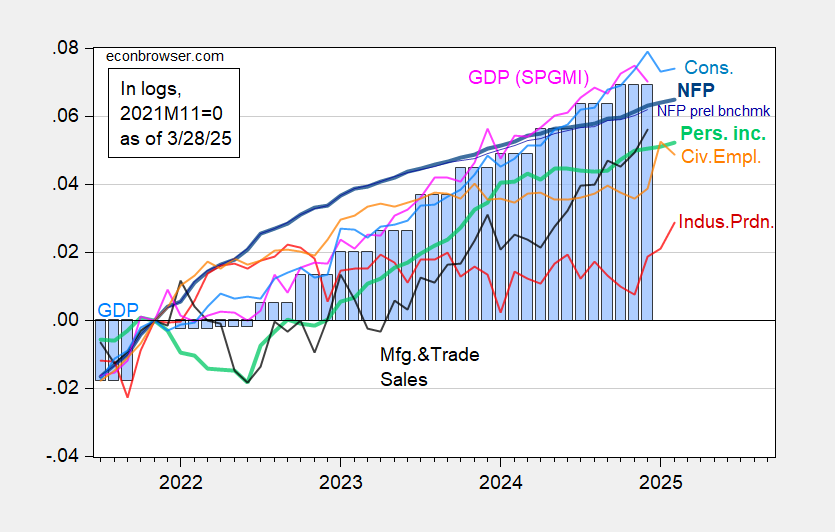
An argument that rising personal income alongside falling consumption indicates potential economic concerns, supported by various economic indicators and forecasts.