
4921. Dems need to moderate and fight
Noah Smith discusses the challenges Democrats face in appealing to voters by balancing moderation with a strong opposition to Trump’s policies.
your daily dose of economic commentary
Noah Smith discusses the challenges Democrats face in appealing to voters by balancing moderation with a strong opposition to Trump’s policies.

An argument that companies should decide on DEI programs based on consumer satisfaction and market dynamics, rather than external pressures or regulations.

Rachel Treisman discusses Ben & Jerry's claim that its CEO was fired by Unilever due to the company's political activism.

The post discusses the significant year-over-year increase in active housing inventory, new listings, and the stability of median list prices in the real estate market.
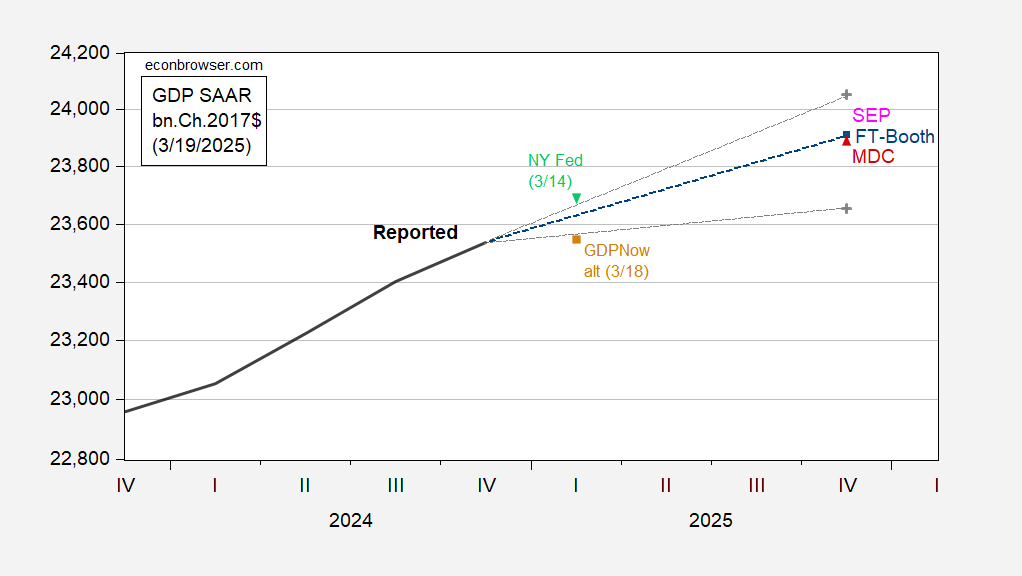
A survey reveals declining GDP growth expectations and increasing likelihood of an earlier recession start, with significant downside risks noted by respondents.

Paul Krugman critiques the misrepresentation of Trump's economic policies and argues they lack intellectual rigor, reflecting ignorance rather than a coherent philosophy.

Bill McBride discusses the increase in existing-home sales in February, highlighting year-over-year trends and inventory changes according to the NAR report.

The post discusses the Federal Reserve's decision on interest rates amid tariff concerns and a judge's ruling on DOGE's takeover of a peace institute.
A discussion on the intersection of abundance, healthcare, political polarization, and AGI, exploring differing viewpoints on government policies and innovation.

Andrea Hsu discusses concerns that Trump's rollback of DEI initiatives may hinder women's access to well-paying jobs.

Leila Fadel discusses President Trump's dismissal of two FTC members, highlighting concerns about favoritism towards wealthy supporters.

Paddy Hirsch discusses the U.S. government's plans for a Strategic Bitcoin Reserve and its implications for beneficiaries.
Timothy Taylor discusses Paul Krugman's insights on trade, industrial policy, and the ineffectiveness of tariffs in addressing economic issues.

Jeremy Horpedahl critiques Eugene Ludwig's claims about economic distress, arguing that data shows Americans are prospering, with improvements in labor markets and earnings.

The post reflects on the life and influence of Manny Klausner, highlighting his contributions to libertarianism and the growth of Reason magazine.

The post discusses the Trump administration's reduction of U.S. international aid and soft power initiatives, highlighting its implications for American foreign policy.

A proposal suggests a voluntary buyout option for Social Security, allowing individuals to opt out in exchange for reduced payroll taxes, benefiting both participants and the program's sustainability.

Bill McBride discusses the changes in inbound and outbound container traffic at LA ports, highlighting year-over-year increases and decreases in imports and exports.

Scott Horsley discusses the Federal Reserve's decision to maintain interest rates and the potential impact of Trump's trade policies on inflation.

The post informs readers about the deadline for claiming pandemic-era stimulus checks for those who haven't filed their 2021 tax returns.