
5081. Organized Hatred From Above
Pierre Lemieux discusses the trade war between the U.S. and Canada, highlighting the conflict between free trade and government-directed trade, which fosters animosity.
your daily dose of economic commentary
Pierre Lemieux discusses the trade war between the U.S. and Canada, highlighting the conflict between free trade and government-directed trade, which fosters animosity.

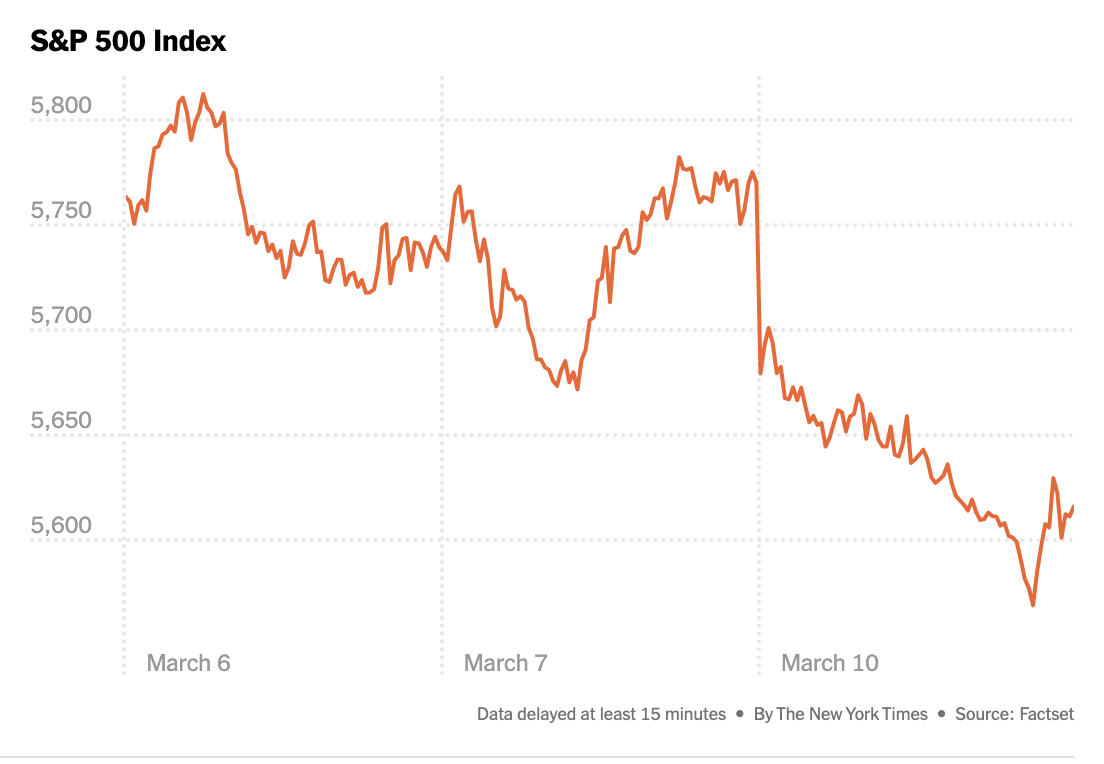
The post discusses the impact of Trump's tariff policies on stock market performance and highlights his shifting priorities regarding economic issues.

A young entrepreneur returns to Syria to contribute to the development of the country's tech industry after fleeing the war as a teenager.

Joe Hernandez discusses Southwest Airlines' decision to start charging for checked luggage, marking a notable change in its customer-friendly policies.

The post analyzes local housing market trends in February, comparing data to previous years and discussing mortgage rates and supply dynamics.
The author argues that while Germany's moves to exempt defense spending from its debt brake are positive, higher defense spending should be balanced by increased taxes to avoid promoting right-wing populism.
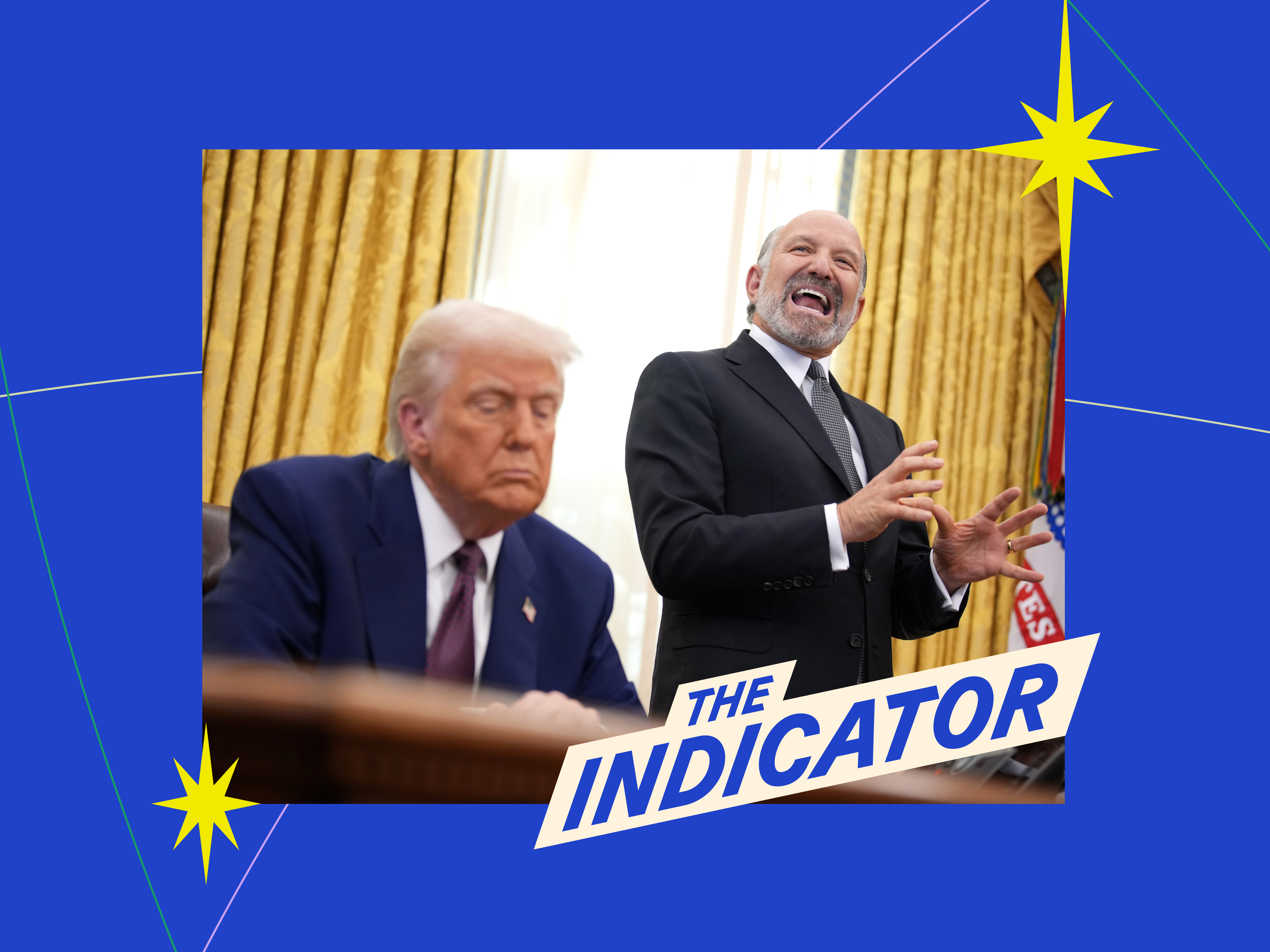
The post critiques the economic excuses made by the Trump administration, highlighting dishonesty in economic claims and the disconnect between rhetoric and actual economic data.

Bill McBride discusses the BLS report showing job openings increased to 7.7 million in January, with stable hires and separations data.

An argument that consumer confidence and business sentiment are key indicators of economic uncertainty and potential recession.

Noah Smith discusses the negative impact of Trump's economic policies on the stock market and critiques the notion of a future utopia resulting from these policies.

Scott Horsley discusses concerns about the reliability of government economic data under the Trump administration, highlighting changes in data consultation and GDP calculation.

Laurel Wamsley discusses government data collection on citizens and the implications of DOGE attempting to access this information.
The author reflects on personal experiences at the New Jersey shore, emphasizing the significance of local identity and regional differences among towns.
An argument that government spending should be excluded from GDP calculations, exploring the implications of this perspective and its potential motivations.

An argument that historical economic policies and current political rhetoric may misinterpret market reactions and GDP measurements, highlighting potential misunderstandings in economic analysis.

Nate Silver discusses the impact of Donald Trump's policies on the stock market and the geopolitical consequences affecting Wall Street's perception of him and Elon Musk.
Timothy Taylor discusses key questions regarding the US safety net, including the effectiveness of universal versus means-tested programs and the impact of welfare reform.
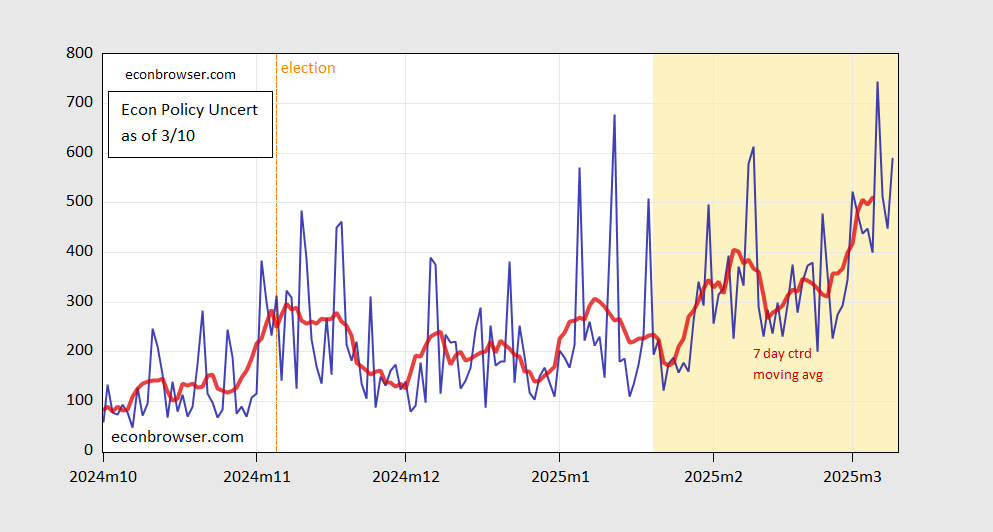
An argument that explores economic uncertainty and consumer sentiment indicators, questioning why the stock market isn't experiencing a crash despite various economic signals.

Alina Selyukh discusses Hudson's Bay's financial struggles due to pandemic impacts, inflation, and trade tensions after 355 years in business.

A legal dispute highlights how Musk's lawsuits are hindering the operations of a liberal advocacy group.