
5261. A movement is calling for an 'economic blackout' on Friday. Here's what to know
Chandelis Duster discusses a national boycott organized by the People's Union USA, urging Americans to refrain from shopping for 24 hours.
your daily dose of economic commentary
Chandelis Duster discusses a national boycott organized by the People's Union USA, urging Americans to refrain from shopping for 24 hours.

Scott Sumner argues that proposed government savings from DOGE would not result in actual money to distribute, highlighting misconceptions about budget deficits and spending.

Laurel Wamsley discusses the CFPB's decision to drop its lawsuit against Capital One and other companies, indicating a significant policy shift.

Samara Angel and Jonathan Katz discuss the threats to cultural freedoms in the U.S. under Trump, highlighting censorship and its implications for democracy and the arts.

Michael E. O’Hanlon discusses the risks of AI in nuclear decision-making, emphasizing the importance of human judgment in avoiding catastrophic outcomes.

Camila Domonoske discusses a significant drop in Tesla sales in Europe, attributing it partly to consumer backlash against Elon Musk's political shift.

Andrea Hsu discusses a federal judge's consideration of a case challenging the Trump administration's mass firings of probationary federal employees.

Bill McBride discusses the significant year-over-year increase in active housing inventory and its implications for buyers and sellers in the real estate market.
Timothy Taylor discusses the implications of the 2023 Merger Guidelines and their impact on antitrust enforcement in the U.S. economy.

Thomas Firey discusses the implications of air traffic control staffing issues at DCA, highlighting the dangers of underfunded government services and political accountability.
Scott Cunningham discusses biases and uncertainties in empirical research, particularly in economics, referencing a paper by Nick Huntington-Klein and coauthors.

Bill McBride discusses the current state of inflation-adjusted house prices and their relation to historical peaks in the housing market.
Alex Tabarrok argues that the Trump administration's cuts to science funding will harm research and innovation rather than effectively targeting ideological issues in universities.
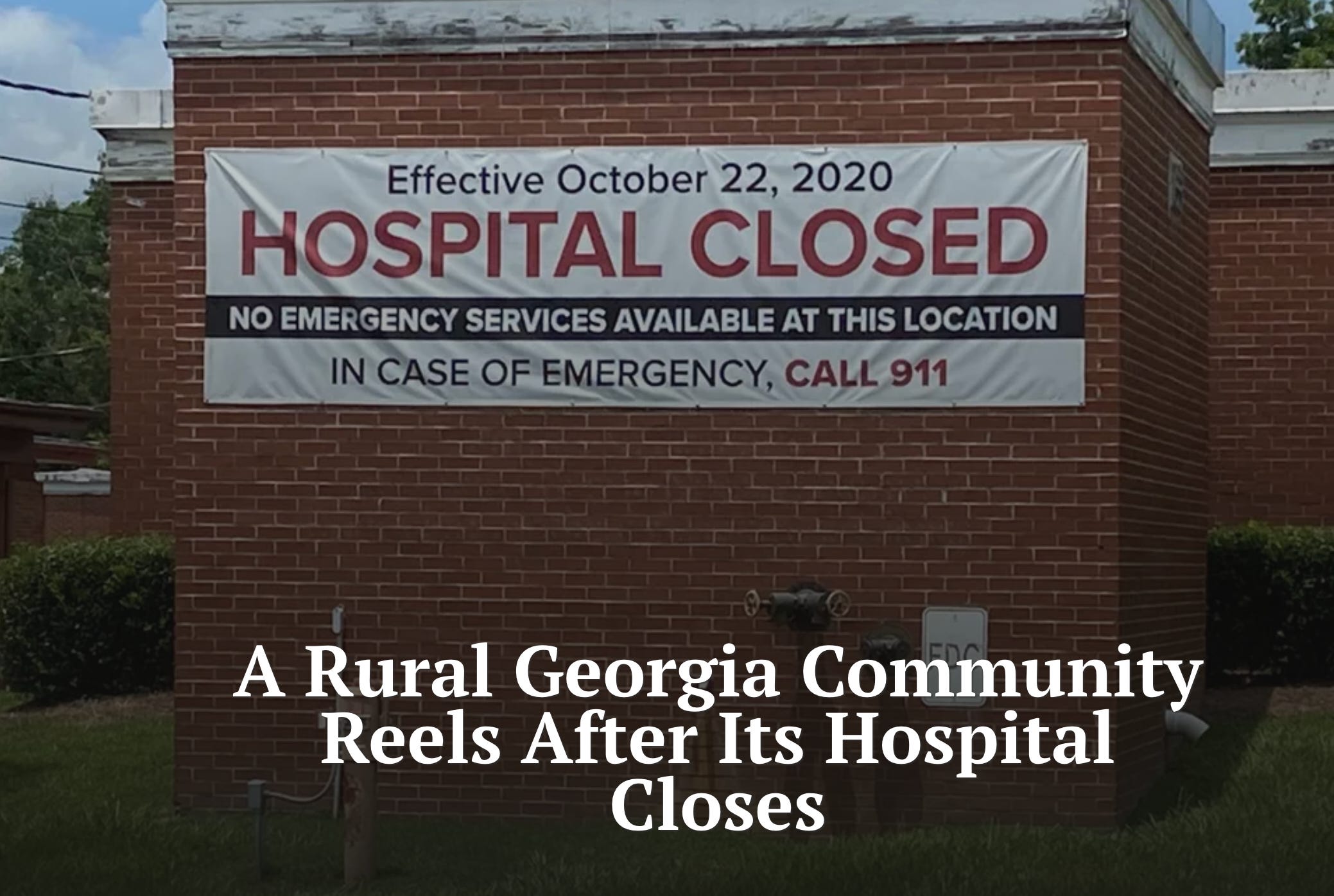
Paul Krugman discusses the potential cuts to Medicaid by Republicans and the implications for low-income Americans, particularly in states like West Virginia.
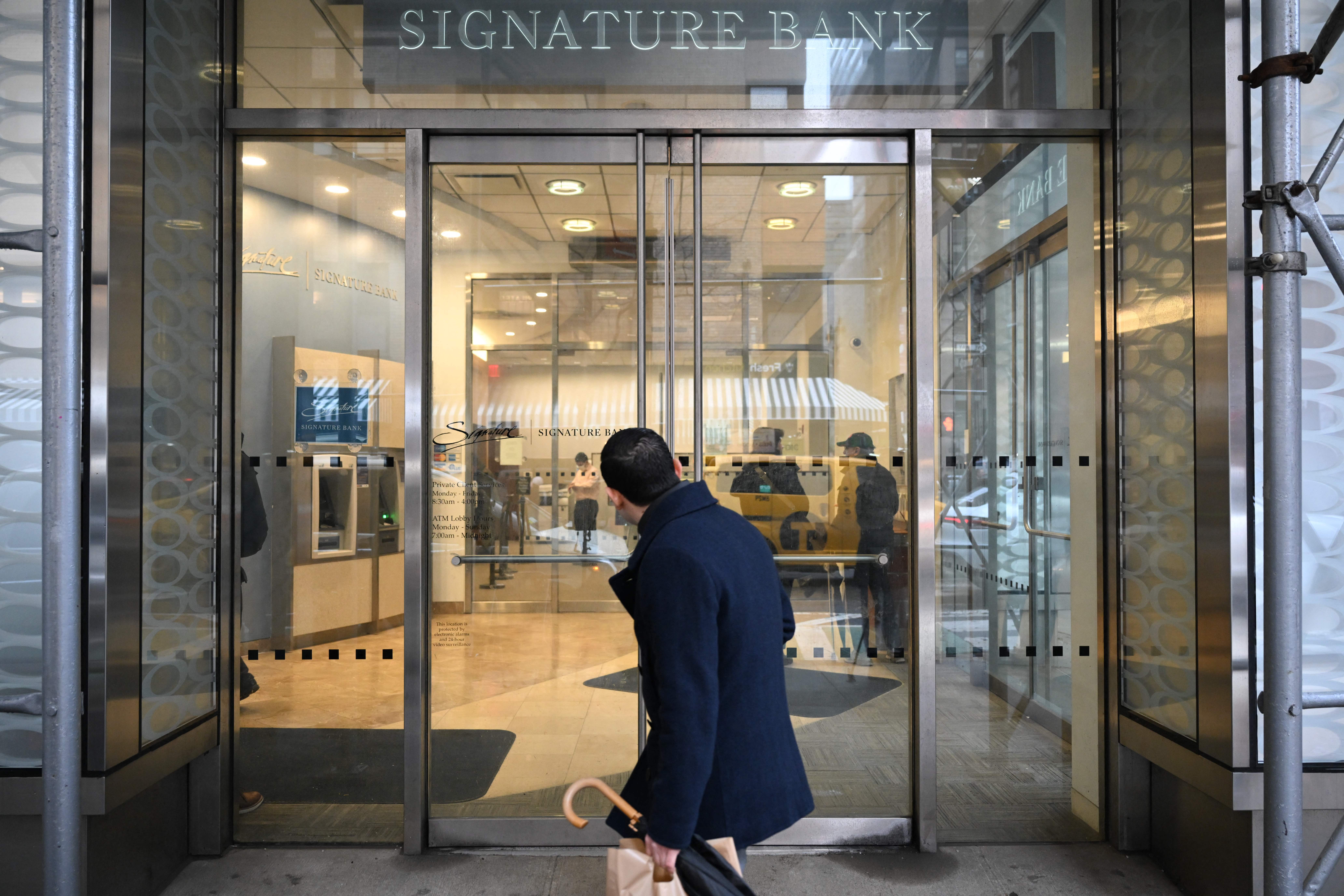
Maria Aspan discusses how President Trump's budget cuts are impacting the FDIC's ability to prevent banking crises.

Danielle Kurtzleben discusses Trump's repeated delays in implementing tariffs on Canada and Mexico, highlighting the uncertainty surrounding his trade policies.

Noah Smith provides a list of recommended and discouraged popular economics books for laypeople, emphasizing the importance of critical reading in economics.

Paddy Hirsch discusses the economic challenges faced by European NATO members in funding their defense needs amid financial struggles.
Tyler Cowen shares insights on various books he has read, highlighting their themes and personal connections to the content.

Amanda Aronczyk discusses the controversy surrounding Tyson Foods' closure of a plant and its subsequent hiring of asylum seekers, impacting local workers in Perry, Iowa.