5601. Weekly Collection of Interesting Things
Paul Goldsmith-Pinkham shares a collection of interesting links and papers related to economics and finance, highlighting recent developments and research in the field.
your daily dose of economic commentary
Paul Goldsmith-Pinkham shares a collection of interesting links and papers related to economics and finance, highlighting recent developments and research in the field.

Melanie Mitchell discusses recent AI news, focusing on misconceptions from politicians and public reactions to advancements in AI technologies like ChatGPT and GPT-4.
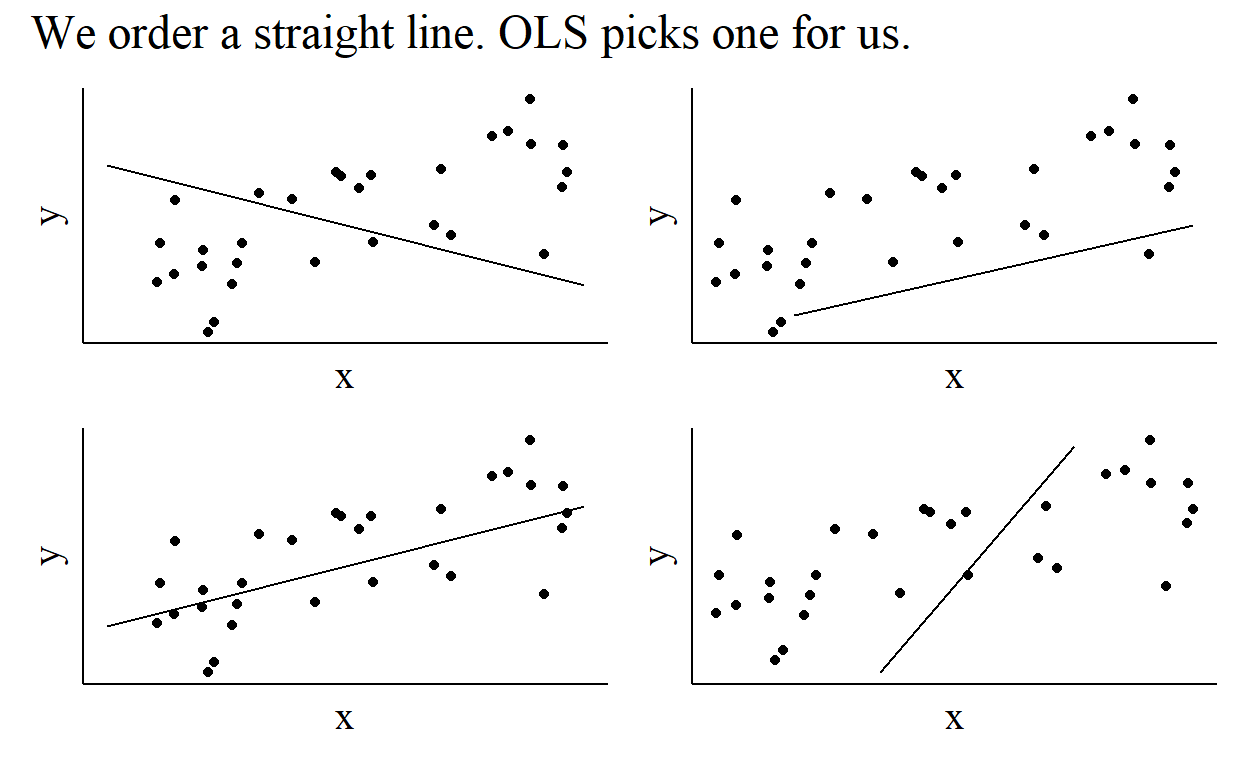
Nick HK explains Ordinary Least Squares (OLS) in simple terms, translating complex mathematical concepts into accessible language for better understanding.

Nick HK discusses common misconceptions and critiques regarding statistical analyses, emphasizing the importance of skepticism while cautioning against unfounded criticisms.
Nick HK discusses the importance and purpose of robustness tests in econometrics, emphasizing their role in validating assumptions and ensuring reliable results in data analysis.

Ed Dolan discusses the implications of supercore inflation on Federal Reserve policy and questions its suitability as a target for monetary policy decisions.
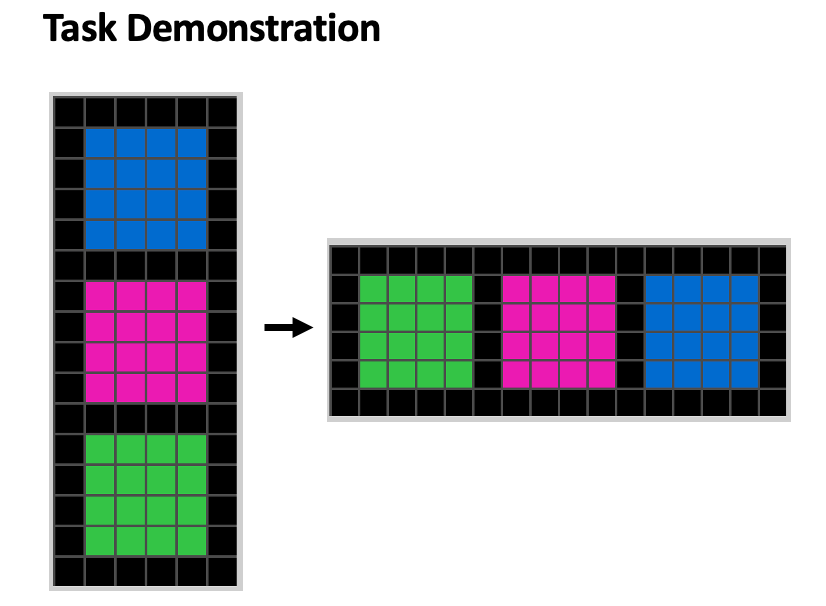
Melanie Mitchell discusses the challenges AI faces in forming concepts and abstractions, highlighting the significance of the Abstraction and Reasoning Corpus for advancing AI research.

Melanie Mitchell discusses ChatGPT's performance on various graduate-level exams, highlighting its passing grades and the implications for AI's understanding and capabilities.

Melanie Mitchell discusses the performance of ChatGPT on graduate-level exams, questioning the implications of AI's test results compared to human capabilities.

The discussion highlights key differences between the 2021-22 inflation and past stagflation episodes, emphasizing implications for future economic policy.

Melanie Mitchell discusses the challenges of detecting machine-generated text and highlights recent research on methods for distinguishing between human and AI-written content.

An argument that better social insurance can coexist with prosperity, challenging the notion that social protections undermine economic growth and emphasizing median income over GDP.
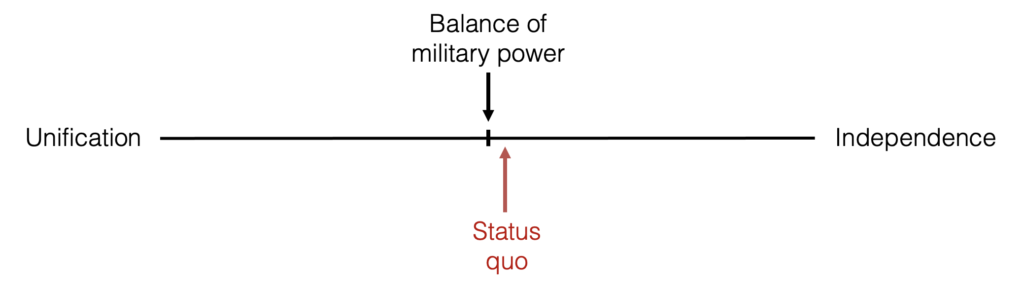
Chris Blattman discusses the potential for a Chinese invasion of Taiwan and its implications for global conflict, particularly the risk of World War III.
The discussion focuses on teaching high school students about conflict through a book, emphasizing clarity, engagement, and reflective learning activities.

An argument that current poverty programs are ineffective due to fragmentation, high benefit reduction rates, and strict work requirements, suggesting policy changes to improve outcomes.

Ed Dolan discusses a welfare reform proposal aimed at abolishing poverty through a guaranteed income system, highlighting its costs and structure compared to other proposals.

Ed Dolan examines the Phillips curve's relevance today, contrasting historical inflation-unemployment dynamics with current economic conditions and expectations.

Ed Dolan discusses the social protection policies in the U.S. compared to its liberal-democratic peers and suggests ways to improve them.

The post explores differing interpretations of freedom in the context of vaccination debates, contrasting individual rights with communal responsibilities and referencing Russian concepts of freedom.

Ed Dolan discusses the need for a centrist liberal party in America, emphasizing the importance of government size in supporting democracy and social welfare.