841. Episode 68. Why Does Europe Struggle with Innovation? With Luis Garicano
Jon Hartley and Luis Garicano discuss Europe's innovation struggles, regulation issues, and Garicano's experiences in academia and politics.
your daily dose of economic commentary
Jon Hartley and Luis Garicano discuss Europe's innovation struggles, regulation issues, and Garicano's experiences in academia and politics.
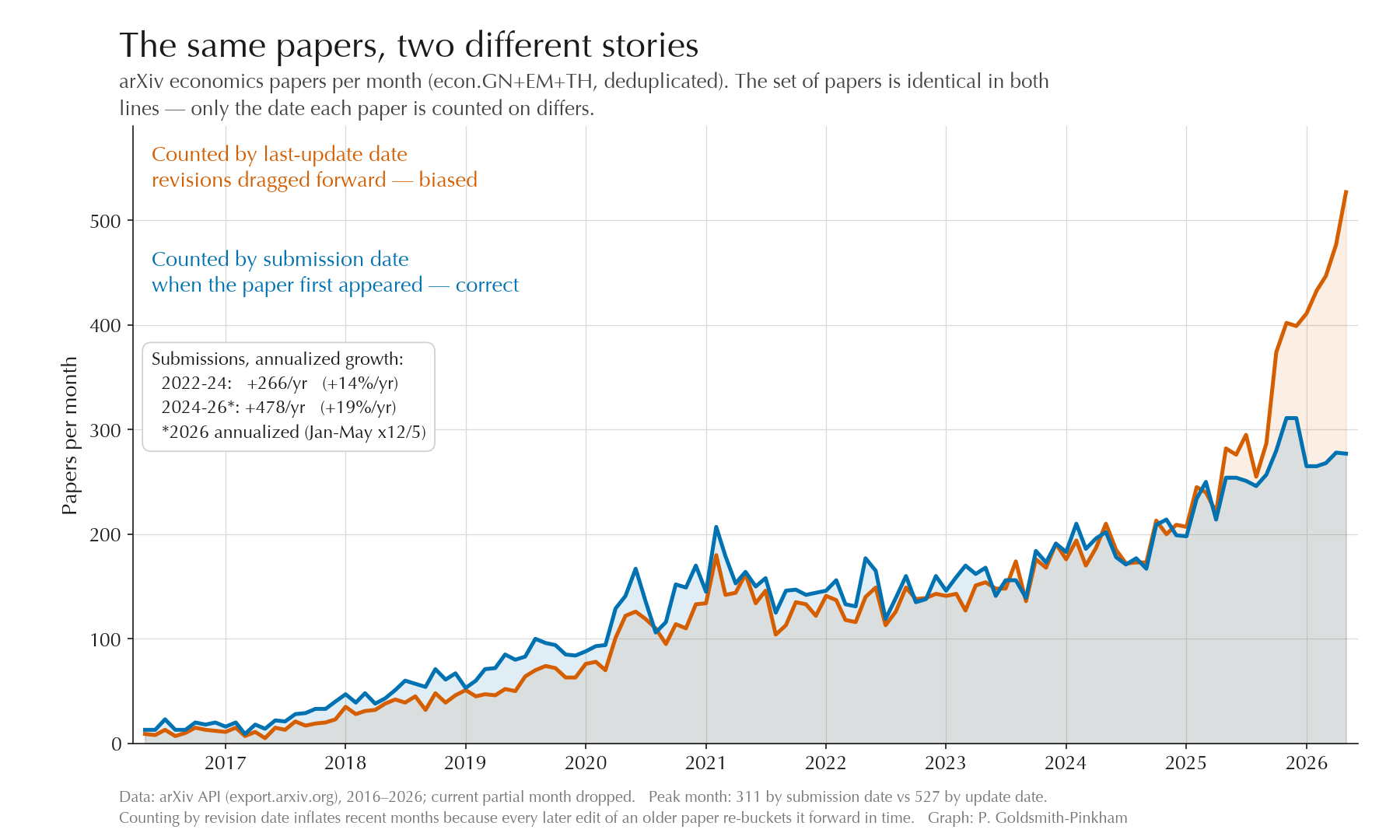
An argument that automated AI procedures in empirical work increasingly rely on difference-in-differences methods, raising concerns about the quality and care in causal evaluations.
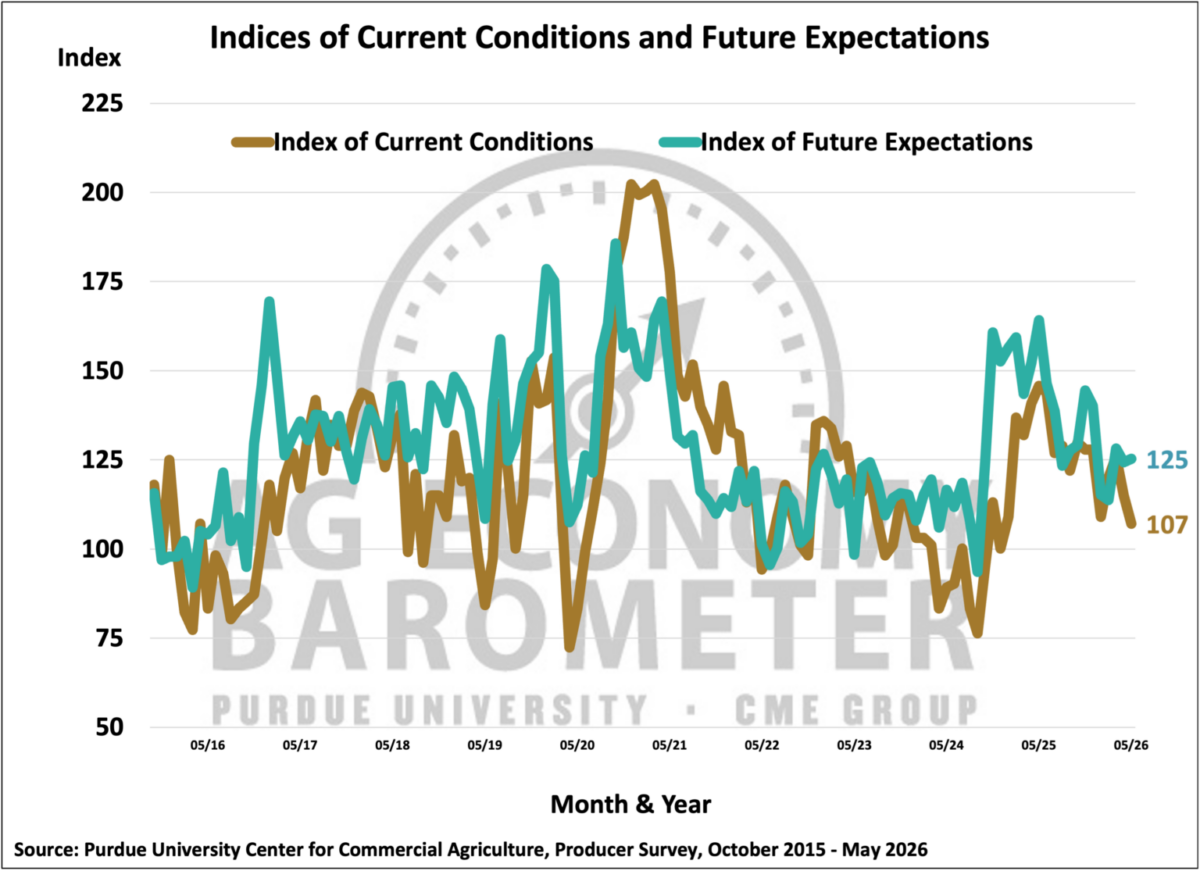
The discussion highlights the impact of war on fertilizer supply, its importance for U.S. agriculture, and potential disruptions in contracts and prices due to geopolitical tensions.
The discussion highlights emerging skepticism about China's future dominance, citing industrial policy limits, technological challenges, and political issues under Xi Jinping as potential weaknesses.
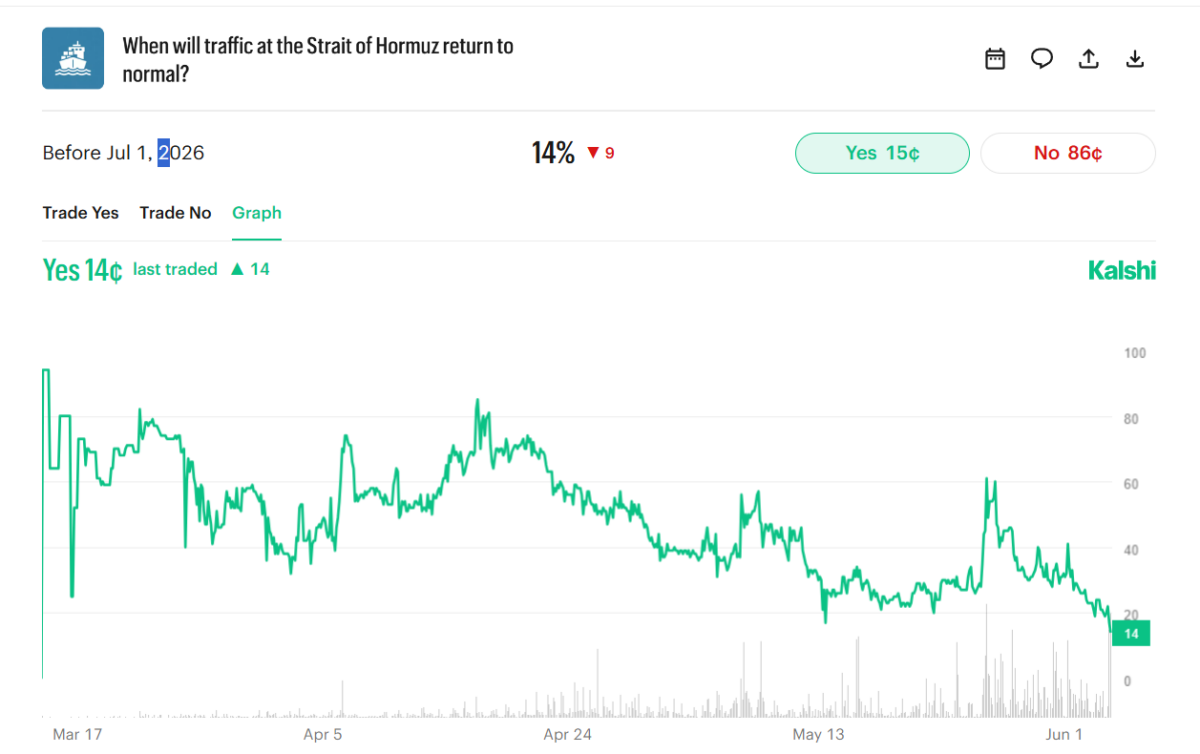
A discussion on the oil crisis, market risks, and differing economic perspectives between two economists, emphasizing the complexities of oil pricing and geopolitical factors.
Robert Vienneau critiques Murray Rothbard's understanding of utility and welfare economics, particularly his concepts of demonstrated preference and praxeology.
The post reflects on personal experiences, shares interesting articles, and discusses cultural topics, including mocktails, literature, and psychological insights.
Jason Breslow discusses a U.S. judge's ruling that the Pentagon's media restrictions violate the First Amendment.
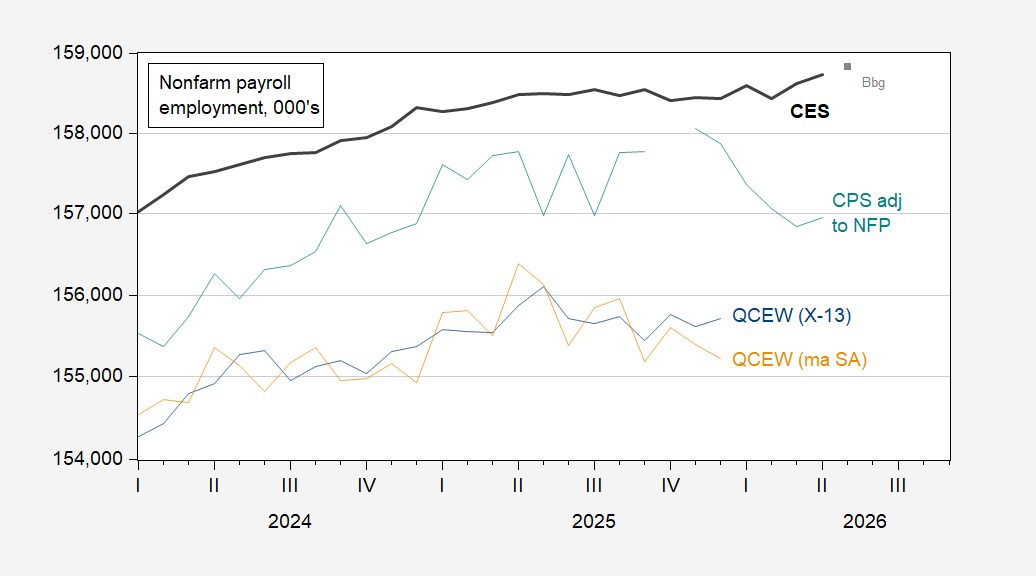
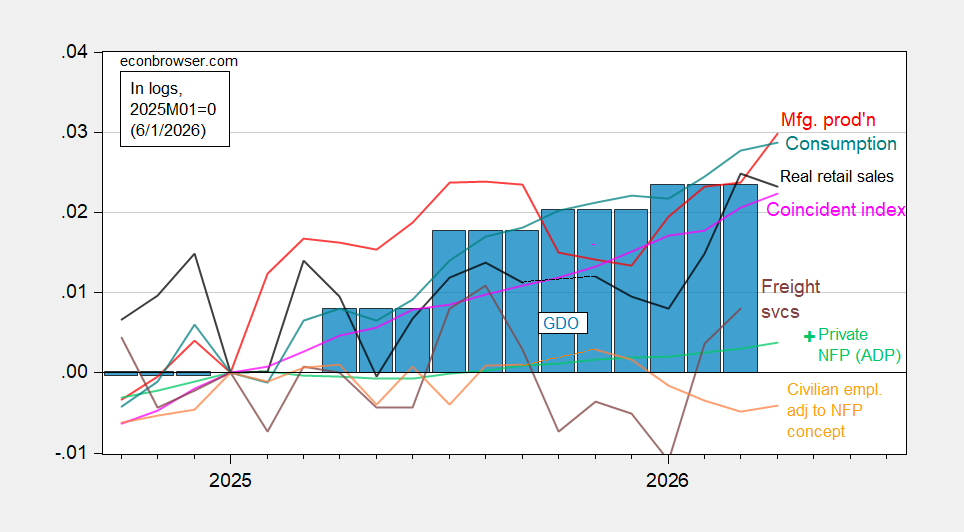
An argument that nowcasts reflect a downward revision of economic forecasts influenced by geopolitical events, while indicating no immediate recession in the near term.
The Associated Press reports that a jury found Elon Musk liable for misleading investors during his Twitter acquisition, although he was cleared of some fraud claims.
The post discusses the closure of CBS News' radio service after nearly a century, highlighting its historical significance and connection to recent layoffs.
An argument that reinstating the 55 mph speed limit could help conserve oil amid high prices, highlighting economic and distributional considerations during a supply crisis.
Scott Cunningham discusses the new "Dispatch" update for Claude Code, its impact on workflow, and revisits a cannabis research paper using the app.
Alex Tabarrok discusses how Denmark's mortgage system could alleviate the U.S. mortgage lock-in effect, enhancing homeowner mobility and stability in the housing market.
Paul Krugman reflects on the decline of America's global reputation and influence through various recent events and reactions.
Jacob Sider Jost explores Adam Smith's famous sentences, emphasizing the importance of communication and persuasion in economic transactions rather than mere self-interest.
An argument that world leaders face significant challenges in effectively reducing rising oil and gasoline prices amid geopolitical tensions and economic factors.
Tyler Cowen discusses evolutionary pressures on AI models, comparing consumer preferences to mate selection, and highlights potential risks from military applications.
The Associated Press reports on the FCC's approval of the Nexstar and Tegna merger amid two lawsuits aimed at blocking it.
An argument that recession probabilities are estimated around 30%-35%, influenced by factors like oil prices and economic conditions, based on various surveys and market data.