921. Bucking stigma, more places turn to factory-built for affordable housing
The post discusses the growing acceptance of factory-built homes as affordable housing solutions amidst a housing shortage and changing perceptions.
your daily dose of economic commentary
The post discusses the growing acceptance of factory-built homes as affordable housing solutions amidst a housing shortage and changing perceptions.
A significant decline in egg prices is attributed to reduced impact from avian flu on egg-laying chickens compared to the previous year.
The post discusses China's criticism of Trump's trade investigation and its approval of a new five-year economic plan.
An analysis of the new COOPER ratings for women's NCAA basketball, highlighting team performance metrics and the methodology behind the ratings system.
Menzie Chinn analyzes changing probabilities of a recession in 2026 based on various market indicators and expert predictions.
The post discusses the decline of progressive urban governance in San Francisco, highlighting issues of housing supply, crime, and the impact of political ideologies on city livability.
An argument that energy prices significantly influence the Federal Reserve's interest rate decisions and economic policy considerations.
The post introduces a new NCAA basketball rating system called COOPER, detailing its methodology, features, and subscription information for users.
Timothy Taylor discusses Canada's economic challenges, focusing on productivity growth and the impact of external trade policies, particularly in relation to the US.
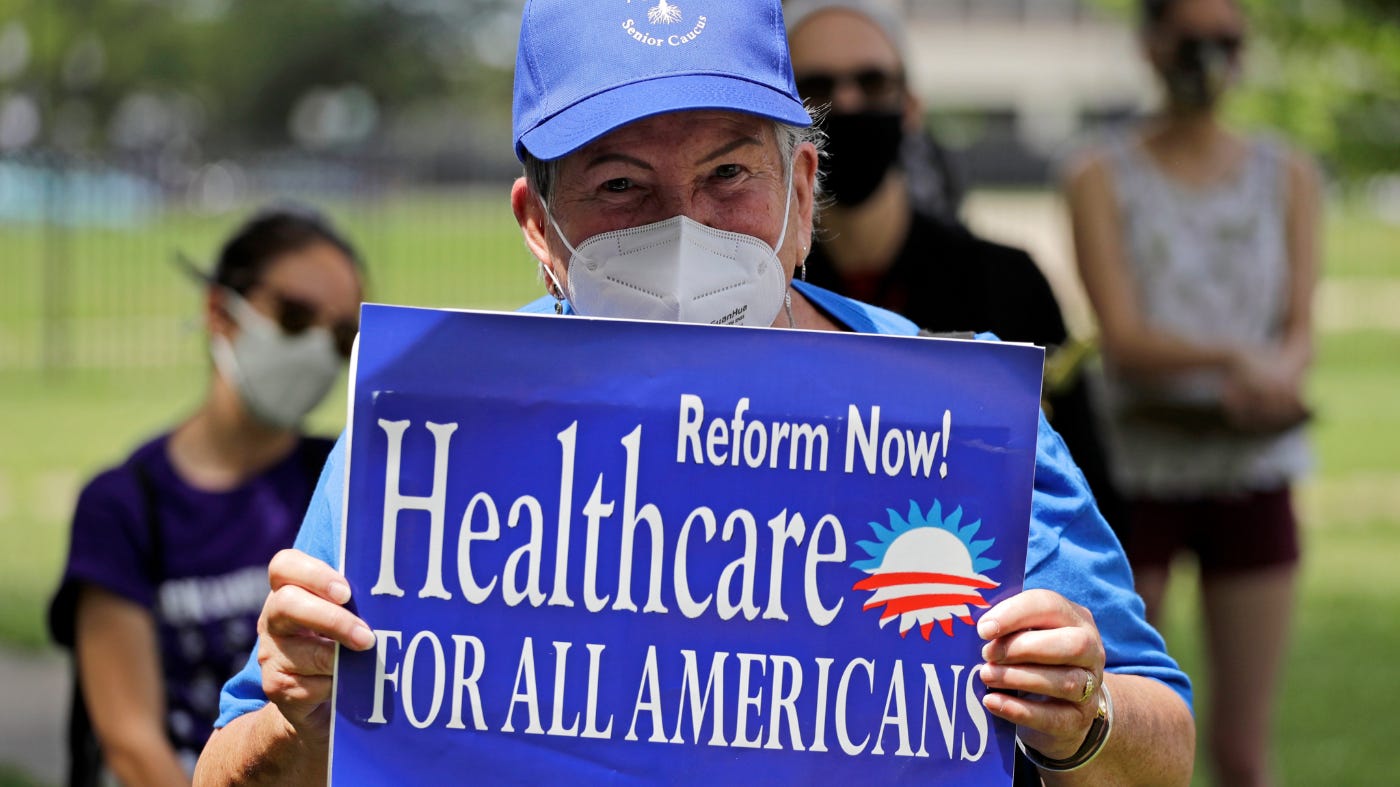
Stephan Bisaha discusses a bipartisan housing bill aimed at restricting large investors from purchasing single-family homes and easing certain regulations.
An examination of discrepancies in statistical estimates from six different packages using the same econometric model and dataset, highlighting significant variations in results.
An argument that explores the influence of billionaires on politics, particularly regarding campaign financing and the consequences of their support for certain administrations and policies.
Menzie Chinn discusses rising oil prices and volatility, questioning whether traffic will resume in the Straits by the end of April.
An argument that alternative employment readings suggest a decline in nonfarm and manufacturing employment, contrasting with more optimistic CES series data.
Eli McKown-Dawson discusses the divide within the Republican Party regarding Trump's military actions in Iran and its potential impact on MAGA supporters.
Tyler Cowen discusses the film's themes of individual agency versus contextual influences, highlighting its critique of Western narratives and the randomness of life experiences.
The post examines the rise in global debt, shifts in bondholders, and the implications of increased price sensitivity among investors.
Bill Chappell discusses how the Iran war is affecting jet fuel prices and airline ticket costs, impacting travelers globally.
The discussion focuses on a housing bill that includes beneficial reforms and controversial restrictions on institutional investors, highlighting both economic and political implications.
An argument that the ban on a specific AI tool by the Department of Defense reflects a broader political agenda against expertise and undermines effective governance and innovation.