1041. OpenAI says it shares Anthropic's 'red lines' over military AI use
Shannon Bond reports that OpenAI's Sam Altman aligns with Anthropic's limitations on military AI use during their conflict with the Pentagon.
your daily dose of economic commentary
Shannon Bond reports that OpenAI's Sam Altman aligns with Anthropic's limitations on military AI use during their conflict with the Pentagon.
Federal agencies will stop using Anthropic's tools within six months due to a presidential ban.
The post explores using AI agents for empirical analysis in social sciences, focusing on a difference-in-differences method applied to a Brazilian mental health reform study.
The post discusses the implications of the merger between Paramount and Warner Bros, highlighting its impact on the media landscape and ownership dynamics.
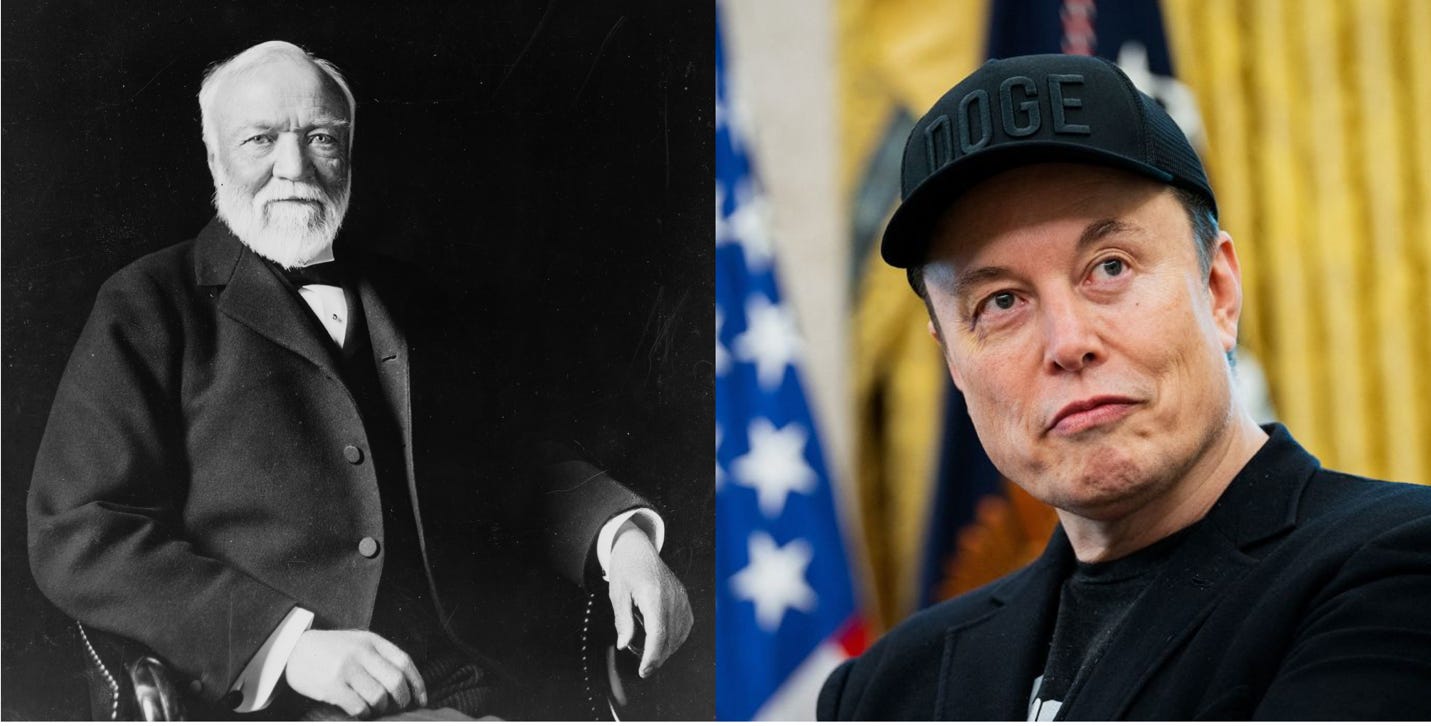
An argument that historical economic recoveries under authoritarian leaders facilitated their power consolidation, contrasting with Trump's inability to leverage economic conditions for similar gains.
The post features a collection of links discussing topics like speculation in housing, the EU's market issues, and various cultural and political anecdotes.
The post discusses AI's impact on productivity, examining contrasting views on its economic effects and the relationship between GDP growth and job growth.
An argument that unlimited access to AI therapy could undermine its effectiveness, as structured limitations in traditional therapy foster personal growth and self-awareness.
An argument that alternative estimates of output for Q4 are presented, focusing on growth rates and projections based on net operating surplus calculations.
The post analyzes the competitive Texas Democratic Senate primary between Jasmine Crockett and James Talarico, highlighting voter demographics and potential outcomes.
The discussion centers on defining pro-Worker AI, its implications for labor value, and the complexities of technology's impact on worker capabilities and economic dynamics.
Warner Bros. prefers Paramount's enhanced acquisition offer over a previous $83 billion agreement with Netflix for its streaming services and assets.
Regan McCarthy discusses bipartisan agreement between Democrats and Republicans on regulating artificial intelligence and data centers across the country.
Stephan Bisaha discusses the recent decline in average home loan rates below 6% and its potential impact on the housing market.
The post discusses the impact of AI on the economy, questioning the validity of predictions about financial chaos and exploring investor reactions to speculative reports.
An argument that critiques traditional labor economics theories, highlighting their ideological biases and outdated assumptions about unemployment and labor market dynamics.
An argument that America's high crime rate, influenced by progressive attitudes, hinders serious discussions and solutions, distinguishing it from other countries' issues.
The post discusses the emergence of autonomous AI agents, focusing on the security vulnerabilities of OpenClaw and its implications for future updates to Claude Code.
Farmers are transitioning fallow land into solar farms due to water access restrictions, highlighting a shift towards renewable energy solutions in agriculture.
James Doubek discusses the relationship between customer reviews and business needs, highlighting the potential negative effects of excessive feedback requests.