
1601. A Switch Point Along The Same Wage Curve With Multiple Agricultural Commodities
Robert Vienneau discusses anomalous switch points in agricultural production, emphasizing their implications for wage curves and cost-minimizing techniques.
your daily dose of economic commentary
Robert Vienneau discusses anomalous switch points in agricultural production, emphasizing their implications for wage curves and cost-minimizing techniques.
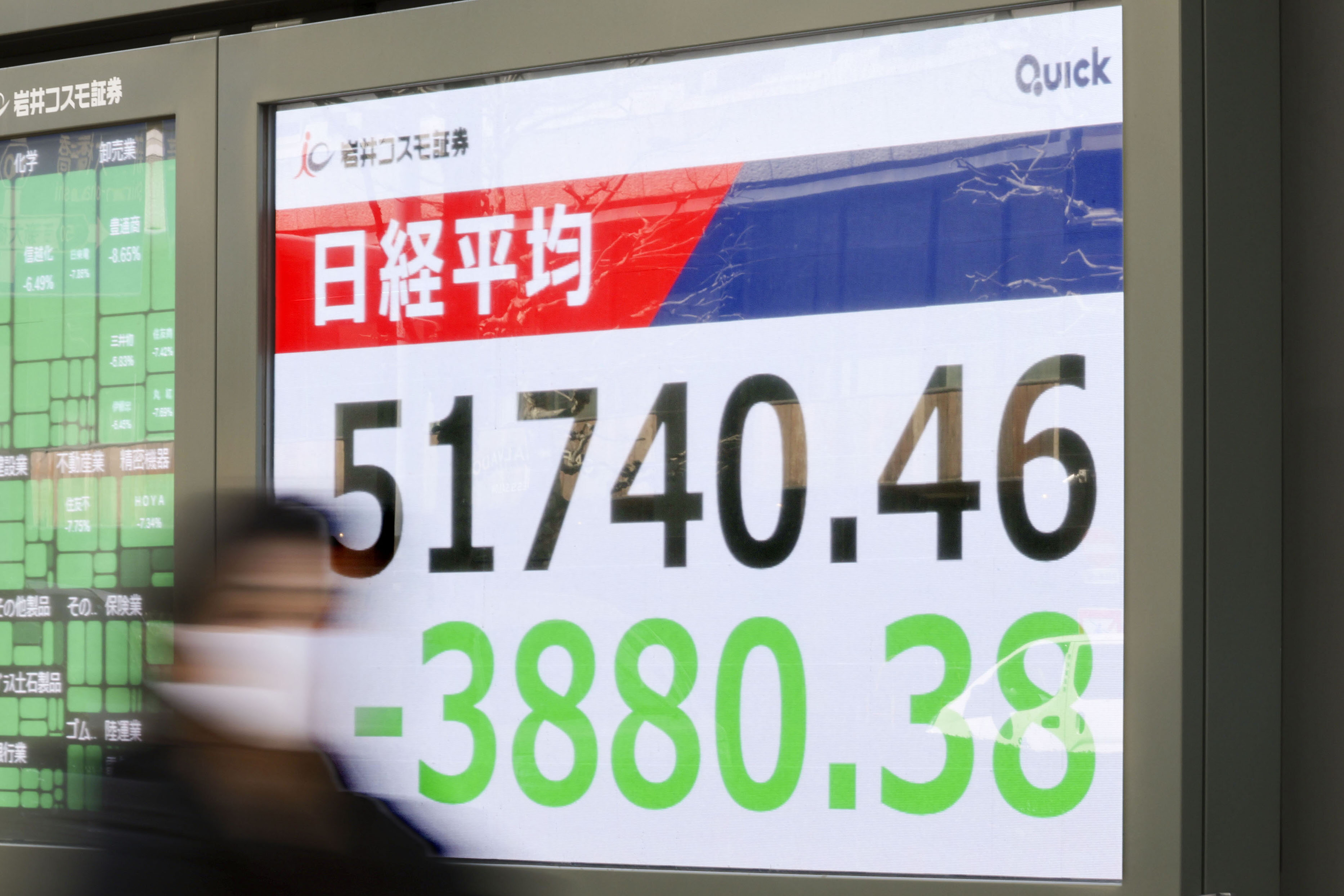
Global stock markets declined sharply as rising crude oil prices, driven by the Iran conflict, raised concerns about economic stability.

Camila Domonoske discusses the surge in crude oil prices amid diminishing hopes for a swift resolution regarding Iran's geopolitical situation.
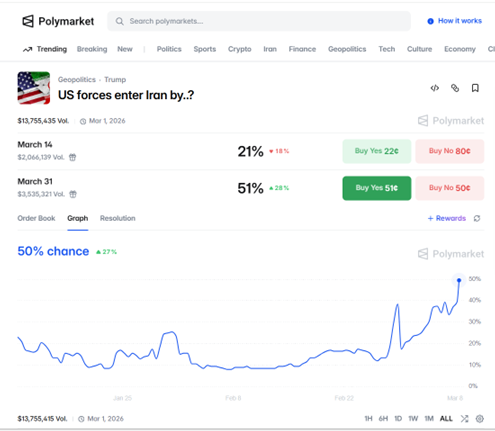
Menzie Chinn discusses market predictions regarding potential US military involvement in Iran and the implications of uncertainty and risk in this context.
Willem Marx discusses the resignation of an OpenAI robotics leader due to concerns over the company's AI agreement with the Pentagon.
The post discusses the potential spike in gas prices due to geopolitical tensions, particularly the war in Iran, and its implications for U.S. politics and public opinion.
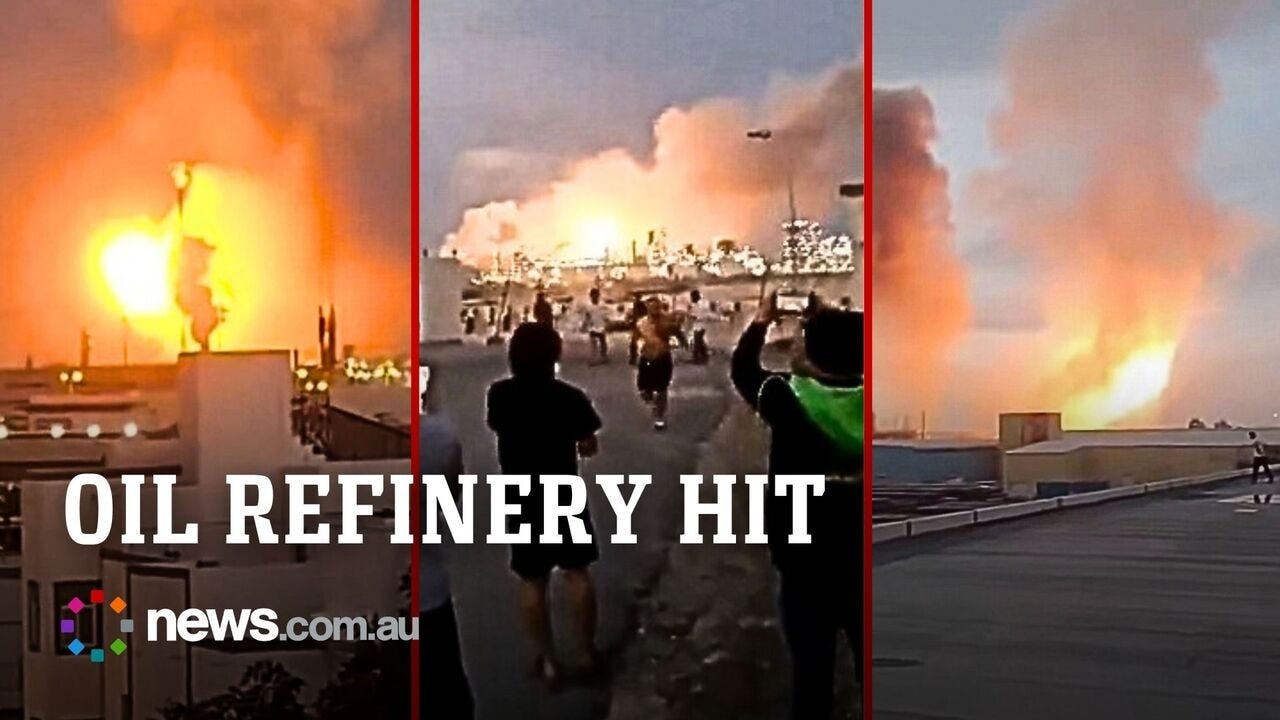
Paul Krugman discusses the historical and potential future impacts of oil crises on the global economy, comparing past events to current situations in the Middle East.
An argument that parents often seek external solutions for managing their children's social media use instead of taking responsibility themselves, driven by a desire for approval.
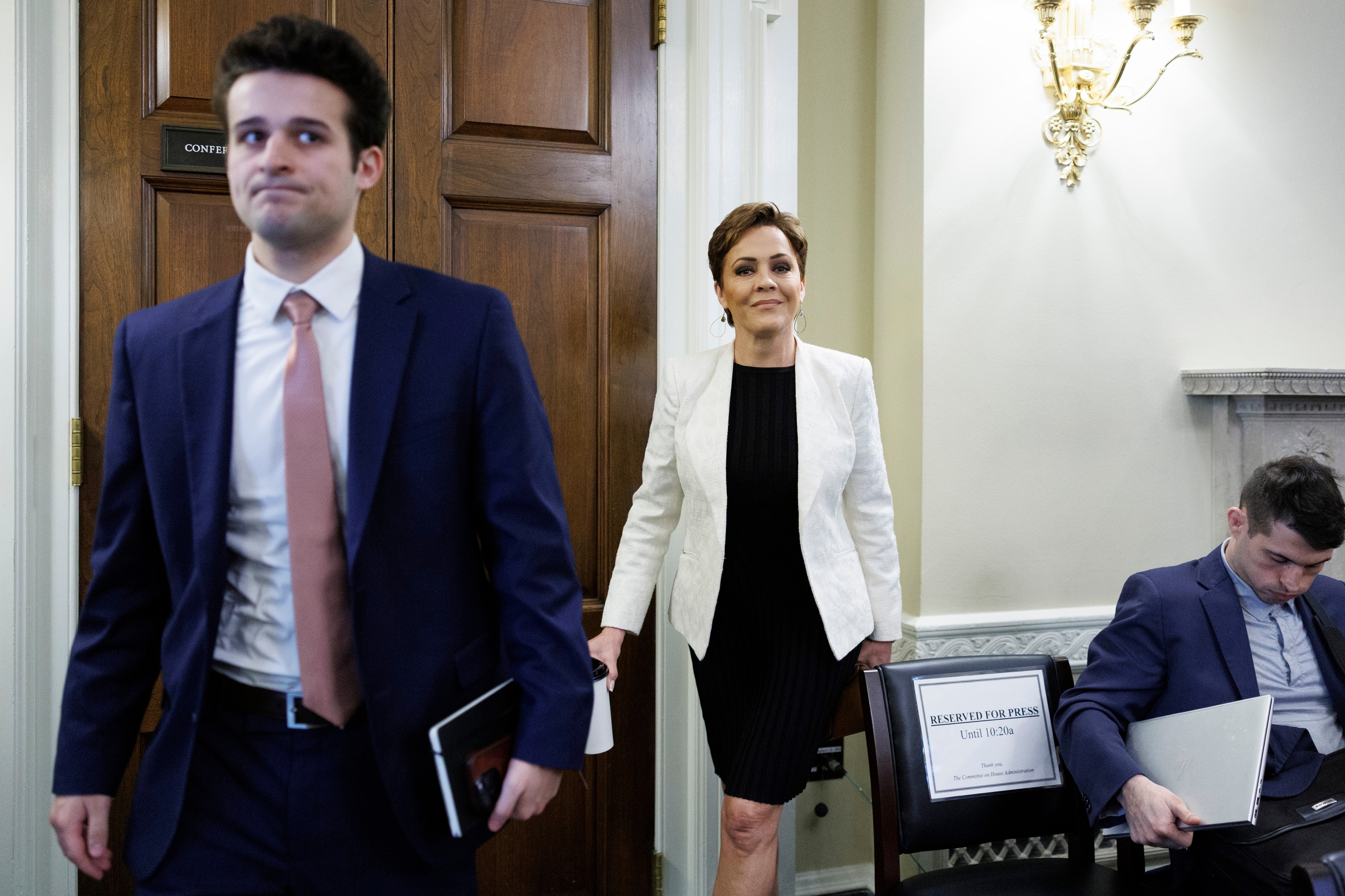
David Folkenflik discusses a U.S. judge's ruling that Kari Lake's actions regarding Voice of America were unlawful, including significant layoffs of staff.

The post examines the current U.S. economy, highlighting strong productivity growth alongside stagnant job growth, and explores potential implications of AI and data center expansion.
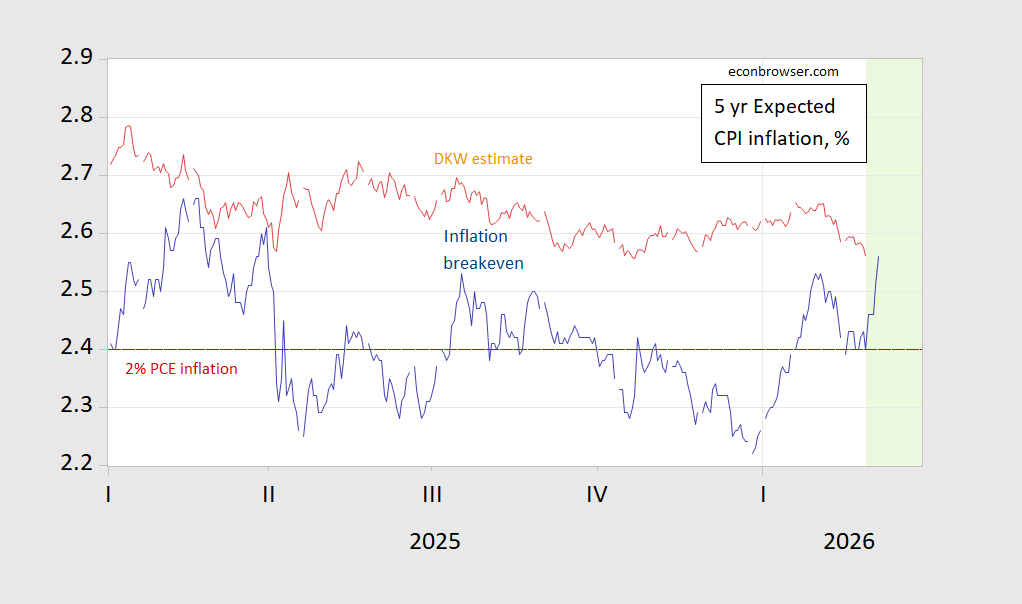
Menzie Chinn analyzes inflation expectations using Treasury-TIPS spreads and discusses factors influencing these expectations, including geopolitical events.

The post shares personal anecdotes and links related to love, relationships, economics, labor markets, AI, and notable chefs, while reflecting on various social themes.
An argument that stringent labor laws in Europe discourage hiring and innovation, leading firms to avoid risks and favor stability over radical experimentation.
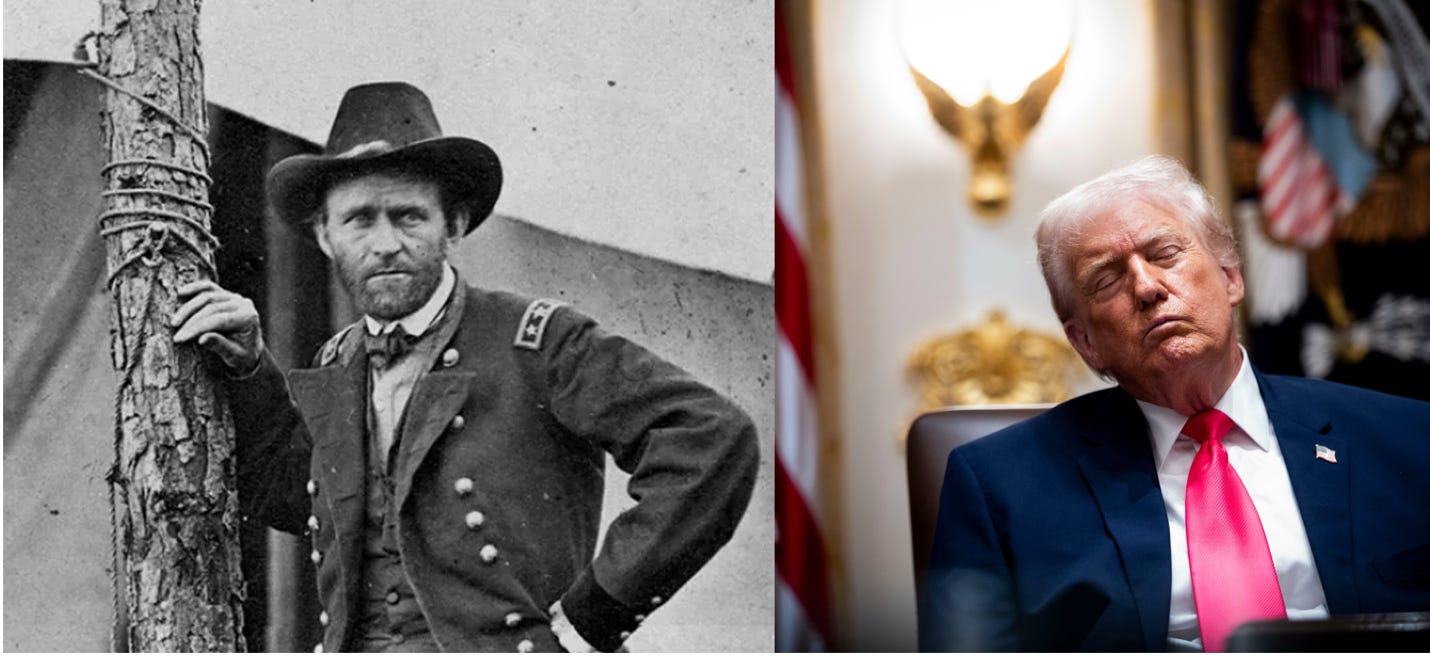
Paul Krugman discusses his inability to conduct an interview this week due to personal matters and mentions an upcoming primer on energy crises.
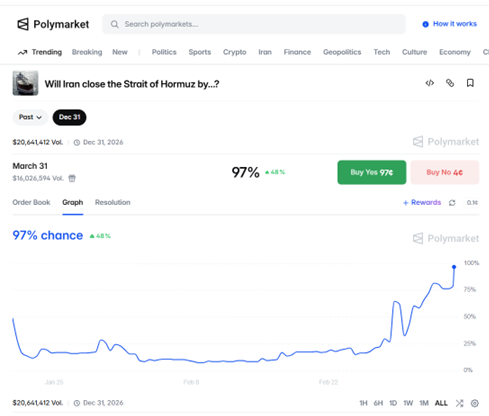
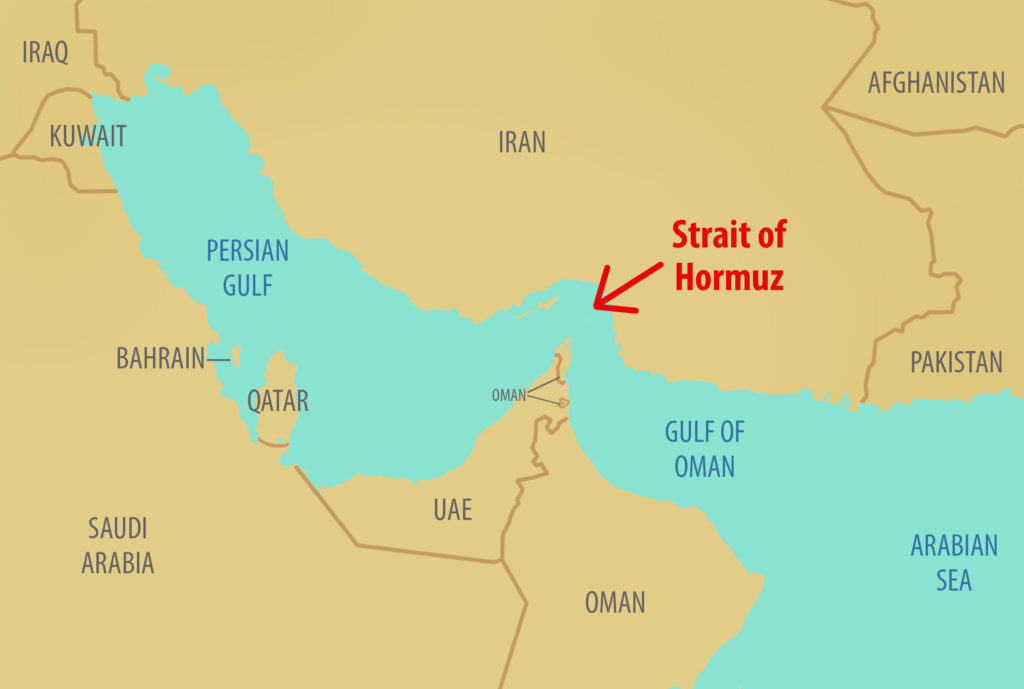
An argument that the Strait of Hormuz may face significant closure, impacting oil prices and trade dynamics based on market predictions and economic forecasts.
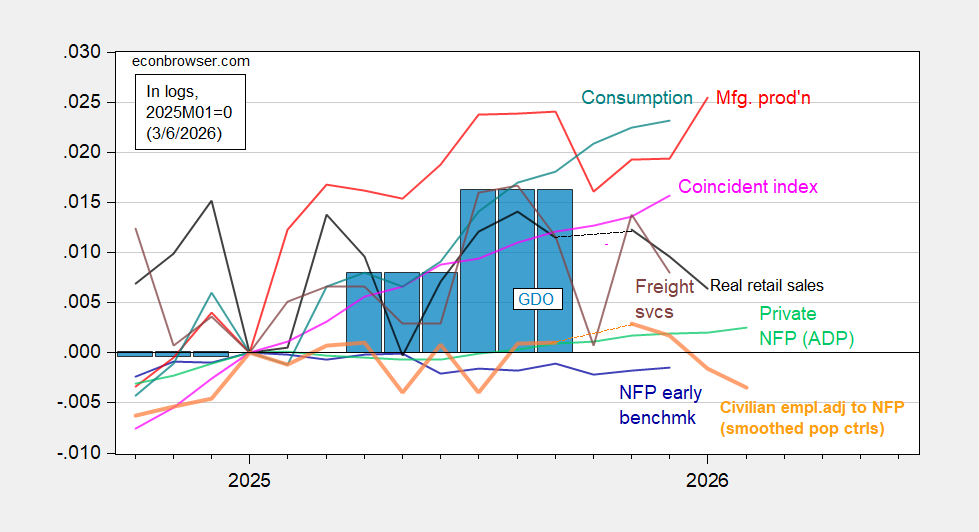
An argument that various economic indicators, including employment and retail sales, show a downward trend, impacting GDP forecasts and reflecting business cycle dynamics.
An argument that demographic changes are widening the wage gap between older and younger workers, highlighting economic implications for employment and income distribution.

Concerns over stagnating growth and high inflation led to falling stocks, while oil prices reached their highest levels since 2023 due to the Iran war.

Scott Horsley discusses U.S. Customs' plan to simplify the tariff refund process for importers, eliminating the need for lawsuits.
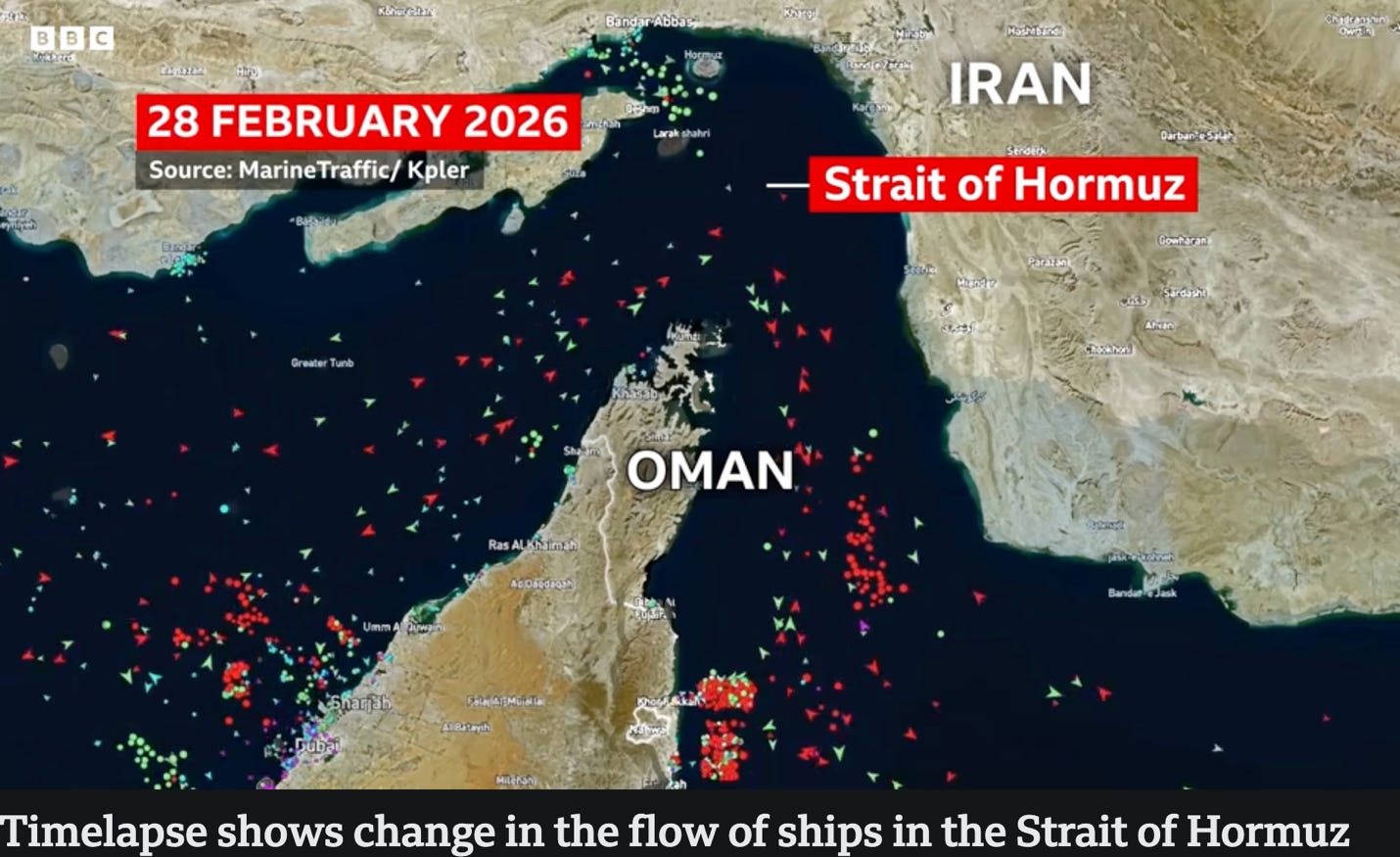
An argument that reducing reliance on fossil fuels enhances national security by promoting renewable energy, especially in light of geopolitical tensions affecting oil supply chains.