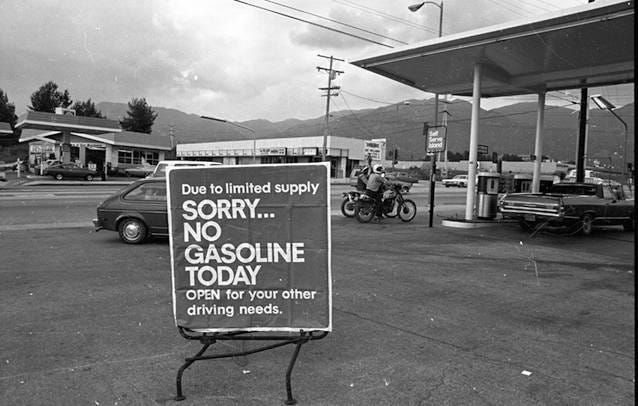
1661. War, Oil and the World Economy
An argument that the current geopolitical tensions in Iran may impact the world economy differently than in 1979, emphasizing changes in oil dependency and market responses.
your daily dose of economic commentary
An argument that the current geopolitical tensions in Iran may impact the world economy differently than in 1979, emphasizing changes in oil dependency and market responses.

Camila Domonoske discusses the surge in oil prices and falling stocks due to concerns over a potential war in Iran.
An argument that Iran's strategy in the ongoing conflict involves escalating attacks on the US and its allies to increase costs and demonstrate resilience against perceived aggression.

An argument that electric vehicle batteries are lasting longer than initially expected, alleviating concerns about costly replacements.

A trader profited significantly from betting on the death of Iran's supreme leader, raising concerns about insider trading in prediction markets.
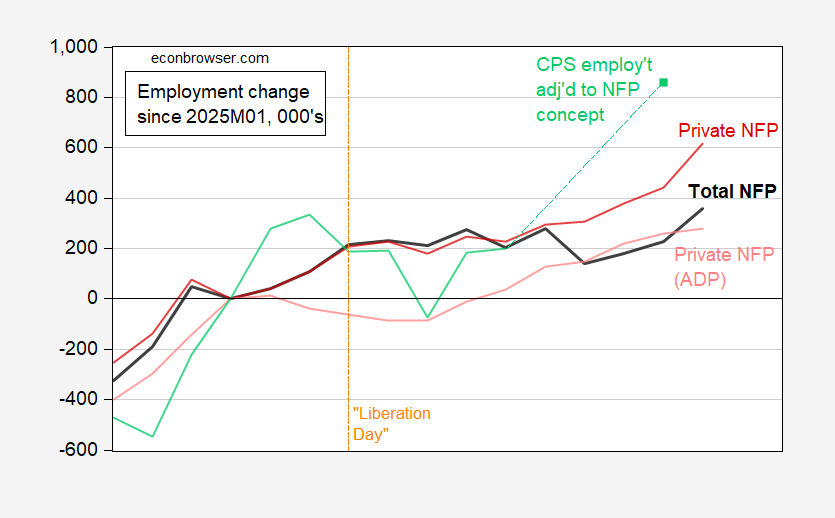
Menzie Chinn discusses employment data adjustments and projections in the context of BLS and ADP reports, highlighting implications for future employment estimates.
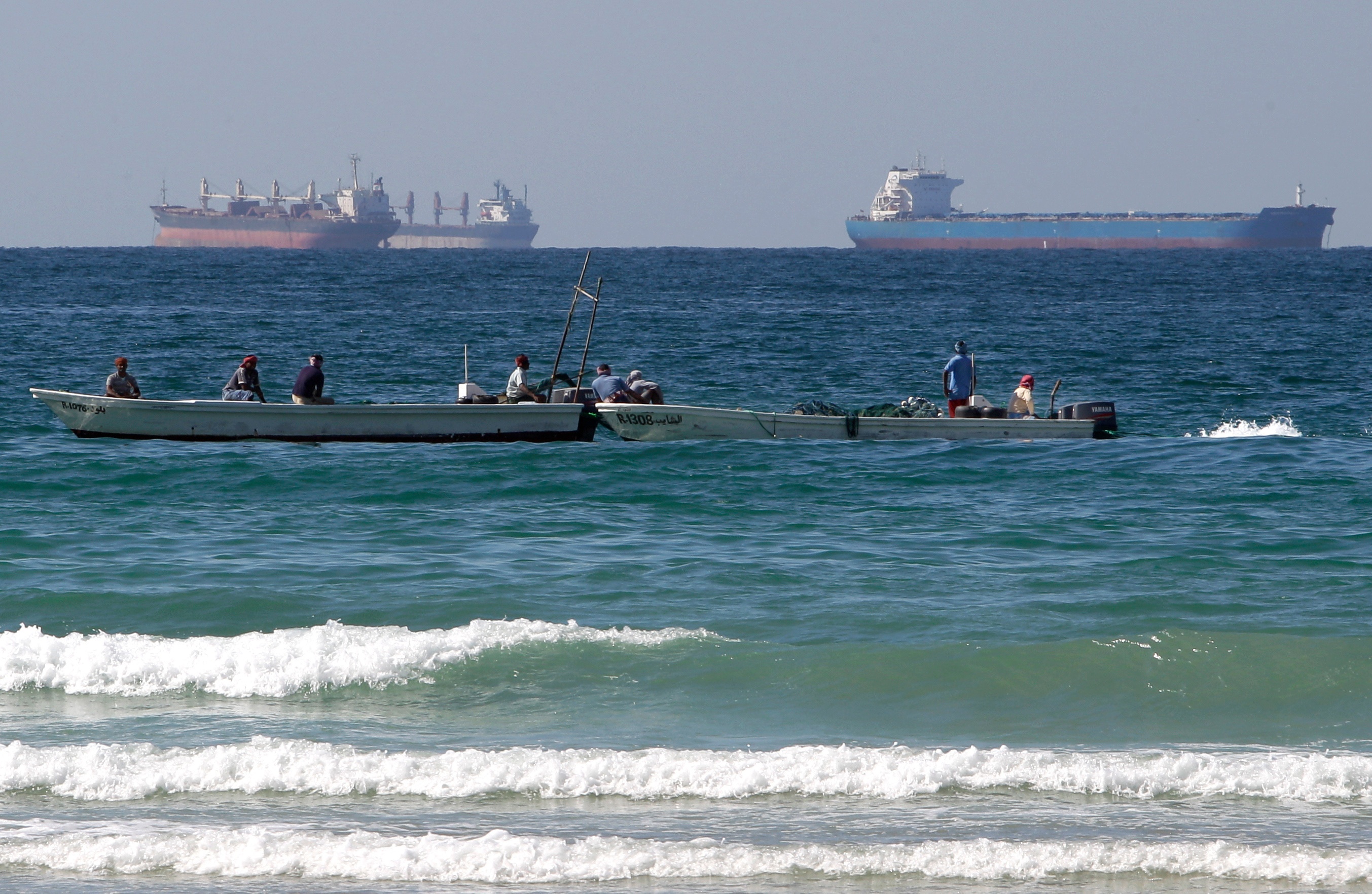
The Associated Press discusses how U.S. and Israeli attacks in the Middle East have led to sharp increases in oil prices due to supply disruptions.
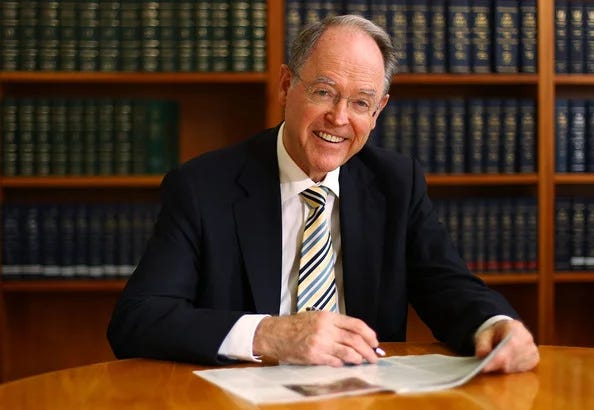
A discussion on the origins of inflation targeting in New Zealand, market reforms, and the intersection of economics and politics through Don Brash's experiences.
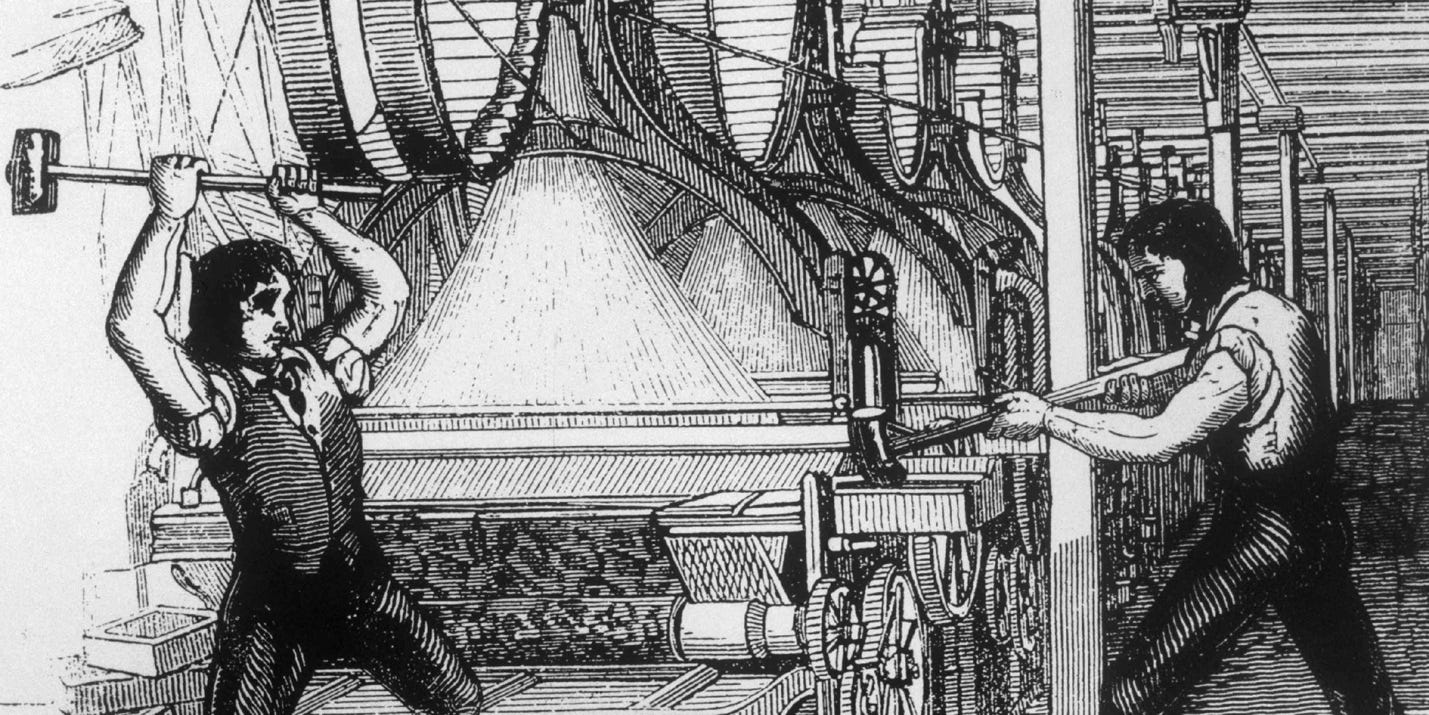
Paul Krugman discusses the historical context of technological change, its economic implications, and concerns about AI's impact on jobs, wages, and market structures.
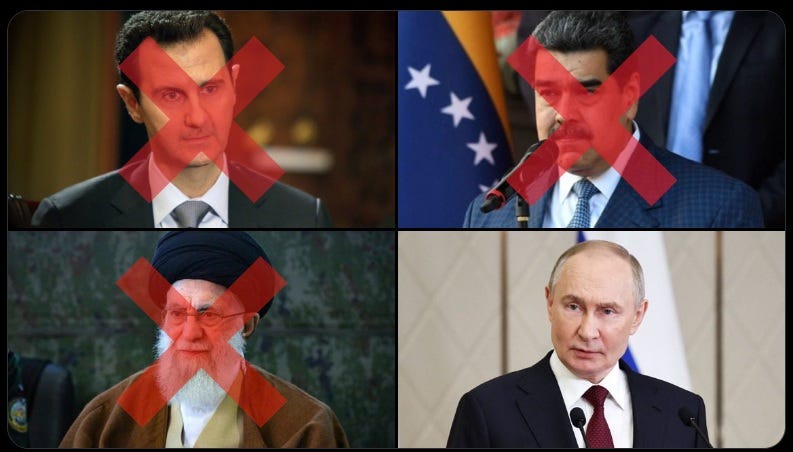
Noah Smith discusses the implications of recent U.S. and Israeli actions against Iran, highlighting shifts in global power dynamics and the weakening of Pax Americana.
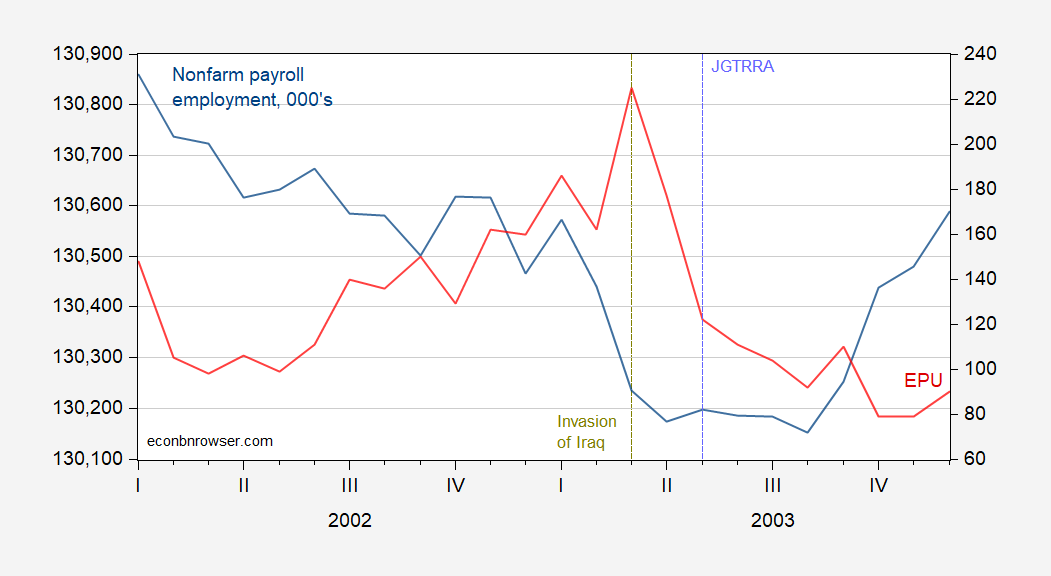
Menzie Chinn analyzes the relationship between employment, economic policy uncertainty, and geopolitical risks, comparing current trends to those during the 2003 Iraq war.
The post discusses the implications of government decisions on AI companies, particularly Anthropic and OpenAI, and the intersection of AI with politics and military competitiveness.

The post discusses various topics including AI, economics, relationships, and societal issues, highlighting the unpredictability of AI's impact on markets and personal lives.

Paul Krugman discusses market dynamics and technological change with Barry Ritholtz, focusing on the impact of AI on jobs and the economy.
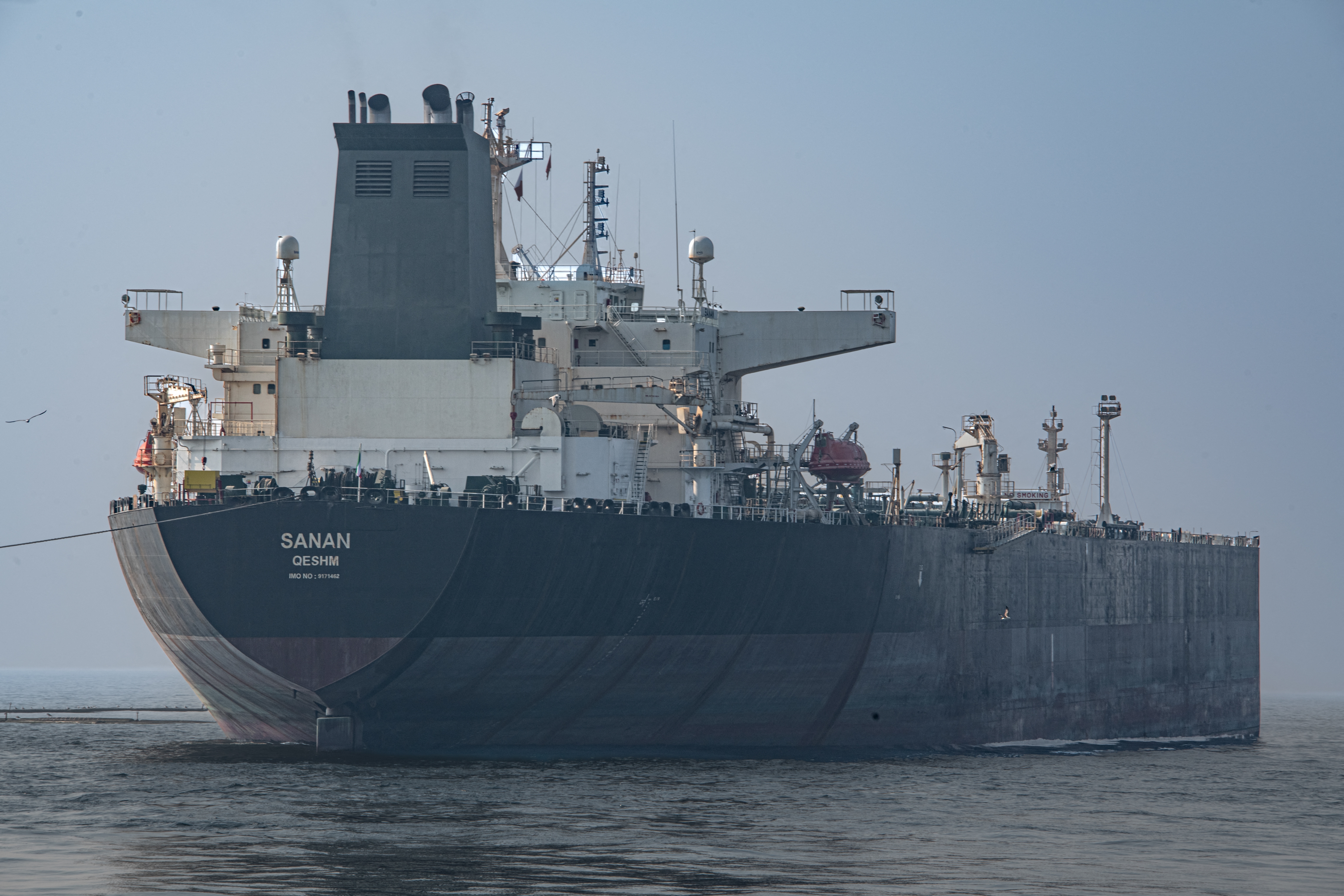
The impact of U.S. strikes in Iran on global oil supply and market dynamics is explored, highlighting Iran's significant role in oil production and exports.

An argument that explores reswitching techniques in agriculture, highlighting the differences in extensive and intensive rent across multiple commodities and land types.
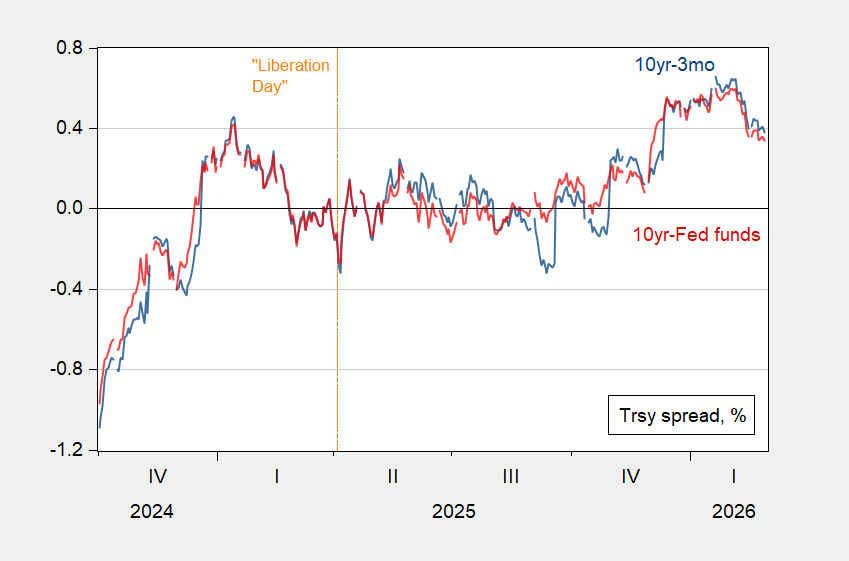
Menzie Chinn discusses the implications of the shrinking term spreads in Treasury yields and their relationship to inflation and default risk.

Timothy Taylor discusses the economic implications of layoffs, comparing costs in Europe and the U.S., and how these affect innovation and restructuring strategies.

Shannon Bond reports that OpenAI's Sam Altman aligns with Anthropic's limitations on military AI use during their conflict with the Pentagon.
Federal agencies will stop using Anthropic's tools within six months due to a presidential ban.