
2041. What's happening with furniture prices? A tale of $399 couches and tariffs
An argument that competition and tariffs influence furniture prices, highlighting the impact of overseas rivals and second-hand goods on affordability.
your daily dose of economic commentary
An argument that competition and tariffs influence furniture prices, highlighting the impact of overseas rivals and second-hand goods on affordability.

Scott Horsley discusses the impact of the federal shutdown on employment reports and the challenges analysts face in assessing the job market.

The Associated Press reports that Boeing will not face criminal charges but will pay $1.1 billion in fines and compensation related to the 737 Max crashes.

Noah Smith discusses the shift away from traditional social media towards fragmented online interactions, highlighting generational preferences and the implications for society and politics.

Menzie Chinn discusses recent labor market data, highlighting job openings, employment trends, and significant job cuts in the context of economic analysis.

Alex Tabarrok critiques a proposed legislation mandating AM radios in vehicles, arguing it reflects outdated thinking instead of addressing modern communication needs.

The post highlights the availability of the Fall 2025 issue of a journal, discussing its contents and key articles related to government debt and fiscal policy.

Bill McBride discusses the slowdown in US home price growth, highlighting regional differences and the impact of economic factors on housing demand.
An argument that reducing tariffs and simplifying regulations could significantly boost rooftop solar adoption in the U.S., enhancing energy resilience and lowering costs.

Camila Domonoske discusses Tesla's proposed compensation for Elon Musk, highlighting the significant financial figures involved.

A new contributor shares a roundup of interesting links and commentary on diverse topics, including economics, innovation policy, and cultural insights.

Bill McBride discusses a decline in hotel occupancy rates and the potential impact of government actions on air travel and tourism.
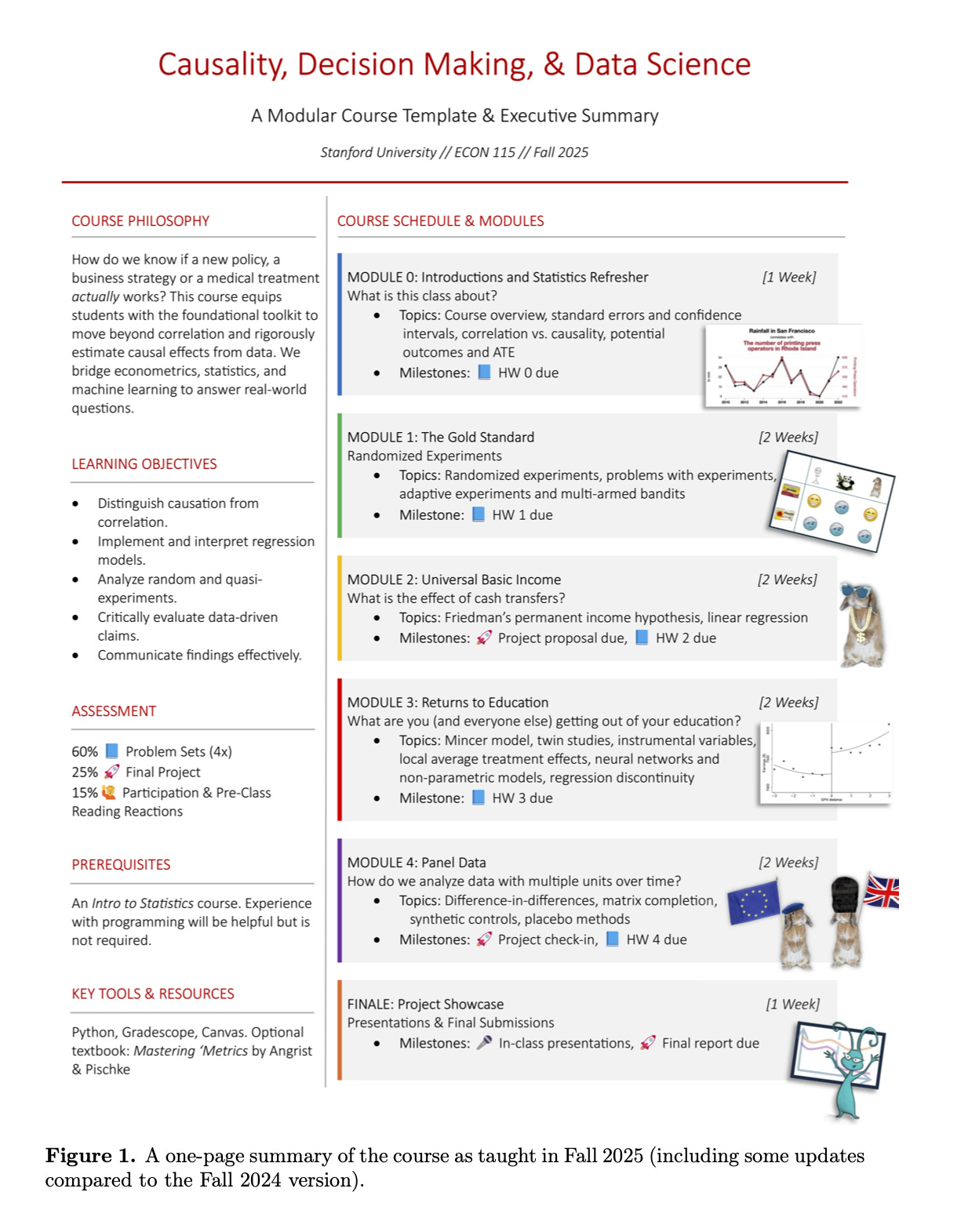
Scott Cunningham discusses a new undergraduate course on causal inference by Guido Imbens and compares it to his own course at Harvard, reflecting on teaching methods and content.

Maria Aspan discusses the challenges and implications for Wall Street following the election of mayor-elect Zohran Mamdani, amid significant opposition from wealthy elites.

An argument that recent voting trends indicate a significant shift of Hispanic voters back to Democrats, influenced by economic realities and perceptions of Trump’s policies.
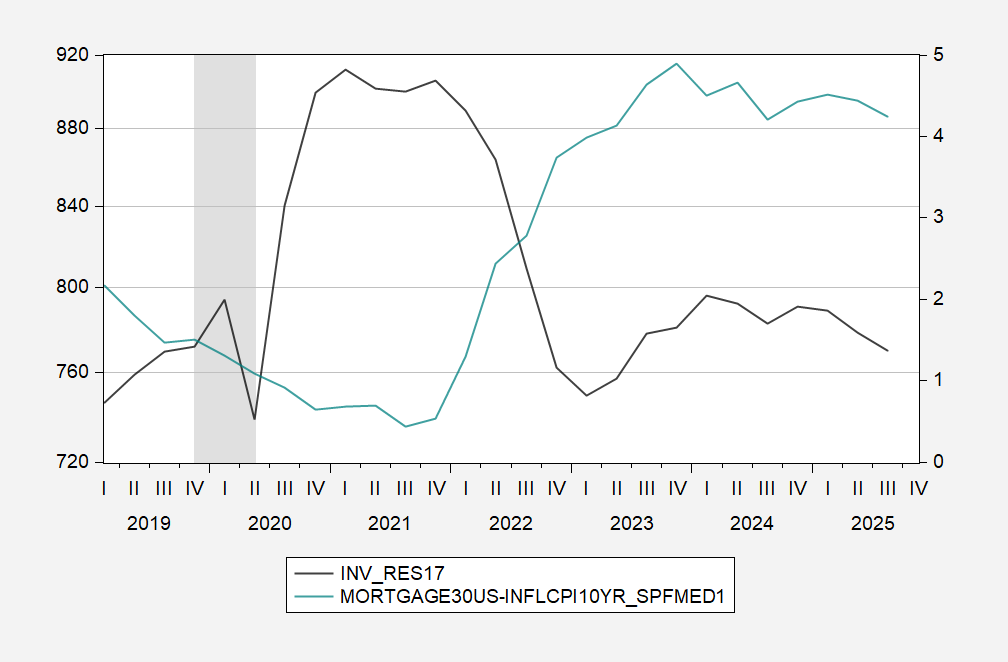
An argument that high policy uncertainty significantly affects residential investment, potentially more than high interest rates, based on regression analysis of economic data.

The impact of immigration policies on the construction industry’s labor shortage is highlighted, emphasizing the challenges faced by foreign-born workers.

Scott Horsley discusses the rising demand and prices for electricity, attributing some of the increase to artificial intelligence influences.

An argument that credit history significantly influences auto insurance premiums, potentially leading to higher costs for consumers.
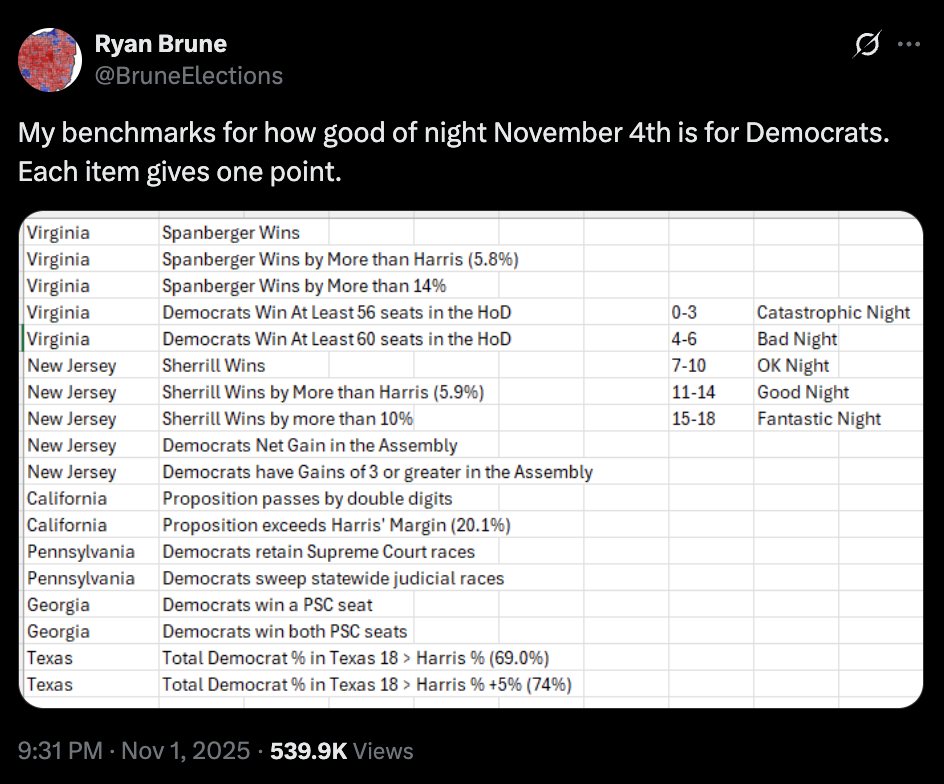
The post analyzes recent electoral successes for Democrats, highlighting key races and the implications of these results for future political dynamics, particularly in New York.