
2681. End the Fed?
An argument that the Federal Reserve's central planning undermines the economy by distorting interest rates and controlling prices, leading to economic disarray and loss of currency value.
your daily dose of economic commentary
An argument that the Federal Reserve's central planning undermines the economy by distorting interest rates and controlling prices, leading to economic disarray and loss of currency value.

An argument that traditional assessment methods, like blue book exams, may not effectively address the challenges posed by AI in education and could hinder genuine learning.
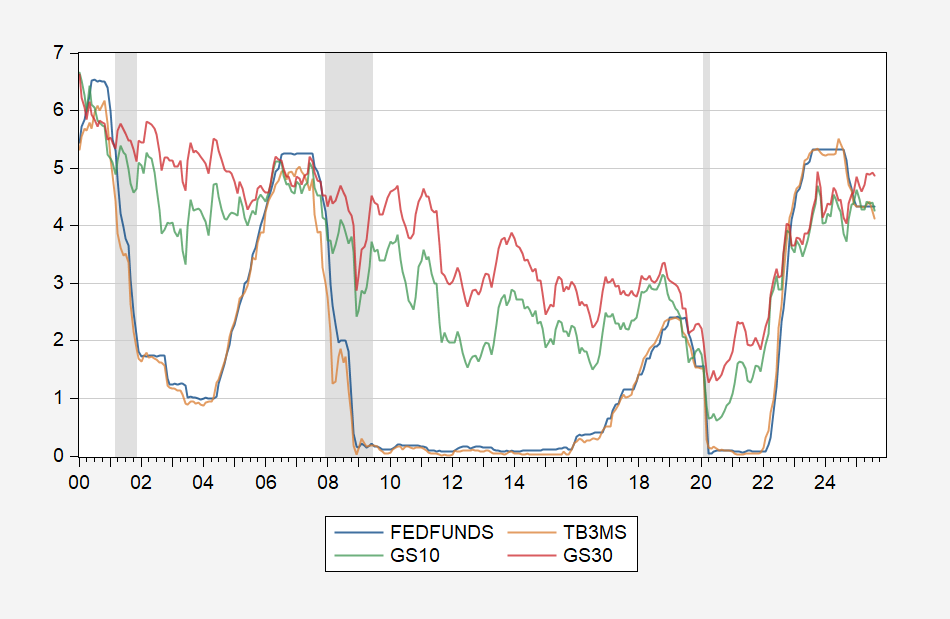
Menzie Chinn discusses graphs illustrating the current state of the financial system as part of his teaching course.

Timothy Taylor discusses the availability of the Summer 2025 issue of the Journal of Economic Perspectives online, encouraging readers to access it freely.
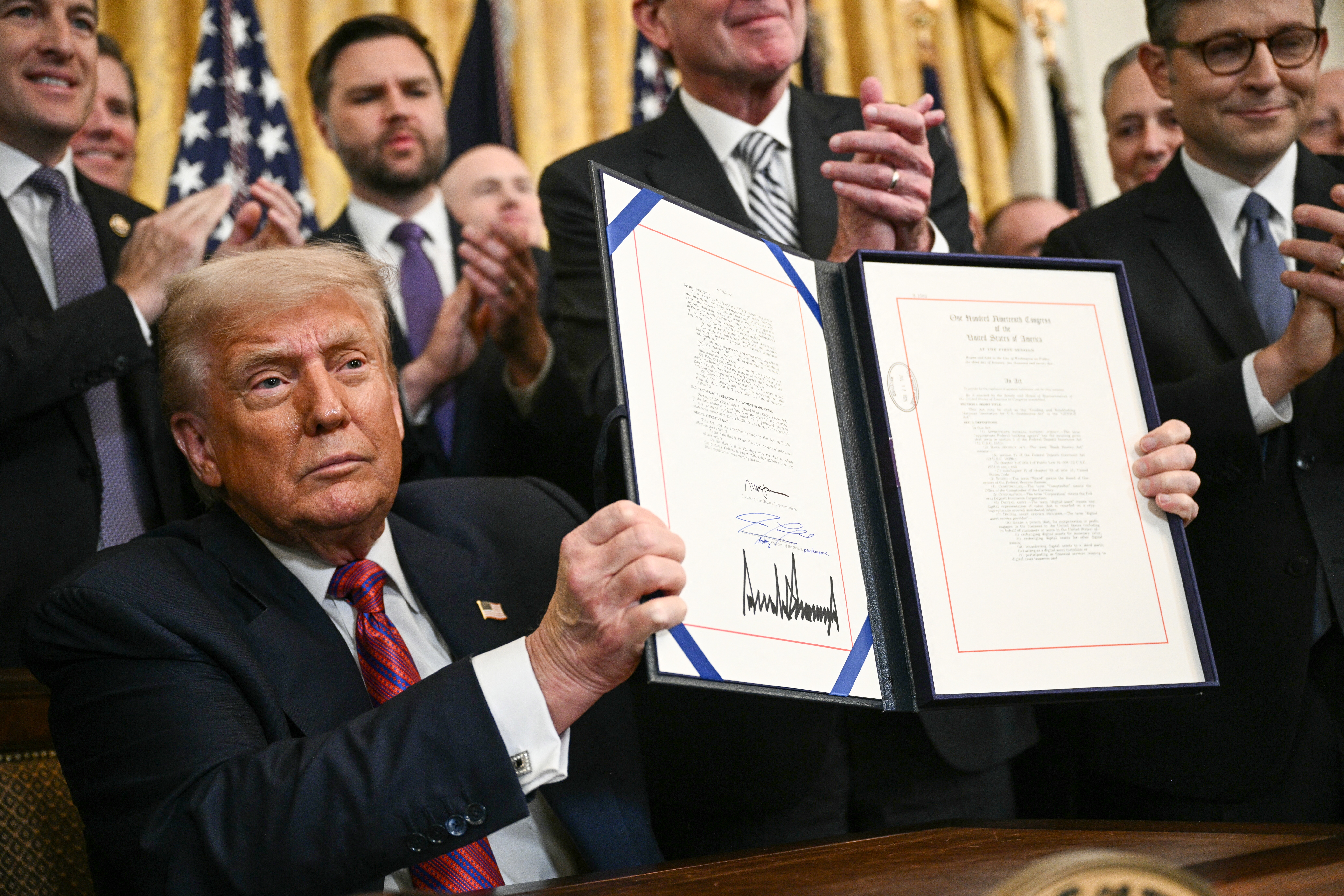
Maria Aspan discusses how Trump's cryptocurrency launch has financially benefited him and his family, emphasizing their significant profits linked to his political return.
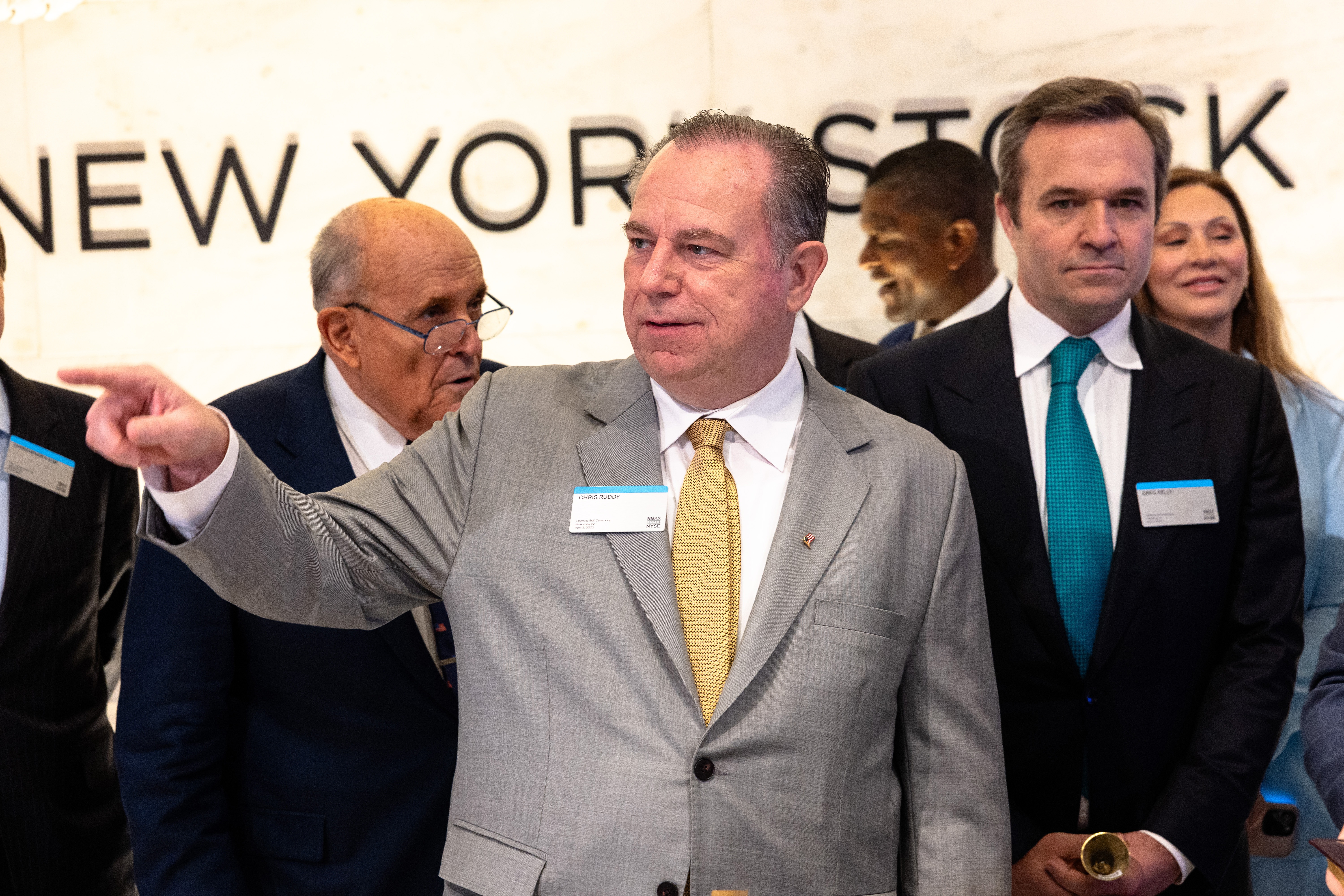
David Folkenflik discusses Newsmax's antitrust lawsuit against Fox News, claiming it attempted to stifle the growth of its smaller competitor in the cable news market.
Bill McBride discusses the Federal Reserve's Beige Book findings, highlighting stagnation in economic activity and mixed sentiments across various Districts regarding consumer spending and employment.

Kevin Corcoran discusses the economic factors influencing grocery delivery choices, including personal preferences, transaction costs, information asymmetries, and the principal-agent problem.
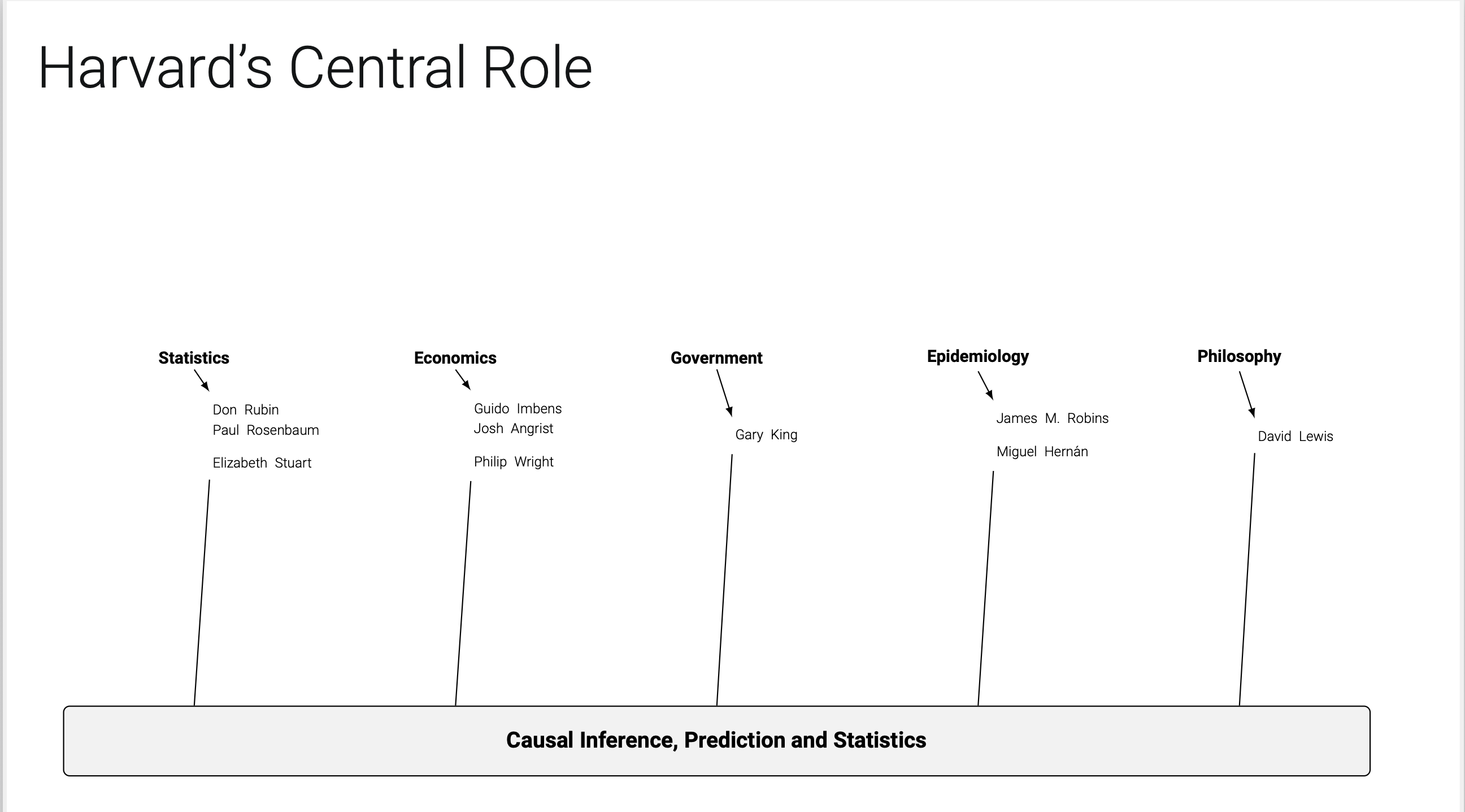
Scott Cunningham reflects on his first day of class at Harvard, discussing student engagement, the importance of causal inference, and mental health among students.
An argument that China's growth in innovation, particularly in clean energy, reflects a shift from copying to leading in research, benefiting global progress and wealth.
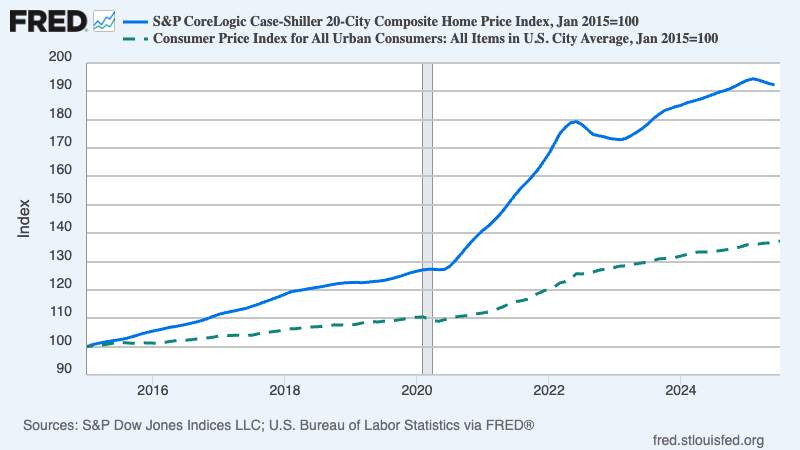
An argument that America faces a genuine housing emergency exacerbated by political decisions, highlighting the disconnect between rising home prices and inadequate housing supply.

Job openings decreased to 7.2 million in July, with unchanged hires and separations, indicating a stable labor market despite year-over-year declines in job openings and quits.

Mortgage applications fell 1.2% despite lower mortgage rates, with refinancing activity slightly increasing, while purchase activity declined after a recent rise.

The post explores the phenomenon of dark tourism, focusing on Hitler's bunker and the ethical implications and economic factors surrounding such attractions.

An argument that cryptocurrencies struggle to gain traction due to transaction inefficiencies, competition from traditional finance, and reputational issues, while stablecoins show promise for payments.

Jaclyn Diaz discusses a federal judge's ruling allowing Google to retain Chrome while imposing penalties on its exclusive search engine deals.

Scott Horsley discusses how businesses are adapting to the uncertainty surrounding Trump's tariffs after a federal appeals court ruling.

The post discusses various recent stories highlighting economic principles, including order cancellations, environmental penalties, job market challenges, electric vehicle sales, and tourism revenue.

Nate Silver discusses the development of a new NFL quarterback projection system and its significance in evaluating quarterback performance historically and in future seasons.

Pierre Lemieux explores the relationship between individual and governmental cruelty, analyzing how incentives and public choice contribute to cruel policies and behaviors.