
2721. The Economics of Stagflation, Part III
An argument that the Federal Reserve faces challenges in addressing stagflation, balancing between combating inflation and supporting employment through interest rate adjustments.
your daily dose of economic commentary
An argument that the Federal Reserve faces challenges in addressing stagflation, balancing between combating inflation and supporting employment through interest rate adjustments.
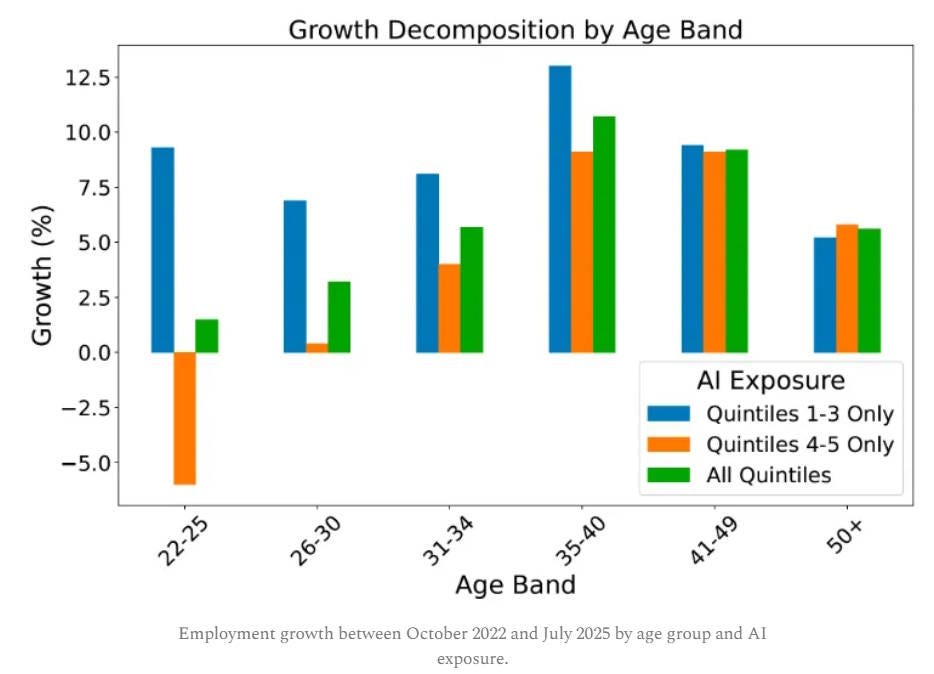
The discussion explores the contrasting impacts of AI as a substitute versus a complement to workers, analyzing potential employment and wage shifts based on these scenarios.
Timothy Taylor discusses the challenges and necessary reforms facing US statistical agencies, emphasizing the need for modernization and increased funding.
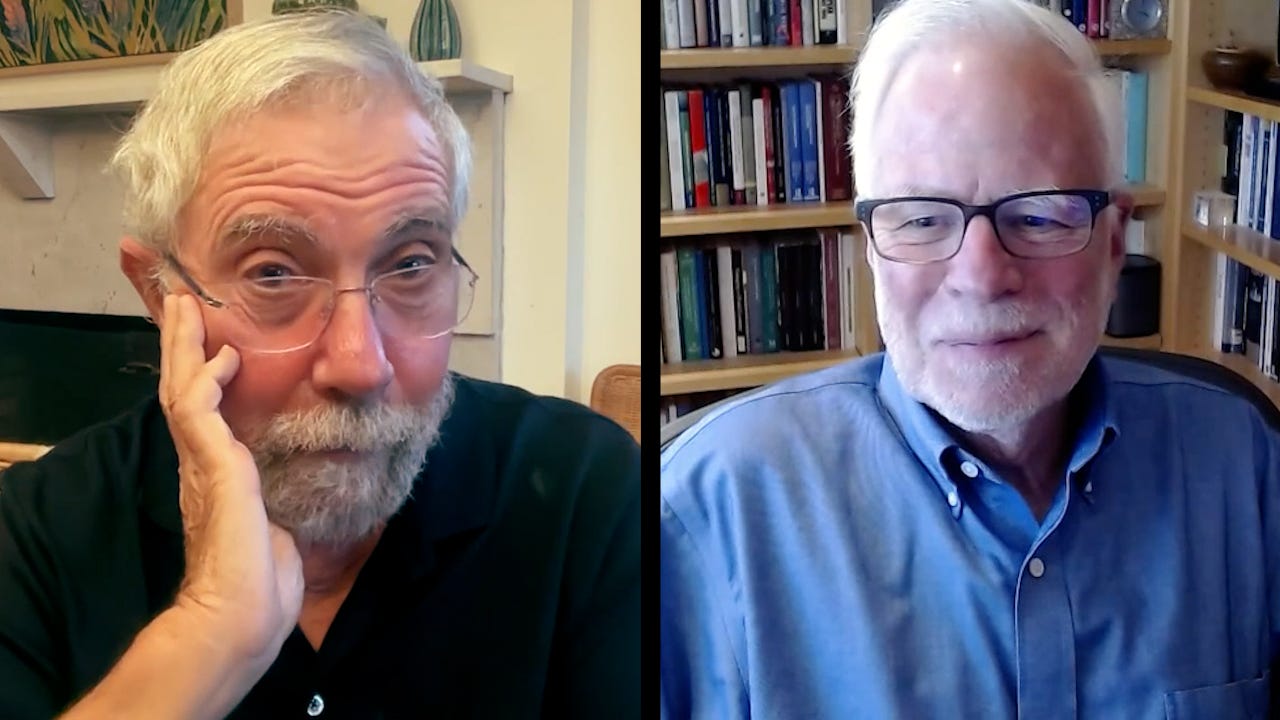
A discussion on central bank independence, recent political events, and the implications of financial crises, featuring insights from a leading economist.

An argument that the impact of AI on job markets remains uncertain, with conflicting research findings on its effects on employment, particularly among young workers.

The Associated Press discusses Spirit Airlines' second bankruptcy filing within a year and its plan to continue operations during the restructuring process.

The post outlines key economic reports and indicators scheduled for the week, including employment data, manufacturing indices, and trade balance figures.

Maria Aspan discusses Nvidia's strong financial results amid economic uncertainty and the mixed investor reaction to its stock performance.

An argument that addresses the dilemma of whether to buy birthday gifts for numerous nieces and nephews, considering financial implications and personal values.
Tyler Cowen discusses various notions of freedom with philosopher Rebecca Lowe, focusing on positive and negative freedom and their implications for political systems.

Paul Krugman discusses a court ruling declaring Trump's tariffs illegal due to improper procedures, highlighting the implications for his economic claims and governance style.

Timothy Taylor discusses the structure and size of global capital markets, focusing on the dominance of US markets and the differences in financing methods worldwide.

Scott Horsley discusses a U.S. court ruling that most of President Trump's tariffs are illegal and the potential for an appeal to the Supreme Court.

Jon Murphy discusses the implications of job report revisions and the importance of improving data quality in economic statistics.
Alex Tabarrok discusses how zoning laws and regulations have made shared housing illegal, limiting affordable options for low-income individuals and contributing to homelessness.
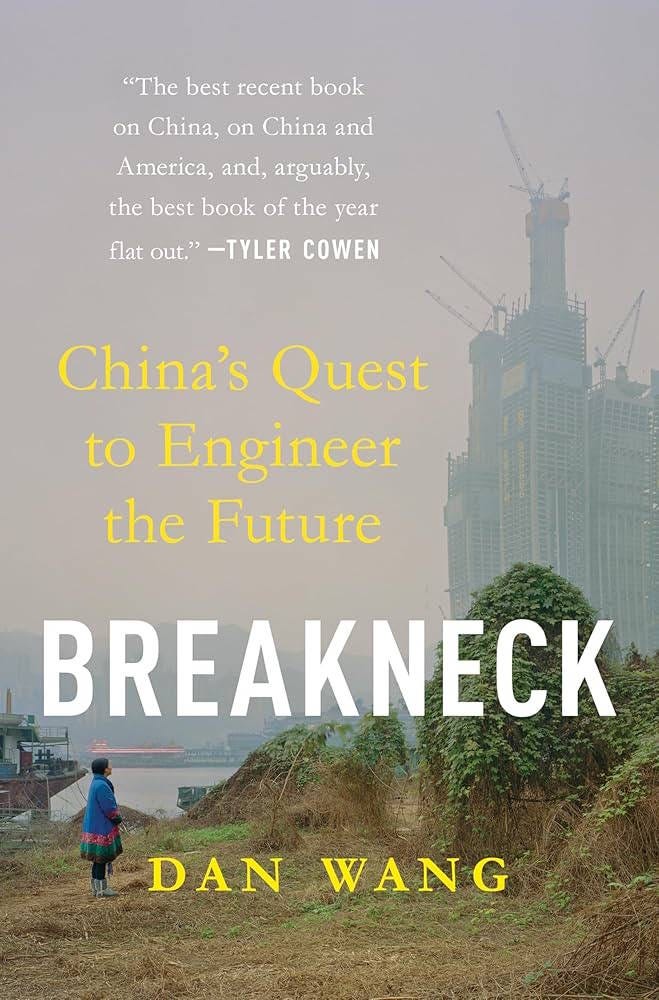
Noah Smith discusses Dan Wang's book, highlighting the differences between the U.S. and China in governance, culture, and industrial capabilities, emphasizing the roles of lawyers and engineers.
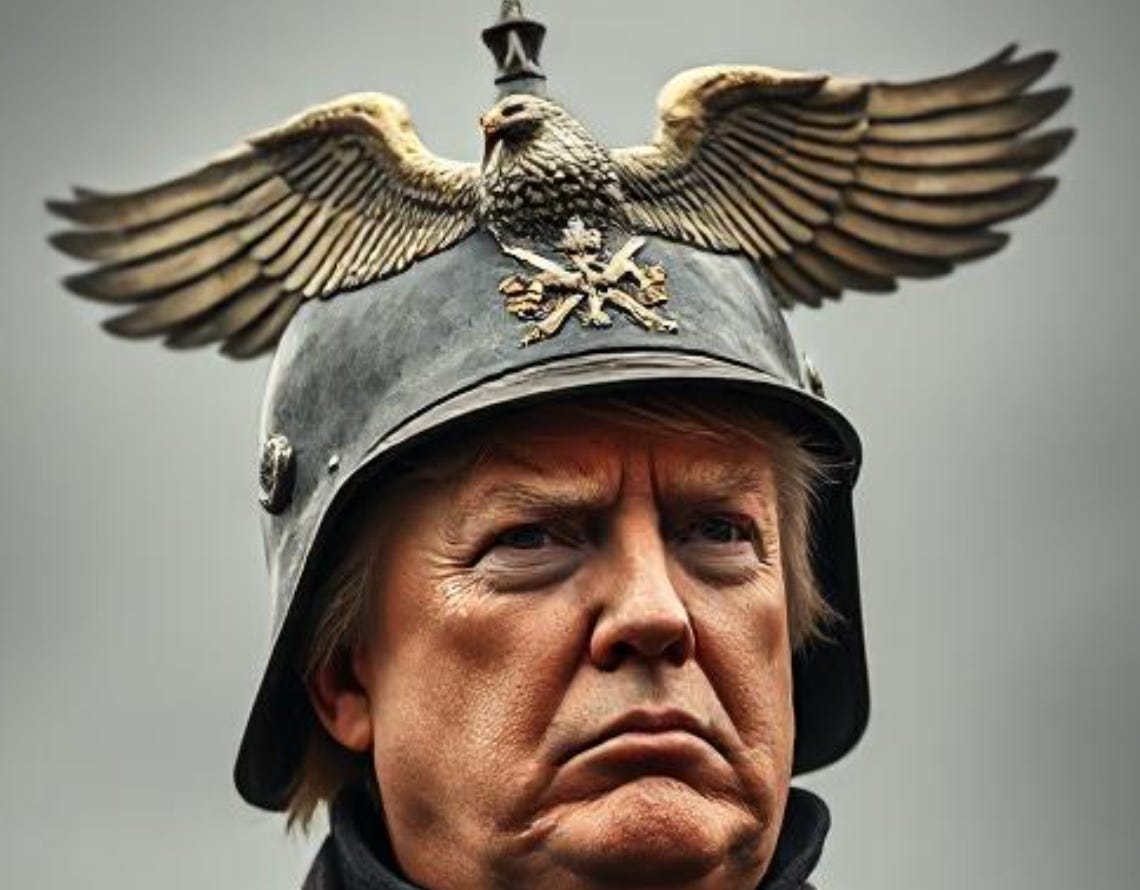
Paul Krugman discusses the decline of U.S. global influence and the impact of Trump's policies on America's alliances and economic power.

Bill McBride discusses the decline in year-over-year shelter measures in the CPI and PCE reports for July 2025.

Bill McBride discusses the increase in personal income and spending in July 2025, along with related economic indicators and inflation rates.

David Folkenflik reports on a federal judge's ruling preventing Kari Lake from firing the Voice of America director.