
2921. Summer 2025 Journal of Economic Perspectives Freely Available Online
Timothy Taylor discusses the availability of the Summer 2025 issue of the Journal of Economic Perspectives and highlights key articles on housing markets and policies.
your daily dose of economic commentary
Timothy Taylor discusses the availability of the Summer 2025 issue of the Journal of Economic Perspectives and highlights key articles on housing markets and policies.
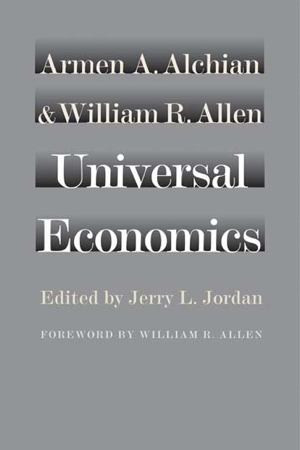
The discussion centers on economic theories that are true yet misunderstood, particularly the Ricardian theory of comparative advantage and misconceptions about government price-setting.

Bobby Allyn discusses how the MeidasTouch podcast is gaining popularity among progressives during Trump's presidency, despite the dominance of right-wing media.

Paul Krugman discusses how MAGA's rejection of facts in favor of feelings affects economic and crime data interpretations under Trump’s influence.

The post provides an overview of the housing market in mid-August 2025, highlighting increased inventory, slight sales declines, and challenges faced by new homebuilders.

An argument that corporate leaders face pressure from political demands, raising concerns about the implications for capitalism in America.
Tyler Cowen discusses various topics with Nate Silver, including risk theory, cultural differences, and political issues like immigration and electoral systems.

Wailin Wong discusses the trend of celebrities launching side businesses and explores the motivations behind this phenomenon.
Menzie Chinn critiques EJ Antoni's qualifications for the Bureau of Labor Statistics, highlighting widespread disapproval from economists across the political spectrum.

An argument that political systems are increasingly converging, blending elements of socialism and capitalism, particularly in the context of state capitalism in America and China.

An argument that historical social justice movements arise from elite overproduction, where frustrated elites ally with marginalized groups during times of societal hardship to challenge the established order.

An argument that stablecoins could enhance financial accessibility and efficiency, while drawing parallels to historical free banking systems and their potential impact on the economy.

The post examines the decline in summer employment among teenagers, highlighting trends in employment ratios and potential reasons for decreased participation in the labor force.
An argument that patients should have the freedom to choose physicians across state lines, advocating for competitive federalism in telemedicine without requiring interstate compacts or federal oversight.
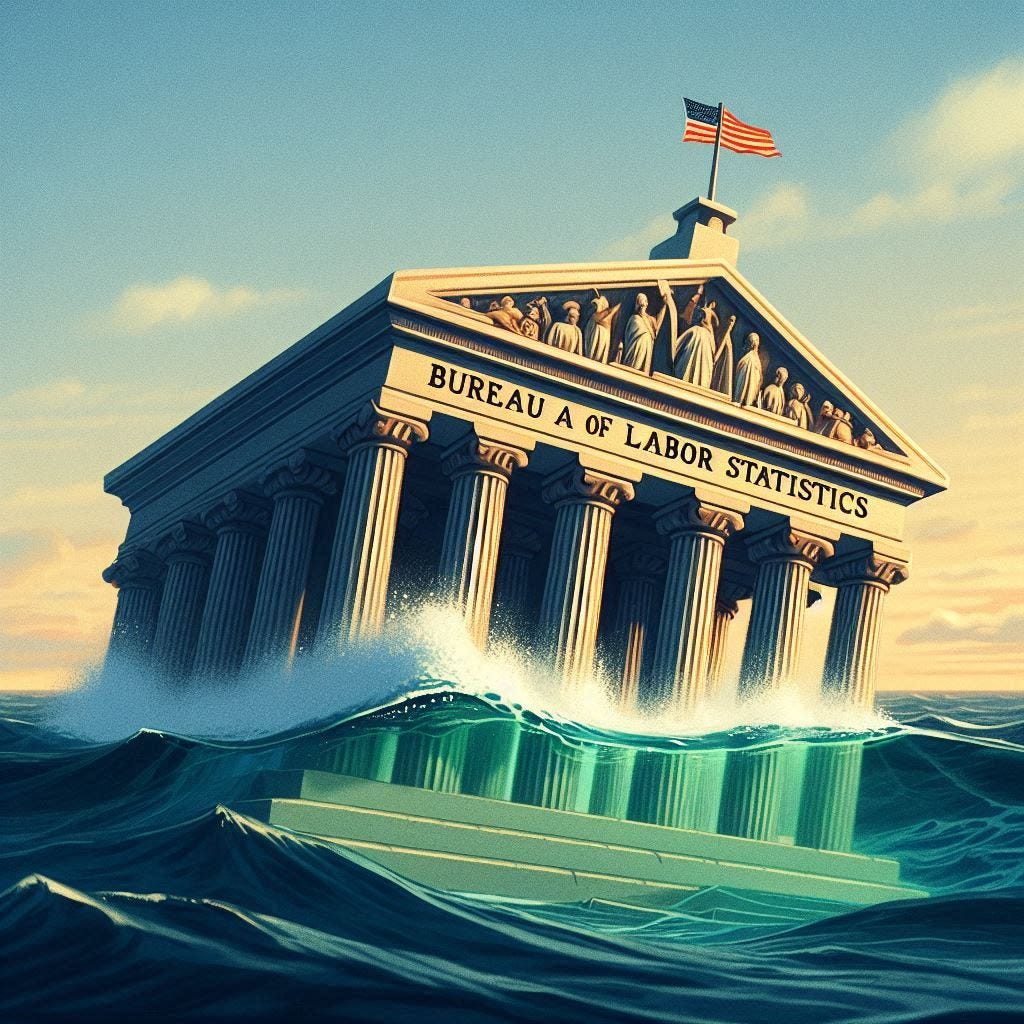
The discussion centers on the incompetence of certain economists associated with Trump, highlighting attempts to manipulate economic data and the implications for transparency and legality.

Noah Smith argues that corporate power is not the primary cause of high rents, emphasizing other factors affecting the housing market in America.

Robert Vienneau discusses a model of production that combines intensive and extensive rent based on land use and profit levels in agriculture and industry.
Corey Bridges discusses how Trump's spending bill cuts to SNAP affect families and grocery stores, highlighting the economic implications of these policy changes.

Mortgage applications rose significantly, driven by lower interest rates, with a notable increase in refinance activity despite a modest uptick in purchase applications.

David Folkenflik discusses Kari Lake's claim of being the acting CEO of a federal agency, contrasting it with legal eligibility concerns.