
3401. How Much Will AI Increase Productivity?
The discussion centers on AI's potential to enhance productivity, presenting estimates of its economic impact and factors influencing its adoption and effectiveness across various sectors.
your daily dose of economic commentary
The discussion centers on AI's potential to enhance productivity, presenting estimates of its economic impact and factors influencing its adoption and effectiveness across various sectors.
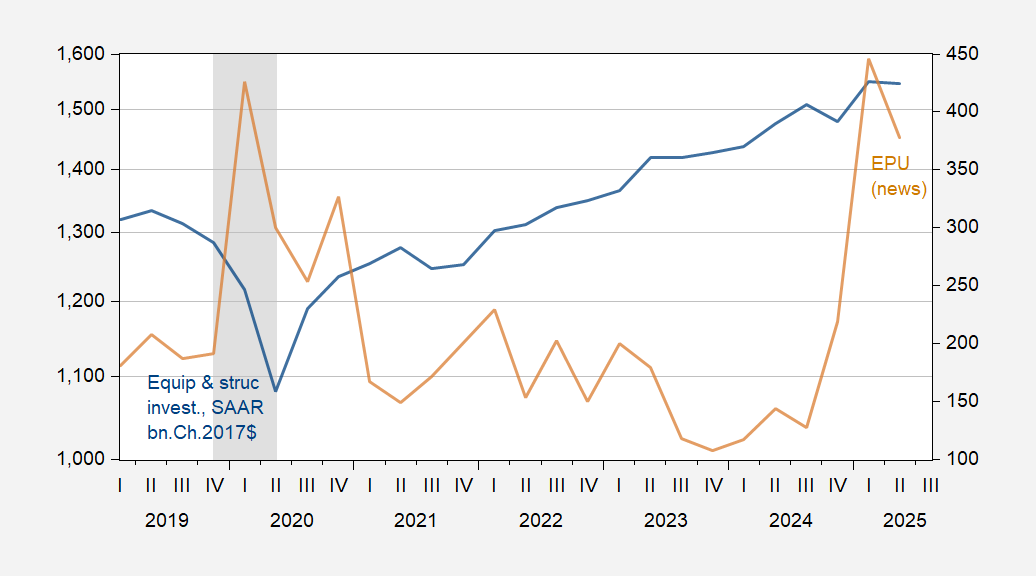
An argument that policy uncertainty impacts business fixed investment, with a focus on historical data and trends related to economic performance.
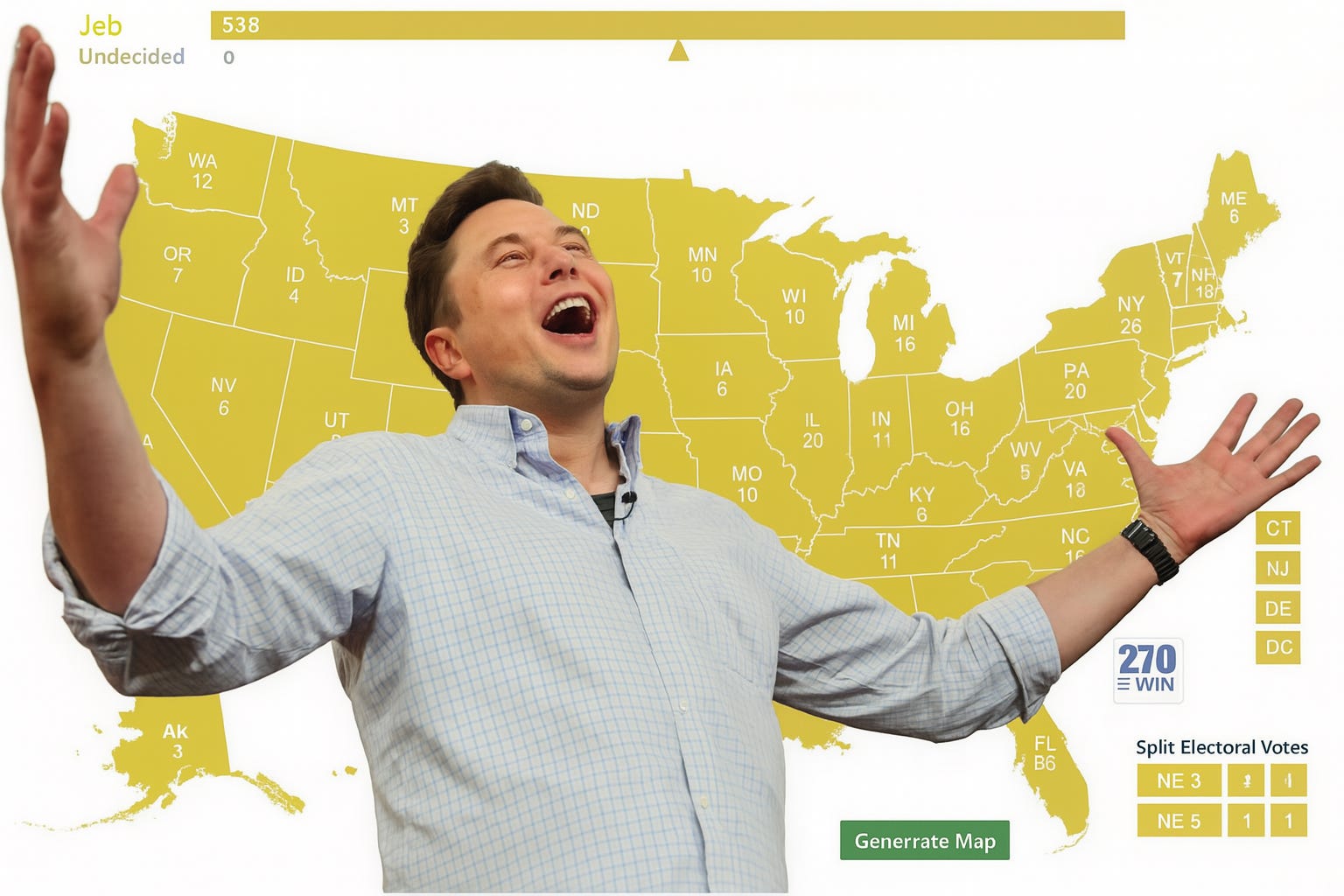
An argument that the America Party, potentially linked to Elon Musk, may face challenges similar to past third-party movements in U.S. politics.
The post discusses wage growth in America, the relationship between women's education and fertility, and the implications of AI on jobs and the economy.

Bill McBride discusses the recent increase in lumber prices and the impact of contract changes on price comparisons.

Scott Cunningham reflects on his experiences with diff-in-diff methodology, its implications in economics, and the narratives that shape his understanding of empirical research.
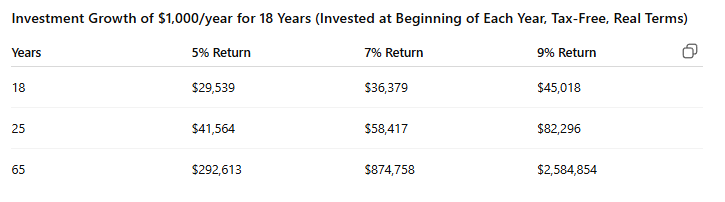
The post discusses a new initiative providing investment accounts for newborns, highlighting its potential impact on social welfare and future economic security.

Home price growth is slowing, with early signs of homeowner risk emerging due to high mortgage rates and increasing inventory.

The post explores how Amazon Prime Day exemplifies price discrimination, highlighting its economic implications and strategies for maximizing profits through consumer behavior.
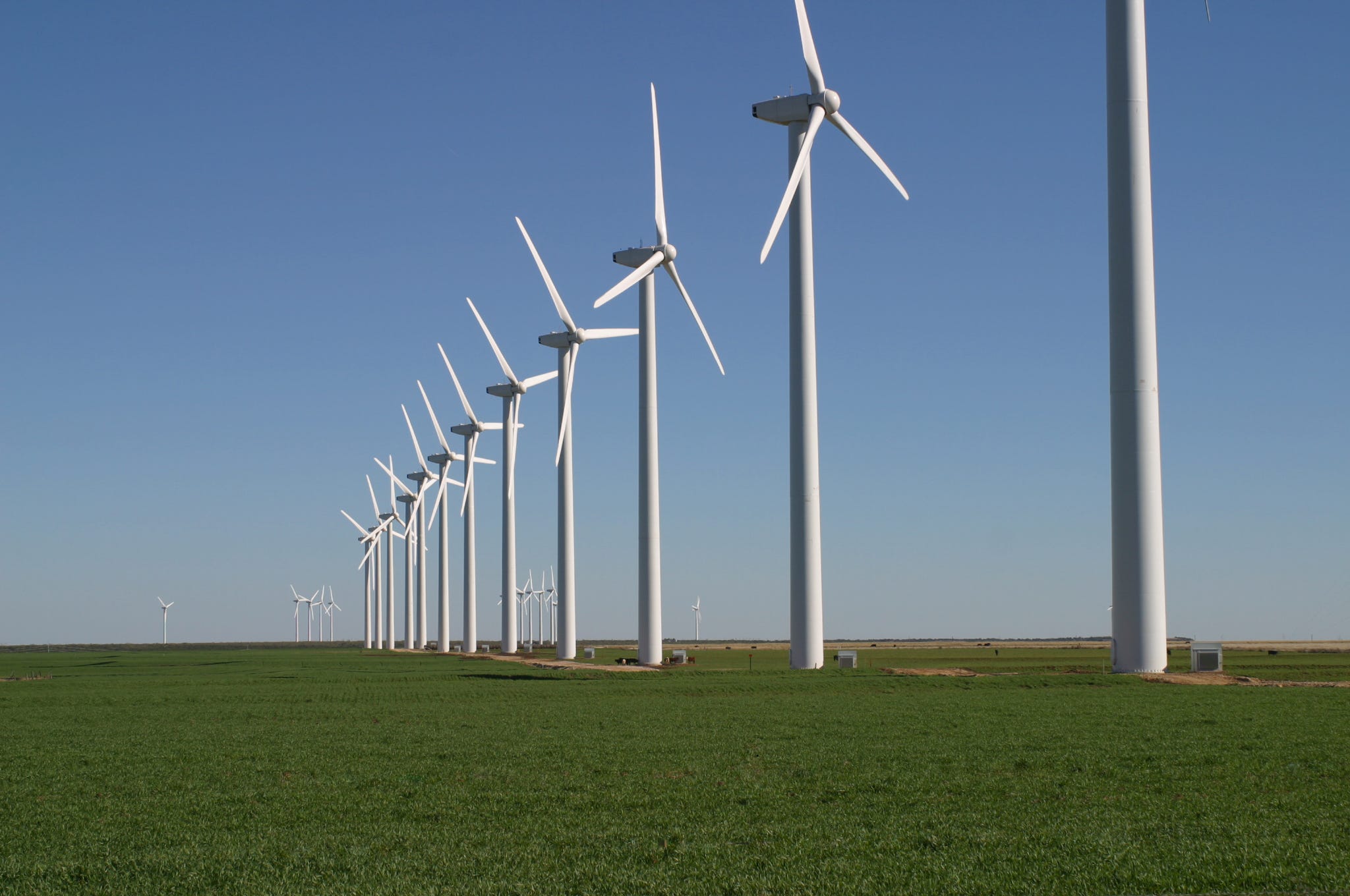
The post critiques the political resistance to renewable energy advancements, emphasizing the economic benefits of renewables and the detrimental impact of current policies on progress.

Bill McBride discusses the increase in active single-family housing inventory and its comparison to previous years, highlighting trends and data from Altos Research.

A discussion on the implications of the dollar's decline for America's financial dominance and investor concerns regarding its future stability.

Camila Domonoske discusses the issue of orphan oil and gas wells in the U.S. and the environmental risks they pose.

Danielle Kurtzleben discusses the administration's changing plans regarding trade negotiations and the upcoming announcement of new tariff rates.
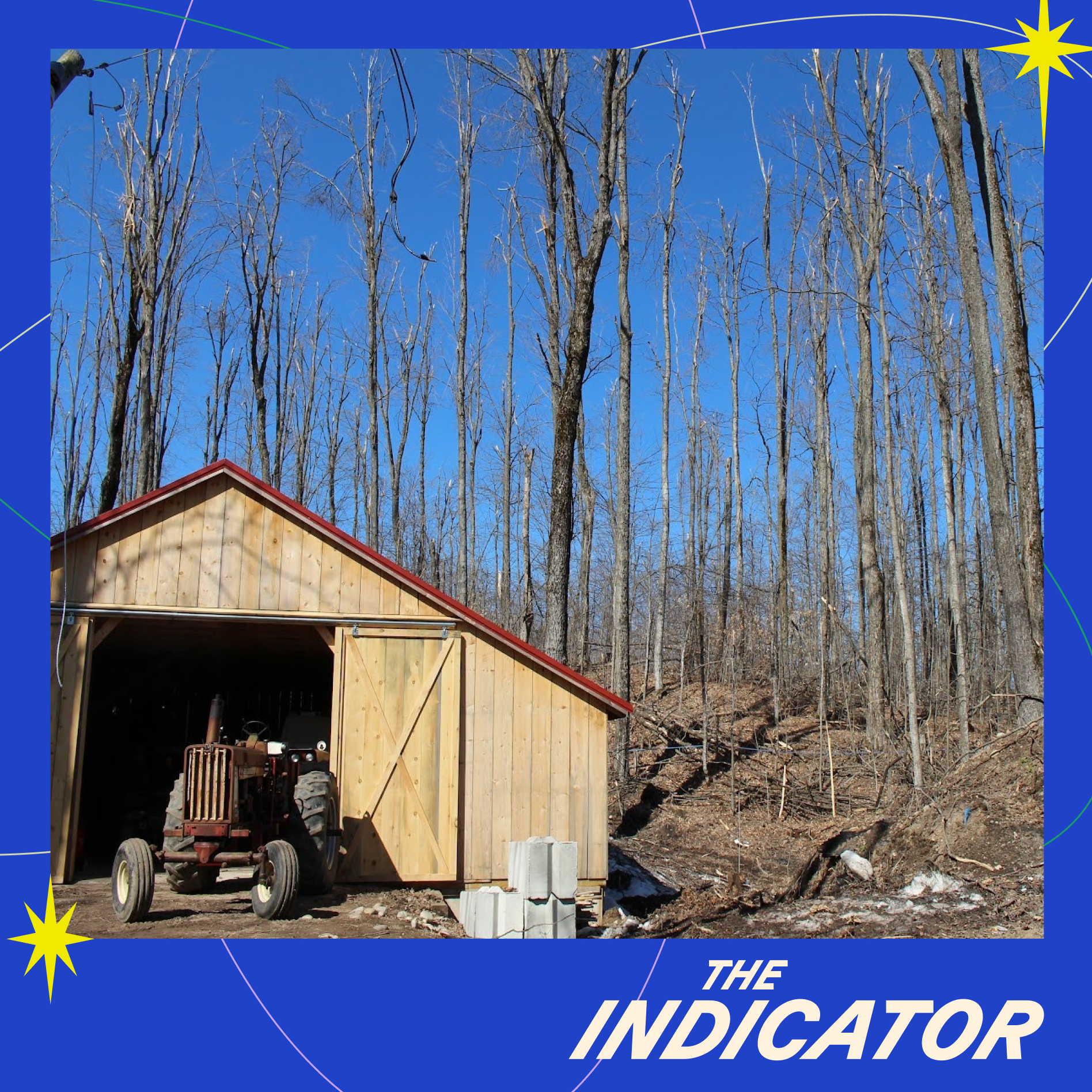
Ellie Katz discusses the reasons trees aren't insured like other crops and the implications of rising extreme weather events on insurance availability.

Menzie Chinn analyzes the relationship between civilian and nonfarm payroll employment, suggesting concerns if civilian employment peaks before nonfarm payrolls.

Menzie Chinn discusses the economic implications of policy changes affecting deficits, spending, and the impact on lower-income households' anxiety and consumption.

David Henderson discusses immigration, economic growth, and cultural integration in Cincinnati, highlighting historical and contemporary perspectives on these issues.

An argument that market economies create inequality, which governments can mitigate through redistribution, yet political power remains disproportionately held by the wealthy in the U.S.

Bill McBride discusses the relationship between educational attainment and unemployment rates in the U.S. labor force, highlighting trends and implications for the future.