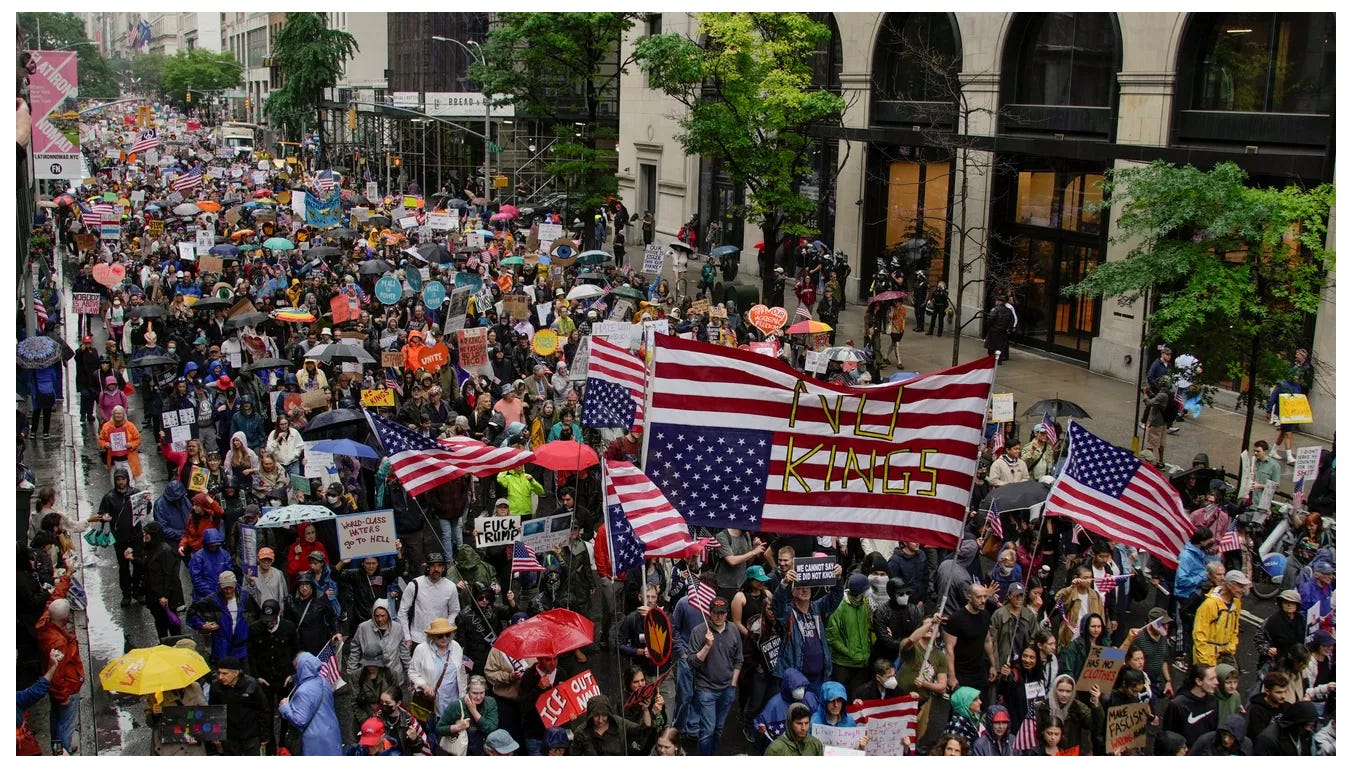
3661. Trump’s parade flopped. No Kings Day was a hit.
Paul Krugman discusses the implications of recent protests against Trumpism and the failure of Trump's parade, highlighting the state of American democracy.
your daily dose of economic commentary
Paul Krugman discusses the implications of recent protests against Trumpism and the failure of Trump's parade, highlighting the state of American democracy.
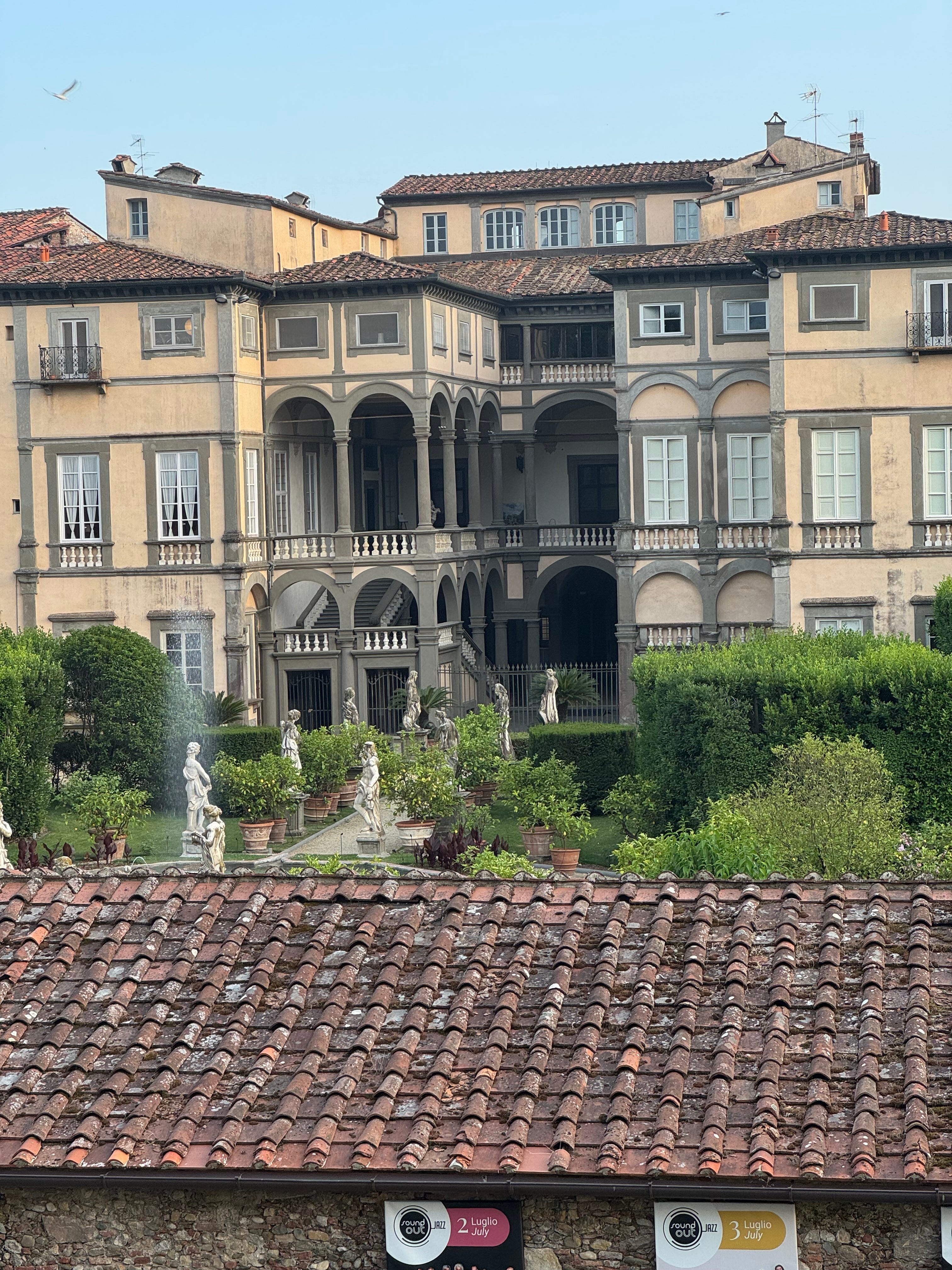
An argument that discusses the use of difference-in-differences and repeated cross sections in economic analysis, while also reflecting on personal experiences in Italy.

Bill McBride discusses the increase in active single-family housing inventory, highlighting significant week-over-week and year-over-year changes.

Robert Vienneau explores capital-reversing in production techniques, analyzing how perturbations affect wage curves and economic output in a multi-commodity model.
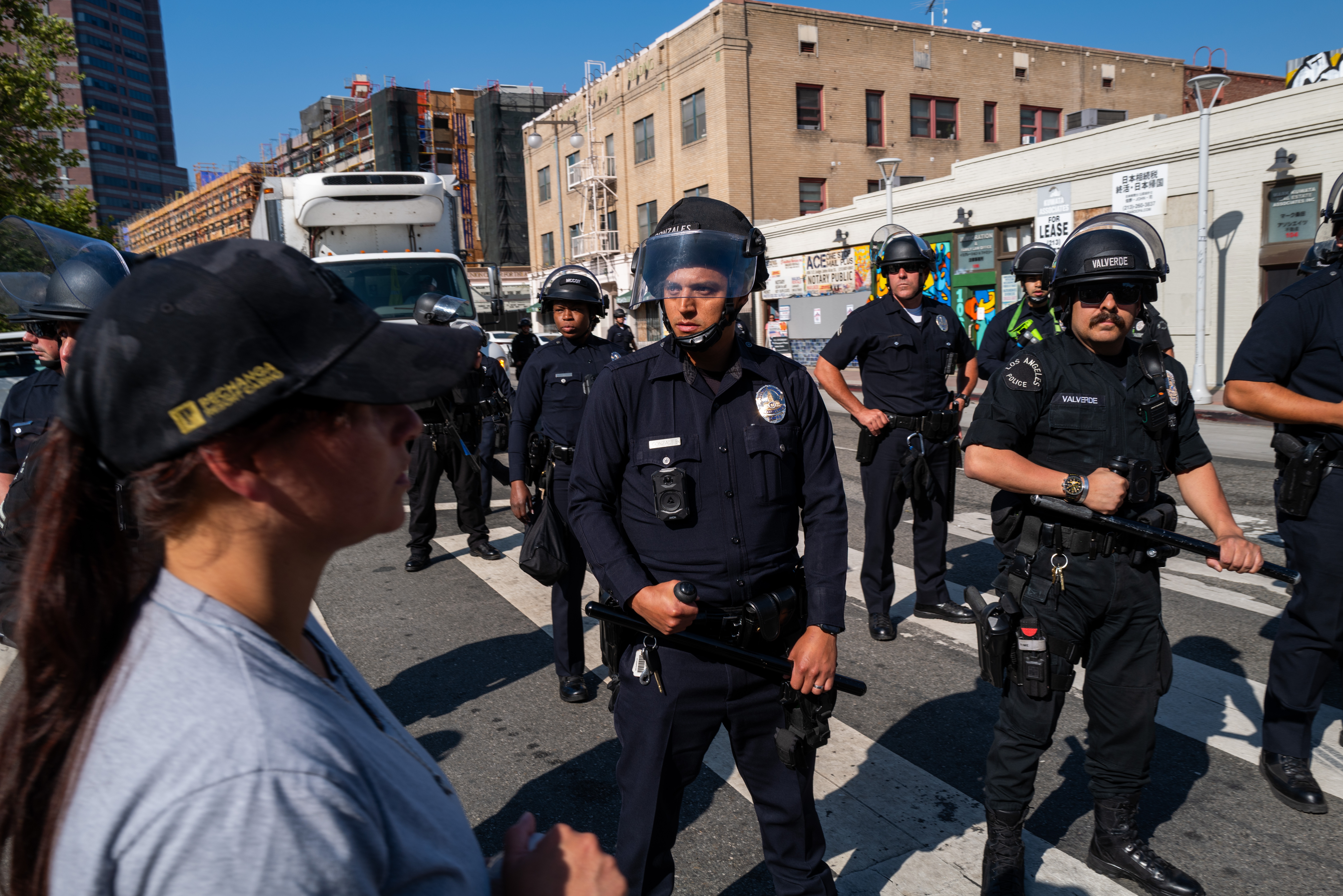
David Folkenflik discusses violations of press freedoms by law enforcement during anti-ICE protests in Los Angeles, highlighting the dangers faced by journalists.

Adrian Ma discusses Nintendo's evolution from a small playing card company to a multimedia giant, highlighting its identity as a toy company.
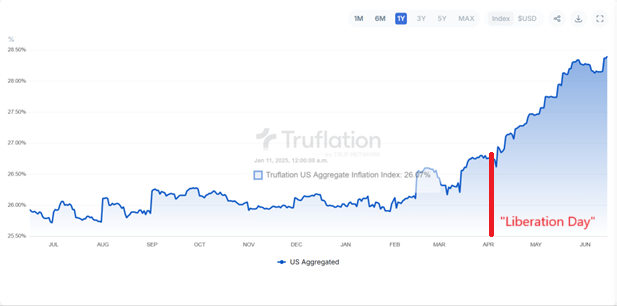
Menzie Chinn discusses the impact of tariffs on consumer prices and analyzes inflation trends using big data insights.

The post explores various northern Spanish cities, highlighting their unique characteristics, cultural aspects, and the impact of tourism and deindustrialization.

David Henderson discusses various articles on stablecoins, tobacco excise taxes, and changing health politics, highlighting economic implications and shifts in consumer attitudes.

Pierre Lemieux discusses the modern trade conflict between the U.S. and China, drawing parallels to historical protectionist practices and their economic implications.

Scott Cunningham shares his experiences traveling to Lucca for two weeks of study and preparation after teaching in various cities, reflecting on personal and academic connections.
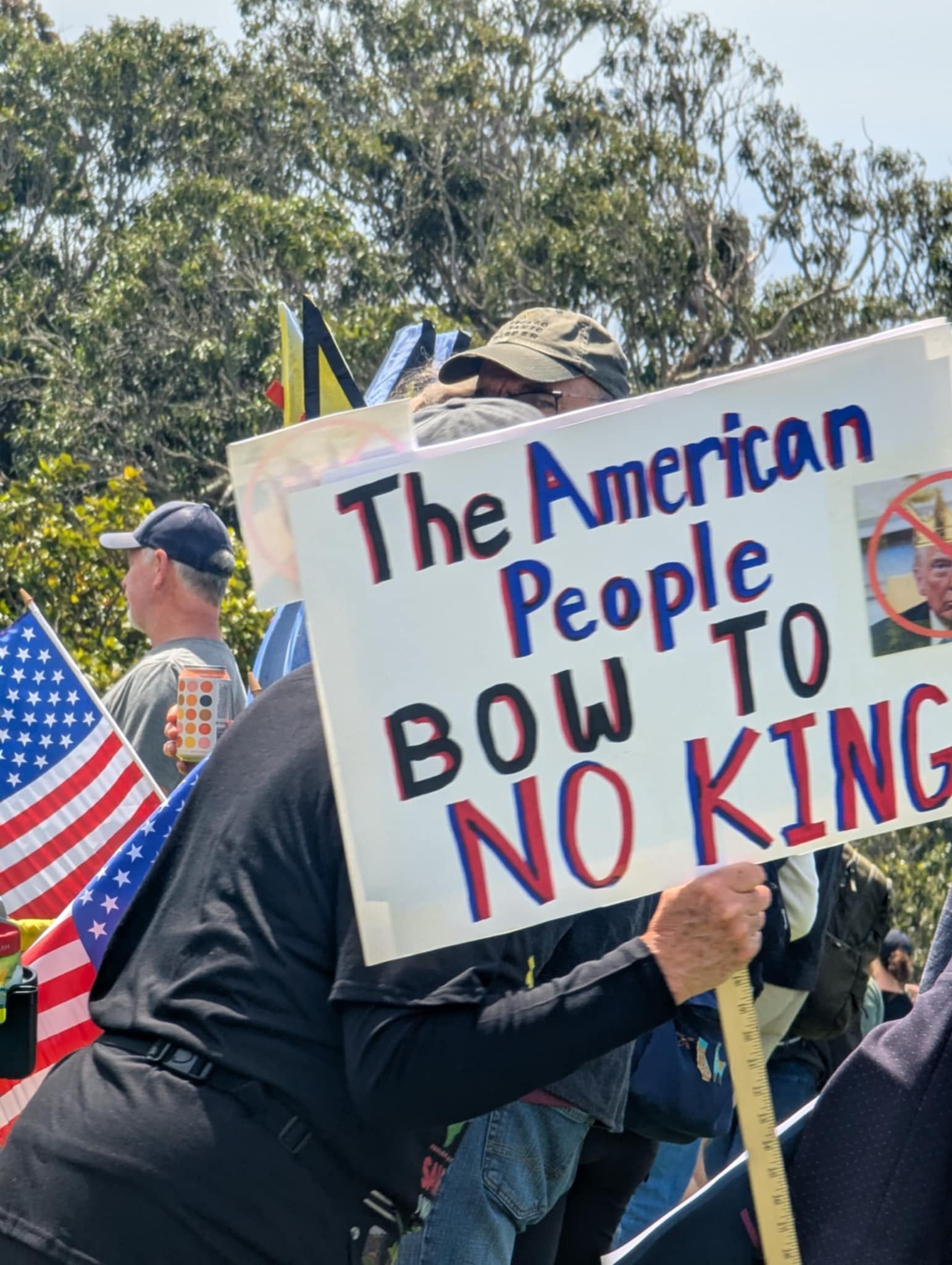
Noah Smith reflects on a recent protest against Trump, noting its peacefulness and patriotic themes, while analyzing the implications for American democracy and political discourse.
Bill McBride discusses expectations for the FOMC's decision to maintain the Fed Funds Rate and the implications for economic projections and uncertainty.
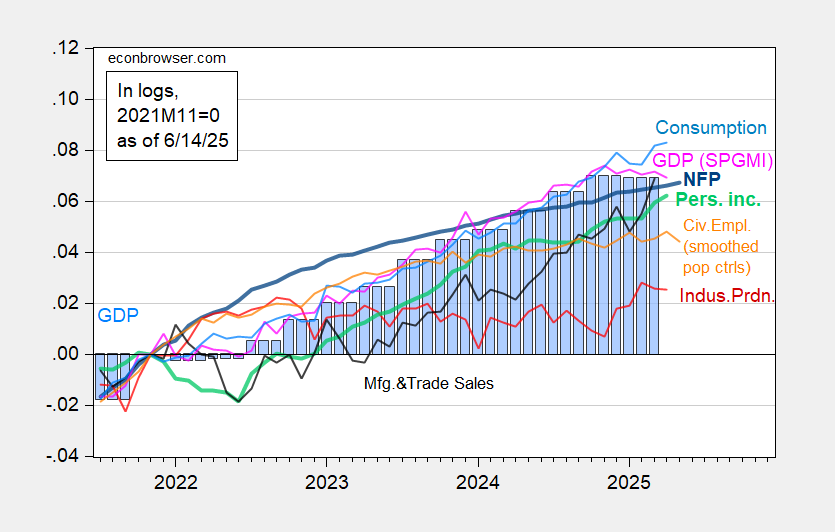
An analysis of various economic indicators suggests a potential slowdown in the economy, highlighting discrepancies in GDP tracking and labor market resilience.

David Henderson discusses seigniorage, its implications for government revenue, and the nuances of monetary policy related to currency demand and printing costs.

Marcos Falcone reflects on modern air travel and technological advancements, highlighting how they enhance our lives compared to the past.
Alex Tabarrok discusses the American Model of emergency response, highlighting the collaboration between government and private sector during crises like Operation Warp Speed and World War II.
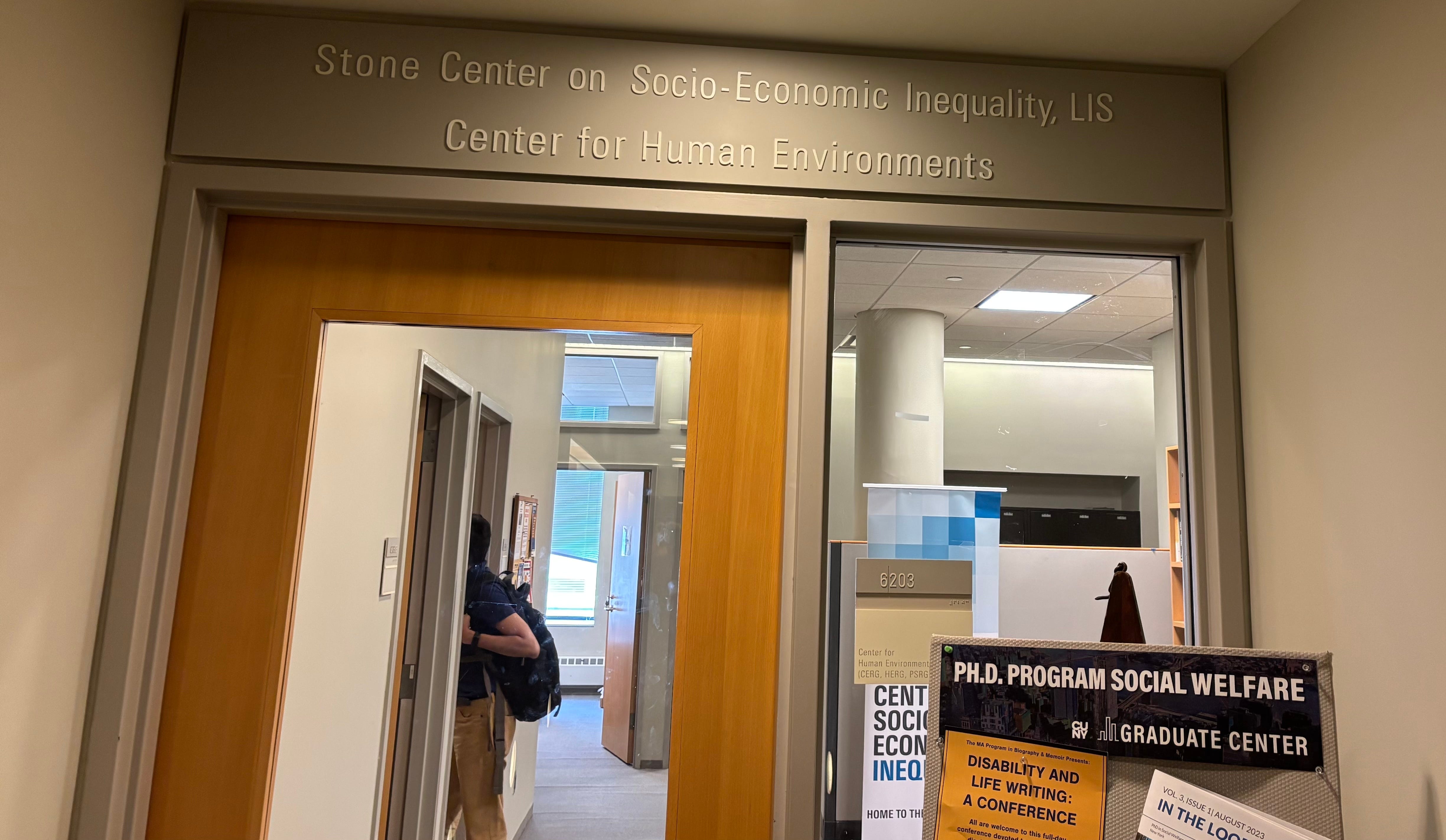
A discussion on global inequality, focusing on data challenges and the significance of understanding income disparities among world citizens.

Bill McBride outlines key economic reports and events scheduled for the week of June 15, 2025, including retail sales and housing starts.
Scott Sumner argues that the 2020s reflect a self-centered culture, illustrated by political actions that prioritize lawmakers' interests over public safety and accountability.