3681. Some Basic Math on Why I Think the Recession Likelihood Is Greater than 30%
An argument that recent economic indicators and policy uncertainties suggest a higher likelihood of recession, estimating GDP growth could be negative by 2026.
your daily dose of economic commentary
An argument that recent economic indicators and policy uncertainties suggest a higher likelihood of recession, estimating GDP growth could be negative by 2026.

Kenny Malone discusses the inner workings of DOGE, its impact on the federal workforce, and the secrecy surrounding its cost-cutting initiatives.

Bill McBride discusses the decline in weekly COVID deaths, noting a new low and changes in reporting requirements for hospitals.

Kevin Corcoran discusses the challenges of legalism and definitions in law, illustrating the complexities with examples from Barry Lam's book and a legal case involving the Clean Waters Act.
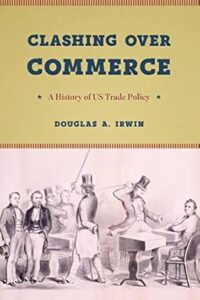
Tarnell Brown argues that high tariff schemes negatively impact GDP and that imports do not directly affect domestic economic measures.

An argument that "buy now, pay later" services may serve as a substitute for the diminishing millennial lifestyle subsidy, exploring their implications on consumer behavior.

An argument that crude oil prices surged and stock markets declined following military actions between Israel and Iran.

An argument that recent legislation disproportionately harms low-income Americans while benefiting the wealthy, reflecting a troubling trend in political power and democratic integrity.

Noah Smith discusses how social media has contributed to America's societal unrest, despite strong economic performance, highlighting a decline in trust and rising polarization.

The discussion includes the financial implications of Trump's military parade, FEMA's potential phase-out, and changes at Warner Bros. Discovery.
Menzie Chinn discusses the importance of protecting the Congressional Budget Office's credibility for Congress's ability to effectively challenge executive policies and maintain democratic integrity.

Asian markets decline as oil prices rise following Israel's attack on Iran, highlighting escalating tensions over Iran's nuclear program.

Jon Hartley discusses banking crises, stablecoin regulation, and Fed policy with Randal Quarles, focusing on his career and insights into financial regulation.
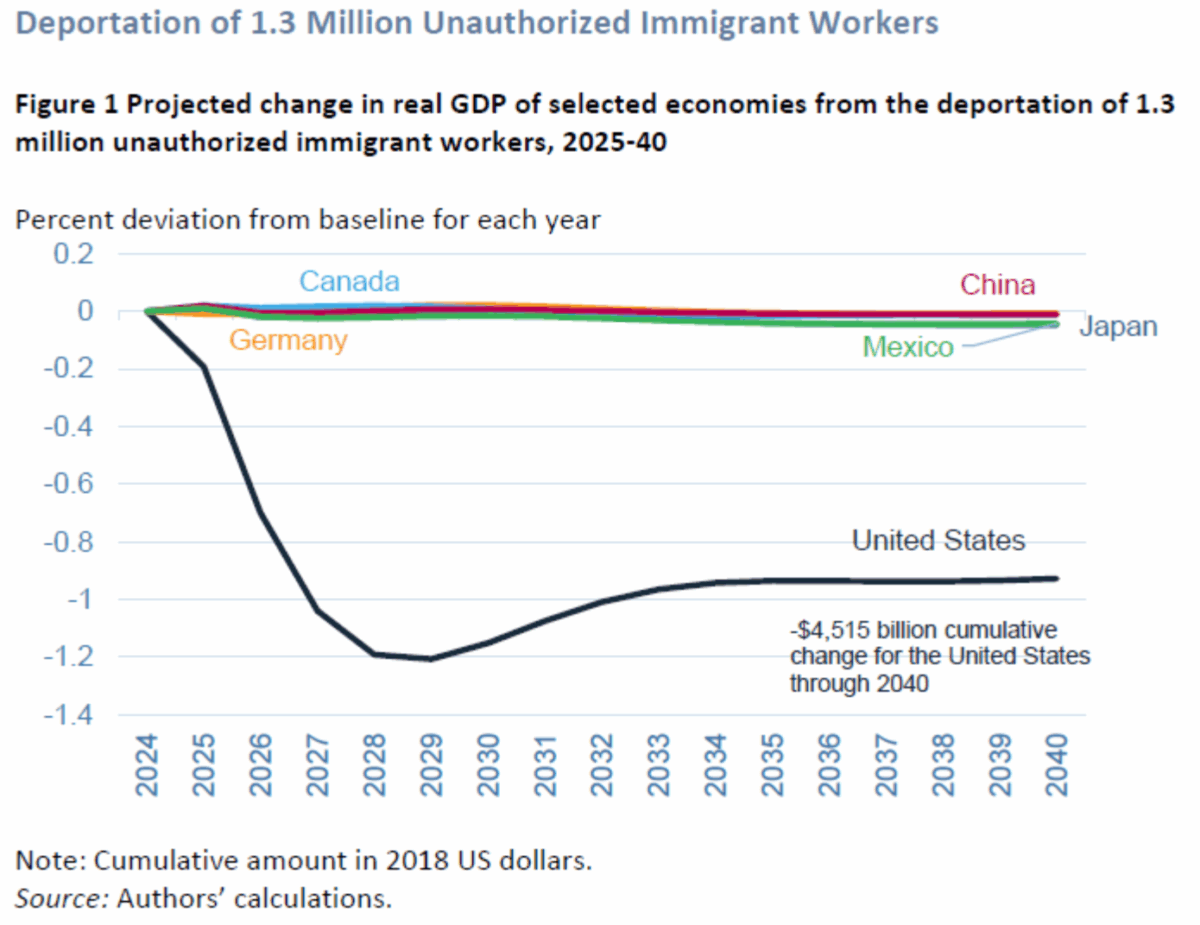
![[Repost] If You Thought Grocery Prices Were High, Wait for Mass Deportation](https://econbrowser.com/wp-content/uploads/2025/06/ventura_country_LAT12jun25.png)
An argument that mass deportation could lead to increased grocery prices due to rising labor costs in agriculture and food processing sectors.
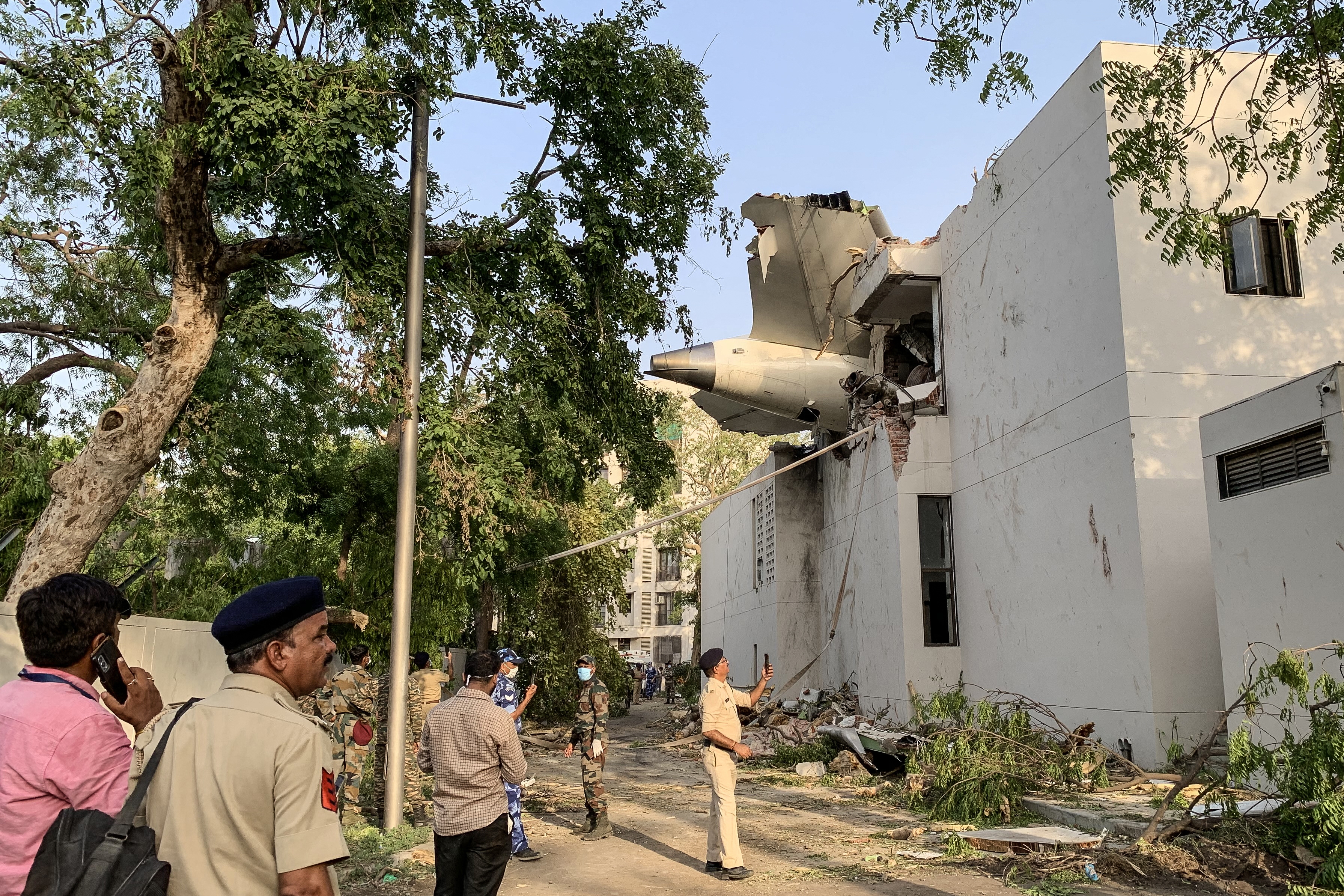
The post discusses potential reasons for the Boeing 787 Dreamliner's inability to climb, referencing insights from an aviation expert.

Jon Murphy discusses the failures of economic planning under the Trump administration, emphasizing the unpredictability of human behavior in economic systems.

Paul Krugman discusses the dangerous political implications of the Trump administration's militarized response to protests in Los Angeles, framing it as an authoritarian move against dissent.

Laurel Wamsley discusses how concerns about the future under the Trump administration have led to an increase in early Social Security claims.

Bill McBride discusses the decline in household net worth by $1.6 trillion in Q1 2025, highlighting changes in corporate equities and real estate values.
The discussion centers on the aesthetic appreciation of infrastructure in video games and art, emphasizing analytical thinking over technical comparisons.