
4621. S4E20: Philip Oreopoulos, Labor Economist, University of Toronto
Scott Cunningham discusses Professor Philip Oreopoulos's impactful work in education and labor economics, highlighting his contributions and personal journey in the field.
your daily dose of economic commentary
Scott Cunningham discusses Professor Philip Oreopoulos's impactful work in education and labor economics, highlighting his contributions and personal journey in the field.

An argument that clear rules and expectations prevent arbitrary behavior, fostering a stable environment for learning and economic growth, as illustrated by recent tariff policies.
An argument that trade and the dollar's reserve status do not significantly harm U.S. manufacturing, emphasizing productivity improvements and the benefits of dollar demand in global markets.

An overview of early reporting local housing markets in March, highlighting sales trends, mortgage rates, and economic factors affecting the real estate sector.
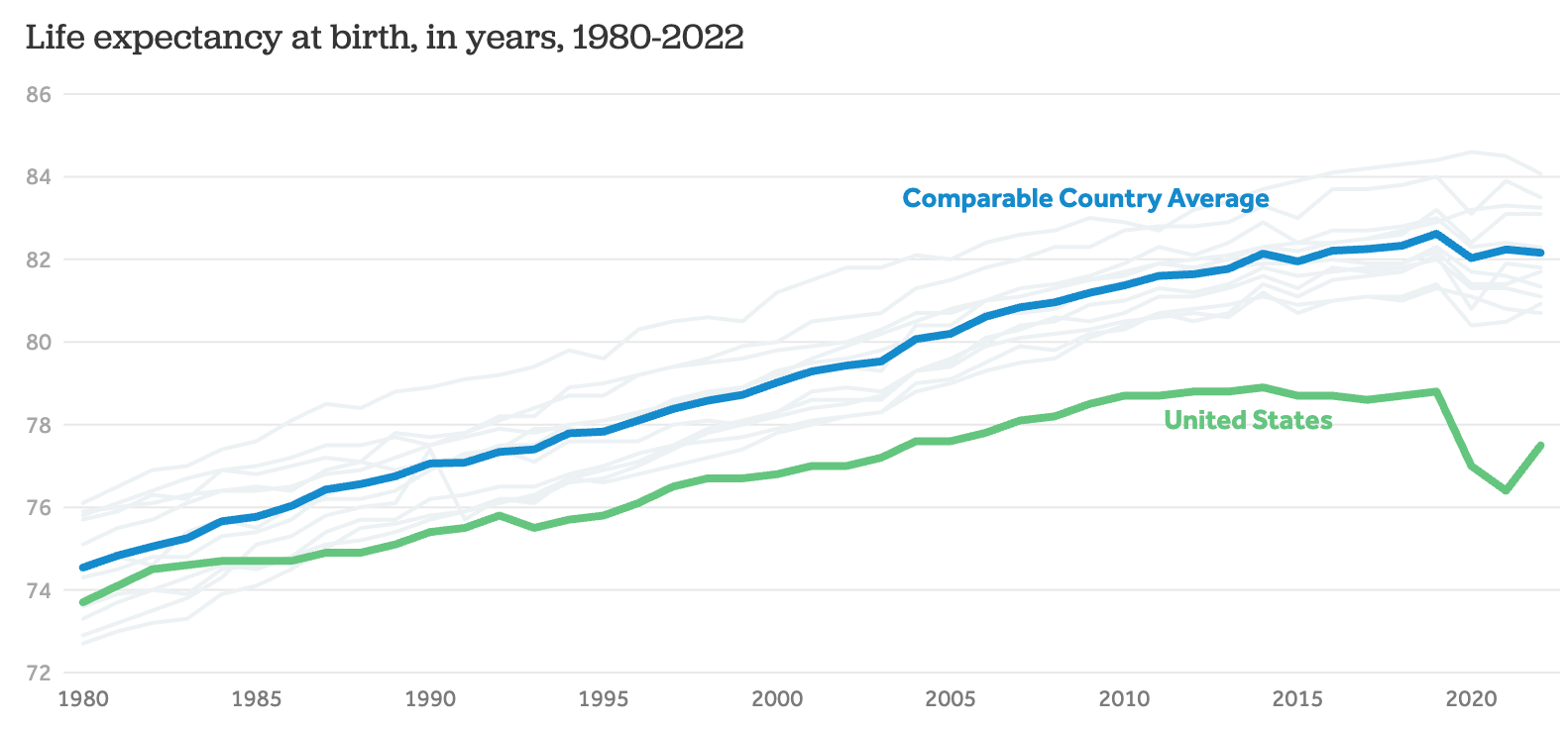
Paul Krugman discusses the detrimental impact of Trump's administration on public health and science, highlighting the rise of misinformation and anti-science ideology.
The author discusses the harmful economic and political impacts of populist policies, particularly comparing Trump's tariffs to Brexit's trade barriers.

Bill McBride discusses a 7% decrease in the Dodge Momentum Index, highlighting its implications for commercial real estate planning and construction activity.

Willem Marx discusses the recovery of global markets following significant declines due to investor reactions to Trump's tariffs.
Tyler Cowen critiques the New Right's approach to trust and governance, arguing it undermines coalition-building and may exacerbate societal cynicism toward elites.

Leila Fadel reports on American Giant's CEO's views on overdue China tariffs and concerns about confusion in the textile supply chain.

Wailin Wong discusses the implications of the U.S. trade deficit, its benefits, and its relationship to jobs in the context of President Trump's tariffs.

An argument that tariffs can harm both workers and consumers by increasing prices and reducing stock values, affecting retirement assets and overall wealth.

Menzie Chinn discusses the decline of foreign official inflows into the US and its implications for current account deficits, challenging the notion of a Triffin-like situation.

A misquoted interview sparked misleading posts, causing significant fluctuations in stock markets before the misinformation was corrected.

Juliana Kim discusses how new tariffs threaten the viability of Asian grocery stores that serve immigrant communities.

An argument that examines the interplay between regulations, housing supply, and economic perceptions, emphasizing the importance of understanding market reactions to policy changes.

Rachel Treisman discusses how tariffs from the Trump administration are raising recession fears and explores the criteria for declaring a recession.

Andrea Hsu discusses the Trump administration's mass firings of federal workers, targeting those involved in diversity, equity, and inclusion initiatives, regardless of their job roles.
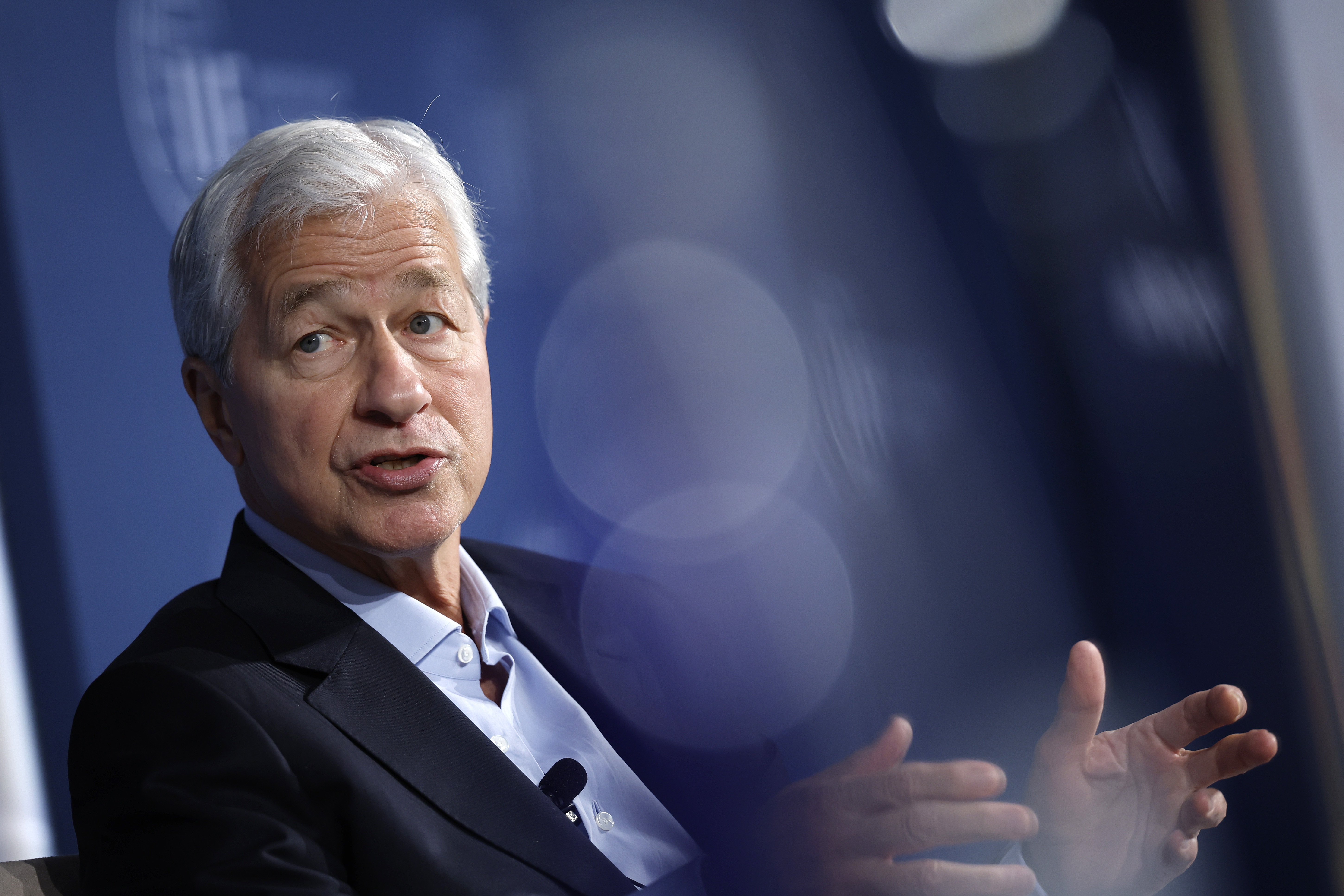
Joe Hernandez discusses Wall Street leaders' concerns about the negative economic impacts of Trump's tariffs.
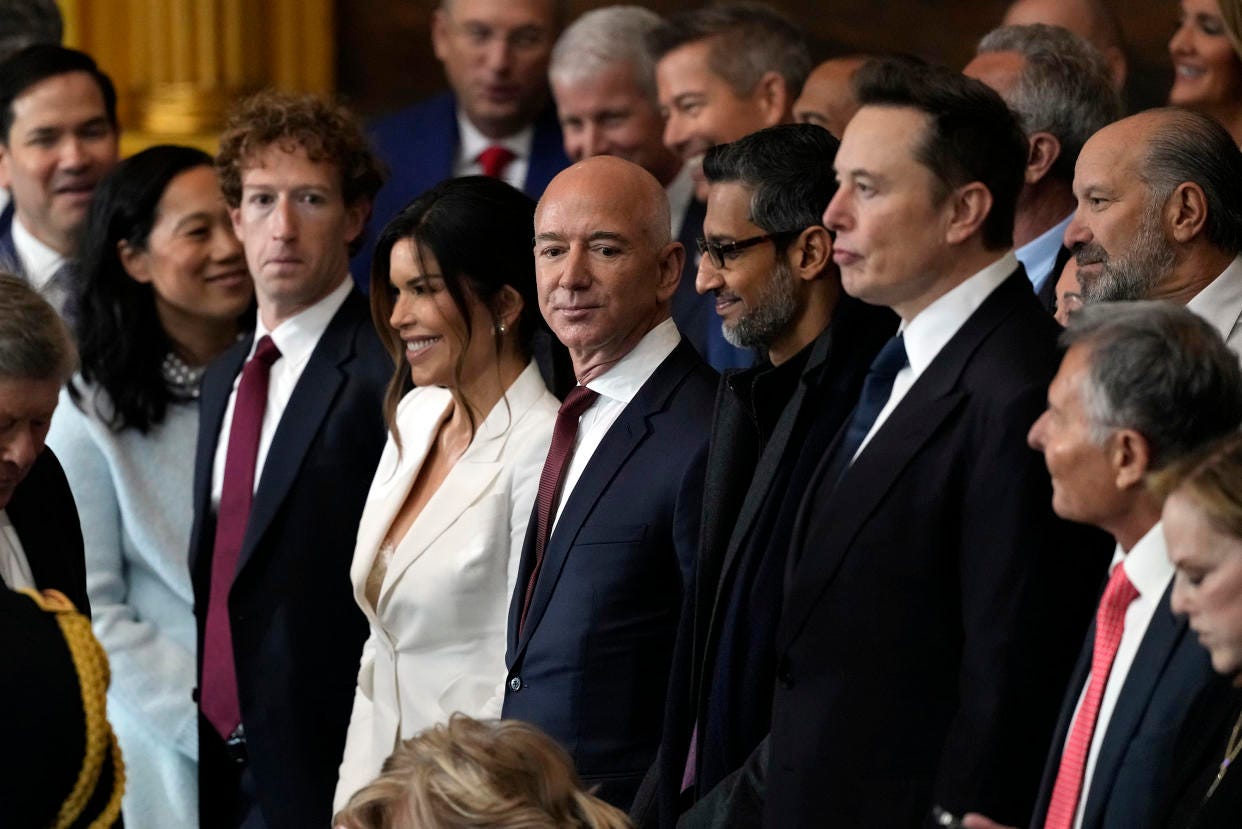
Paul Krugman discusses the political ignorance of both less-engaged voters and wealthy supporters of Trump, highlighting their misjudgments and the consequences for the economy.