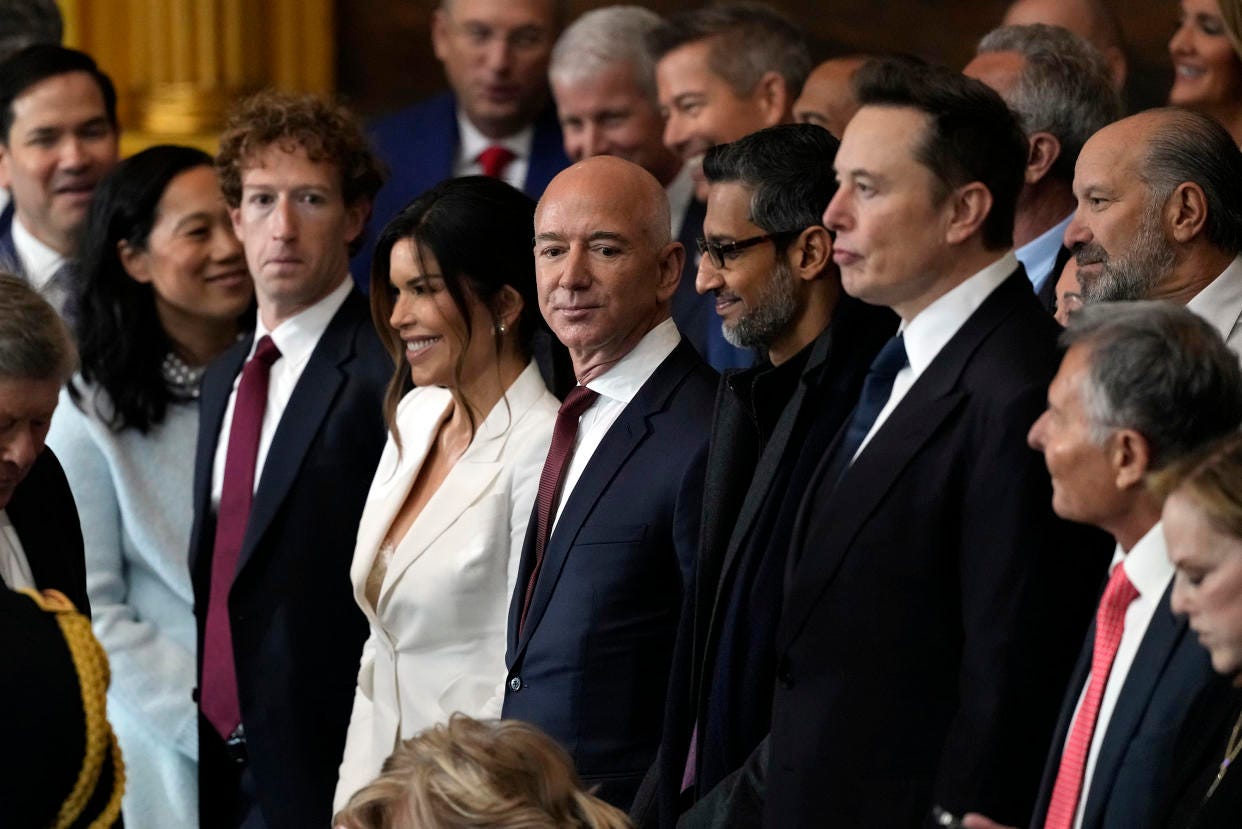
4641. Political Styles of the Rich and Clueless
Paul Krugman discusses the political ignorance of both less-engaged voters and wealthy supporters of Trump, highlighting their misjudgments and the consequences for the economy.
your daily dose of economic commentary
Paul Krugman discusses the political ignorance of both less-engaged voters and wealthy supporters of Trump, highlighting their misjudgments and the consequences for the economy.
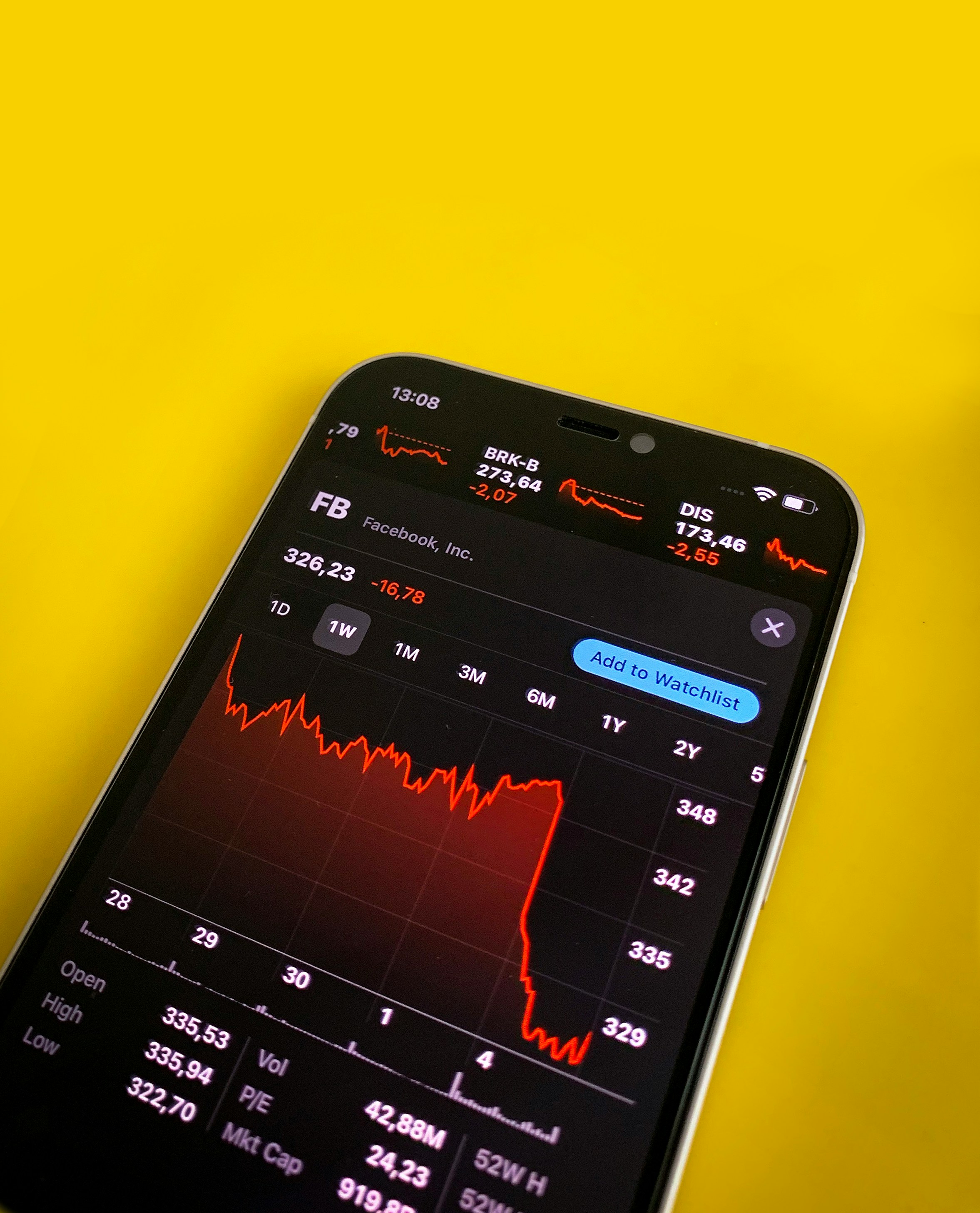
An argument that the stock market's performance does not directly reflect the overall economy, highlighting their differences and the potential for market fluctuations to influence economic behavior.

Bill McBride discusses his updated views on potential recession indicators, emphasizing the resilience of the U.S. economy and analyzing housing and yield curve metrics.

An argument that global tariffs announced by President Trump have led Nintendo to cancel U.S. preorders for the Switch 2, complicating its launch.

Bill McBride discusses the increase in active single-family housing inventory, highlighting significant week-over-week and year-over-year trends.
An argument that unemployment arises from workers' preferences for leisure over available jobs, challenging traditional economic theories that focus on market frictions and wage rigidity.

An argument that global markets are declining due to a trade war, alongside concerns about a measles outbreak resulting in a child's death in Texas.
An argument that Democrats should take stronger action against Trump's tariffs, which are causing significant economic damage and public discontent, rather than remaining passive.

Alina Selyukh discusses how American business owners are struggling with the financial impacts of tariffs amid ongoing trade tensions.

An argument that Shawn Fain endorses specific tariffs for the auto industry while criticizing broader tariffs as irresponsible.

Steve Inskeep highlights Michelle Singletary's advice on managing finances amid President Trump's tariffs on imported goods.

An argument that businesses are grappling with the implications of recent tariffs and how they are adapting to these changes.

A discussion on Eugene Fama's contributions to finance, including efficient markets, behavioral finance, and modern portfolio theory, highlighting his career and influence in the field.

Asian markets fell sharply following a significant decline on Wall Street, driven by concerns over U.S. tariff increases and reactions from China.

Rachel Treisman discusses the global market decline due to increased U.S. tariffs and the resulting reactions from China.

The post discusses biases in health science, critiques NIH funding, and highlights a court ruling favoring medical innovation against FDA regulations.

Concerns are raised about tariff policies and their potential impact on the economy, alongside analysis of employment and GDP forecasts indicating economic softness.

An argument that the proposed tariff model is fundamentally flawed, lacking coherence and understanding of economic principles, particularly regarding trade deficits and monetary exchange.

An argument that protectionist policies harm the economy by discouraging foreign investment and trade, potentially leading to increased government control and public disillusionment.
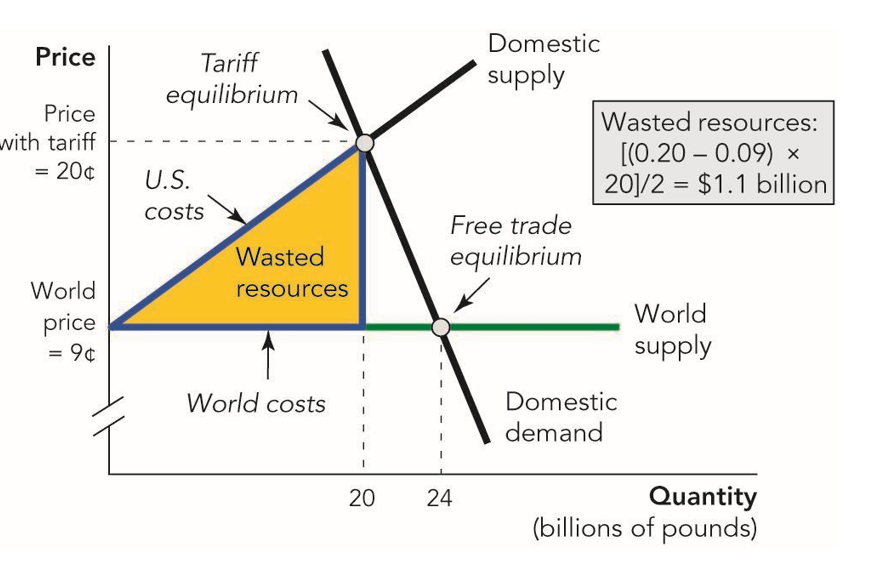
Alex Tabarrok explains that tariffs raise domestic prices due to increased opportunity costs in production, not merely because of reduced competition.