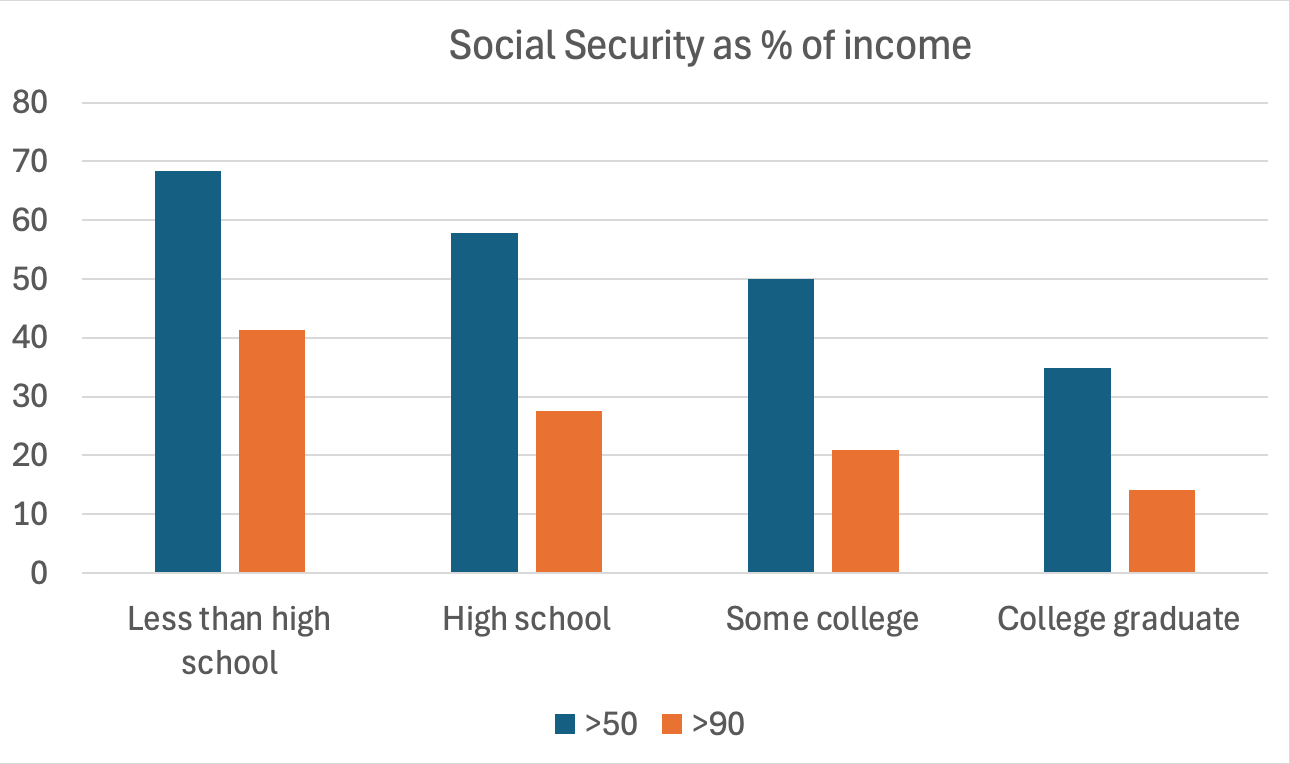
4881. Social Security: A Time for Outrage
Paul Krugman discusses the disconnect between working-class voters' support for Trump and the threats to Social Security posed by his administration's policies.
your daily dose of economic commentary
Paul Krugman discusses the disconnect between working-class voters' support for Trump and the threats to Social Security posed by his administration's policies.

The post examines the prevalence of scam texts about unpaid tolls, explaining how scammers exploit human behavior and economic principles to target potential victims effectively.

Bill McBride discusses the recent increase in active single-family housing inventory, highlighting both week-over-week and year-over-year changes.

Scott Sumner discusses Valerie A. Ramey's research on the limited effectiveness of lump sum transfer payments in stimulating the macroeconomy, emphasizing monetary policy's offsetting role.

An argument that specialization in work can contribute to burnout, highlighting the disconnect between workers and their job's purpose as a significant factor.
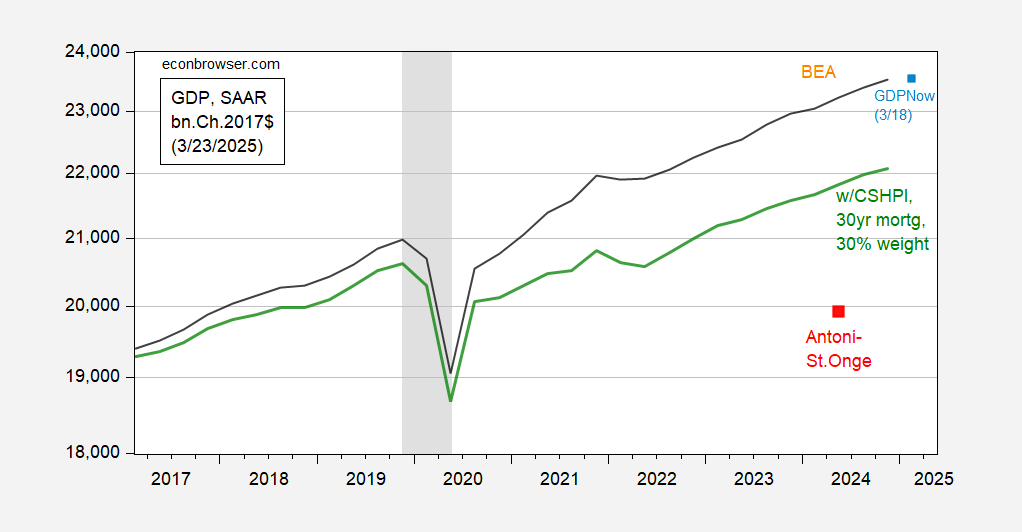
Menzie Chinn analyzes EJ Antoni's recession claims and critiques his economic indicators and methodology while predicting a potential end to the recession call.

The post discusses the life and legacy of Max Frankel, highlighting his role as executive editor of The New York Times and his impact on journalism.

David Henderson discusses various readings, including insights on George Washington's entrepreneurship and critiques of pandemic lockdowns affecting societal behavior.
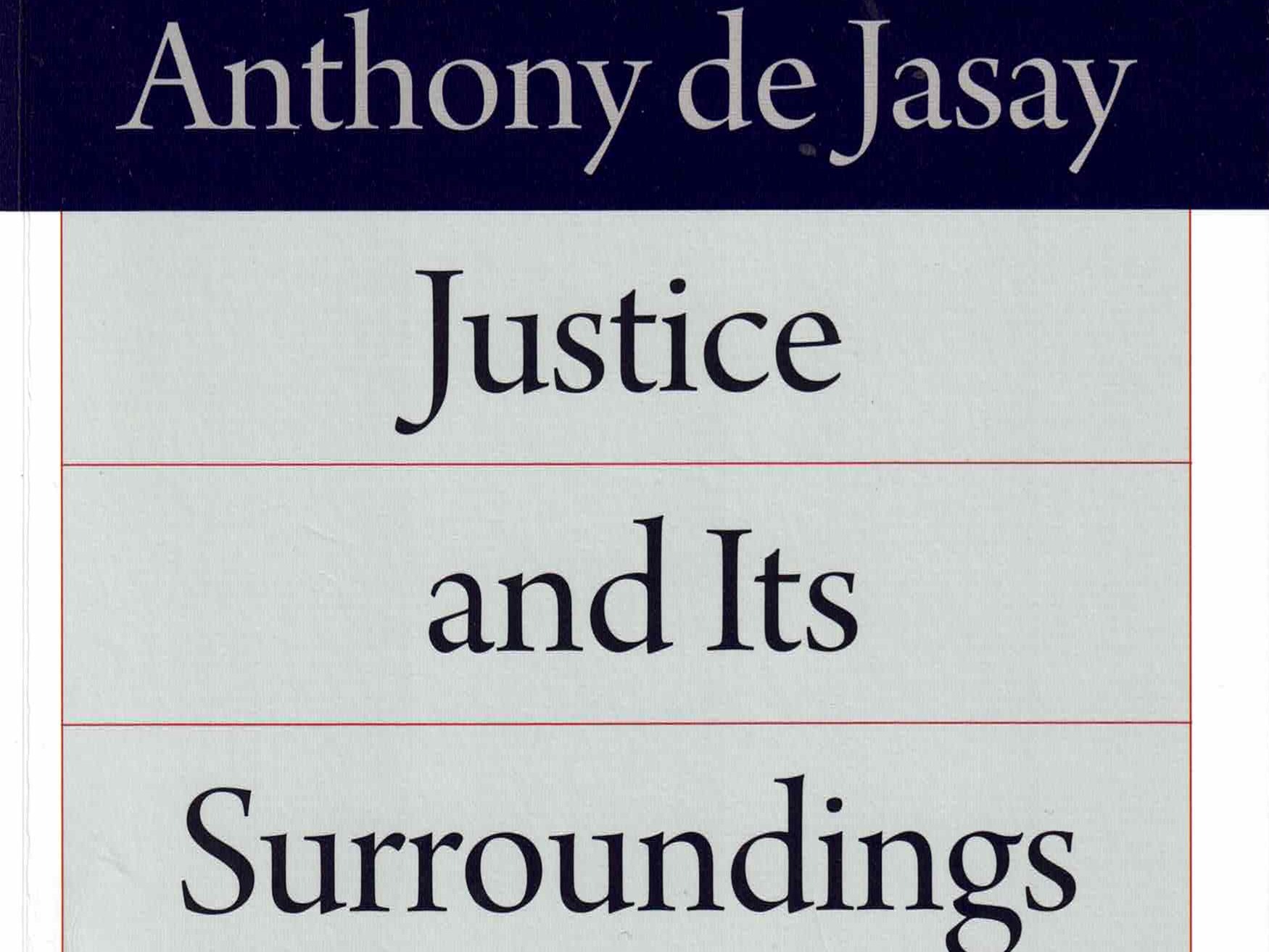
Pierre Lemieux reviews Anthony de Jasay's book, discussing its themes of justice, property, and the relationship between liberty and state authority.

The post discusses various topics including Social Security, Trump's policies, and corruption in San Francisco, highlighting the implications for governance and public services.

Scott Cunningham discusses teaching causal inference, focusing on difference-in-differences and the impact of weighting on treatment effect estimates.
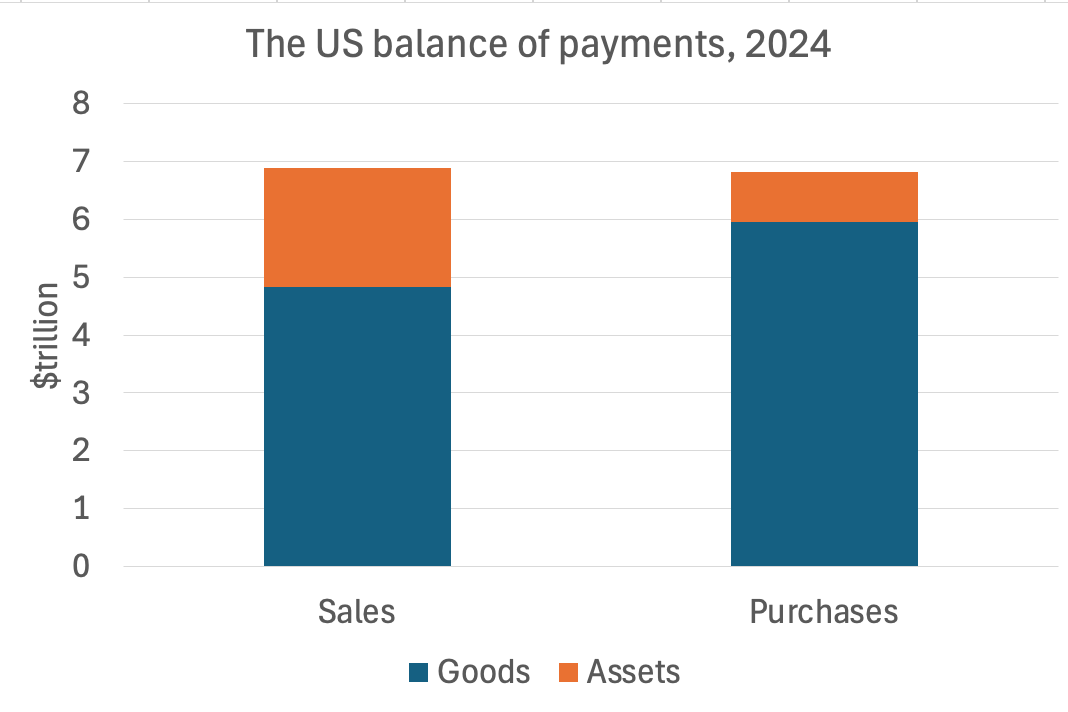
Paul Krugman discusses the historical context of trade deficits and their implications, referencing David Hume's ideas and current economic debates in the U.S.
Proposals for a "Mar-a-Lago Accord" aim to depreciate the dollar to improve the trade balance, but face significant challenges and contradictions regarding US interest rates and dollar dominance.

A statement reveals Boeing's contract to produce the next generation of U.S. Air Force fighter jets, with limited details on the aircraft's features.
An argument that the focus on corporate power by progressives fails to resonate with the public, highlighting a disconnect between elite concerns and the economic issues affecting everyday Americans.
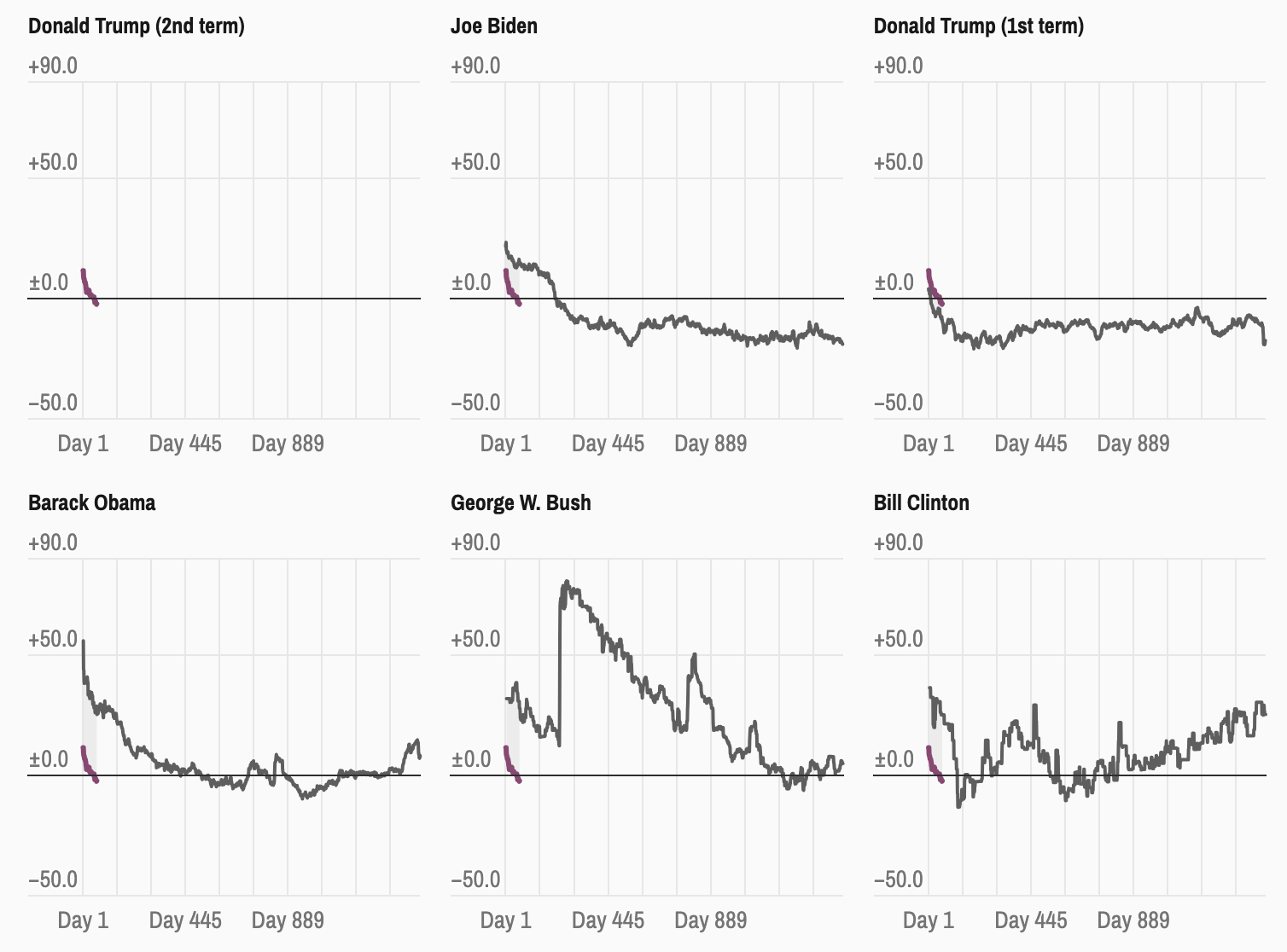
Nate Silver analyzes Trump's fluctuating approval ratings and discusses factors influencing his political resilience despite economic challenges.

Scott Cunningham shares a collection of topics including AI, personal growth, culture, and research queries, with insights on economics and political science.

Paul Krugman discusses the intersection of AI and economics, emphasizing the need for economists to better understand technology through his conversation with Erik Brynjolfsson.

Key economic reports for the week include new home sales, GDP estimates, personal income, and manufacturing surveys, highlighting trends in housing and consumer spending.

A court case examines the role of Newsmax's CEO in promoting false claims about election fraud, similar to a previous lawsuit involving Fox News and Dominion Voting Systems.