
4861. TikTok: Godot, Absurd Politics, and Knaves
A narrative explores the absurd political maneuvers surrounding TikTok's ban, highlighting the opportunistic behavior of politicians and the implications for governance and society.
your daily dose of economic commentary
A narrative explores the absurd political maneuvers surrounding TikTok's ban, highlighting the opportunistic behavior of politicians and the implications for governance and society.

The post features a podcast episode discussing the personal journey and research contributions of an econometrician, highlighting her influential work in causal inference.
Alex Tabarrok discusses Argentina's deregulation efforts and their positive economic impacts under Milei's leadership, highlighting increased freedom and reduced costs.
An argument that Labour's reluctance to raise taxes reflects poor strategic analysis, potentially jeopardizing its electoral prospects and ability to address economic challenges.
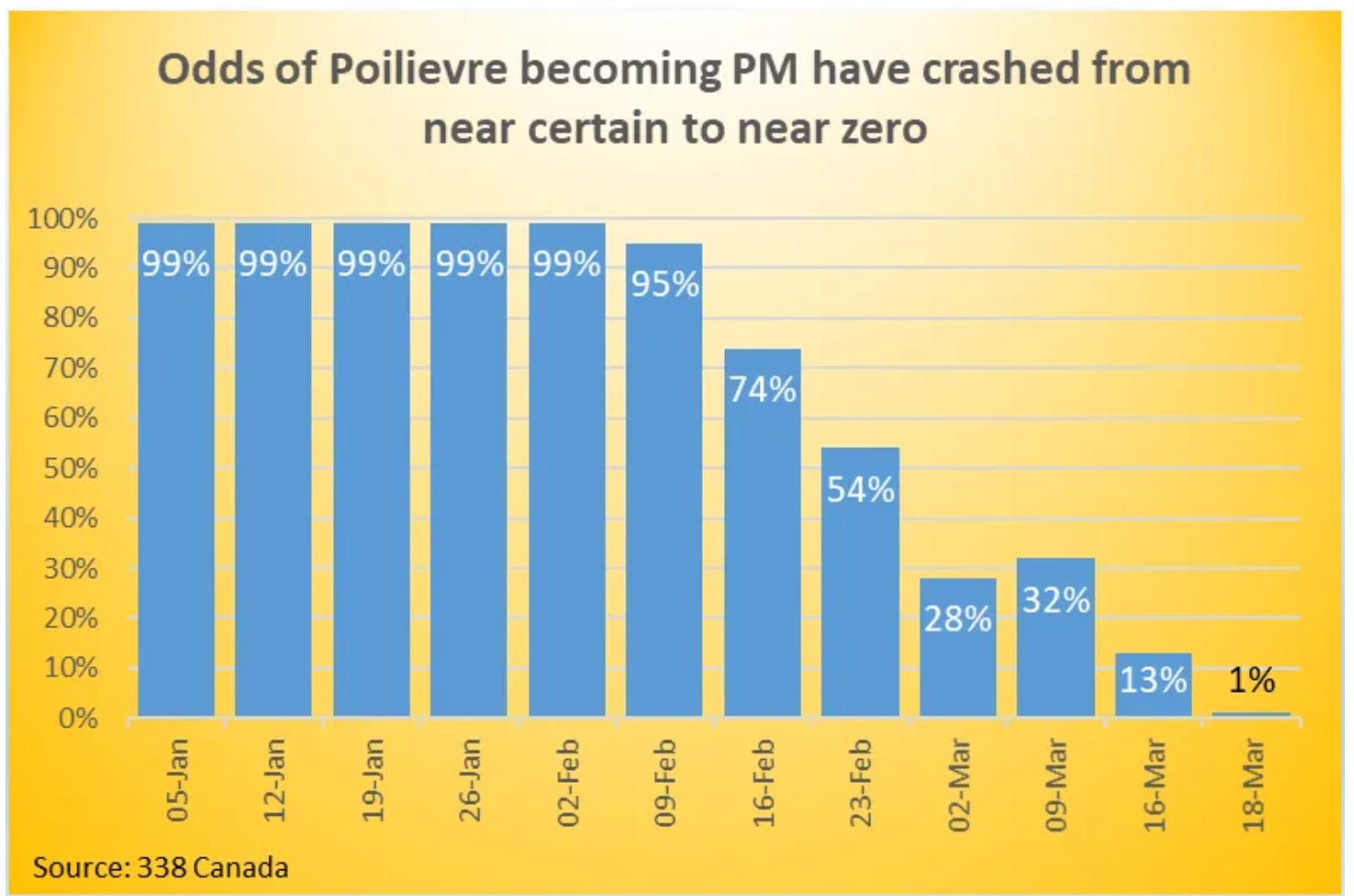
Observations about Canada’s political landscape highlight its response to U.S. influences, the impact of Trump’s actions, and broader implications for national pride and economic policy.

Bill McBride discusses the increase in new home sales in February and provides data from the U.S. Census Bureau and HUD regarding housing supply and sales trends.

The release of Mintz Group employees reflects China's efforts to attract foreign investors and rejuvenate its struggling economy.

The post discusses January's home price index data, highlighting annual increases and regional variations, while noting factors affecting market activity and affordability.

Home health care workers in Nevada are advocating for a minimum wage increase to $20 per hour to address rising demands in their sector.

The post explores public perceptions of the economy by gathering opinions across various locations in the U.S. regarding the state of the 2025 economy.
An argument that highlights the historical challenges and impracticalities of implementing a land value tax, particularly in relation to local government funding issues.
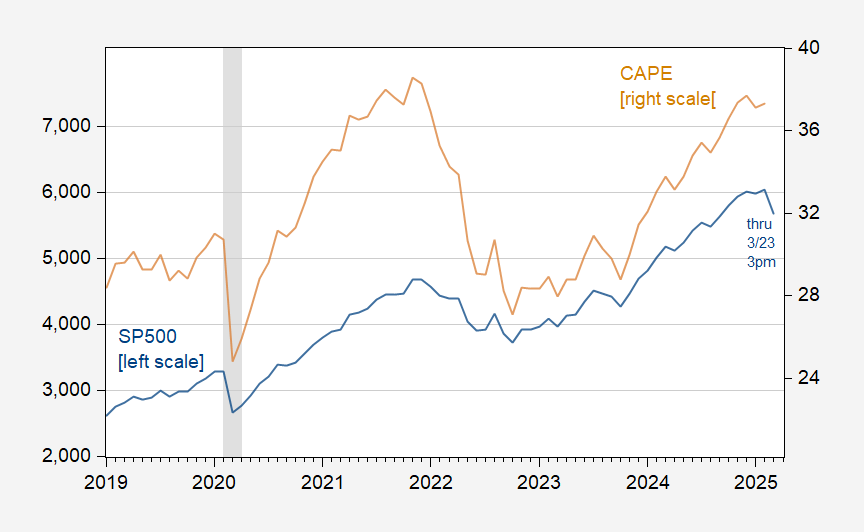
The post discusses stock market trends, recession predictions, and their relationship with economic indicators like interest rates and policy uncertainty.

The post discusses mortgage rates, upcoming economic reports on house prices and new home sales, and their potential impact on the housing market.

John Phelan discusses how China's trade surpluses, while seemingly beneficial, have historically led to negative consequences for the country and its citizens.

The post discusses a new paper on difference-in-differences methodology, emphasizing a forward-engineering approach to causal inference and addressing various methodological challenges.
A disagreement is presented regarding the relationship between imports and exports, arguing that exports are not necessarily required for a country to benefit from imports.

Alina Selyukh discusses how inflation and tariffs impact shopping habits and budgeting, inviting readers to share their experiences.

An argument that India seeks to benefit from increased manufacturing opportunities due to U.S. tariffs on Chinese goods, positioning itself as an alternative for businesses.
Alex Tabarrok discusses the implications of a potential lab leak origin for SARS-CoV-2, advocating for improved biosafety regulations and international oversight to prevent future pandemics.

Bill McBride discusses the impact of policy changes on the housing market outlook for 2025, focusing on inventory levels and economic factors affecting sales.