
4841. If and when you live in a dictatorship, how will you know?
The discussion centers on the characteristics and implications of dictatorship, particularly in relation to the Trump administration's actions and rhetoric.
your daily dose of economic commentary
The discussion centers on the characteristics and implications of dictatorship, particularly in relation to the Trump administration's actions and rhetoric.
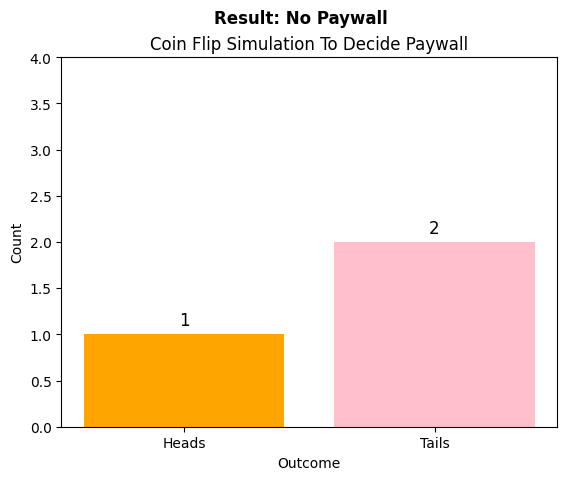
Scott Cunningham argues for using long differences in event studies based on the principle of falsification, emphasizing their role in testing observational designs.

Jeff Guo discusses Planet Money's purchase of a mystery diamond, exploring its origins and the economics behind diamond pricing and potential scams.

Kevin Corcoran critiques Yoram Hazony's views on free trade and mutual loyalty, arguing for a balance between individual liberty and societal bonds.

A federal judge halted the White House's plan to dismantle Radio Free Europe/Radio Liberty, deeming its operation beneficial to the public interest.
An argument that highlights Canada's pivotal role in the rescue of American hostages during the Iran crisis, emphasizing cooperation between the two nations.
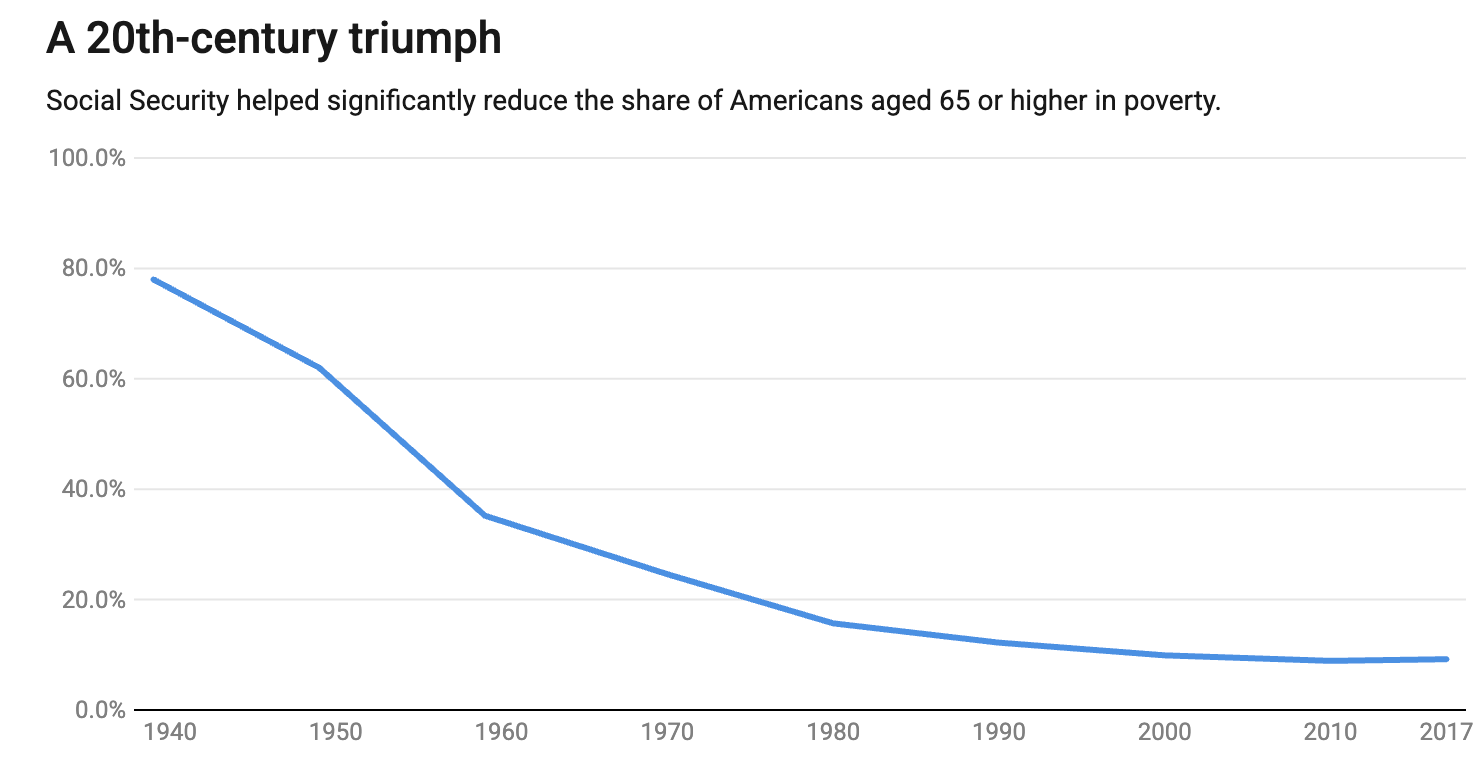
Paul Krugman discusses the dual nature of incompetence and malice in the actions of the Trump administration and figures like Elon Musk, particularly regarding public policy.

Bill McBride discusses February's local housing market trends, highlighting a year-over-year decrease in existing home sales and predictions for March sales activity.

Bill McBride discusses a 2% decrease in mortgage applications and highlights trends in refinancing and purchasing activity based on the MBA's latest survey data.

Rafael Nam discusses how StubHub's "Recommended Tickets" filter limits ticket visibility, frustrating users who may not see all available options.

A proposal to restrict guns with detachable magazines is nearing approval in Colorado, with the governor likely to enact it into law.

The discussion highlights the significance of marginal oil wells in the U.S. and their impact on producers and environmental concerns.

An argument that European countries are seeking military independence from the U.S. and exploring the challenges they face in achieving this goal.

Republican lawmakers are targeting public broadcasters PBS and NPR, questioning their funding and relevance amid broader discussions on government efficiency.

Jon Murphy discusses methodological cosmopolitanism, emphasizing the importance of considering the global impact of economic policies, particularly tariffs, on all affected parties.
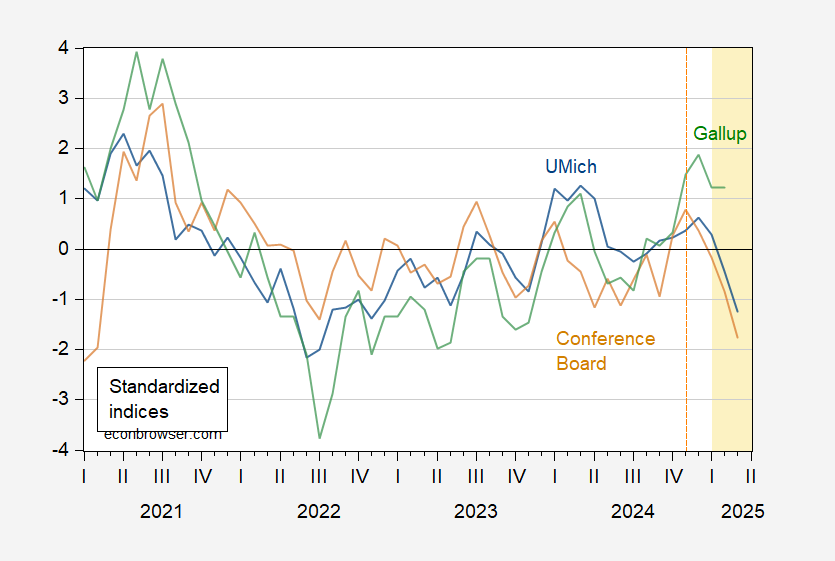
Menzie Chinn discusses the decline in US consumer confidence as indicated by the Conference Board index and compares it with other sentiment measures.

Scott Sumner discusses how ambiguous U.S. foreign policy has historically led to costly wars, highlighting examples like the Gulf War and the Korean War.

An argument that progressive policies in blue states hinder development, causing population loss, while red states thrive due to more favorable growth conditions and policies.

The post highlights various stories related to economic principles, including financial aid, consumer behavior, smuggling, toll revenue, and transportation costs in New York City.

A narrative explores the absurd political maneuvers surrounding TikTok's ban, highlighting the opportunistic behavior of politicians and the implications for governance and society.