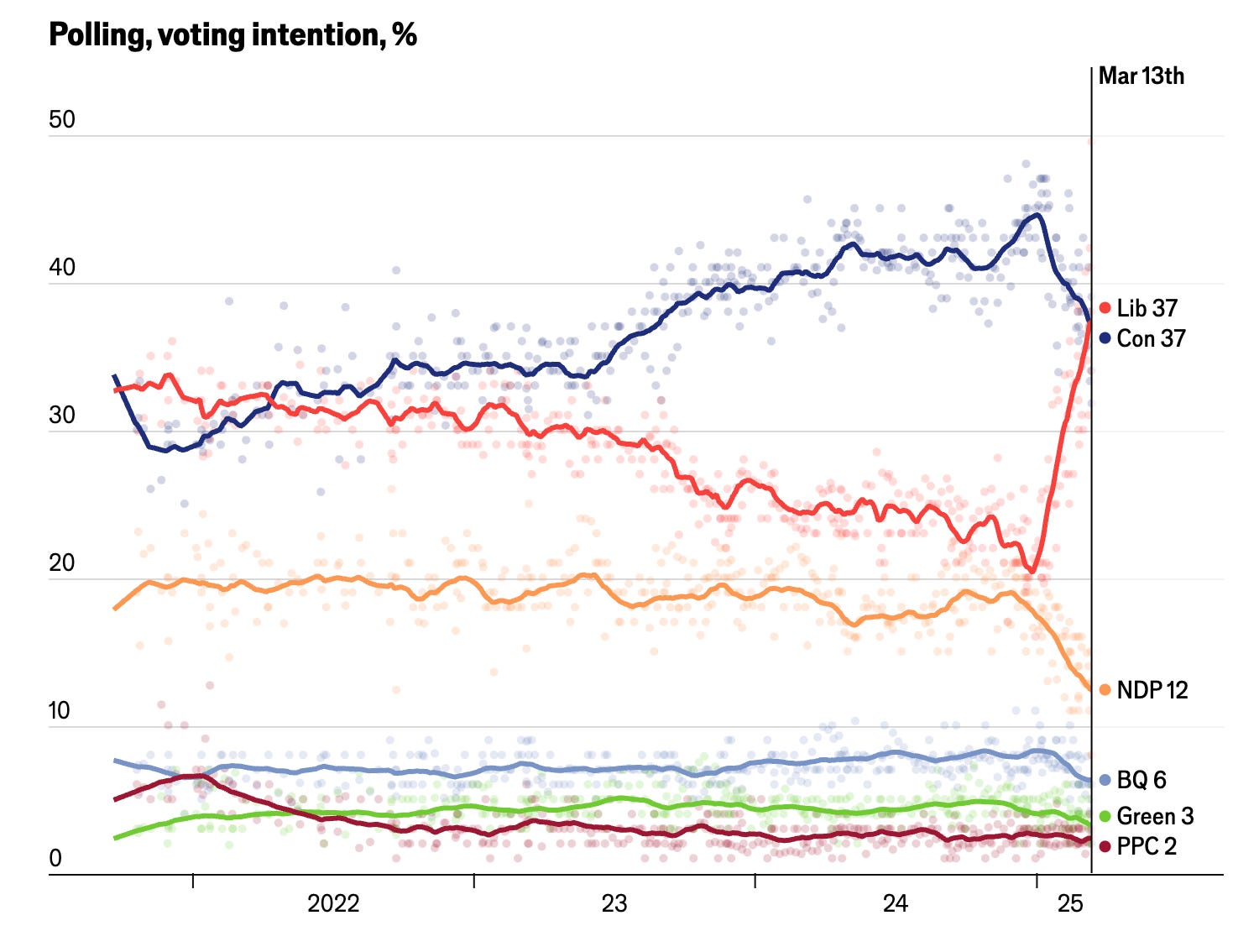
4981. Destroying America's Brand
The post discusses the potential economic consequences of America's declining global trust and reliability, particularly in military and educational exports, due to recent political actions.
your daily dose of economic commentary
The post discusses the potential economic consequences of America's declining global trust and reliability, particularly in military and educational exports, due to recent political actions.

An argument that Southwest Airlines' new baggage fees reveal the psychological impact of perceived free services and the economic rationale behind unbundling pricing strategies.
Robert Vienneau discusses the struggles of mathematicians David Hilbert and Kurt Gödel during the rise of the Nazi regime and their experiences in America.

Bill McBride discusses the decline in builder confidence due to economic uncertainty and rising construction costs, as reported by the NAHB in March.

Retail sales rose 0.2% in February, with a year-over-year increase of 3.1%, although the growth fell short of expectations and previous months were revised downward.

Active single-family housing inventory increased both week-over-week and year-over-year, indicating a seasonal trend and a significant reduction in the gap to normal inventory levels.

An argument that explores the application of difference-in-differences design in evaluating job-training programs and addresses potential biases in regression analysis.

Bobby Allyn discusses Valerie Costa's experience as an anti-Tesla protester and her concerns about being targeted by Elon Musk.

A decline in wholesale egg prices suggests potential reductions in grocery store prices soon.
Tyler Cowen critiques the AI risk movement's claims, arguing that many fears about AI are unfounded and based on misconceptions about machine learning and alignment.

Kate Dario discusses the federal government's costly coyote management program and its ineffectiveness in controlling coyote populations.

Nate Silver discusses his college basketball forecasts for March Madness, detailing the rating system and projections based on historical data and team performance.
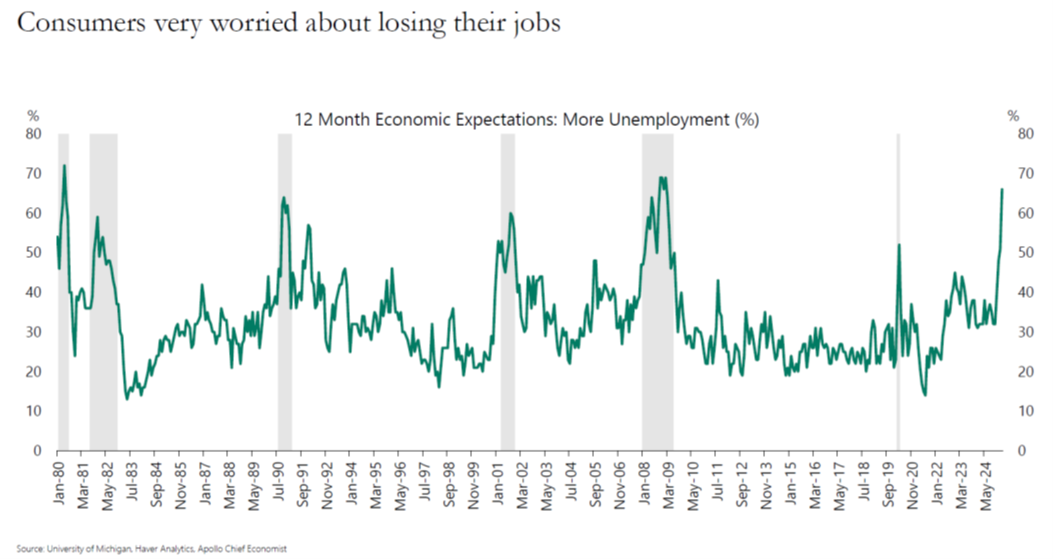
An argument that consumer sentiment and financial indicators suggest a significant probability of recession occurring soon, with analysis based on regression models and historical data.
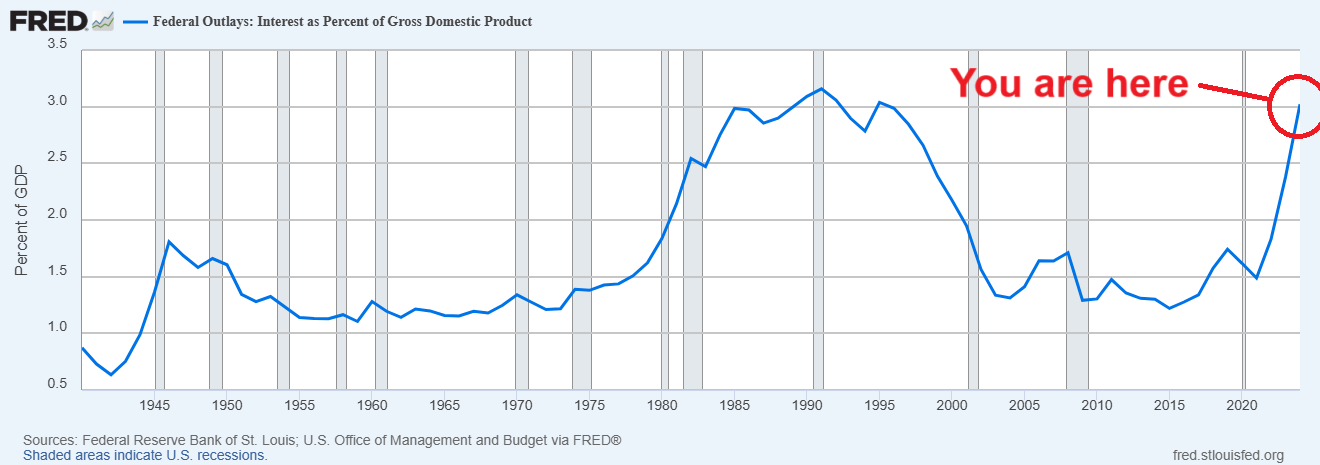
An argument that the national debt is a growing concern exacerbated by both major political parties, particularly due to recent spending and tax policies.

An argument that market corrections are often mischaracterized as healthy, highlighting their negative implications and the risks of assuming beneficial long-term effects from certain economic policies.

David Henderson discusses various articles covering topics like government regulations, legal cases, and pollution in his weekly reading and viewing roundup.

An argument that collective decision-making can undermine individual rights, particularly regarding capital inflows, highlighting the potential dangers of government control over economic choices.
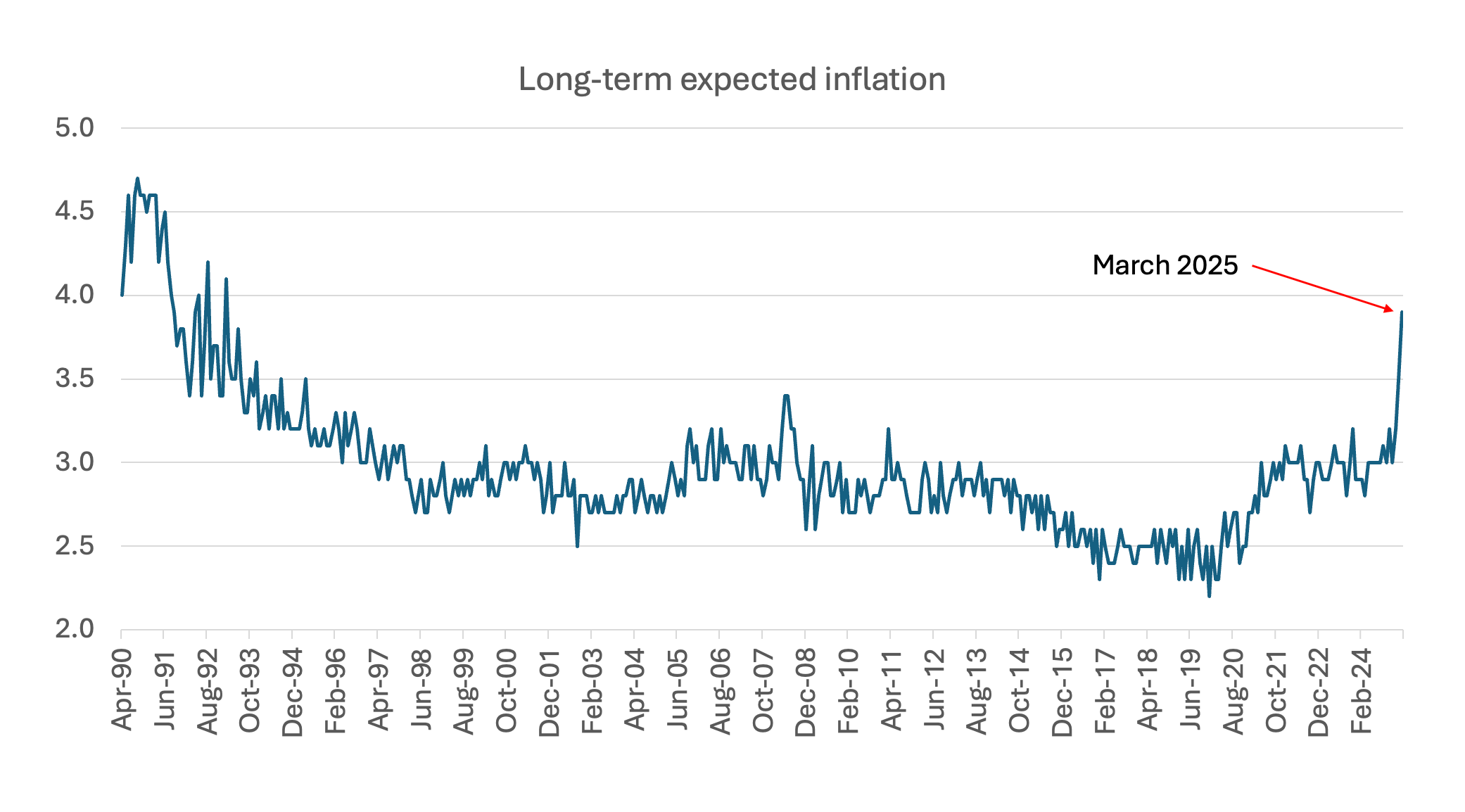
An argument that inflation trends, consumer sentiment, and political promises influence economic conditions, particularly in the context of recent U.S. inflation and its implications for future policies.
Bill McBride discusses expectations for the FOMC meeting, predicting no change to the Fed funds rate and highlighting economic projections for growth and inflation.

The discussion focuses on a series of videos about causal inference, specifically targeting parameters and the implications of data weighting in different geographical contexts.