
5001. Forget about rare earth minerals. We need more copper
An argument that the increasing demand for copper is critical, potentially overshadowing concerns about rare-earth minerals due to its essential role in various technologies.
your daily dose of economic commentary
An argument that the increasing demand for copper is critical, potentially overshadowing concerns about rare-earth minerals due to its essential role in various technologies.

Art Carden critiques the New History of Capitalism and defends Ludwig von Mises against misinterpretations, highlighting his anti-Nazi stance through a Batman comic reference.

David Folkenflik discusses the indefinite paid leave of 1,000 Voice of America employees and the termination of contracts with other U.S.-funded networks.
Alex Tabarrok discusses how a drug shortage led to increased supply through compounding pharmacies, highlighting the implications of relaxed FDA regulations on the market.

Paul Krugman discusses economic pessimism and recession risks with Neil Dutta, emphasizing the interplay between macroeconomic forecasting and political factors.

Bill McBride outlines key economic reports and events scheduled for the week of March 16, 2025, including retail sales and housing data.

The author shares experiences from a recent trip to South Africa, discussing talks, personal reflections, and the country's economic challenges and beauty.
Tyler Cowen discusses Dalton Conley's research on how genes and environment interact, influencing behaviors and outcomes in social networks and familial settings.

An argument that Social Security was designed as a flawed intergenerational scheme, leading to ongoing financial issues and entitlement mentality among citizens.

The post discusses the negative impacts of the Trump administration, likening them to the biblical figures of War, Death, Pestilence, and Famine.

An argument that Democrats should have opposed a budget resolution to avoid a government shutdown, emphasizing the potential political consequences of supporting Trump’s agenda.
Timothy Taylor discusses misconceptions in US political discourse regarding trade deficits and their impact on the economy, emphasizing the importance of understanding GDP accounting identities.

Alana Wise discusses Tesla's concerns about potential negative impacts on global sales due to Trump's new tariff policies.
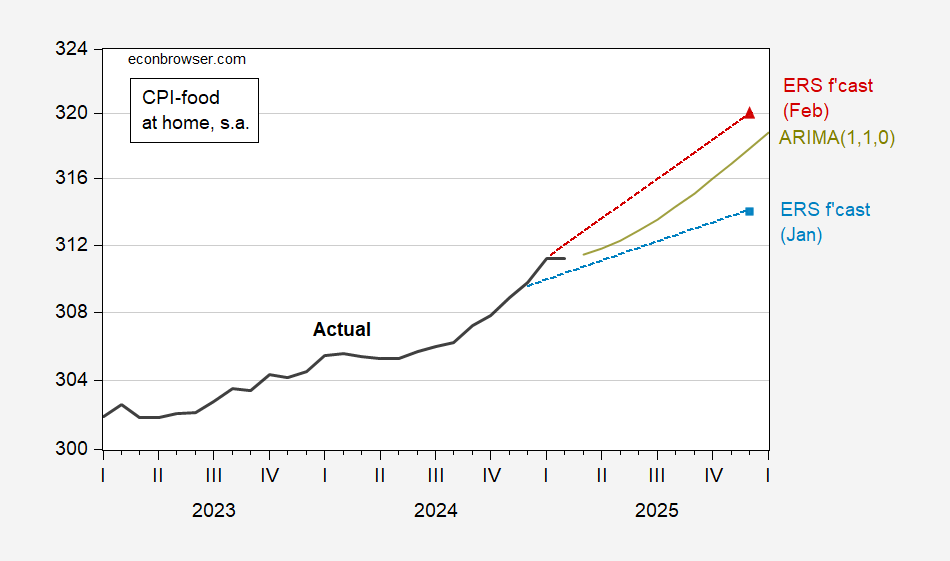
Menzie Chinn analyzes grocery and shelter prices, comparing different economic indices to assess the financial situation of average households.

Nate Silver discusses Donald Trump's approval ratings, noting his current popularity compared to his first term and the factors influencing these trends.

The post discusses Trump's characterization of the economy as transitioning, contrasting his optimism with skepticism from economists regarding the impact of tariffs.

Bill McBride discusses the decline in COVID deaths and the implications for future reporting and metrics.

The post explores Tupperware's rise and fall, highlighting its innovative sales strategy and lasting impact on modern marketing techniques.
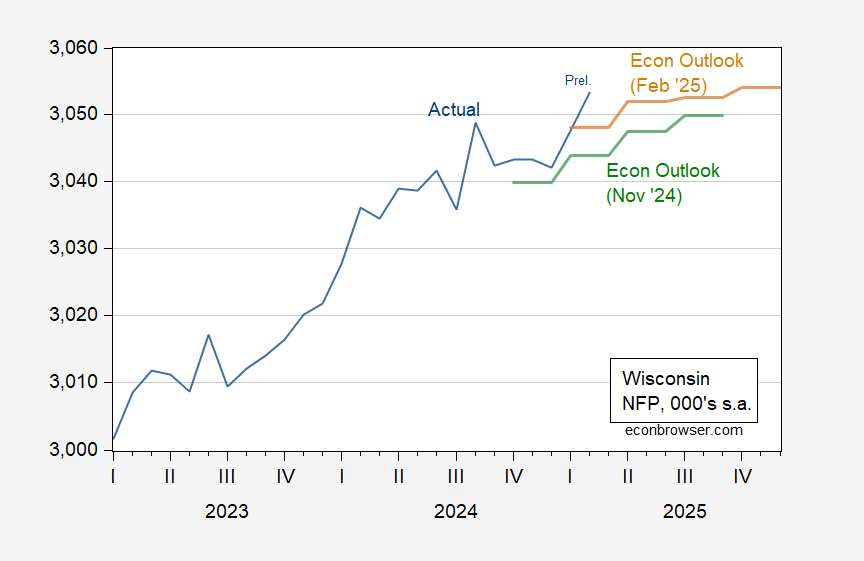
Employment figures and economic forecasts for Wisconsin are analyzed, highlighting their implications for overall economic activity and GDP projections.

Marcos Falcone critiques the left's use of the term 'cruel' to describe political opponents, arguing that their policies often lead to economic harm and injustice.