
5201. Tuesday's Assorted Links
The author discusses various stories highlighting economic principles and their applications, including housing supply, tariffs, and market competition.
your daily dose of economic commentary
The author discusses various stories highlighting economic principles and their applications, including housing supply, tariffs, and market competition.

Laurel Wamsley discusses the Consumer Financial Protection Bureau's decision to drop its case against Zelle, highlighting the influence of Trump appointees on the bureau's actions.

Scott Horsley discusses the concerns of American business owners regarding the negative effects of President Trump's tariffs on imports.

Paul Krugman discusses Trump's irrational tariffs on Canada and Mexico, suggesting they stem from personal animosity rather than economic rationale.

Bill McBride discusses the decline in heavy truck sales in February, highlighting trends and historical data related to the trucking industry and economic indicators.
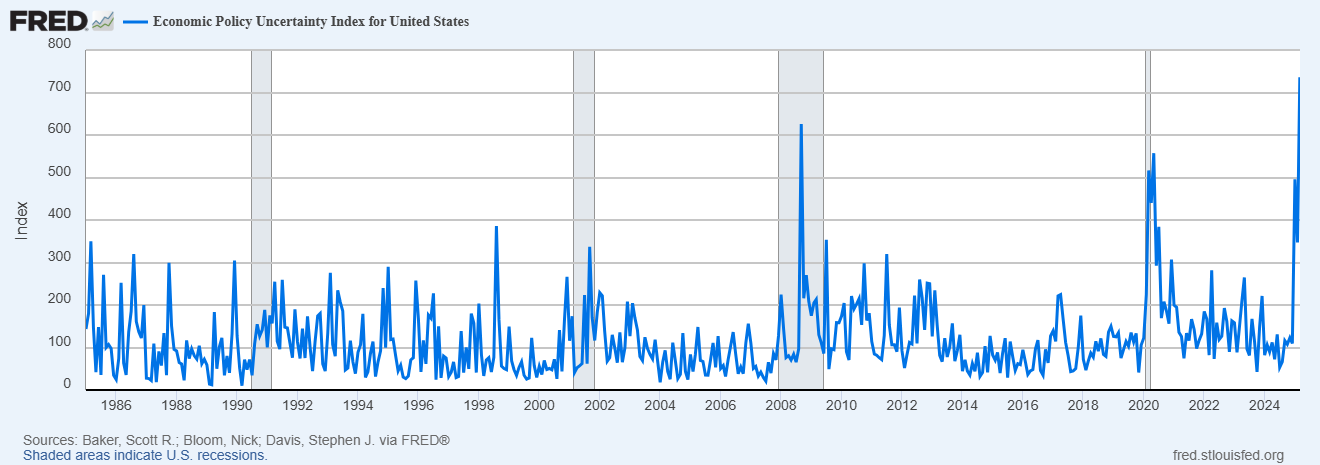
Alex Tabarrok discusses how regime uncertainty affects investment decisions, highlighting historical examples and current implications of unpredictable policies on economic stability.

Claudia Sahm discusses the potential economic impact of DOGE on the U.S. economy, arguing it is unlikely to trigger a recession despite concerns about government layoffs.

Maria Aspan discusses the decline in U.S. stock markets due to concerns over Trump's tariffs and the potential for a global trade war.
The author discusses the inadequacy of the UK's recession definition and its implications for understanding economic stagnation, highlighting supply-side issues and productivity concerns.

Brian Mann discusses how Canadian and Chinese officials view the fentanyl crisis as a pretext for U.S. tariffs, emphasizing their efforts to combat fentanyl smuggling.

Tom Lawler discusses the Federal Reserve's negative earnings and the implications for remittances to the Treasury due to rising interest rates.
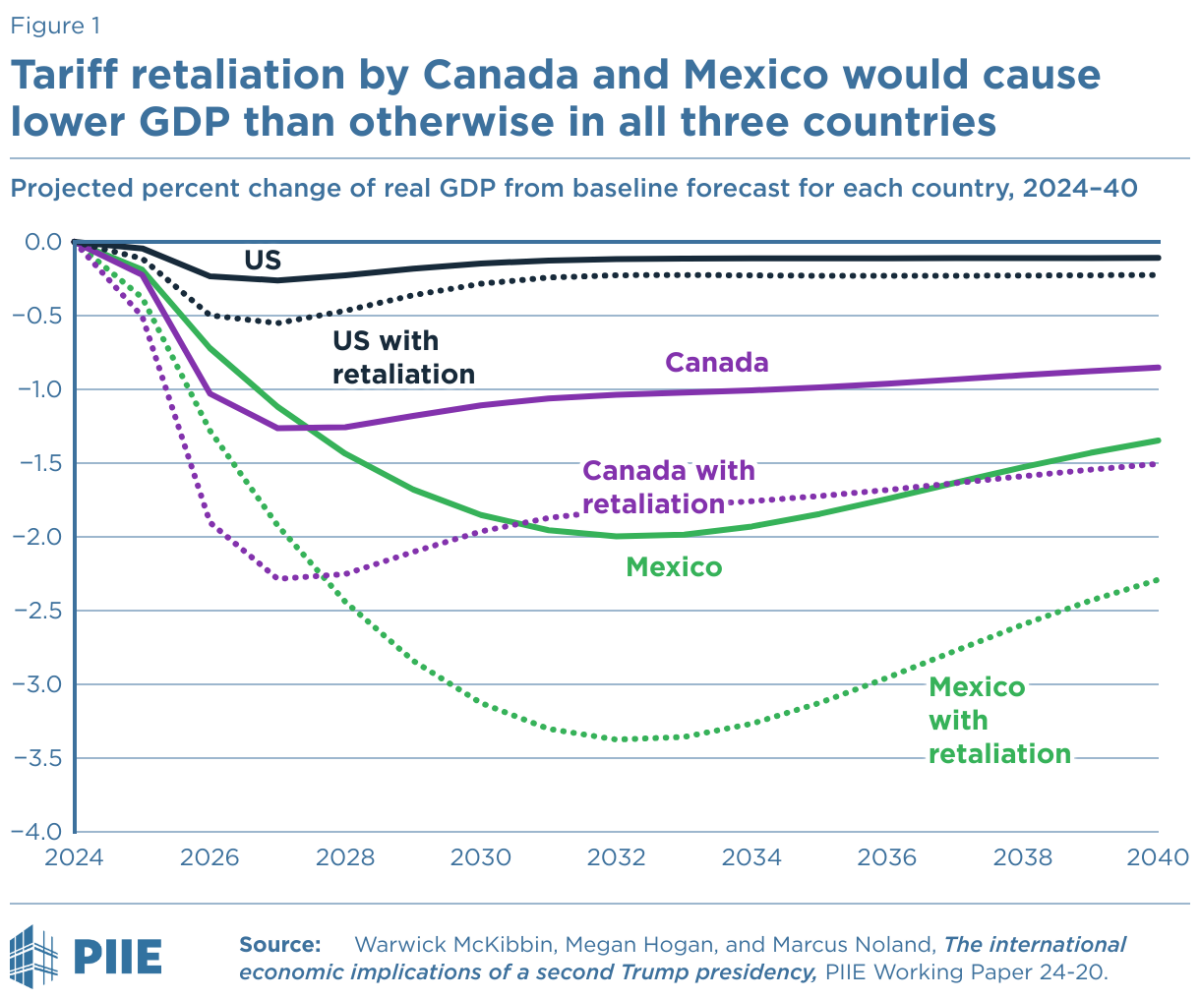
Menzie Chinn discusses the implications and effects of the trade war between the U.S., Canada, and Mexico on economic relations and trade policies.

Greg Rosalsky discusses the increasing influence of Trump over independent agencies, particularly focusing on the implications for the Federal Reserve.

Juliana Kim discusses President Trump's vision for a federal strategic reserve to position the U.S. as a leader in the cryptocurrency industry.

David Henderson discusses Simon Kuznets' perspective on excluding government spending from GDP, contrasting it with Greg Mankiw's criticism of the idea.

Wailin Wong discusses President Trump's executive orders and their implications for the Federal Reserve's independence and interest rate control.
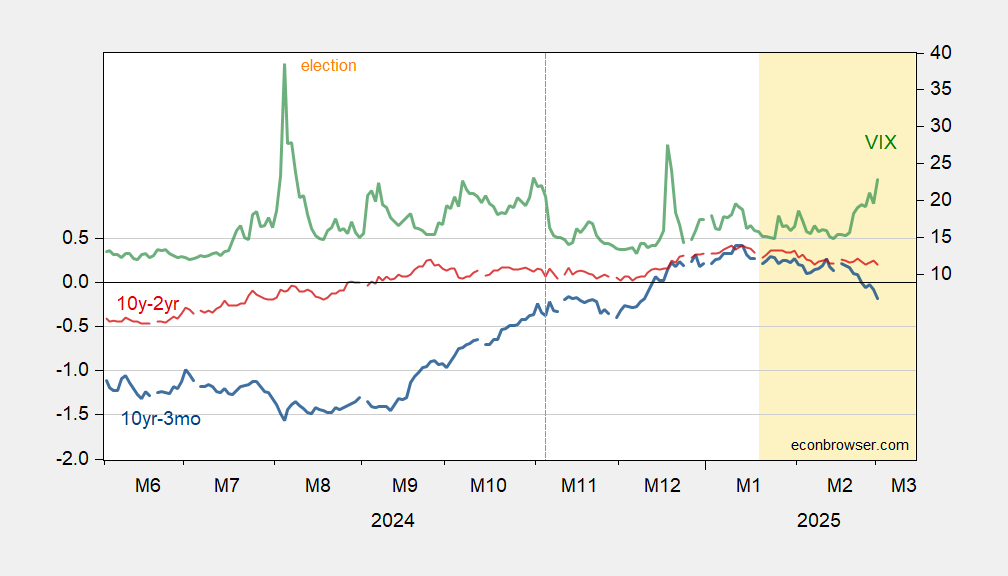
Menzie Chinn discusses the implications of current Treasury yield curves and VIX levels on economic growth forecasts.

Conversable Economist discusses the rising debt risks for low- and middle-income countries, highlighting the imbalance in capital flows and increasing debt servicing costs.
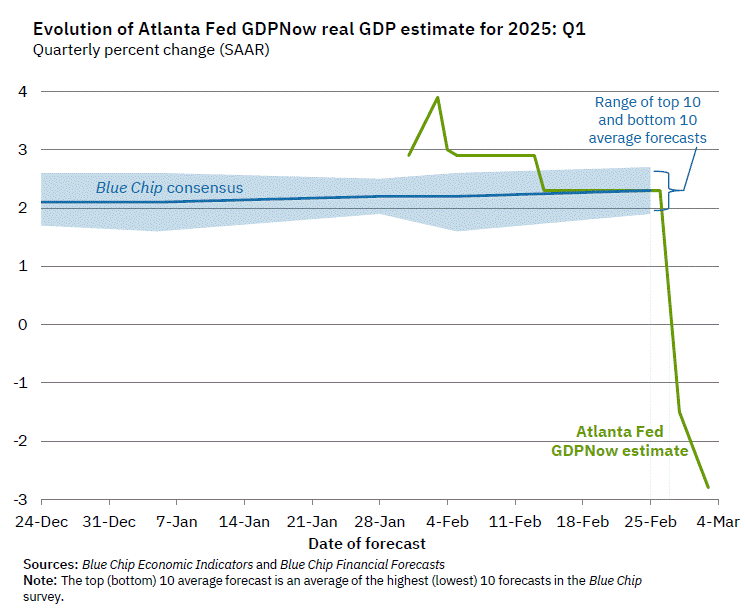
Menzie Chinn discusses the recent decline in economic nowcasts and forecasts, attributing it to trade balance changes and potential tariff impacts.

Camila Domonoske discusses how new tariffs may significantly increase car prices in the U.S. due to government policy changes.