5321. 1969
Tyler Cowen reflects on significant personal experiences from 1969, including the moon landing, the Mets' World Series win, and receiving his first transistor radio.
your daily dose of economic commentary
Tyler Cowen reflects on significant personal experiences from 1969, including the moon landing, the Mets' World Series win, and receiving his first transistor radio.

David Folkenflik discusses a federal judge's decision allowing the Trump administration to maintain its ban on the Associated Press's coverage of key events.

Scott Sumner critiques U.S. sanctions on China, arguing they are inconsistent with U.S. actions and questioning the rationale behind them.
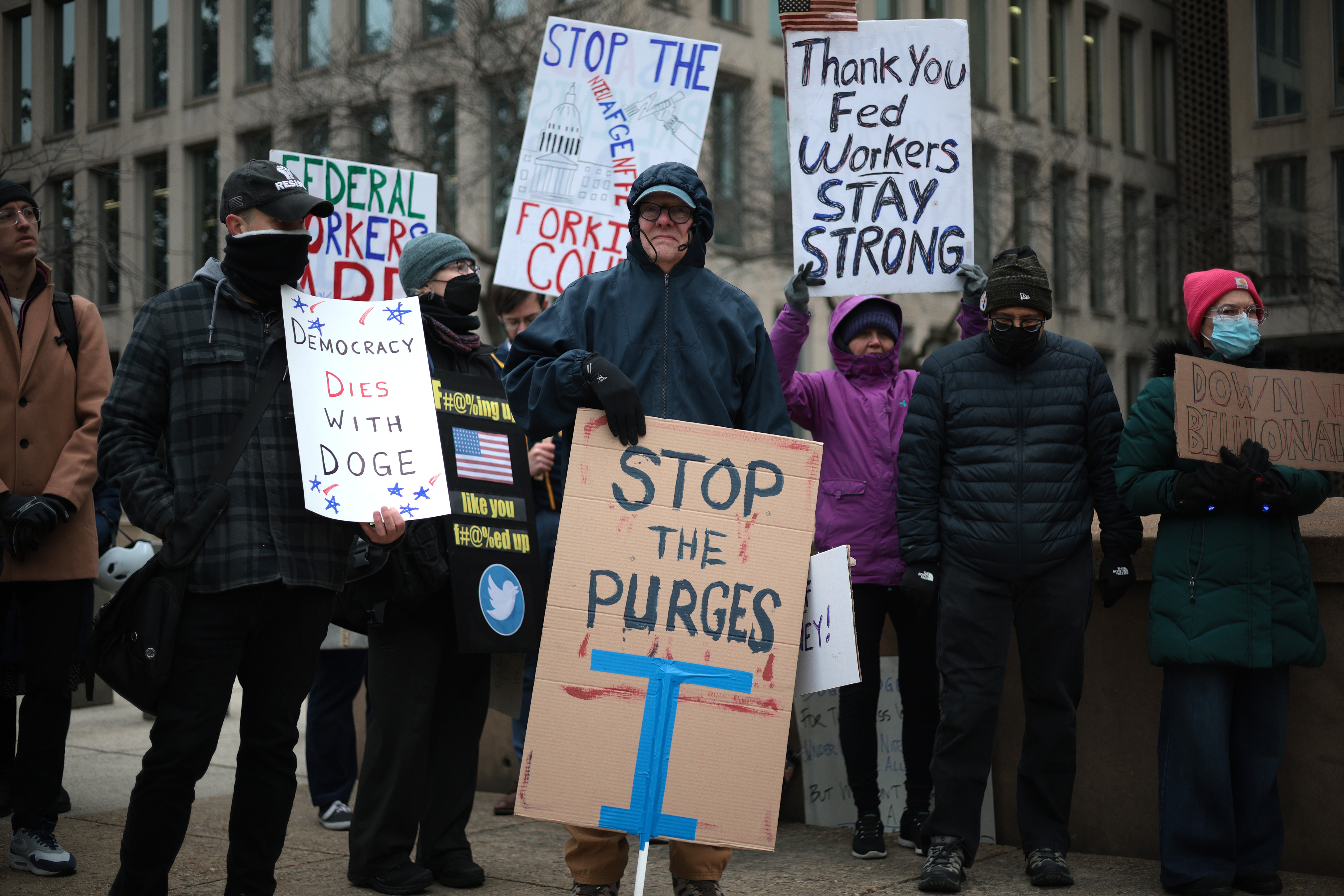
Andrea Hsu discusses the intervention of a federal agency in the dismissal of probationary employees during Trump's administration.
Tyler Cowen discusses the integration of Syrian migrants in Germany, focusing on employment rates, crime statistics, and the challenges they face in adapting to society.
Kevin Corcoran discusses R. R. Reno's views on the political consequences of losing strong communal identities, leading to populism and identity politics.
Menzie Chinn reflects on Alice Rivlin's impact as the founding director of the CBO and the agency's role in economic and budget analysis.

Pierre Lemieux discusses the ignorance of scientists regarding societal complexities and the dangers of applying scientific methods to social engineering without understanding economics.

Scott Cunningham addresses a reader's confusion regarding statistical significance in treatment effect estimates using the Callaway and Sant’Anna method.

Calculated Risk discusses the increase in active single-family housing inventory, highlighting seasonal trends and year-over-year comparisons in the housing market.

Alex Tabarrok discusses alignment training in AI, focusing on how models like Claude manage harmful content and the implications of compensating AI for alignment.
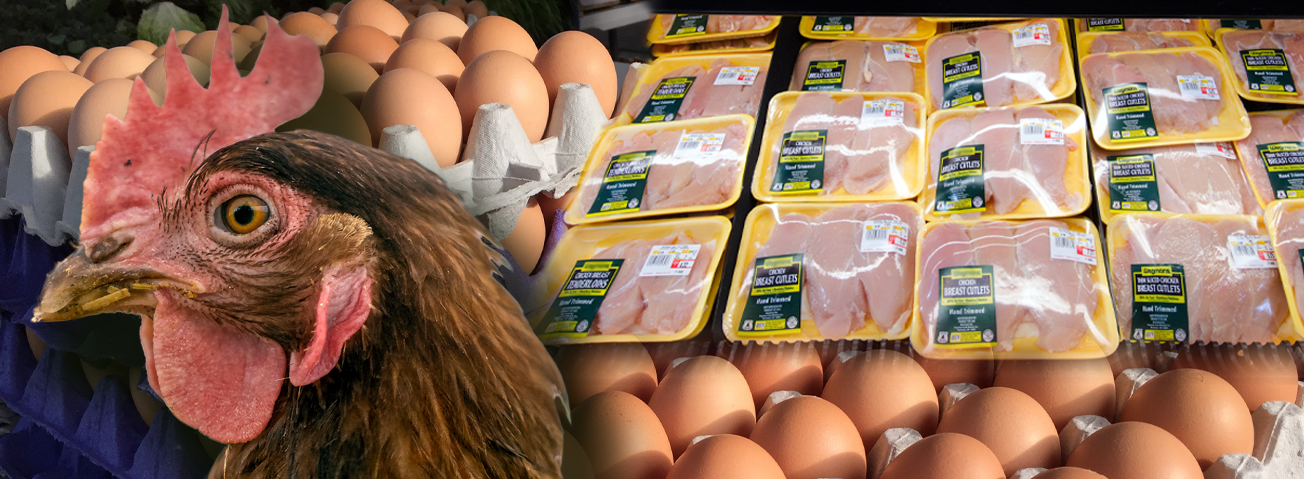
Jadrian Wooten explains the disparity in egg and chicken prices due to the bird flu's uneven impact and the elasticity of supply for each type of poultry.
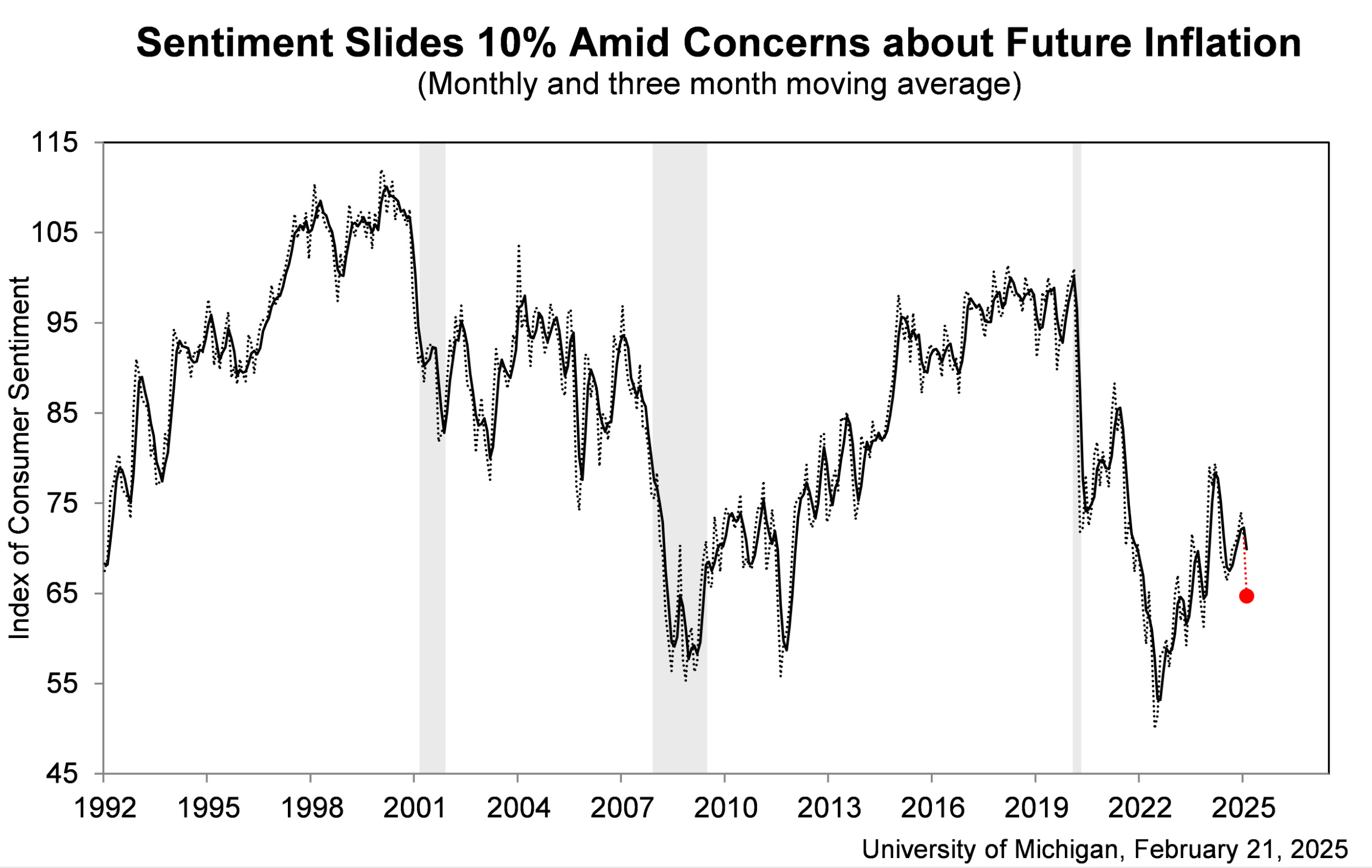
Paul Krugman discusses the failures of DOGE and the declining public confidence in Donald Trump’s economic policies, highlighting issues of accountability and transparency.

Robert Vienneau discusses a complex economic model involving double-fluke cases and triple-switching in relation to profit rates and production techniques.
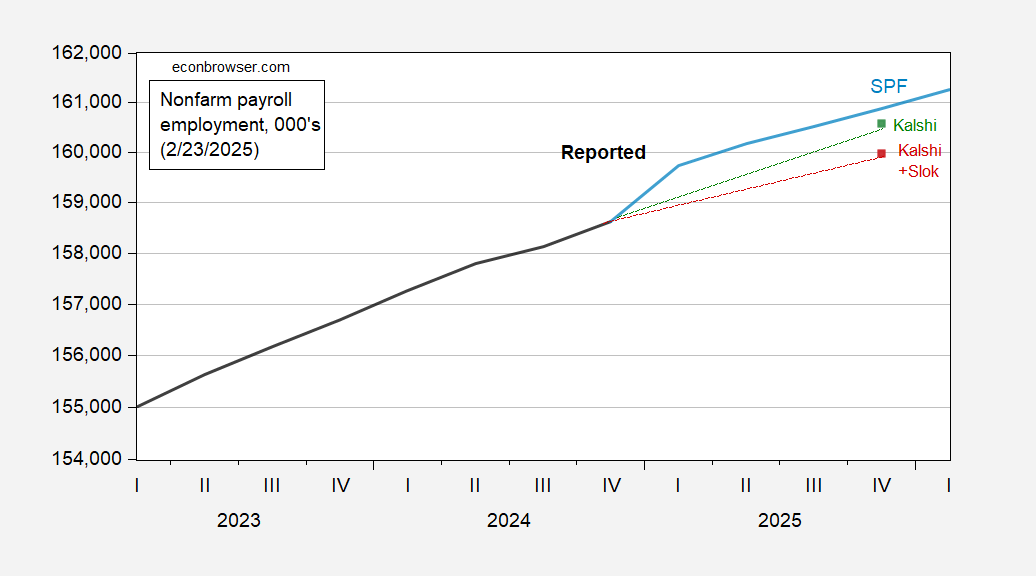
Menzie Chinn discusses the implications of federal workforce reductions and trade policy uncertainty on the macroeconomic outlook.
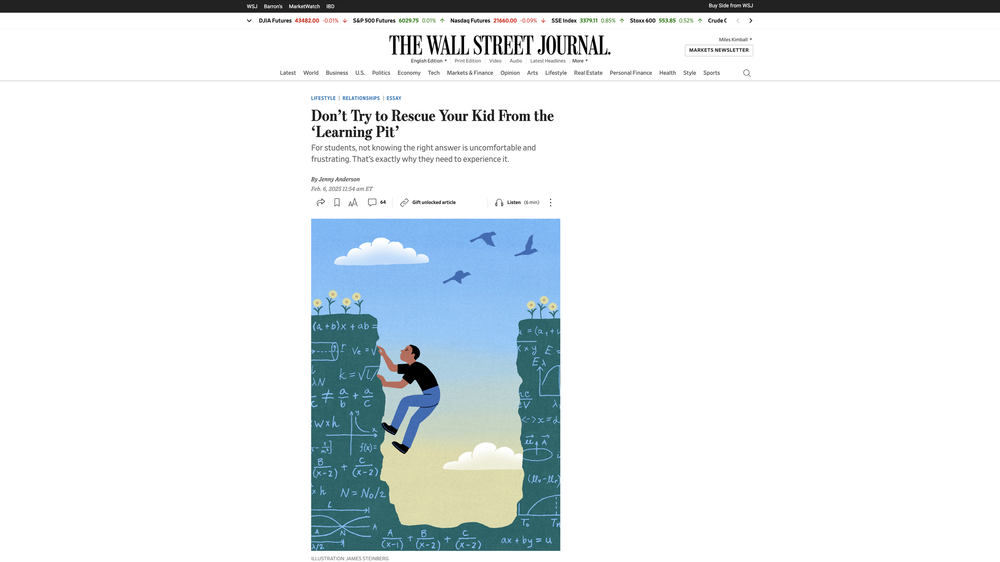
Miles Kimball discusses the importance of balancing excellence and righteousness, emphasizing the value of perseverance through the "learning pit" in education and personal growth.
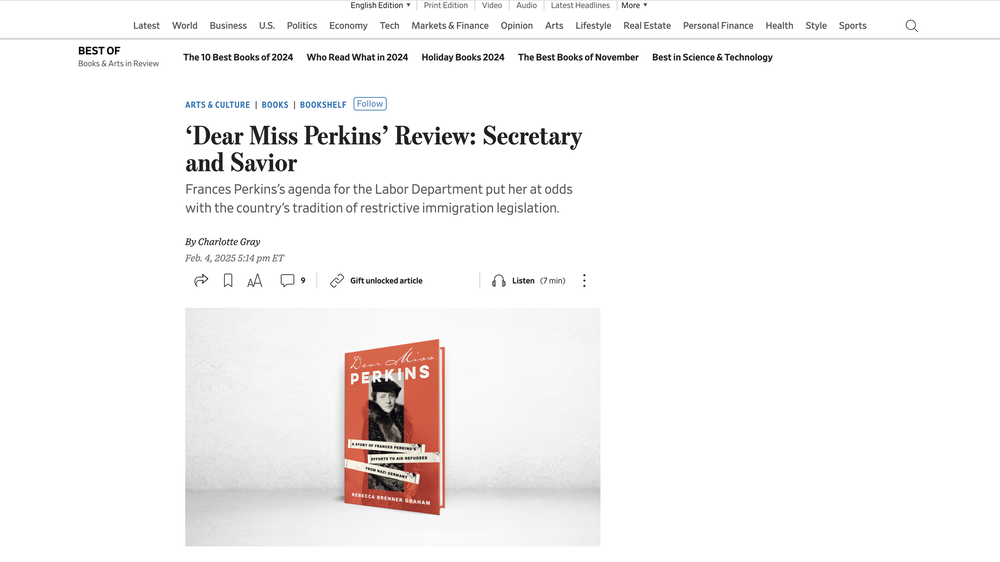
Miles Kimball discusses the impactful legacies of Frances Perkins and Loretta Ford, highlighting their contributions to policy change and the potential for future reforms.
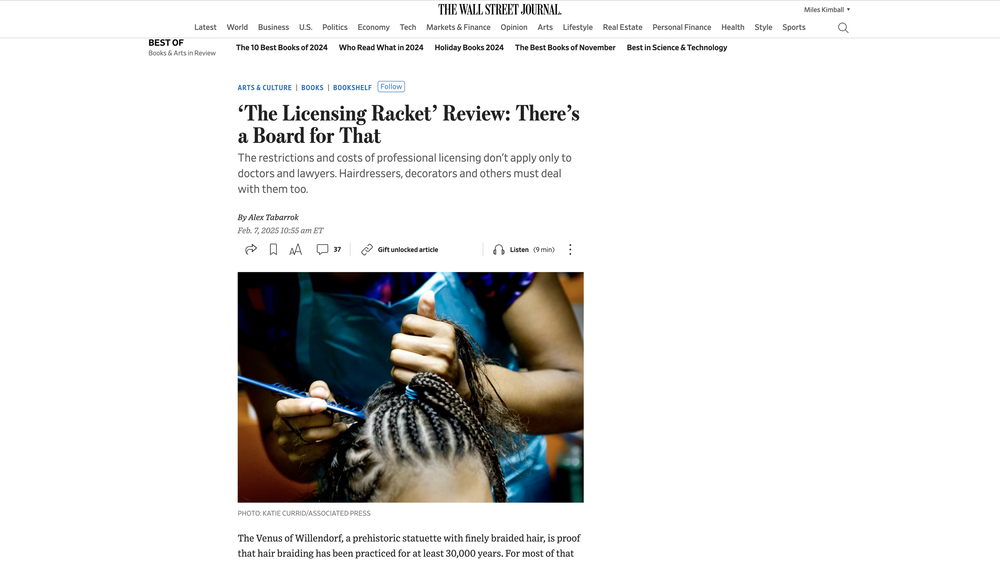
Miles Kimball discusses the roots of disparate outcomes among races and sexes, emphasizing systemic racism and its impact on policies and intergenerational transmission of disadvantages.
David Henderson discusses various readings on U.S. foreign policy, COVID-19 responses, and immigration welfare use in his weekly review.

Carl Quintanilla discusses the relationship between housing starts and recessions, highlighting economic indicators and forecasting models while expressing caution about predicting a recession.