5341. The Ukraine peace deal
Tyler Cowen discusses the complexities of the Ukraine peace deal, highlighting economic implications, political dynamics, and the potential for future aid and support.
your daily dose of economic commentary
Tyler Cowen discusses the complexities of the Ukraine peace deal, highlighting economic implications, political dynamics, and the potential for future aid and support.

Scott Cunningham reflects on personal growth, emotional entanglement, and the usefulness of psychological models in navigating life's complexities.
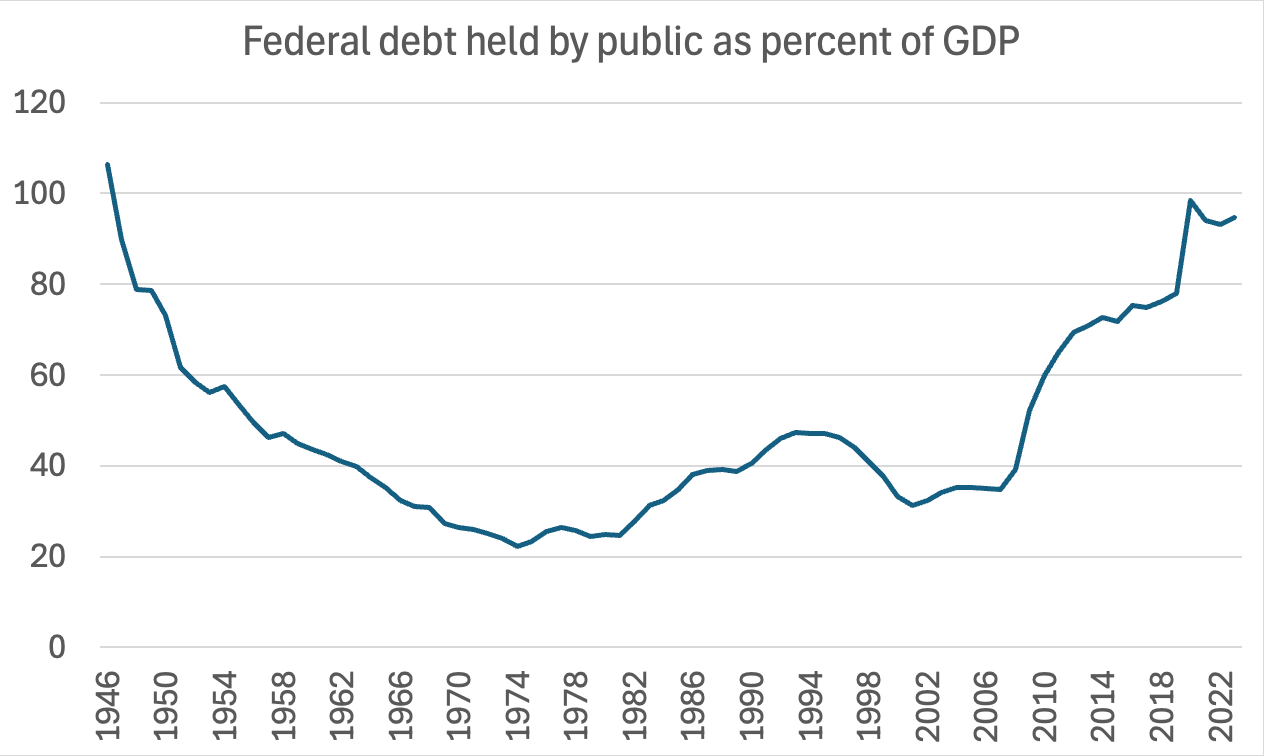
Paul Krugman discusses federal debt, its historical context, and the need for responsible political action to manage it effectively.

Noah Smith argues that dismissing Elon Musk's competence is misguided, emphasizing his exceptional organizational skills and accomplishments in technology and manufacturing.
Tyler Cowen argues that the slow adoption of AI is influenced by economic inefficiencies, regulatory bottlenecks, and human limitations in productivity.
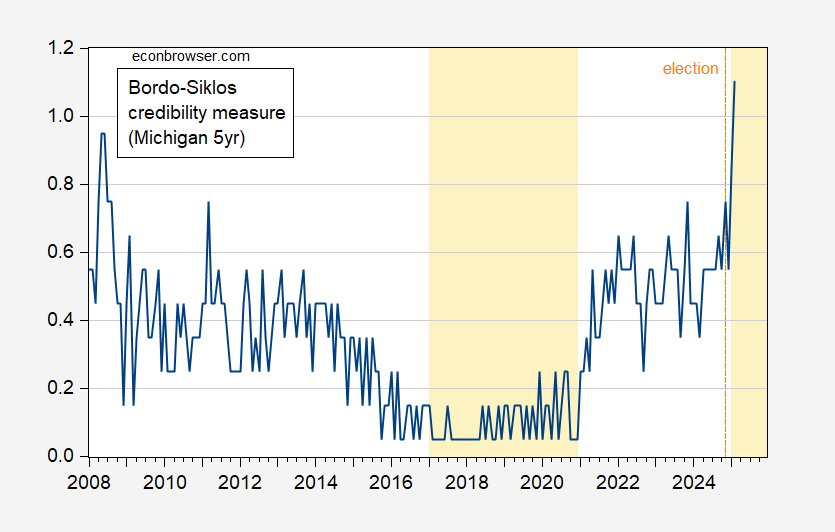
Menzie Chinn analyzes inflation expectations and credibility during Trump's administrations using survey data and economic measures.

Bill McBride discusses key economic reports and data releases scheduled for the week of February 23, 2025, including home sales and GDP estimates.
Alex Tabarrok argues that increasing FDA staff, rather than firing employees, is essential for faster drug approvals and better patient outcomes.
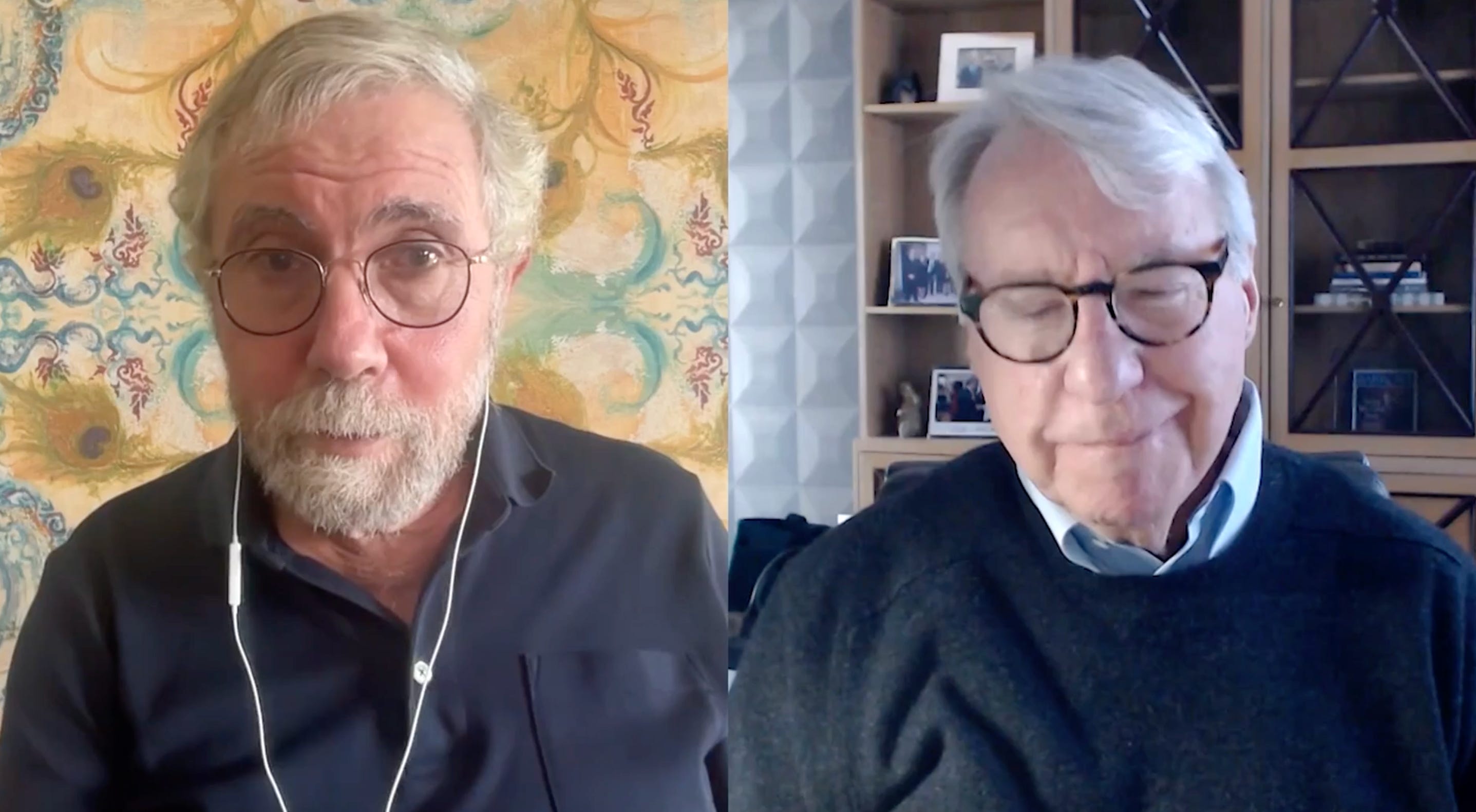
Paul Krugman discusses his conversation with Jim Chanos about market conditions and global trends, highlighting Chanos's insights and charm.
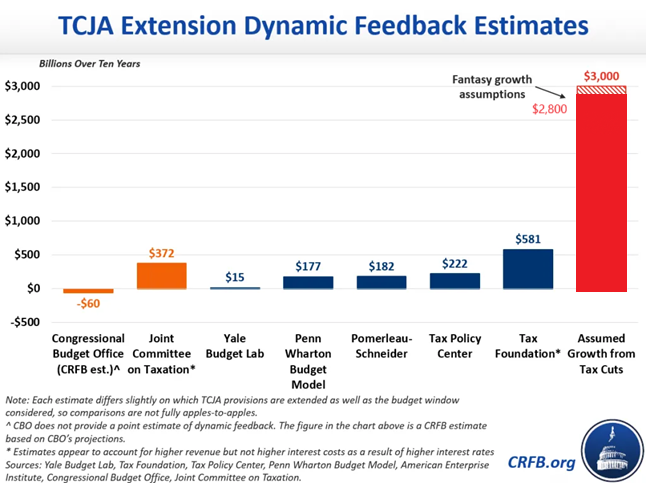
Menzie Chinn critiques the House Budget's unrealistic revenue plans and economic assumptions, highlighting potential impacts on GDP and national debt.
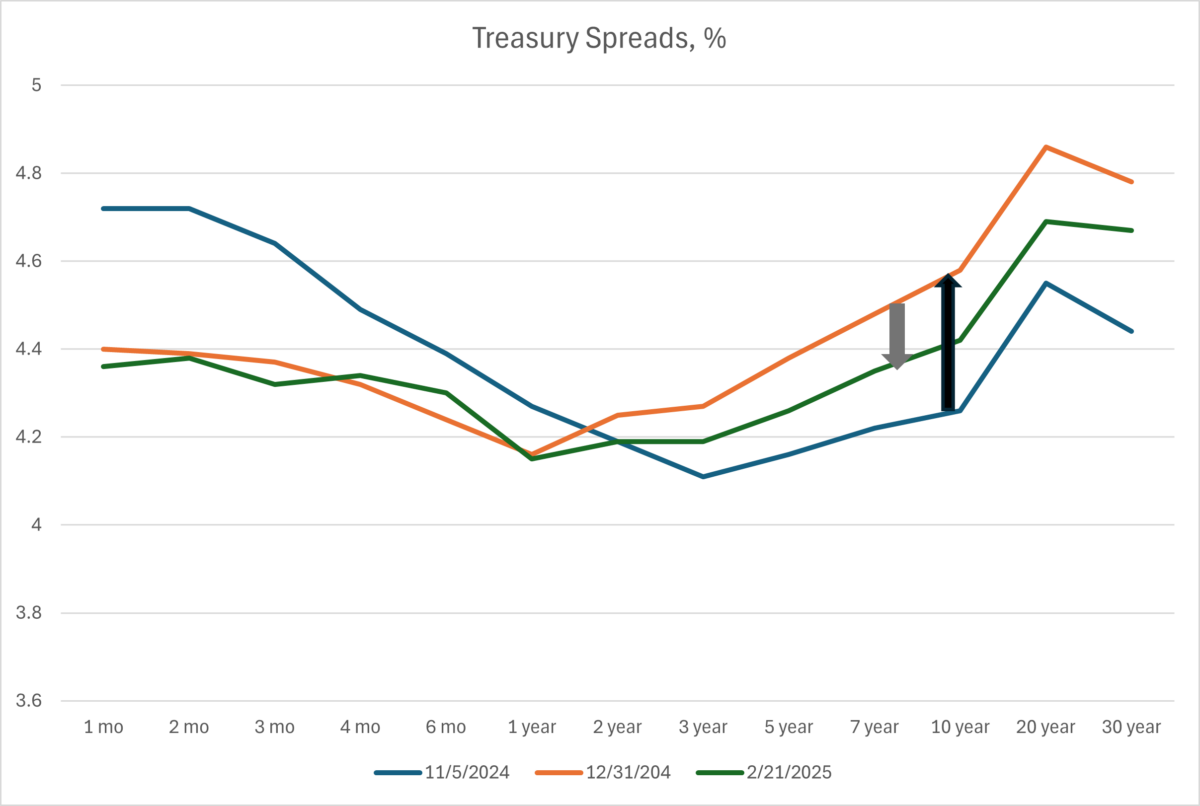
Menzie Chinn discusses recent trends in yield curves and term spreads, indicating concerns about economic growth over various time horizons.

Bill McBride discusses the decline of COVID in wastewater and its implications for hospitalizations and deaths, while noting changes in reporting requirements.
David Henderson discusses the low probability of the 2032 asteroid causing significant harm, emphasizing its likely impact on sparsely populated areas rather than global catastrophe.
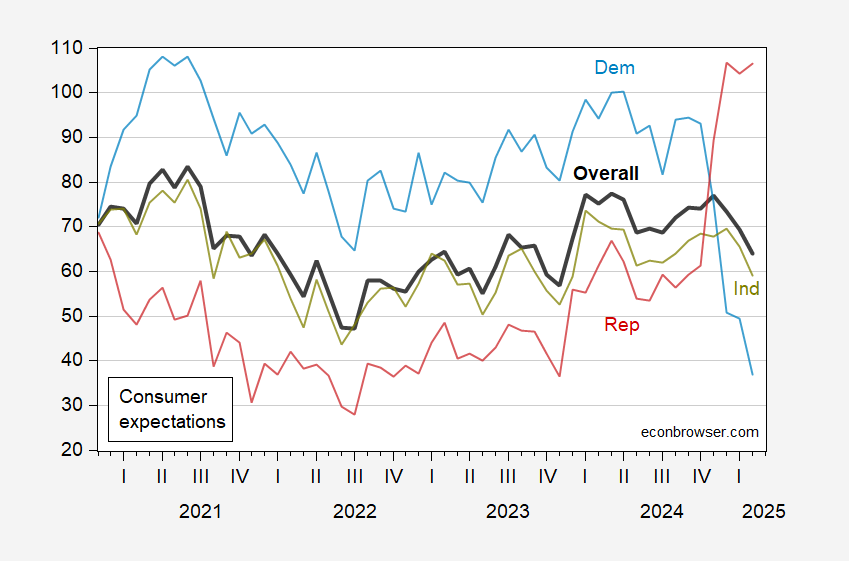
Menzie Chinn discusses consumer expectations and inflation trends, highlighting significant changes in sentiment and potential implications for economic stability.

Vance Ginn discusses the importance of limited government, economic freedom, and individual rights as essential for prosperity and liberty in society.
David A. Price interviews Alan Auerbach about the U.S. federal debt, Social Security, and the impact of inflation on fiscal policies and benefits.

Bill McBride discusses the decrease in existing-home sales in January, highlighting regional trends and year-over-year improvements in inventory and sales rates.
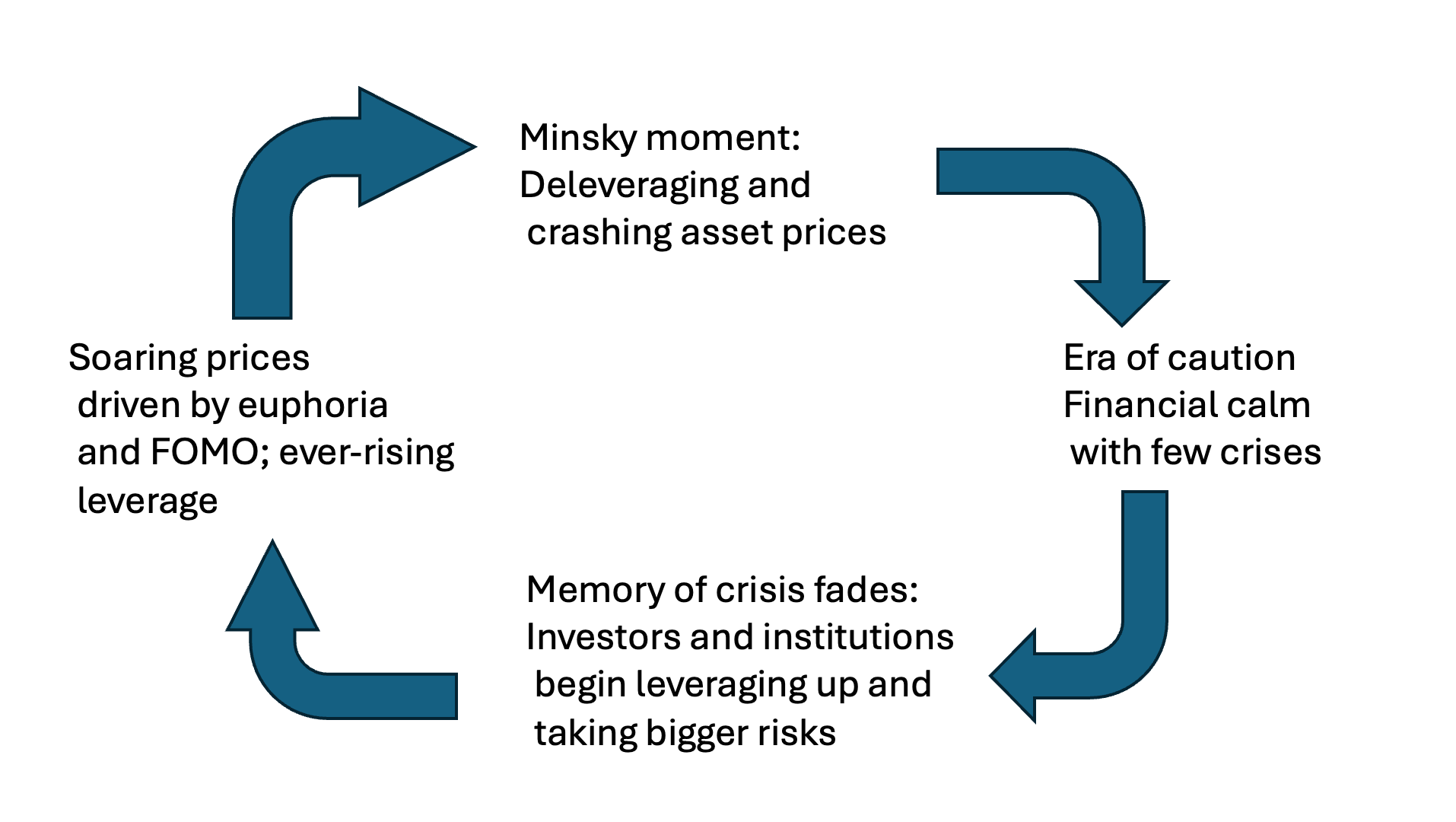
Paul Krugman discusses the detrimental effects of the Musk/Trump administration's policies on financial regulation and the potential for a future financial crisis.
Robert Vienneau critiques marginalist economics, particularly its treatment of capital and inconsistencies in equilibrium models, advocating for a modernized classical political economy instead.

Noah Smith discusses how America's leadership under Trump is compromising national security through withdrawal, disarmament, and deindustrialization, drawing parallels to historical concessions after major conflicts.