
5361. The King of New York
Scott Sumner discusses the political implications of Trump's actions regarding New York City's congestion pricing and critiques the performance art aspect of modern policymaking.
your daily dose of economic commentary
Scott Sumner discusses the political implications of Trump's actions regarding New York City's congestion pricing and critiques the performance art aspect of modern policymaking.
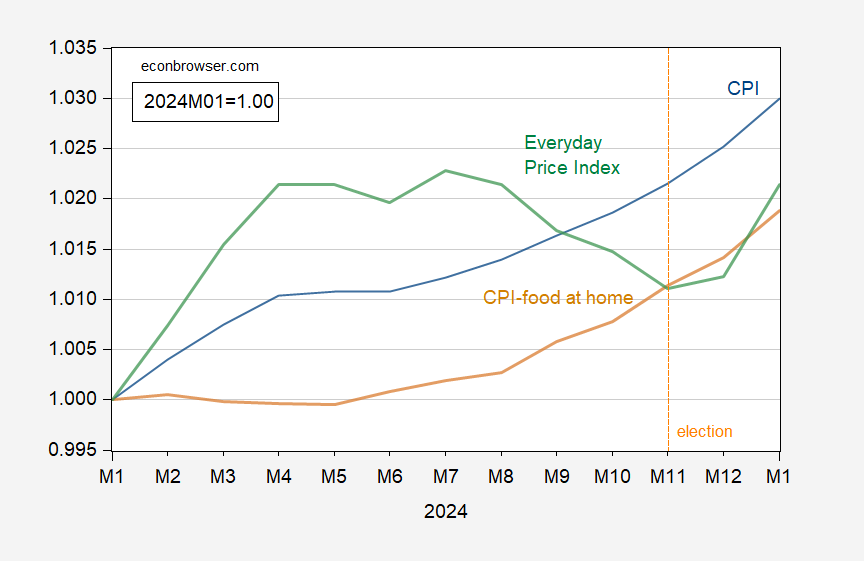
Menzie Chinn evaluates price trends and indices related to consumer goods during the early days of Trump's second term, highlighting public dissatisfaction with price reductions.
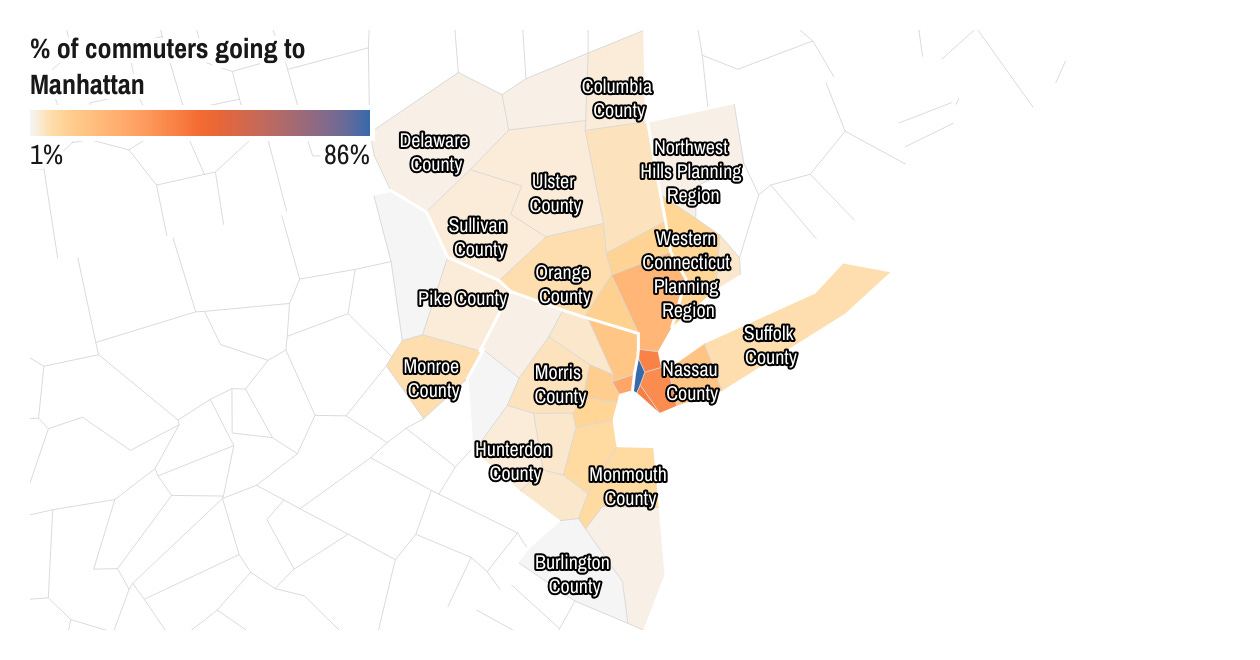
Nate Silver discusses the implications of New York City's congestion pricing, highlighting its benefits for commuters and the political backlash against it from figures like Trump.

Bill McBride discusses the significant increase in active home inventory reported by Realtor.com, highlighting trends in new listings and market conditions.
David Henderson discusses the importance of comparative advantage and the risks to free trade due to rising protectionist sentiments.
Conversable Economist discusses the evolving interpretation of NEPA and its implications for environmental permitting and infrastructure projects under recent presidential actions.

Bill McBride discusses record inbound traffic at LA ports in January, highlighting its implications for trade and economic trends.
Jon Murphy discusses how politics significantly influences international trade, affecting trade patterns and economic analysis despite the fundamental similarities with domestic trade.

Paul Krugman discusses the lies propagated by Elon Musk and Donald Trump, highlighting their incompetence and the consequences of their actions in government efficiency.

Scott Sumner discusses revealed preference as a method to analyze political behavior, particularly in relation to Donald Trump's foreign policy and his stance on Russia and Ukraine.

Bill McBride discusses the softening of architecture firm billings and its implications for commercial real estate investment in early 2025.

Timothy Taylor discusses the challenges Europe faces in achieving a true single market, highlighting internal trade barriers that hinder economic growth and integration.
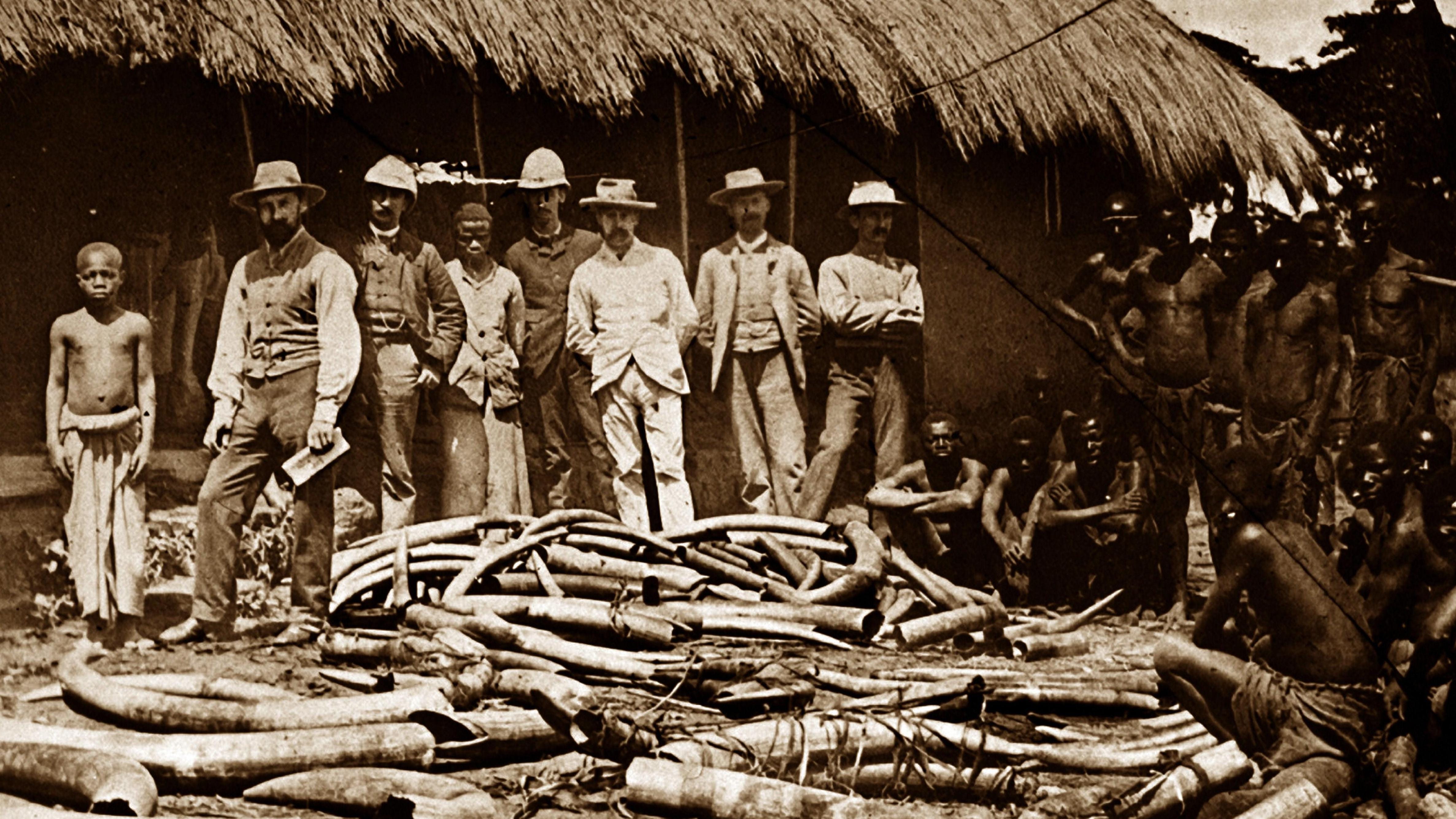
Paul Krugman critiques Donald Trump’s proposal for Ukraine, likening it to imperial exploitation and arguing it is both morally wrong and economically unfeasible.

Noah Smith argues that Japan, South Korea, and Poland urgently need nuclear weapons for their security against authoritarian powers like Russia and China.

Nate Silver discusses the decline of the NBA All-Star Game's competitiveness and suggests potential improvements to enhance the experience.

The author shares five stories highlighting economic principles and their applications, including YouTube viewing habits and rising private school costs.
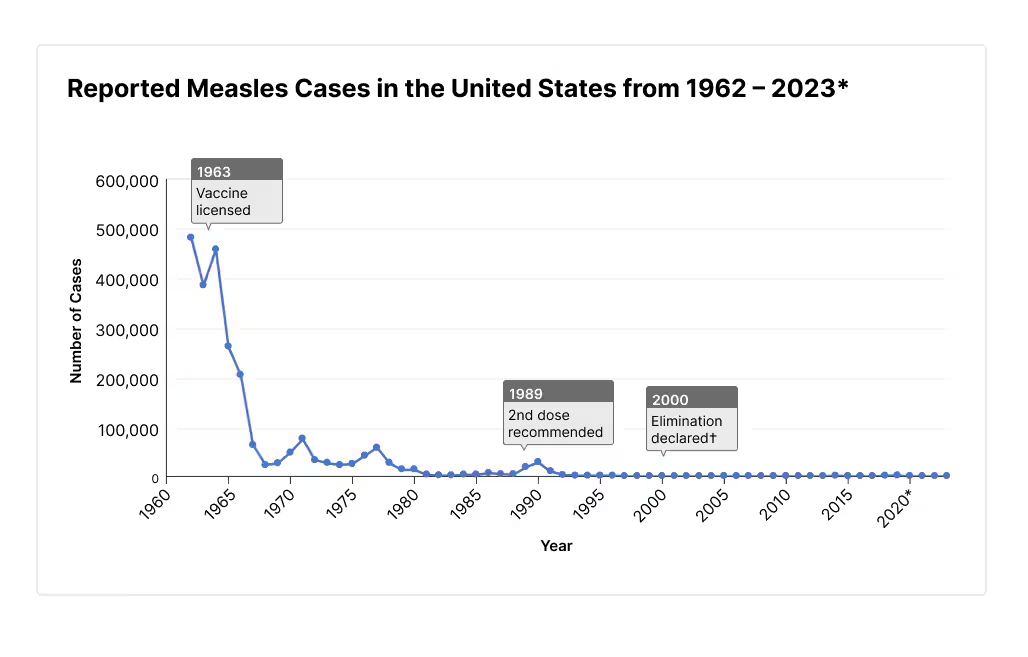
Paul Krugman discusses the resurgence of measles in the U.S. due to declining vaccination rates and the political factors influencing anti-vaccine sentiment.

Noah Smith discusses how Substack is disrupting legacy media by allowing writers more freedom and longer formats compared to traditional op-ed constraints.
The author discusses the definitions and implications of populism and fascism, analyzing Trump's political behavior and its impact on democracy.

Robert Vienneau discusses the concept of double-fluke switch points in economic theory, focusing on cost-minimizing techniques and their implications for profit rates.