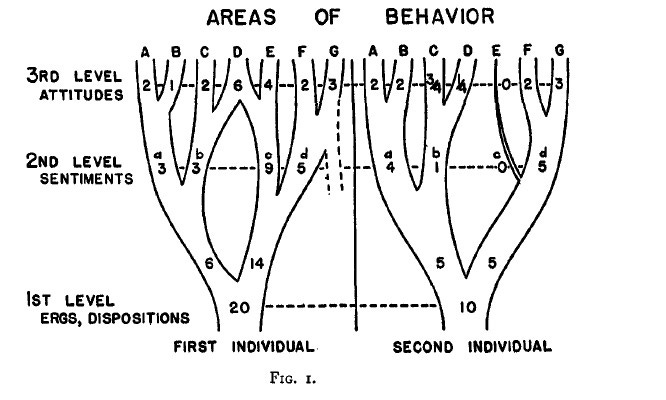
5501. The Structure of a Worldview
Regan explores the structure of worldviews, their formation, and their influence on beliefs and societal differences, drawing parallels with personality models.
your daily dose of economic commentary
Regan explores the structure of worldviews, their formation, and their influence on beliefs and societal differences, drawing parallels with personality models.
The author analyzes Trump's appeal to voters, focusing on economic concerns and the lack of information influencing electoral decisions, particularly among lower-income groups.

Claudia Sahm discusses the misconceptions surrounding inflation and unemployment, advocating for better tools to manage inflation beyond traditional monetary policy.

Regan reflects on the benefits of being in a long-term relationship, arguing that it fosters personal growth and understanding, contrary to the belief that being single is essential for self-discovery.

Regan discusses the societal shift towards marrying later and argues for the normalization of young marriage to address declining fertility rates.
The author critiques media portrayals of economic events, particularly the Budget's impact on financial markets and the misinterpretation of economic stability, emphasizing the disconnect between economics and politics.

Regan discusses the complexities of political disagreements, emphasizing the inadequacy of the left-right binary to capture diverse worldviews and moral values.

Jon Hartley interviews David Malpass about his career, the impact of COVID-19, inflation, China's role in finance, and climate policy in the early 2020s.
The author analyzes Rachel Reeves' budget plans, highlighting modest improvements in public investment and spending while addressing the implications of fiscal rules and taxation.

Claudia Sahm discusses the potential misleading nature of the upcoming jobs report, emphasizing temporary factors that could distort payroll estimates and their implications for the labor market.
The author discusses the implications of the upcoming budget on public spending and taxation in the UK, emphasizing the need for increased investment in public services.

Melanie Mitchell discusses the debate over whether large language models genuinely reason or rely on memorization and pattern-matching in their problem-solving abilities.

Jon Hartley interviews Richard Clarida about his career, monetary policy during the pandemic, inflation, and the Federal Reserve's policy framework.

Claudia Sahm discusses her recognition in the MarketWatch 50 and the significance of her Sahm rule in economic discussions about the Federal Reserve and recession indicators.
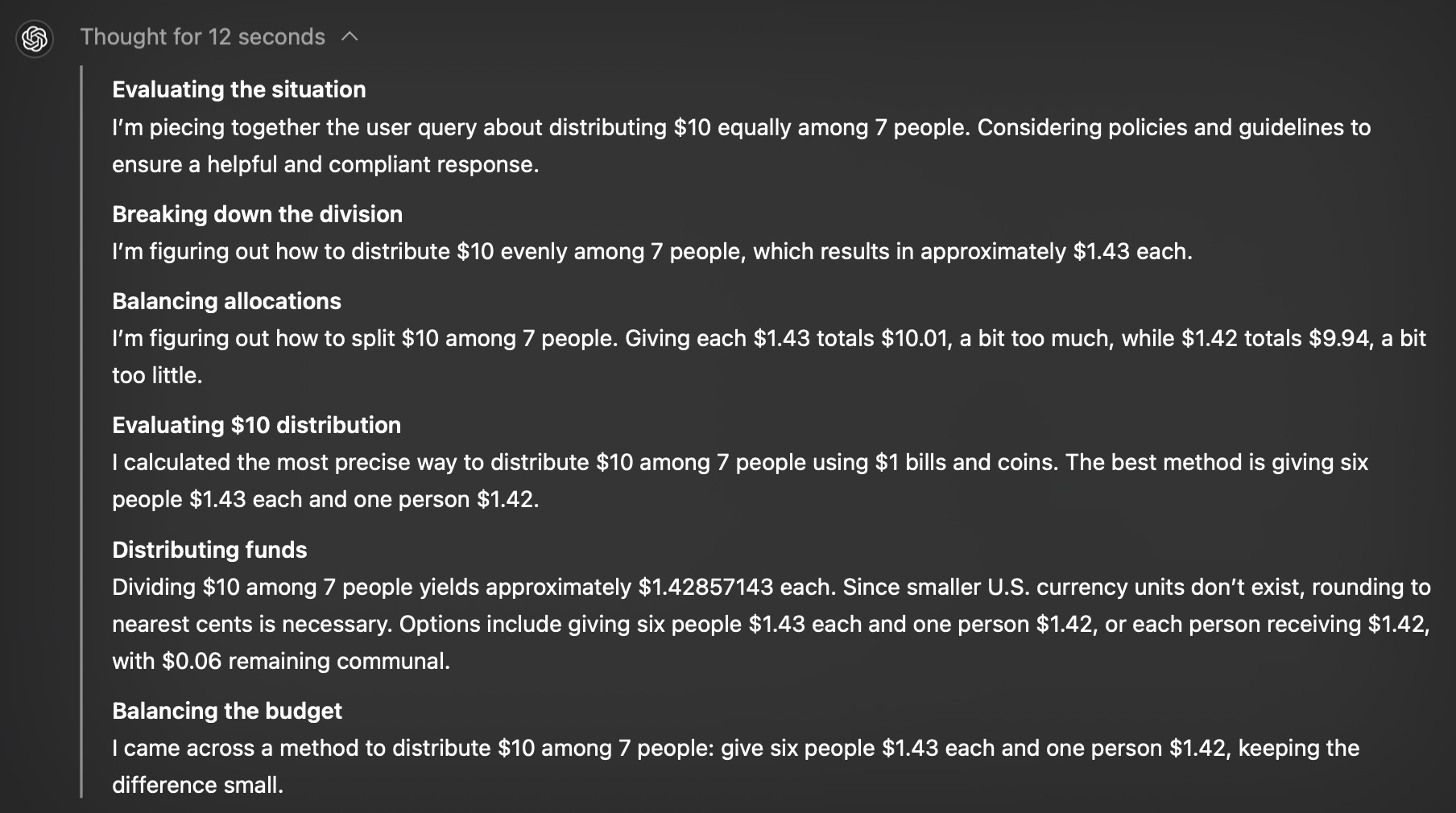
Joshua Gans discusses the challenges and uncertainties surrounding AI infrastructure investments and the current limited understanding of AI's potential applications.

Joshua Gans discusses Daron Acemoglu's concerns about AI's bias towards capital over labor and the need for economic forces to balance these interests.

Regan discusses the complexities of feminism, worldviews, and personality dimensions, emphasizing the diversity of feminist beliefs and the importance of understanding individual differences.
The author discusses the impact of Liz Truss's fiscal policies on the bond market and the misconceptions surrounding government borrowing, emphasizing economic realities over political fears.

Joshua Gans discusses the advancements of AI in podcasting, highlighting its capabilities and biases while comparing AI-generated content to traditional podcasts.

Claudia Sahm discusses the decline in hiring rates, its economic implications, and personal challenges she is facing with her health.