5521. Why are the Conservatives ignoring the median voter?
The author discusses the Conservative party's denial of electoral loss and its implications for leadership and ideology, emphasizing the disconnect with the median voter.
your daily dose of economic commentary
The author discusses the Conservative party's denial of electoral loss and its implications for leadership and ideology, emphasizing the disconnect with the median voter.

Regan explores the complexities of love and value in relationships, emphasizing the desire for partners to appreciate deeper traits beyond superficial qualities.

Jon Hartley discusses Ed Glaeser's insights on urban economics, zoning, land use regulation, and the impact of human capital on economic growth.
In her analysis, Rachel Reeves outlines the strengths and weaknesses of the UK's fiscal rules, advocating for better long-term policies over those of her predecessors.
The author discusses how improving health can enhance economic outcomes, emphasizing the connection between health policy and economic productivity in the UK post-Covid.

Ed Dolan discusses the rise of populism, its implications for leadership and governance, and the importance of rule-following for effective state capacity.

Regan explores the definition of feminism, its focus on women's issues, and the debate over whether to retain the term or adopt a more neutral label.

Claudia Sahm discusses the implications of the Federal Reserve's potential interest rate cuts and their impact on inflation and employment.

Joshua Gans discusses the limitations of AI, particularly its biases and reasoning capabilities, highlighting the desire for more dispassionate and insightful AI interactions.

Regan reflects on a conversation with a men's rights activist, discussing the complexities of gender equality and the implications of patriarchal values in society.

Jon Hartley discusses Steve Davis's research on job flows, economic policy uncertainty, and the impact of remote work on the economy.

Claudia Sahm discusses the current state of the U.S. labor market, its implications for Federal Reserve policy, and the challenges of interpreting economic data.

Jon Hartley discusses Bob Litterman's insights on quantitative investing, liquidity crises, and climate policy, highlighting his career and advocacy for carbon taxes.
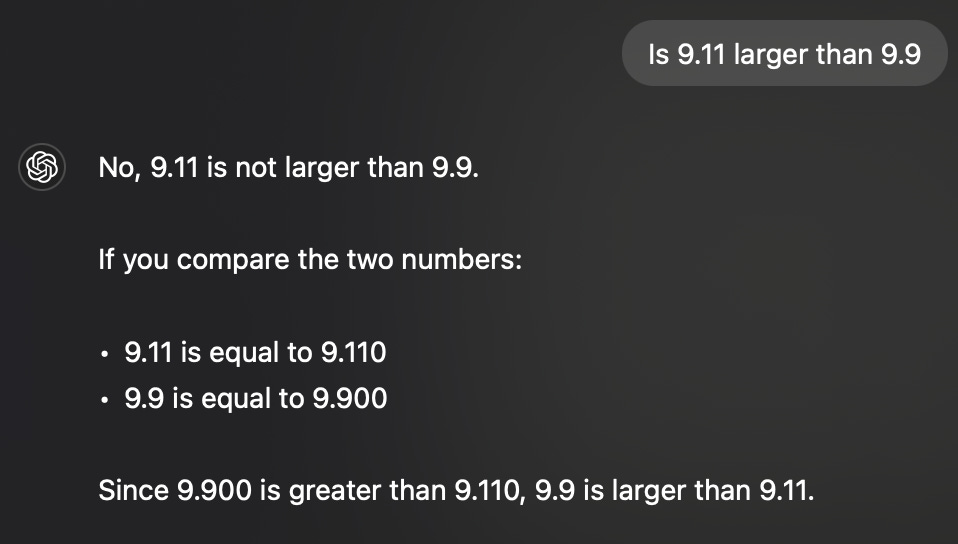
Joshua Gans discusses the challenges of generalizing LLM performance and the implications for AI adoption based on a recent paper's findings.

Jon Hartley discusses Greg Mankiw's insights on New Keynesian economics, growth, and his experiences in economic policy during the podcast episode.

Claudia Sahm discusses the upcoming Jackson Hole Economic Symposium and the implications of Fed Chair Jay Powell's monetary policy remarks on interest rates and economic uncertainty.
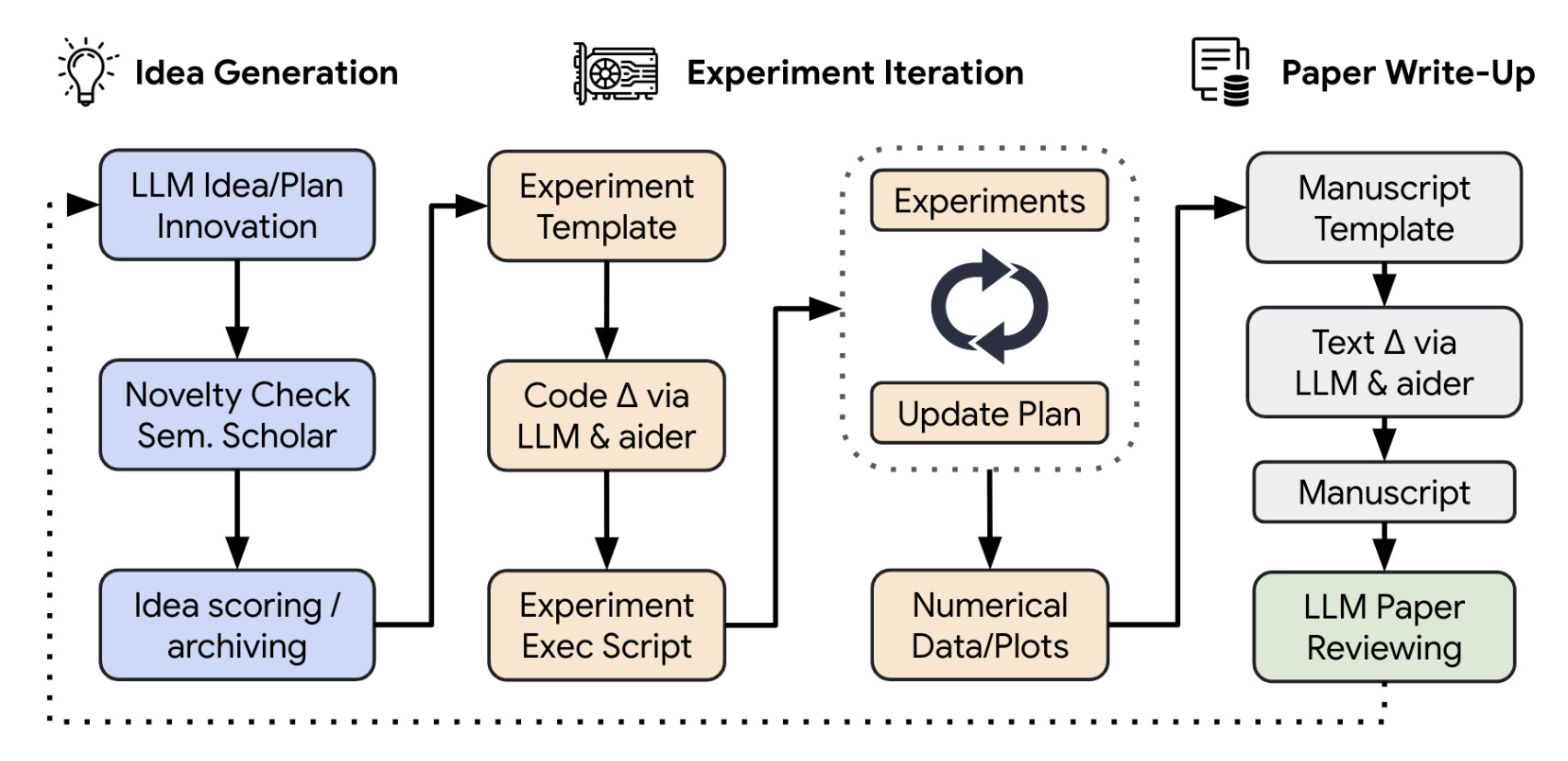
Joshua Gans discusses the implications of AI in scientific research, particularly how it may disrupt traditional academic practices and the role of human scientists.

Nick HK discusses how large language models function as data-based predictive models and the statistical nature of their errors, emphasizing their limitations in providing accurate information.

Regan discusses the factors influencing fertility rates, particularly the role of social norms and childlessness in the developed world.

An argument that climate change will increase inflation volatility, challenging central banks' ability to stabilize prices, necessitating changes in their inflation targeting strategies.