1281. The Lowdown on Debasement
Paul Krugman discusses the implications of rising gold prices and the concept of "debasement" in relation to U.S. economic and political conditions under Trump.
your daily dose of economic commentary
Paul Krugman discusses the implications of rising gold prices and the concept of "debasement" in relation to U.S. economic and political conditions under Trump.
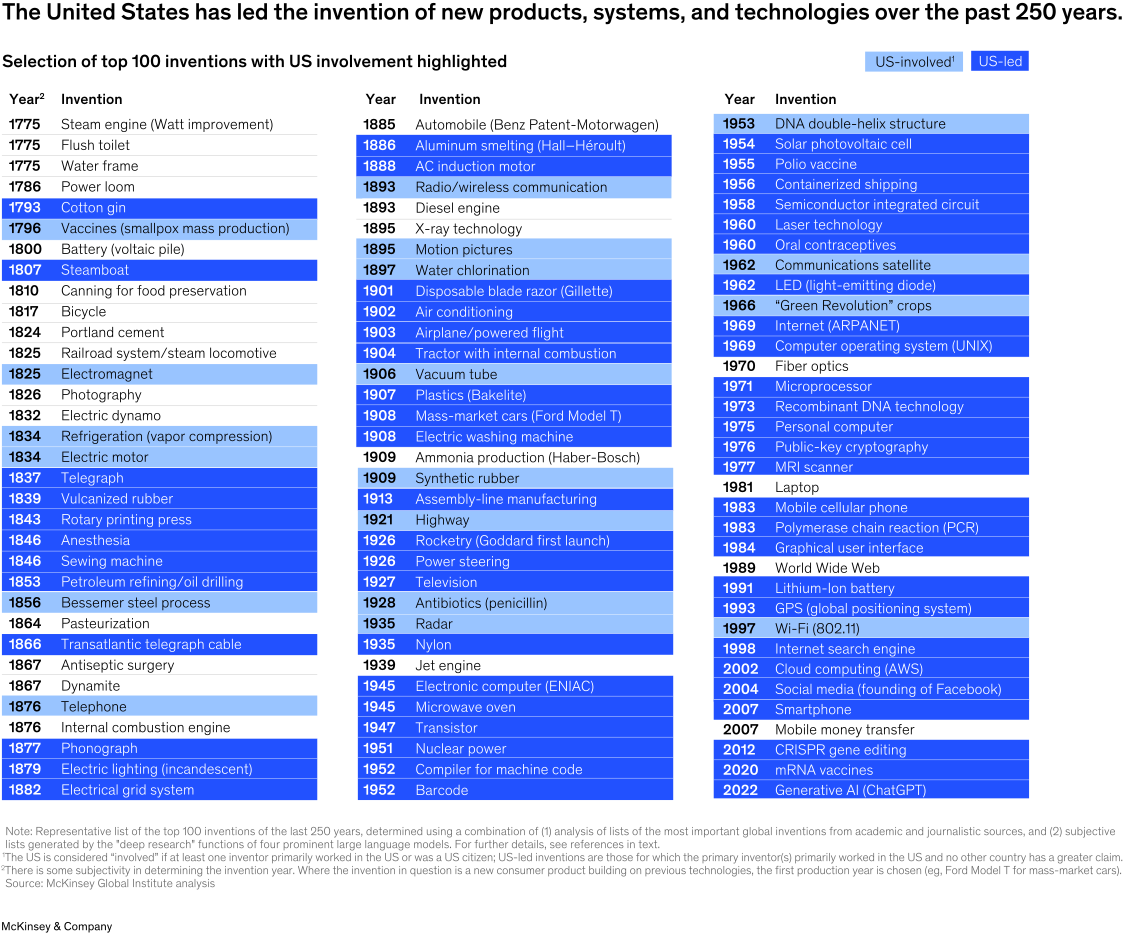
Sam Enright shares a roundup of links covering topics from innovation policy to cultural insights and academic resources, reflecting his interests and work.
David Folkenflik reports on the arrest of Don Lemon and a Minnesota journalist during a church protest, highlighting the implications of their detainment.
Scott Horsley discusses Trump's nomination of Kevin Warsh as the next Federal Reserve chair and the president's push for lower interest rates.
An argument that the French prioritize leisure over work, reflecting cultural values and economic conditions, rather than laziness, with implications for productivity and social norms.
An argument that Kari Lake's comments on Voice of America may blur the line between journalism and propaganda in support of Trump.
Bobby Allyn discusses the impact of ongoing lawsuits on prediction markets and their growth during Trump's second term.
An argument that a weaker dollar can benefit some economic sectors while negatively impacting others, reflecting on the president's recent comments about its value.
An argument that the AI industry may thrive while OpenAI could fail, highlighting the risks for investors and potential impacts on the broader market landscape.
Nate Silver discusses the early dynamics of the 2028 Democratic primary, analyzing potential candidates and party factions in a competitive political landscape.
A plan aims to reduce overpayments to Medicare Advantage insurers, raising questions about its implementation and potential impact on costs.
The post discusses a significant EU-India trade agreement, highlighting a shift in global economic relations away from the United States and critiquing Trump's trade policies.
An argument that subsidies for higher education primarily benefit universities and their employees when the supply of education is perfectly inelastic, leading to higher tuition without increased enrollment.
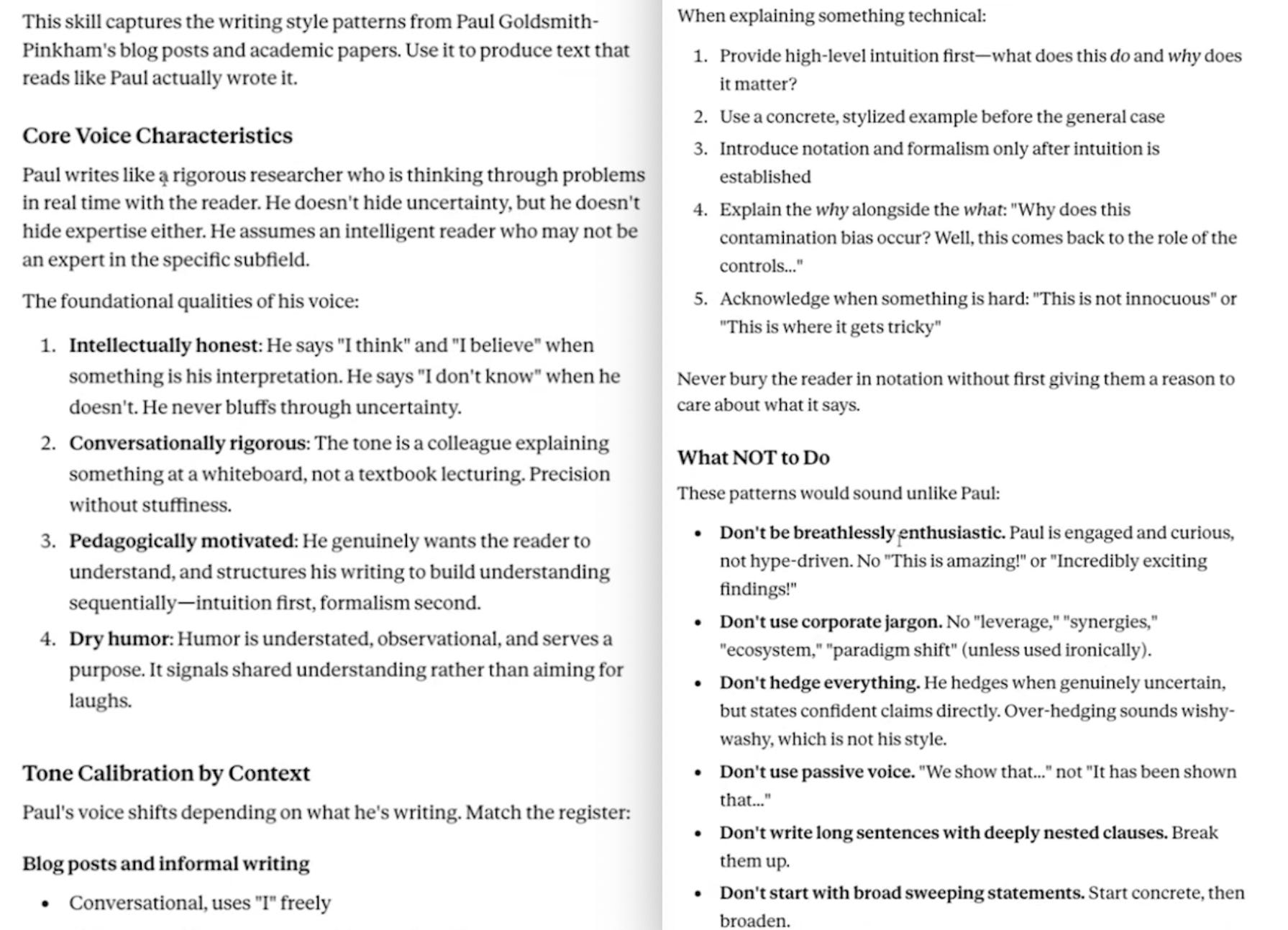
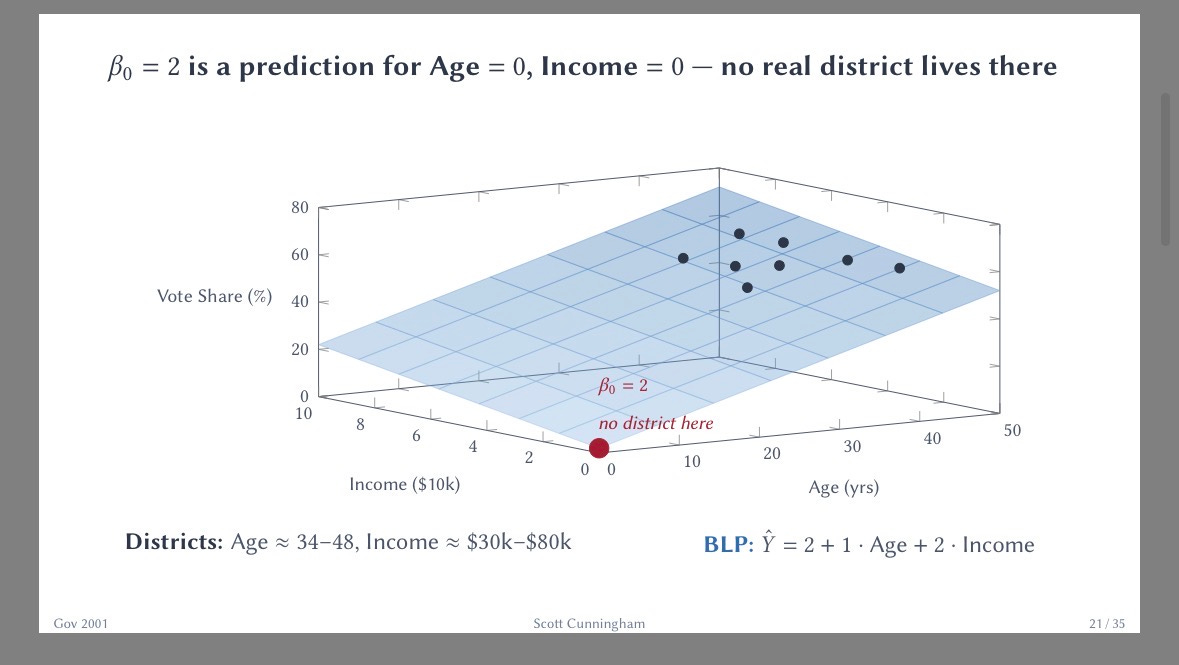
The post discusses using Claude Code to create effective lecture slides for a data science class, emphasizing the importance of dictation and iterative design in the process.
Noah Smith discusses recent political purges in China, analyzing Xi Jinping's leadership style and the implications for China's future stability and international relations.
Robert Vienneau contrasts classical political economy and marginalist theories, arguing that modern economists validate classical economists while marginalists' approaches are ultimately incoherent.
Andrea Hsu discusses the Labor Department's proposal to eliminate wage protections for home care workers, which the administration argues increases costs.
Menzie Chinn discusses how Trump's policies are undermining the dollar's dominance and its global credibility, likening the situation to termites damaging a foundation.
Timothy Taylor discusses the liminal status of immigrants in the US due to executive immigration policies and the lack of congressional action since the 1990s.
Camila Domonoske discusses Tesla's significant profit decline and its loss of leadership in the electric vehicle market.