1301. Fed holds interest rates steady, taking a pause from rate cuts to assess the economy
Scott Horsley discusses the Federal Reserve's decision to maintain interest rates as it evaluates the economy amidst ongoing inflation concerns.
your daily dose of economic commentary
Scott Horsley discusses the Federal Reserve's decision to maintain interest rates as it evaluates the economy amidst ongoing inflation concerns.
Scott Cunningham discusses various topics including film trailers, sex work legalization in Rhode Island, population migration trends, and the implications of AI on mental health.
The discussion centers on civil resistance against authoritarianism, particularly in the context of Trump’s regime, highlighting Minnesota's role in inspiring effective opposition.
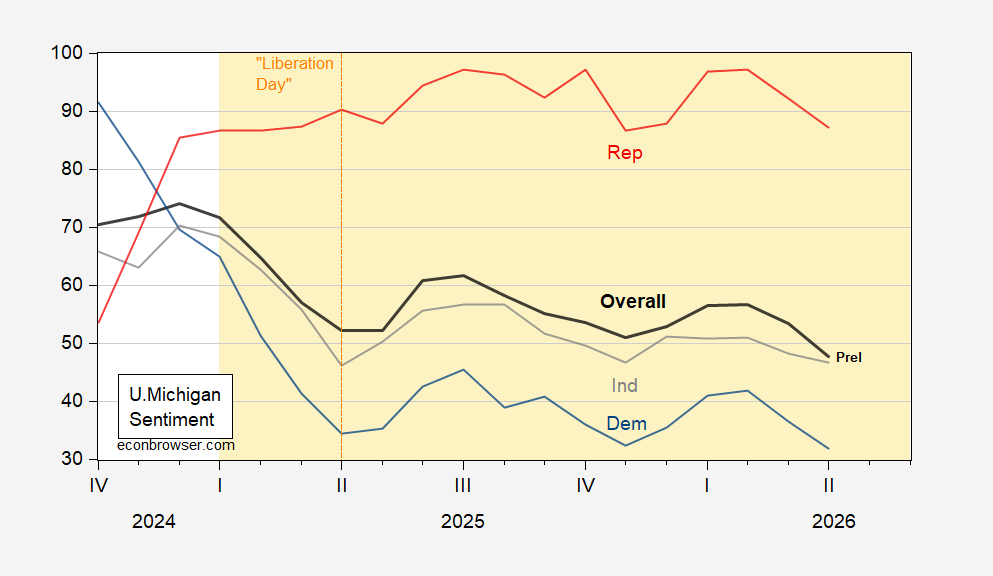
An argument that consumer confidence has significantly declined, with differing perceptions among political affiliations, particularly between Republicans and Democrats.
Tyler Cowen shares his impressions of Wellington, New Zealand, highlighting its beauty, quality of life, and personal experiences as an outsider.
The Associated Press reports that Mexican President Claudia Sheinbaum announced a pause in oil shipments to Cuba, citing it as a sovereign decision amid supply fluctuations.
The post discusses the declining value of the US dollar, attributing it to political uncertainty rather than inflation concerns, while highlighting consumer confidence issues.
The post examines the decline in the Washington Post's influence and readership compared to competitors, particularly the New York Times, highlighting recent layoffs and changes in political coverage.
The post discusses China's Belt and Road Initiative, focusing on its economic implications, lending patterns, and the political consequences of debt repayment issues in developing countries.
An argument that Sepp Blatter supports a boycott of the World Cup in the U.S. due to concerns over President Trump's actions and policies.
The post highlights various stories that illustrate economic principles and their implications, including demand, tariffs, and credit access issues.
A significant decline in net immigration is causing a notable decrease in the growth rate of the U.S. population.
The discussion centers on Tucker Carlson's rise as a significant figure in far-right media and his influence on political discourse, particularly regarding Trump.
An argument that Trump's threats against Canada stem from ego and a desire for national power rather than genuine concern for trade or Canadian welfare.
An argument that capitalism fosters cooperation through voluntary transactions, contrasting it with collectivism's perceived warmth while highlighting the collaborative nature of market interactions.
An argument that the U.S. should reduce tariffs on Chinese electric vehicles to boost its own market and competitiveness in the EV sector, despite geopolitical concerns.
The Associated Press discusses India and the EU's historic free trade agreement amidst rising U.S. import tariffs, prompting major economies to explore new partnerships.
The post discusses CBS News Editor-in-Chief Bari Weiss's plans to cut staff while hiring new commentators amid internal dissent and external criticism.
An argument that culture is shaped by collective choices rather than individual rights, advocating for capitalist competition over government intervention in cultural matters.
Stephen Fowler discusses President Trump's rally in Iowa, emphasizing its focus on economic issues and the potential impact on congressional control.