
1421. PRISM 2026 NBA draft rankings
The post discusses the importance of NBA draft rankings, the challenges teams face in evaluating prospects, and introduces a new model for assessing player potential.
your daily dose of economic commentary
The post discusses the importance of NBA draft rankings, the challenges teams face in evaluating prospects, and introduces a new model for assessing player potential.
The post explains a machine learning model that evaluates NBA draft prospects through pairwise comparisons rather than traditional performance metrics, emphasizing role prediction and versatility.

Scott Cunningham discusses various topics including sports, chatbot psychosis, healthcare, social connections, technology updates, and the power dynamics in dating apps.

Paul Krugman discusses energy policy and the current global energy crisis with David Roberts, focusing on the implications of political turmoil and climate issues.

The post discusses demand curves for labor and capital in a fixed capital scenario, analyzing the relationship between wages, employment, and production techniques.

Noah Smith discusses the potential for plentiful, high-paying jobs despite AI advancements, emphasizing the need for constraints on AI's resource consumption to protect human employment.

Bill Chappell discusses strategies for passengers to rebook flights missed due to long TSA lines and the airlines' obligations in such situations.

An argument that recent trends indicate a slowdown in U.S. health care spending growth, influenced by technology, demand changes, and other factors, but future challenges remain.
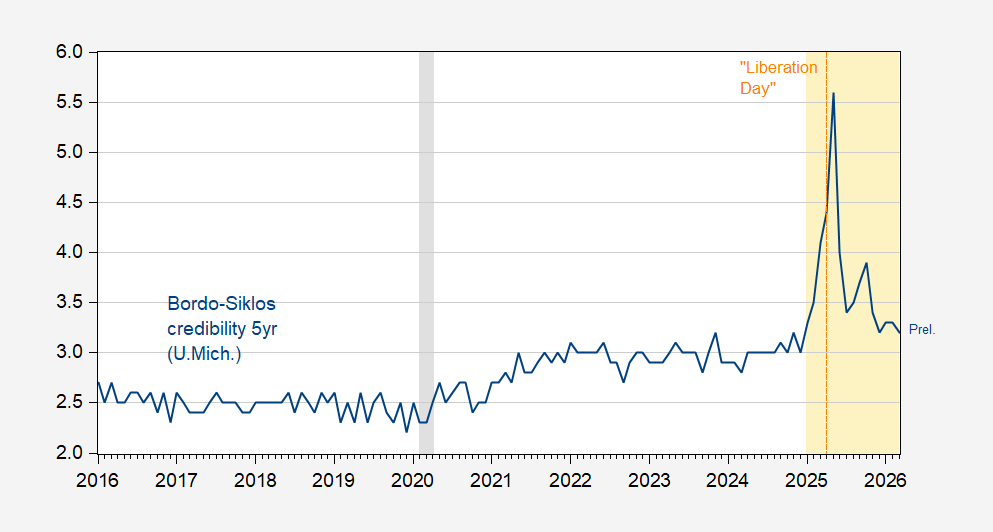
The discussion highlights central banks' challenges amid geopolitical tensions, focusing on energy dependency in Europe and the credibility of monetary policies in navigating crises.
The post critiques the U.S. military's unpreparedness in modern warfare, linking it to a broader trend of incompetence and anti-intellectualism in leadership.
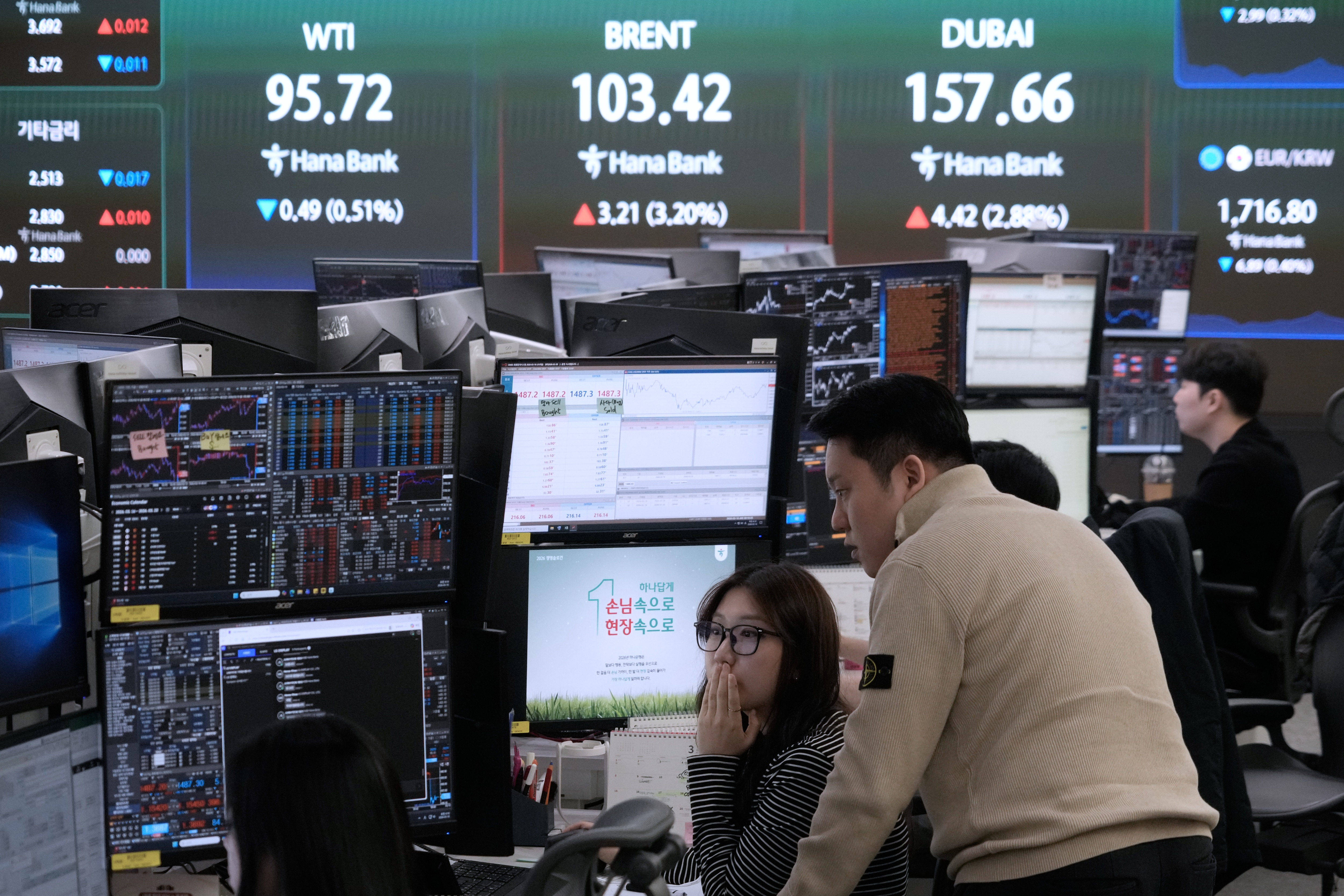
Uncertainty about the duration of the war is causing fluctuations in oil prices, reflecting conflicting market expectations.
Alex Tabarrok argues that Social Security should function as a forced savings program rather than a welfare program to maintain incentives and benefits linked to contributions.
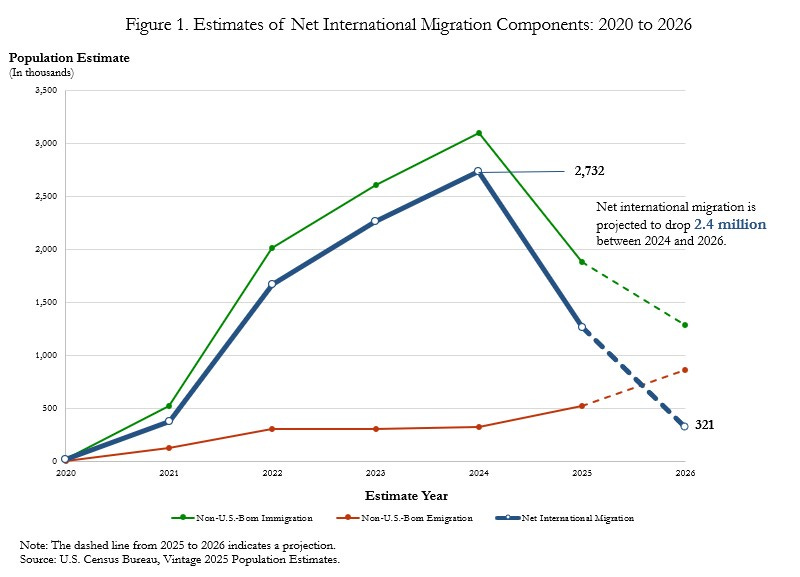
An argument that recent immigration policies are reducing inflows, harming the economy, and facing public backlash despite the administration's claims of success.

An argument that explores the historical reception and enduring significance of a classic work, emphasizing its clarity and the challenges it presents to readers.
Tyler Cowen discusses Paul Gillingham's insights on Mexican history, covering topics like autonomy, land reform, and the country's unique political stability over five centuries.
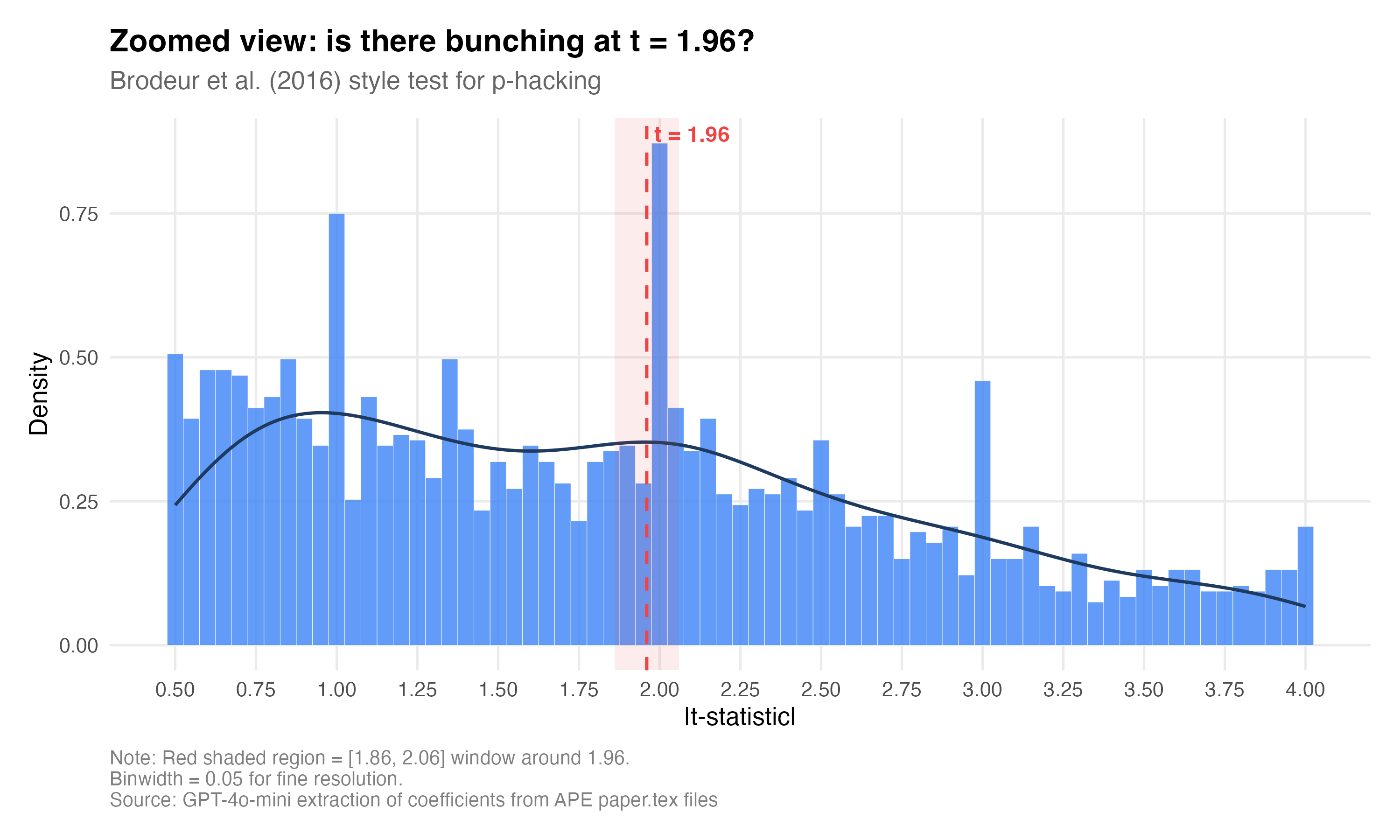
Scott Cunningham explores AI-generated manuscripts on program evaluation, analyzing their methodologies and the implications of AI in research communication.

John Ruwitch discusses a judge's temporary halt on the Trump administration's classification of Anthropic as a "supply chain risk," citing First Amendment concerns.
The discussion centers on the evolving standards and interdisciplinary nature of modern economics, emphasizing the importance of math and empirical research over traditional economic theory.
Timothy Taylor discusses John Maynard Keynes' nominations for the Nobel Peace Prize and the controversies surrounding them, highlighting the economic implications of his work.
Scott Cunningham discusses the breakdown of parallel trends in difference-in-differences analysis using group compositions as an example.