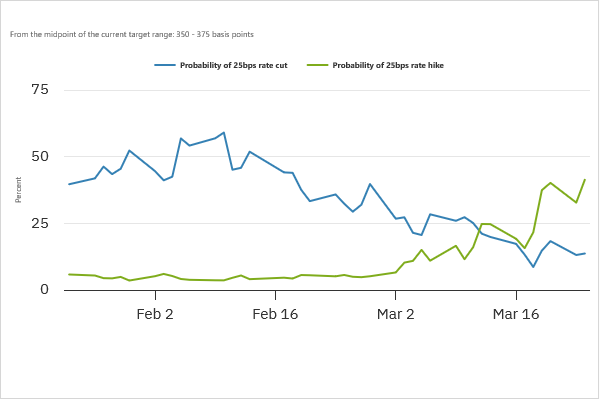
1441. The Administration Campaign to Push Down the Fed Funds Rate: “Computer Says ‘No'”
Menzie Chinn discusses the administration's efforts to influence the Federal Reserve's interest rate decisions and the challenges faced in this endeavor.
your daily dose of economic commentary
Menzie Chinn discusses the administration's efforts to influence the Federal Reserve's interest rate decisions and the challenges faced in this endeavor.
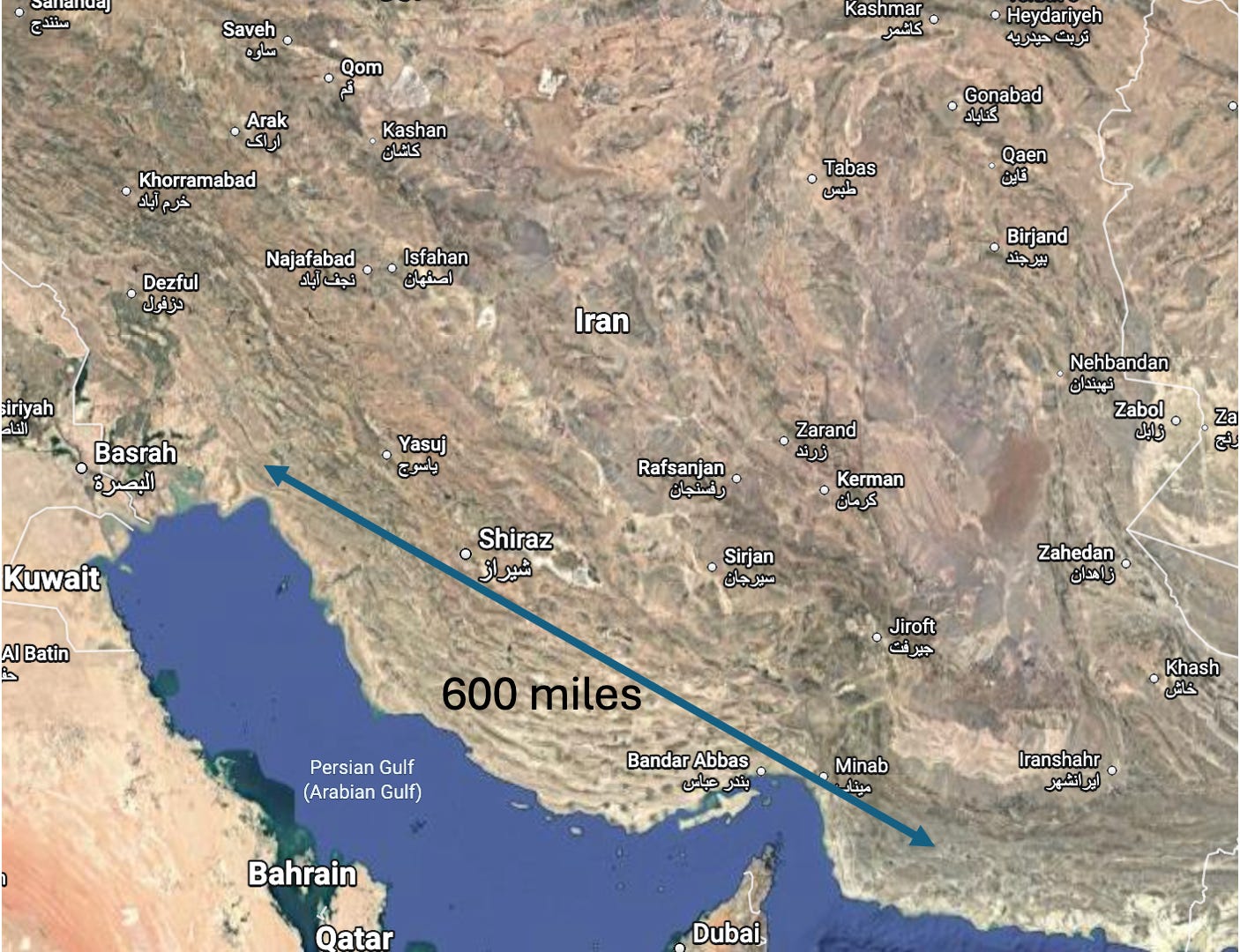
Paul Krugman discusses the challenges of U.S. military involvement in the Iran conflict and the impact on oil prices amid political turmoil.

Noah Smith critiques the alarming sales pitch of AI labs regarding the potential extinction risks posed by their technologies and questions their motivations.
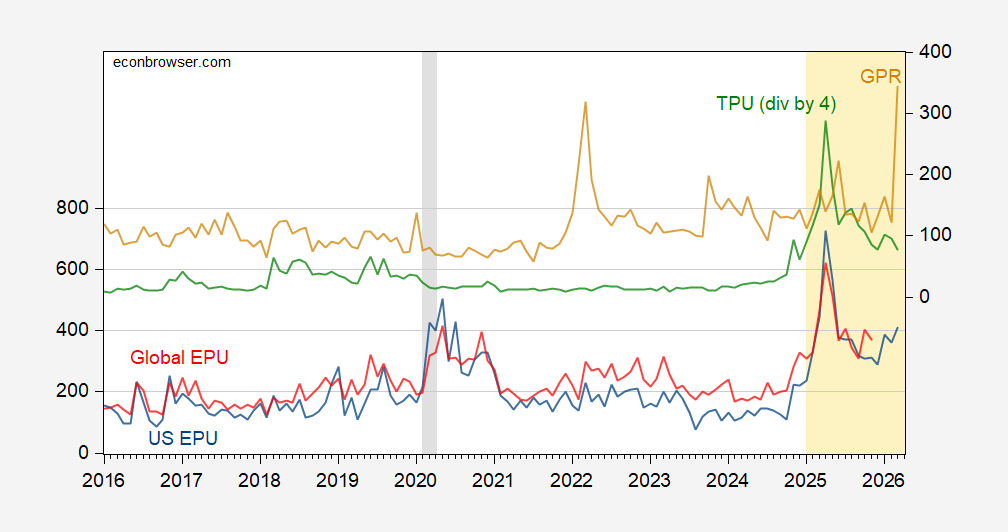
Menzie Chinn discusses the impact of economic and geopolitical uncertainties on markets and policies since January 2025.
Tyler Cowen explores the evolution of economic thought, focusing on the Marginal Revolution and its implications for the future of economics amid the AI revolution.
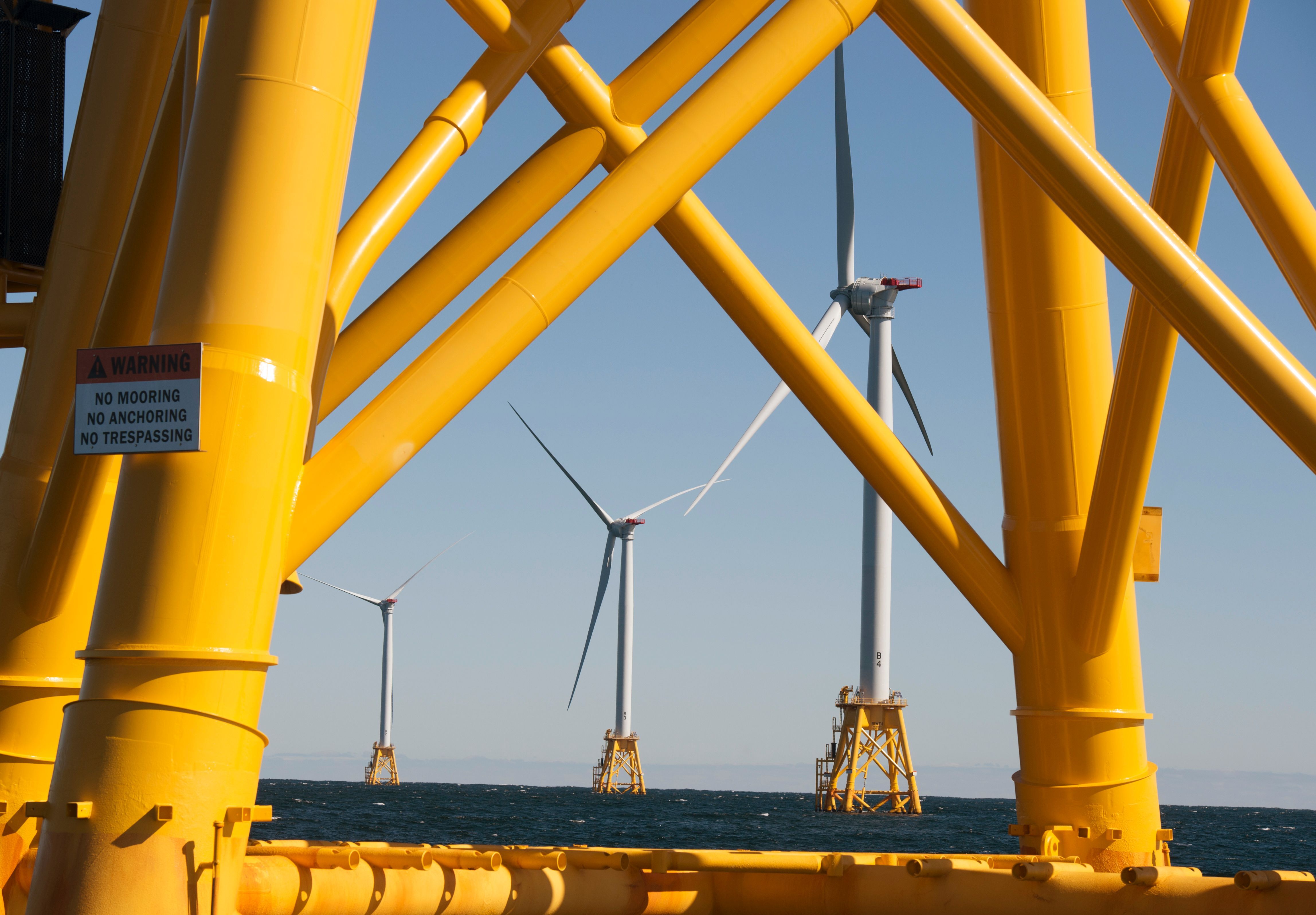
Michael Copley discusses how Trump's opposition to offshore wind may negatively impact business confidence and infrastructure spending in the U.S. economy.

The post highlights the ongoing wage gap between men and women, noting that women have lost ground in pay equity for the second consecutive year.

The post discusses how the war with Iran has caused a significant increase in fertilizer prices, impacting U.S. farmers during the planting season.
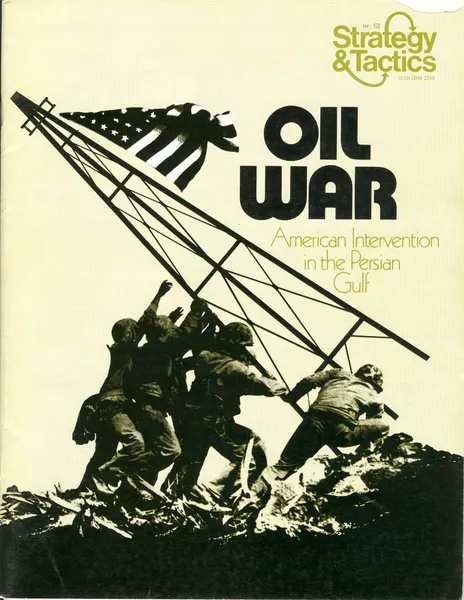
The discussion revolves around the complexities of seizing oil facilities in Iran and the risks involved for US forces in such operations.
An argument that public support for the Iran War remains low, with ongoing polling tracking changes in approval and opposition since the conflict began.

Timothy Taylor discusses the increasing concentration of sales and capital in large firms globally, highlighting its implications for competition and economic efficiency.

Noah Smith discusses the economic impact of the Iran War, particularly the disruption of oil supply and rising global energy prices.

Bobby Allyn discusses a jury's verdict holding Meta and Google accountable for a young woman's mental health issues, potentially impacting numerous other lawsuits.
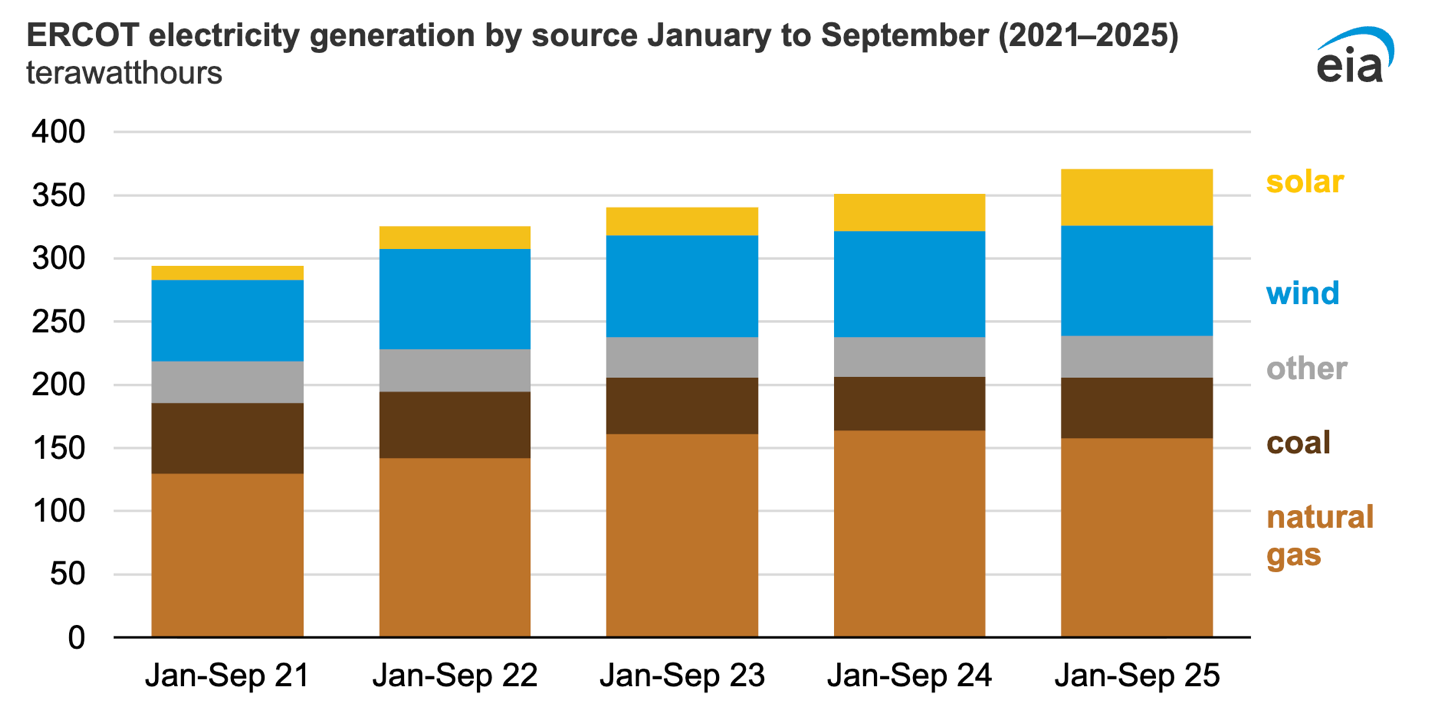
Paul Krugman discusses the Trump administration's efforts to undermine renewable energy, particularly wind power, amidst a global fossil fuel crisis and rising energy prices.

Menzie Chinn discusses a conference at Goethe University focusing on monetary policy, global spillovers, and European integration with notable speakers and debates.
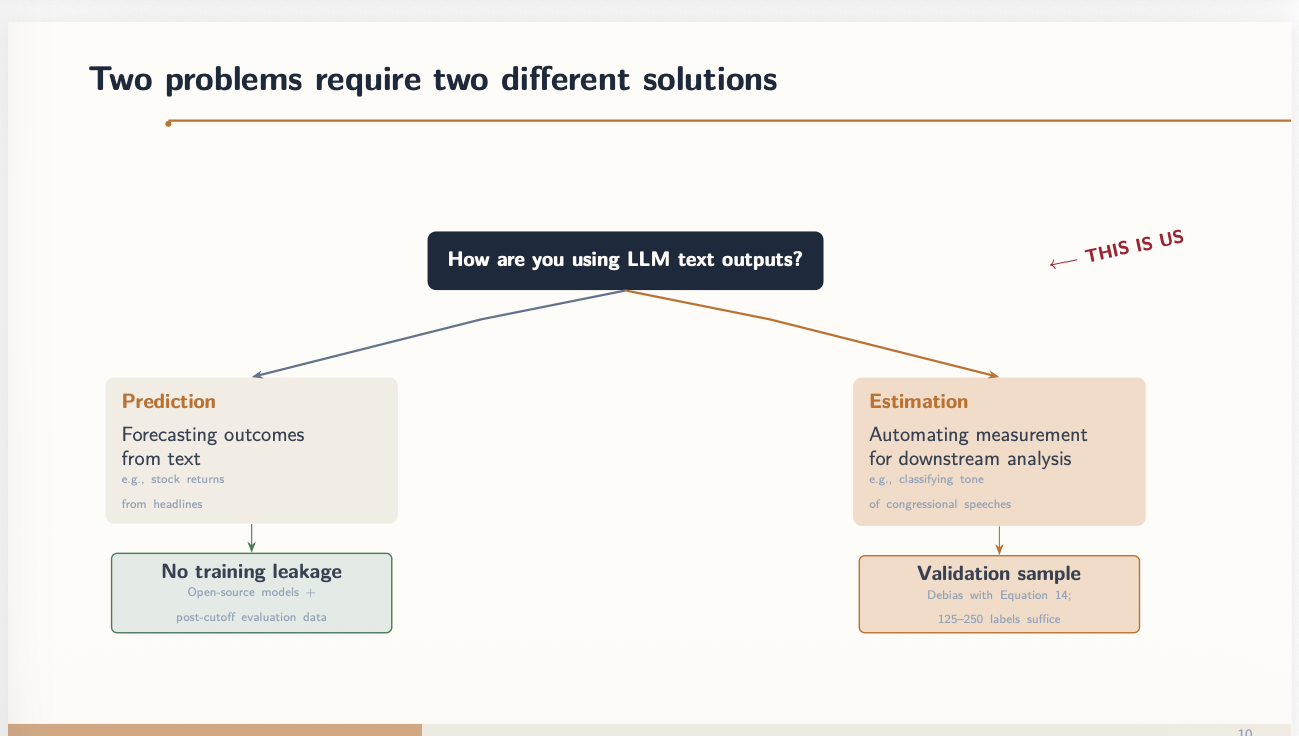
An exploration of a forthcoming econometrics paper on using large language models for automating text classification in economics research, addressing measurement error and regression inference issues.

The post discusses the rapid growth of alternative funding sources for small businesses in Connecticut and the potential changes to regulations affecting these lenders.
A lawsuit is discussed where Anthropic challenges the government's classification of it as a "supply chain risk," suggesting potential punitive motives behind the decision.
The discussion centers on Erika McEntarfer's firing, the challenges facing federal economic statistics, and the potential impact of AI on data collection.
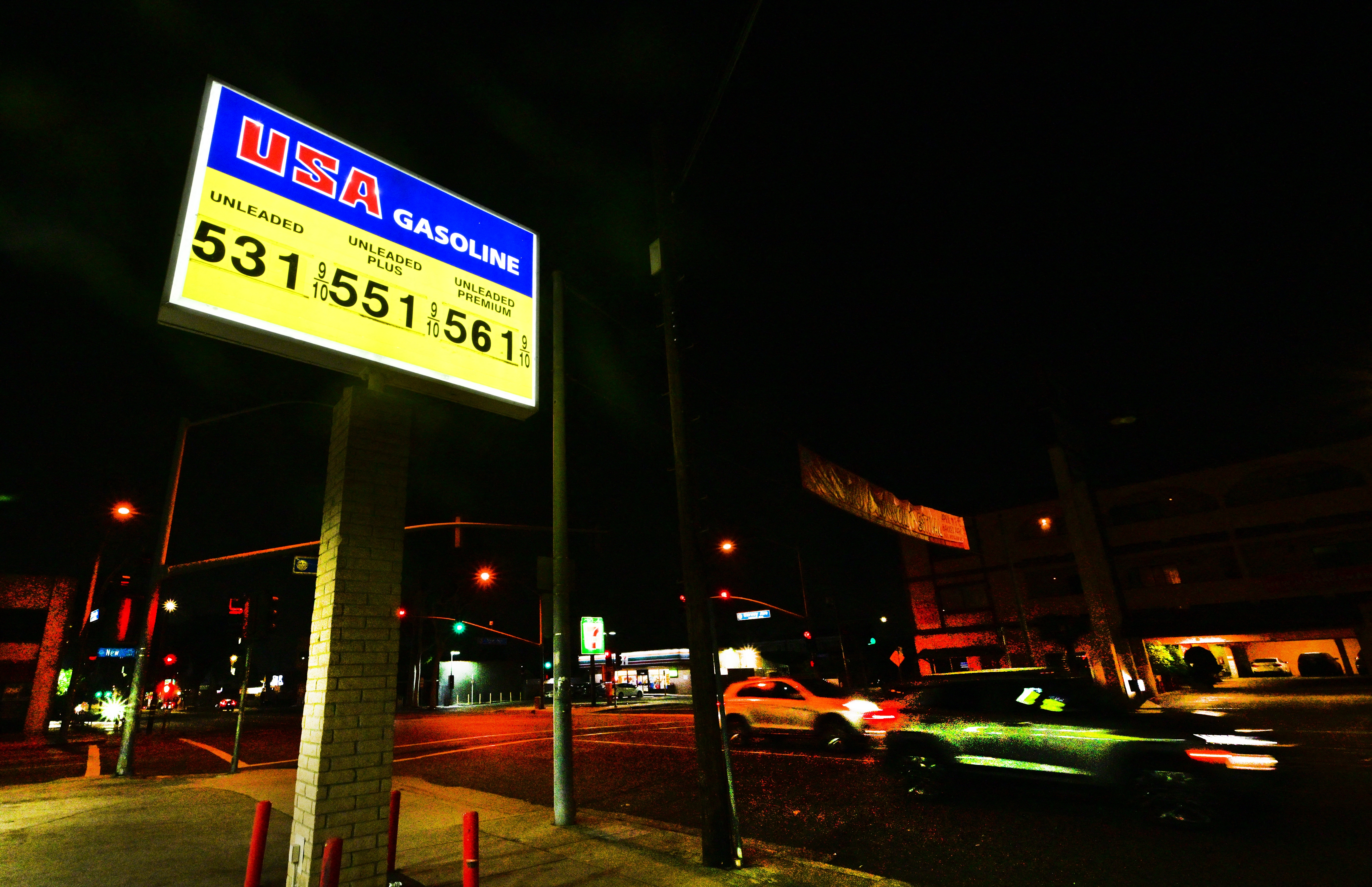
Higher gas prices are impacting food delivery drivers, who face increased costs and competition, prompting companies like DoorDash to offer some assistance.