
1461. Tuesday's Assorted Links
The post highlights various stories illustrating economic principles, including gas prices, wage negotiations, and workplace flexibility, along with teaching resources for educators.
your daily dose of economic commentary
The post highlights various stories illustrating economic principles, including gas prices, wage negotiations, and workplace flexibility, along with teaching resources for educators.

High physician incomes in the U.S. reflect a broader trend of high earnings for skilled workers, driven by a shortage of high-IQ labor and the impact of immigration.
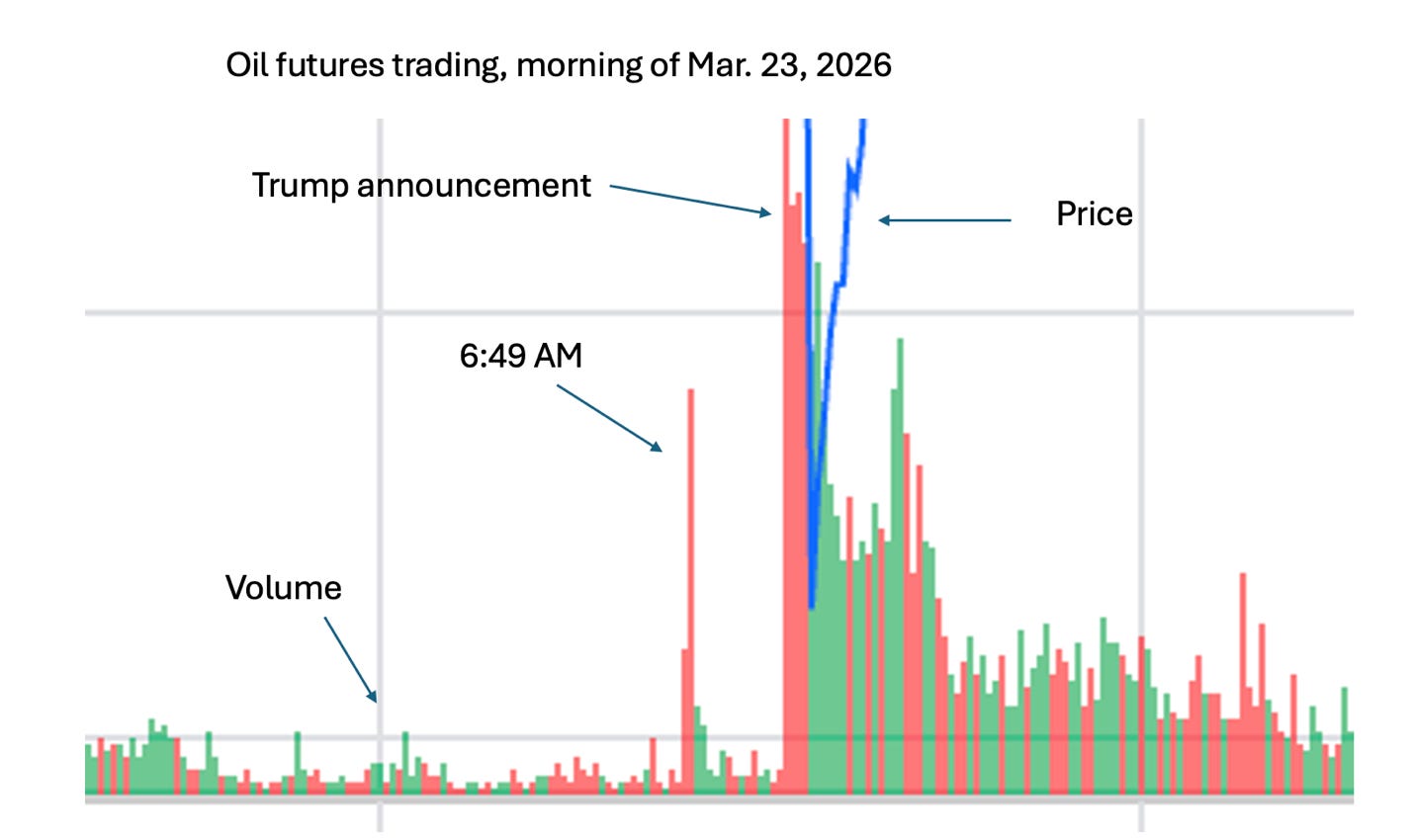
An argument that insider trading linked to national security decisions constitutes treason, highlighting suspicious trading patterns before a significant political announcement.

Scott Cunningham discusses his podcast's research project on the effects of House Bill 2 on marriages and divorces, highlighting the role of Claude Code in data collection.

Danielle Kurtzleben discusses how President Trump's policies, particularly the Iran war, are negatively impacting farmers by increasing their costs.

Noah Smith discusses the Democratic Party's unpopularity and the need for a more appealing ideology to connect with voters, particularly on social issues.

An argument that explores the potential backlash against sports betting from liberal groups and discusses the implications for political forecasting models.
An argument that immigration positively impacts the economy by contributing to labor supply, innovation, and productivity, despite concerns about job competition and illegal immigration.
Paul Krugman discusses the questionable credibility of Trump's claims regarding negotiations with Iran and the implications for U.S. foreign policy and trustworthiness.
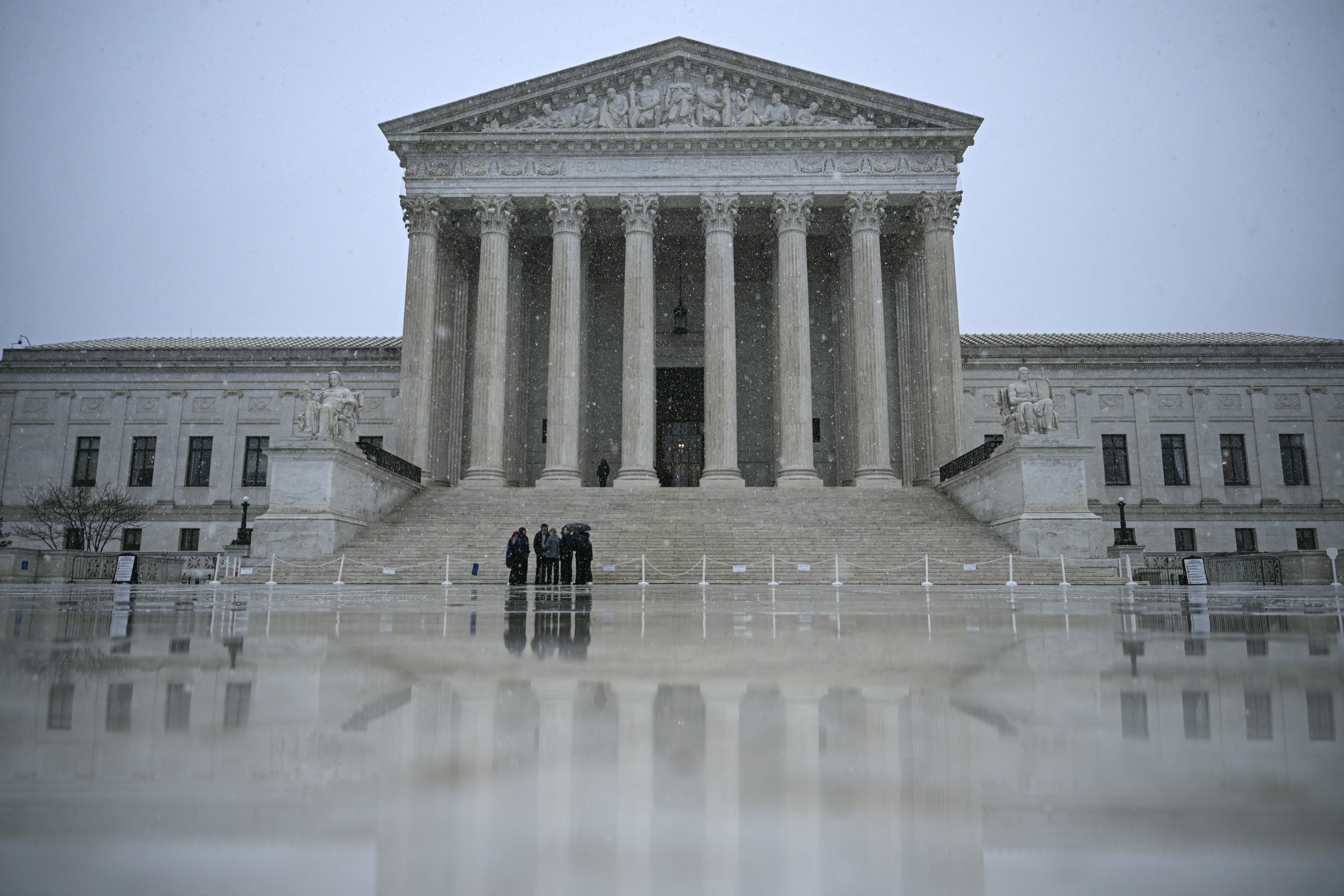
The post discusses the Supreme Court's decision not to review a case involving the arrest of a journalist related to press freedom issues.

Paul Krugman discusses the complexities of global supply chains and the vulnerabilities exposed by geopolitical tensions, particularly under Trump's erratic leadership.
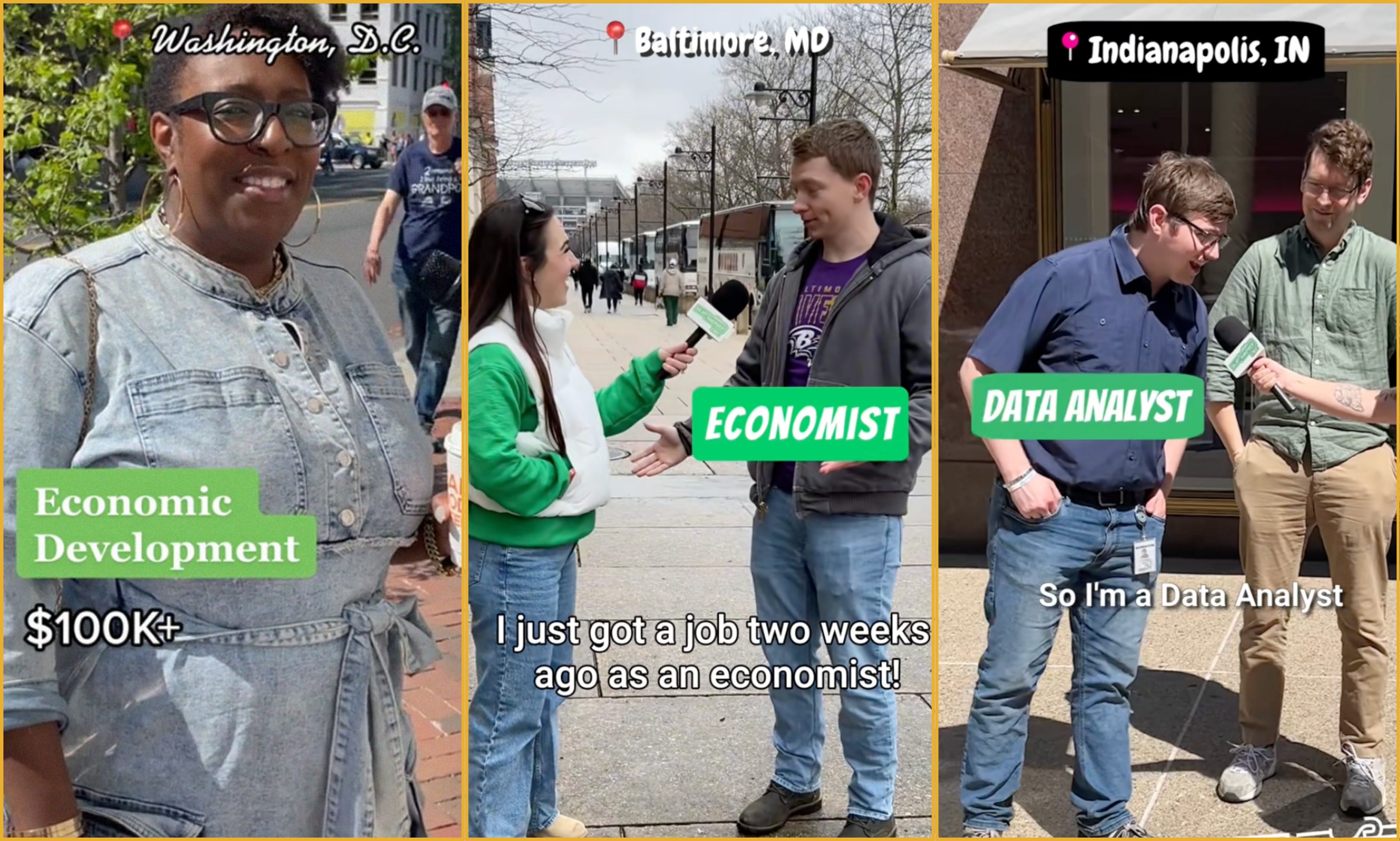
The post highlights the impact of salary secrecy and information asymmetry on wage fairness, emphasizing the importance of transparency for workers in understanding their worth.
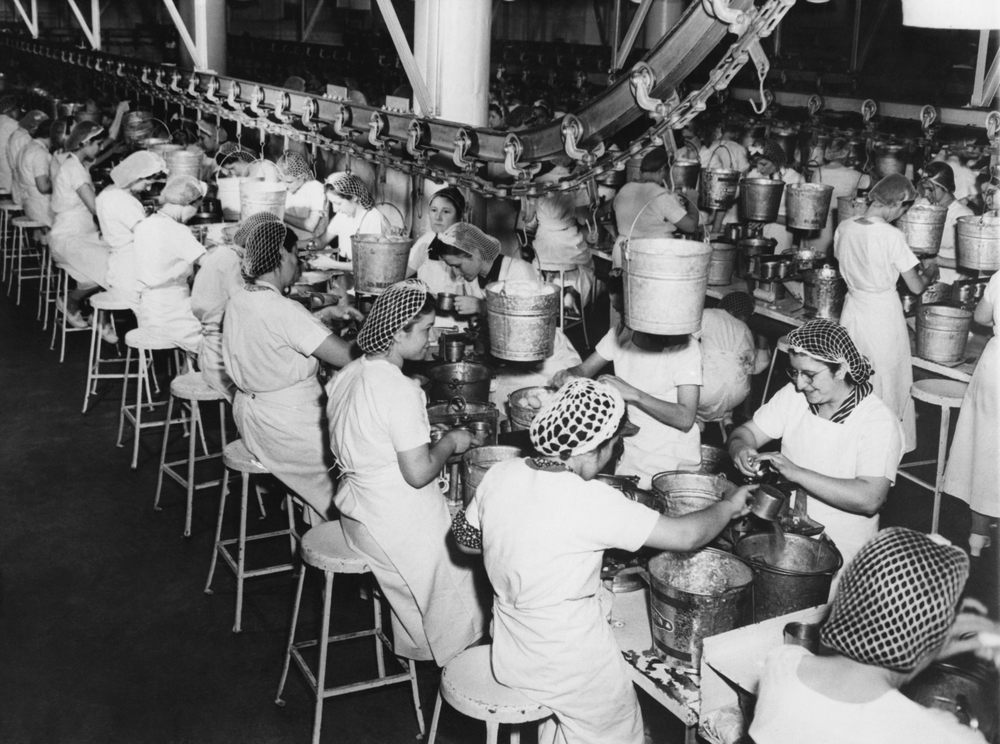
Steven Horwitz discusses Adam Smith's labor theory of value, its flaws, and the modern understanding of value as subjective assessments by consumers.

David Folkenflik discusses a lawsuit by Voice of America staffers against Kari Lake for allegedly broadcasting pro-Trump propaganda.
The discussion explores theoretical possibilities in price theory, focusing on capital, rent, and the dynamics of technique choice in economic models.
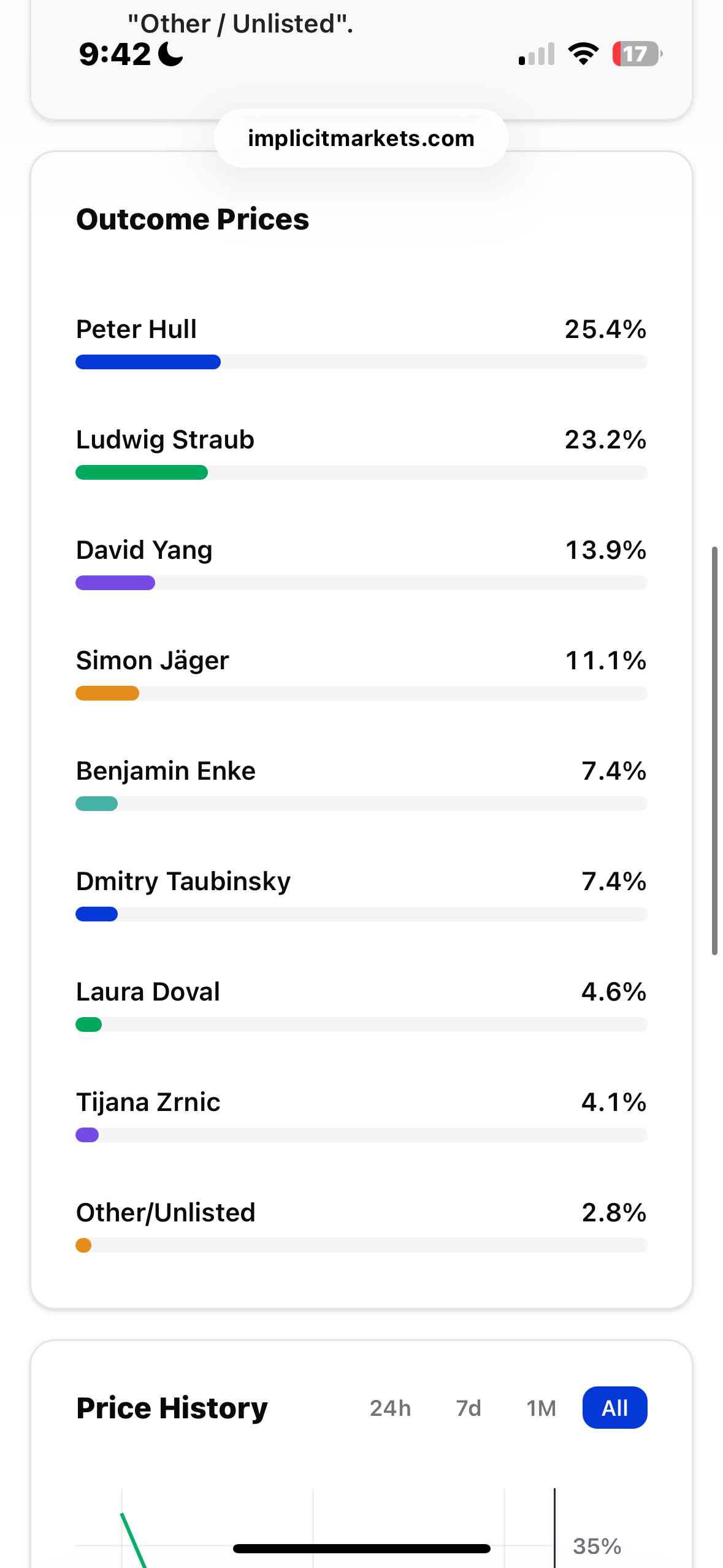
The post discusses ticket sales for an upcoming workshop, a notable economics award, and a satirical take on diplomatic events involving Claude code.
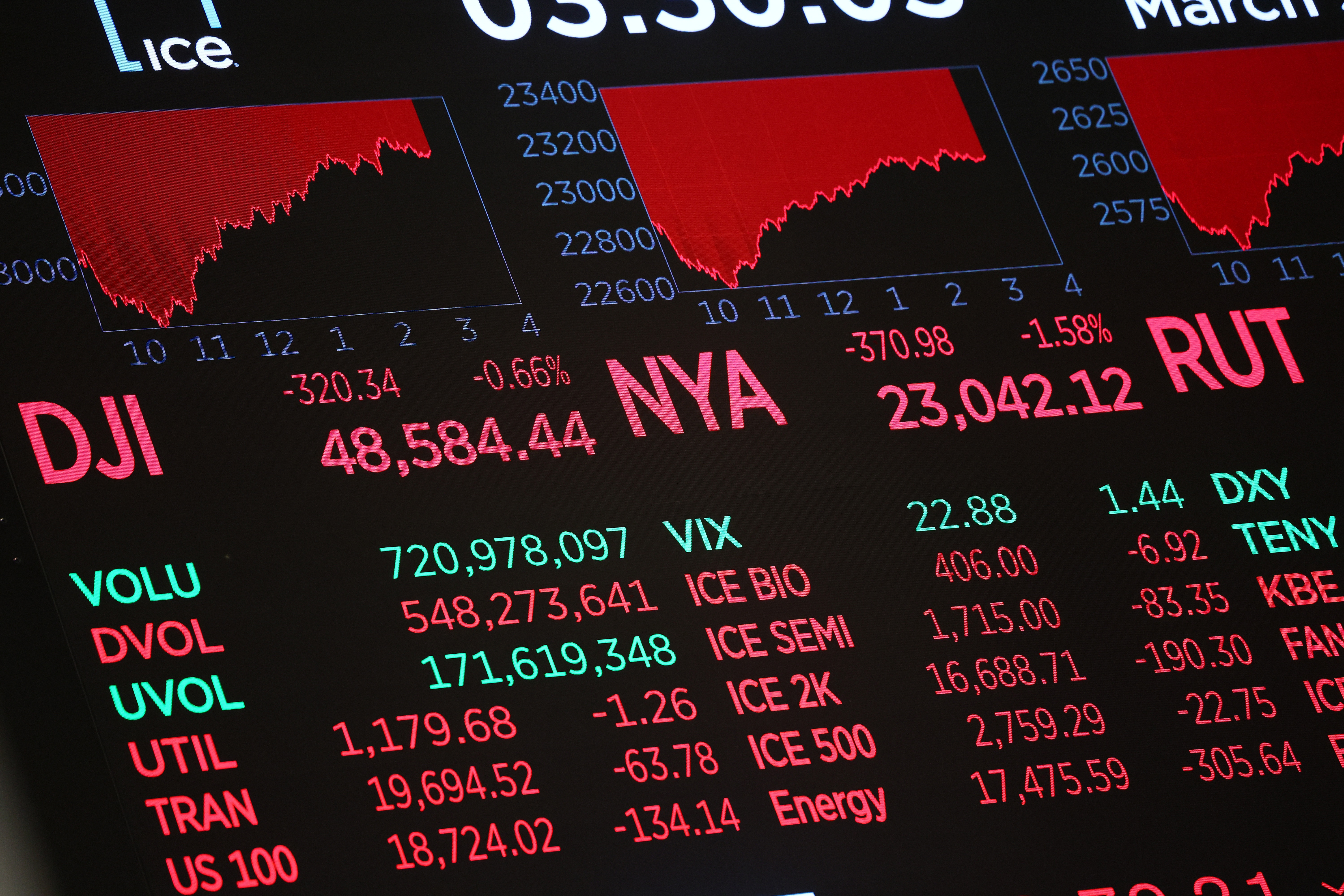
Stephan Bisaha discusses financial advisers' recommendations for managing investments during a volatile stock market, emphasizing the importance of individual timelines for accessing funds.

Michael Copley discusses how the Trump administration's policy changes are impacting energy prices and the reliance on fossil fuels amid geopolitical tensions.
Paul Krugman discusses the Trump administration's contradictory stance on Iranian oil exports amid threats of military action, highlighting economic and political implications.

Noah Smith discusses his conversation with Claude about AI's potential in scientific research, particularly in materials science and the complexities of discovery.